REVIEW · KEY WEST
Skip the Line: Mel Fisher Maritime Museum Admission Ticket and Audio Tour
Book on Viator →Operated by Mel Fisher Maritime Museum · Bookable on Viator
Sea treasure meets hard history in Key West. This skip-the-line admission plus English audio tour is a smart way to see Mel Fisher Maritime Museum without feeling rushed, with a self-paced feel that works well for families.
What I like most is how the exhibits move you through the big story of the Spanish shipwreck recoveries, then into the more difficult chapters—without turning it into chaos. The galleries are set up so you can follow along with clear presentation, and the audio keeps the context coming while you wander.
One consideration: some of the artifacts and topics are heavy, especially the slave-trade material tied to the Henrietta Marie and related exhibits. If you’re bringing younger kids, you’ll want to be ready for that emotional tone and pace the visit.
In This Review
- Key Highlights Worth Your Time
- Skip-The-Line Admission That Lets You Explore Your Way
- Entering the Spanish Treasure Galleons Galleries (Atocha-Style Highlights)
- The Story Behind Mel Fisher’s Fight (Why the Collection Exists)
- Henrietta Marie and the Slave-Ship Exhibits: History With Weight
- Atocha and Henrietta Marie: How the Museum Helps You Keep Track
- Coins, Pirates, and Shipwreck Science (Learning Beyond the Big Artifacts)
- Timing Your Visit: Getting Value From 1 to 4 Hours
- Who This Ticket Fits Best (And Who Should Think Twice)
- Price and Value: What You’re Actually Paying For
- Should You Book This Mel Fisher Maritime Museum Admission + Audio Tour?
- FAQ
- What does the ticket include?
- How long should I plan for this experience?
- What are the museum hours?
- Is the audio tour included, and what language is it?
- How much does it cost?
- Can I cancel and get a full refund?
Key Highlights Worth Your Time
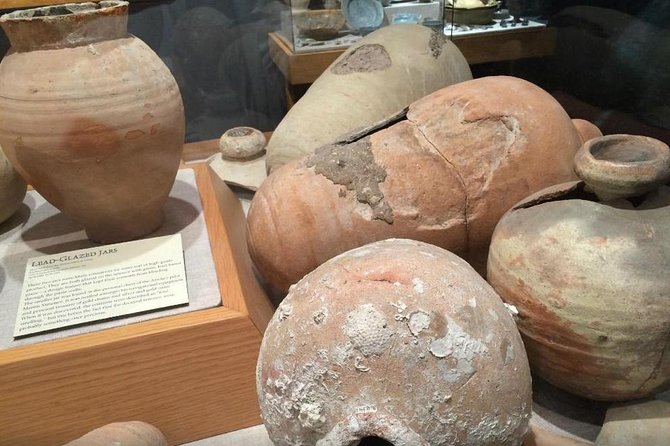
- Spanish treasure galleons galleries that connect the recovery story to what was actually found
- Audio tour included in English, so you can set the pace instead of waiting for a group
- Atocha and Henrietta Marie wreck exhibits presented in separate sections that help you keep track
- Respectful slave-ship storytelling, with focus on the human cost and recovered artifacts
- Shipwreck science angles, including conservation-style learning and science-minded displays
- Lab-tour potential, with daily opportunities depending on what’s running during your visit
Skip-The-Line Admission That Lets You Explore Your Way
For $19.50 per person, you’re buying admission and getting one audio tour in English included. The museum is open Tuesday through Sunday, 10:00 AM to 4:00 PM, and the experience is flexible enough that you’re not tied to a rigid storyline the whole time. The full visit is listed as about 1 to 4 hours, so you can do a focused run-through or a slower, more thoughtful walk.
The “skip the line” part matters here because a museum with popular exhibits can mean waiting at the front. With a mobile ticket, you can get in and start listening fast, which is great if you’re traveling with kids or you’re trying to beat midday lines and energy dips.
The audio tour is also the difference between seeing “objects in cases” and understanding why these specific wrecks matter. You’ll get narration for the history and treasure galleries, so when you see coins, shipwreck relics, or interpretive displays, you’re not guessing.
You can also read our reviews of more tours and experiences in Key West.



Entering the Spanish Treasure Galleons Galleries (Atocha-Style Highlights)
The museum’s treasure collections are organized around major Spanish shipwreck recoveries, with Spanish Treasure Galleons galleries that connect the ocean finds to the larger drama of salvage and artifacts. This is where the exhibits feel most like a classic museum journey: you’re moving from discovery to discovery, learning what was recovered and how it shaped what people thought they knew.
A big plus is how the exhibits are laid out. One of the most praised parts is the way the first-floor displays are presented—good signage, and not crammed into tiny spaces. If you’ve been to museums where you can barely turn around in the crowd, this is the opposite vibe. You can actually take in what’s in the cases.
And it’s not only about the “wow” factor of gold and silver. The audio tour helps explain what makes these wrecks meaningful—how the treasure fits into ship routes, empires, and the real-world mechanics of what got lost at sea.
The Story Behind Mel Fisher’s Fight (Why the Collection Exists)
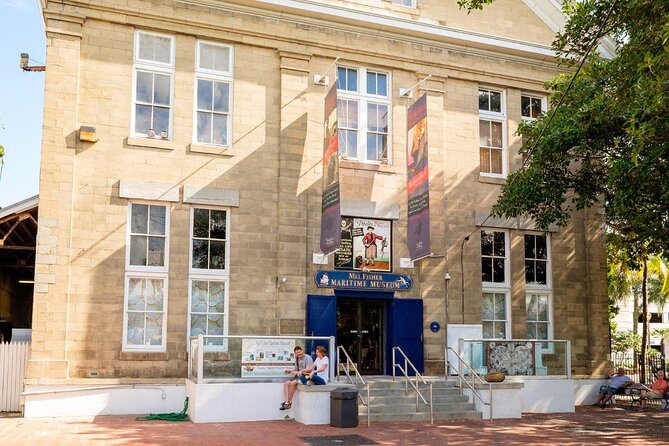
One of the most compelling threads here is not just what was found, but what happened afterward. You’ll hear about Mel Fisher’s battles with the government to keep the artifacts he and his crew recovered—work that stretched all the way to the U.S. Supreme Court.
This part matters because it changes the feeling of the museum. Instead of thinking of shipwreck treasure as pure adventure, you understand that these objects became legal, cultural, and political flashpoints. It’s the kind of story that makes “history” feel real and current, because it’s about decisions people made in courtrooms—not just centuries-old ships.
It also helps you make sense of the museum itself. If you care about why institutions exist and how collections come to be, this section gives you the backbone.
Henrietta Marie and the Slave-Ship Exhibits: History With Weight
Then comes the hard turn: the Slave Ship and Key West African Cemetery exhibits. This is where the museum is at its most emotionally serious. The focus moves away from spectacle and toward the human cost of the transatlantic slave trade and Key West’s role in that story.
The central wreck here is the Henrietta Marie, an English merchant slave ship dating to 1699. The wreck was discovered in 1972, but the exhibit narrative notes it was only partially excavated for years, before deeper work came later. That timeline is important, because it shows how archaeology doesn’t happen instantly—it’s slow, technical, and shaped by what investigators can do over time.
What to look for (and what hits hard): the exhibit emphasizes recovered artifacts connected to enslaved people, including shackles. The presentation aims to treat the subject respectfully, and the overall tone is sober. If you’re visiting as a family, I’d plan on talking about what you’re seeing, not rushing past it.
Atocha and Henrietta Marie: How the Museum Helps You Keep Track
One reason people speak well of this museum is the way the experience is organized. The first floor puts attention on the Atocha-area material, while the second floor focuses heavily on the Henrietta Marie story. That separation helps your brain. You’re not juggling everything at once.
There’s also a strong multimedia element for the Henrietta Marie exhibits, including a video about the investigation. That’s a big deal because it turns shipwreck research into something you can follow—like a process rather than a mystery.
The audio tour also helps you connect what you’re seeing to what you’re hearing. As you move through each section, the narration gives you a thread to follow, so the artifacts don’t float around without context.
Coins, Pirates, and Shipwreck Science (Learning Beyond the Big Artifacts)
The museum doesn’t stop at treasure and shackles. It branches into topics that help you understand the broader world around the wrecks.
You’ll find exhibits tied to Spanish Coins in the New World. That sounds niche, but it’s exactly the kind of detail that makes these stories click: coins don’t just look old; they point to trade networks, economies, and the movement of value across oceans.
There’s also an area called out as covering the Real Pirates of the Caribbean. That’s a good option if you’ve got kids or anyone who likes the swashbuckling side of Caribbean history—because it channels curiosity without pretending pirates were only legends and nothing more.
And then there’s the Science of Shipwrecks angle. It’s part history lesson, part research lesson, and it makes the museum feel more modern. You can even find mention of conservation learning—like seeing how history is revealed through careful preservation work. If you’re the type who likes to understand how museum objects are maintained and studied, this is where your interest will grow.
Timing Your Visit: Getting Value From 1 to 4 Hours
The duration range—about 1 to 4 hours—isn’t just a random estimate. It matches the way the exhibits are structured. If you want a quick trip, you can focus on the main treasure galleries and the most prominent shipwreck story points. If you want more depth, you’ll take time with the slave-ship material, the investigation video, and the science-themed exhibits.
I recommend planning around the day’s energy. Start when the museum opens at 10:00 AM, or plan for a mid-morning entry so you have time to slow down. With an audio tour, you don’t have to rush to keep up, but you also don’t want to walk through difficult content on a short fuse.
Also note the group size cap is listed at 15 travelers. Even if you don’t think of this as a “guided tour,” a small max group often helps the museum experience feel calmer and easier to navigate.
Who This Ticket Fits Best (And Who Should Think Twice)
This is a strong fit if you want a museum visit that teaches you while still giving you flexibility. It’s especially good for:
- Families who want an audio tool that can keep kids engaged while you slow down for yourself
- People who like shipwreck stories that blend adventure with real artifacts
- Travelers who want both the “treasure” narrative and the darker historical context, not one or the other
- Anyone who values museum explanations—especially with the audio tour providing structure
It may be less ideal if:
- You’re looking for an upbeat, lighthearted history stop. This museum includes serious topics tied to the slave trade.
- You need audio in a language other than English. The package lists the audio tour as English.
Price and Value: What You’re Actually Paying For
At $19.50, you’re not just buying entry. You’re paying for admission plus a built-in way to interpret what you see via the English audio tour. That’s the real value here.
If you were to skip the audio and rely only on signs, you’d still learn—but you’d miss a lot of the through-line: the Supreme Court fight, the wreck timelines (like the 1972 discovery and later excavation work), and the connections between objects and history. The audio makes the museum feel like a guided experience even though you’re exploring on your own.
Also, because this is a skip-the-line ticket with mobile access, you save time right where it matters most: at the start, when you’re trying to get in and settle before you lose attention.
Should You Book This Mel Fisher Maritime Museum Admission + Audio Tour?
Yes, I’d book it if you’re spending time in Key West and you want one stop that covers both the glamorous lure of recovered treasure and the heavier truth behind the slave trade. The audio tour gives you structure, the galleries are arranged so you can follow the major wreck stories, and the museum clearly handles the difficult material with care.
I’d think twice only if your group struggles with intense historical subjects or if you can’t do English audio. If that’s your situation, you might still visit the museum, but you’d want to plan differently.
If you’re the kind of traveler who likes artifacts with context, this ticket is a solid value—and it’s an easy way to turn a couple hours into a real education.
FAQ
What does the ticket include?
Your purchase includes museum admission plus one audio tour in English.
How long should I plan for this experience?
Plan for about 1 to 4 hours.
What are the museum hours?
For both 2025 and 2026, it’s open Tuesday through Sunday, 10:00 AM to 4:00 PM.
Is the audio tour included, and what language is it?
Yes. The package includes an English audio tour.
How much does it cost?
It’s $19.50 per person.
Can I cancel and get a full refund?
Yes. You can cancel up to 24 hours in advance for a full refund.