REVIEW · PARIS
Bastille’s Architecture & Artisans Self-Guided Walking Tour
Book on Viator →Operated by Vidi Guides · Bookable on Viator
Bastille feels different when you walk it slowly. This self-guided audio tour turns everyday streets into a clear story of revolution-era Paris, guided by a local historian and explained by Juan at multiple stops. You move at your pace, with GPS support so you can stay oriented.
I especially like the flexibility: each stop is short, and the tour is designed so you can pause longer if something catches your eye. I also like that the history is woven into what you can actually see—architecture, street life, and the local market energy around Bastille.
One thing to consider: you need your own mobile device (and your own earphones). Also, because it is self-guided, you’ll want to double-check where you start and make sure your download link works before you’re standing at Place de la Bastille.
In This Review
- Key things you’ll notice on this Bastille walk
- Why Bastille’s streets are perfect for a 45–60 minute self-guided tour
- The route: Place de la Bastille to Coulée Verte René-Dumont, stop by stop
- Stop 1: Place de la Bastille (the starting point)
- Stop 2: Rue du Faubourg Saint-Antoine (artisans as the backbone)
- Stop 3: Passage du Chantier (old architecture, explained in plain terms)
- Stop 4: Fontaine de Charonne (where time meets the present)
- Stop 5: Square Trousseau (a green pause with context)
- Stop 6: Bastille Market (brocantes, food, and Juan’s favorite spot)
- Stop 7: Coulée Verte René-Dumont (the poetic finish)
- The audio guide: local historian energy, delivered by Juan
- Navigation and setup: how to avoid the most common self-guided headaches
- Price and value: what $17.88 buys you in real terms
- What to expect day-of: timing, walking pace, and where to adjust
- Who this tour is best for (and who might want a different style)
- Should you book the Bastille Architecture & Artisans tour?
- FAQ
- FAQ
- How long is the Bastille Architecture & Artisans self-guided tour?
- Where does the tour start and where does it end?
- Is the tour offered in English?
- Do I need tickets for the stops?
- Can I use the tour offline?
- What do I need to bring?
- Is there a group size limit?
- What if I can’t find where to start?
- Can I get a refund if I cancel?
Key things you’ll notice on this Bastille walk
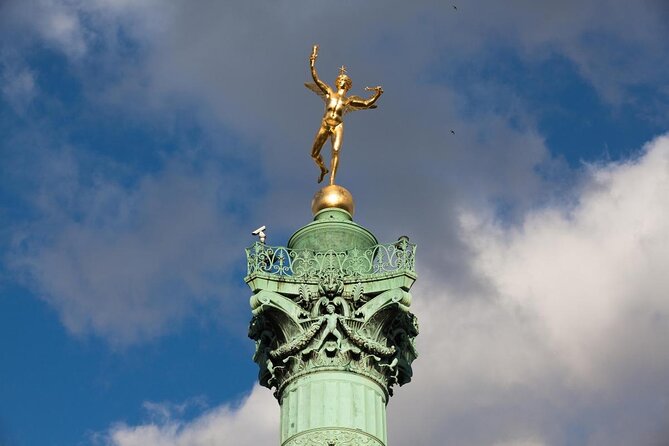
- Juan’s audio commentary brings context to the streets and buildings you can see in front of you
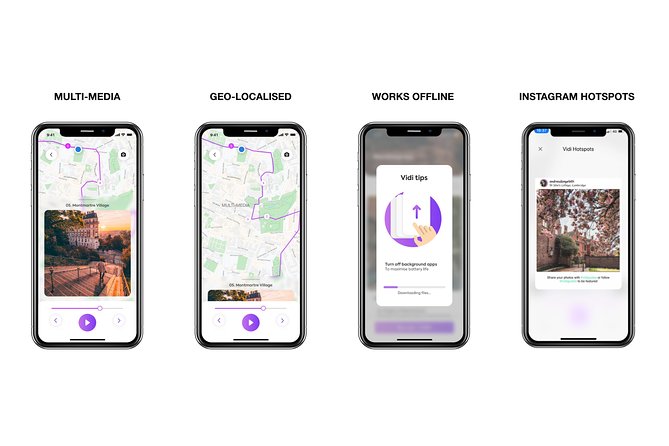
- GPS + location-aware map helps you follow along without constantly checking directions
- Offline mode lets you download the tour in advance and keep going without WiFi
- 7 themed stops cover architecture, preservation, and neighborhood culture in under an hour
- Market time gives you a place to eat, browse, and reset before the final green corridor
Why Bastille’s streets are perfect for a 45–60 minute self-guided tour
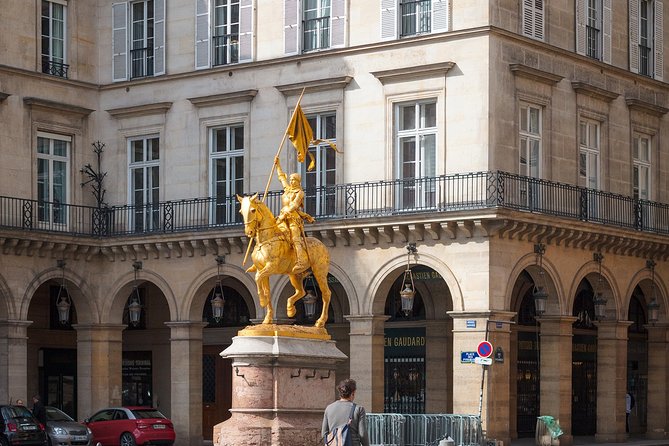
Bastille is one of those Paris areas where the city feels layered: grand ideas, practical streets, and working neighborhoods all at once. What I like about this walk is that it does not try to cram in a day of sightseeing. Instead, it gives you a tight route—about 45 minutes to 1 hour—and turns that time into something with shape.
This tour also fits real life. You can do it before lunch, between museum plans, or in the evening when you want a change of pace from the big monuments. The stops are designed to be brief (around 5 minutes each, with a longer market stretch), so the tour never drags.
And because it is self-guided, you control the rhythm. If you see a doorway detail you want to study, you pause. If you want to keep moving, you keep moving. That small freedom matters in Paris, where you often hit crowds and slowdowns fast.
You can also read our reviews of more tours and experiences in Paris.



The route: Place de la Bastille to Coulée Verte René-Dumont, stop by stop
This walk is built around seven stops. Each one is close enough to feel like one continuous neighborhood experience, but themed enough to keep you paying attention.
Stop 1: Place de la Bastille (the starting point)
You begin at Place de la Bastille, and the audio sets the stage by explaining why this place matters for the historic revolution of France. Even if you’ve heard the basics before, I like that the tour frames it as the beginning of the story, not just a name on a map.
Practical tip: give yourself a minute here to orient. If you start the audio and begin walking without confirming you’re aligned with the first GPS point, you’ll waste time quickly. A lot of frustration with self-guided tours comes from that tiny mismatch.
Stop 2: Rue du Faubourg Saint-Antoine (artisans as the backbone)
Next is Rue du Faubourg Saint-Antoine, where the theme shifts from place to people. You’ll hear about the artisanal roots of the neighborhood and how those working traditions connect to the French Revolution story.
What makes this stop work is that it’s not about abstract history. It encourages you to look at the street itself and think about why craftsmanship and daily life can shape big political moments. If you like walking tours that use streets as evidence, you’ll appreciate this angle.
Stop 3: Passage du Chantier (old architecture, explained in plain terms)
Then you reach Passage du Chantier, a spot where the audio focuses on old-style architecture. Juan’s role shows up again here, with guidance meant to help you notice architectural relevance instead of just passing by.
A consideration: passages and small corridors can feel visually similar at first glance. This is where the audio helps most. If you’re the type who often skips audio because you assume you already know the story, this stop might convince you otherwise.






Stop 4: Fontaine de Charonne (where time meets the present)
At Fontaine de Charonne, the tour shifts to how older elements are preserved. The audio helps you notice how the fountain’s antiquity blends with modern day surroundings.
I like this stop because it’s a breather from the revolution narrative while still staying connected. You’re practicing a useful skill in Paris: learning to see what survived, what changed, and how cities keep the past visible without making it into a museum display only.
Stop 5: Square Trousseau (a green pause with context)
Next comes Square Trousseau, described as a green oasis of unique beauty. The audio encourages a leisurely pause and explains the square’s history, which is a nice change from the more linear street-walking.
This is also a practical reset. If you’ve been walking with a tight schedule, this is the point where you can recharge for the last stretch—maybe grab a drink nearby, or simply stand and listen to the audio rather than rushing through it.
Stop 6: Bastille Market (brocantes, food, and Juan’s favorite spot)
The longest stop is the Bastille Market segment, tied to Market d’Aligre / Beauveau. This part is about local atmosphere: brocantes (secondhand browsing), local cuisine, and a sense of the neighborhood’s day-to-day life.
This is where I think the tour delivers real value beyond “sightseeing.” You’re not just looking; you’re given a time block to snack, browse, and slow down. Juan’s favorite spot recommendation here is meant to help you experience the market with less guesswork.
A drawback to consider: markets can be noisy and crowded. If you dislike busy environments, plan to keep your stop time flexible. You do not have to force the full 10 minutes if you’d rather get a quick taste and move on.
Stop 7: Coulée Verte René-Dumont (the poetic finish)
You finish at Coulée Verte René-Dumont. The audio says you part ways while recounting its past and poetic present, which fits the tour’s theme: history you can walk through.
Ending on a green corridor also makes the experience feel complete. It’s a natural place to slow down and decide what you want next—another walk, a meal, or a transit hop.
The audio guide: local historian energy, delivered by Juan
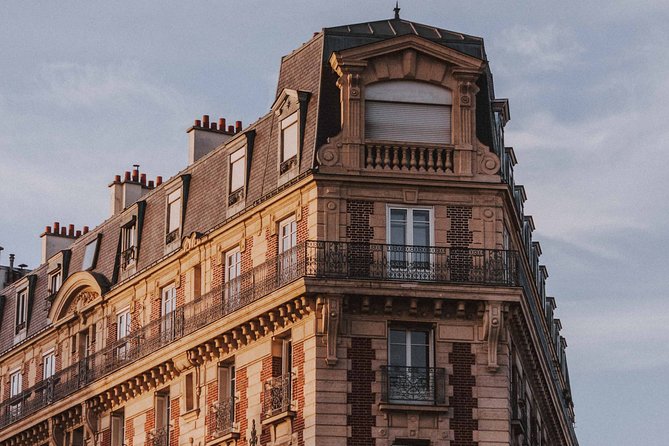
The tour’s heart is the audio. It’s recorded by a local historian and includes commentary by Juan at key points. I like the way the narration is tied to specific places, so you’re not listening to a general lecture while passing everything by at sidewalk speed.
Because it is self-guided, the audio does two jobs at once:
- It tells you what to notice
- It keeps you engaged during short stops
That’s important on a 45–60 minute walk. If the audio were vague, you’d feel like you were paying for a walk you could do alone. Here, the audio is designed to help you make sense of what you’re seeing in the moment.
Also, there’s an offline mode feature: you can download tours in advance and listen without WiFi. That helps a lot in Paris, where connectivity can be inconsistent.
Navigation and setup: how to avoid the most common self-guided headaches
This tour uses a GPS map with location awareness, designed to help you enjoy sites without getting lost. That’s a big deal for self-guided experiences, because getting turned around can add stress fast.
But the main practical needs are straightforward:
- You need your own mobile device
- You’ll want your own earphones
The tour includes a mobile ticket and confirmation is received at booking time. In at least one case, people reported they didn’t receive the download links until later, so the lesson is simple: check your email right after booking and download the tour promptly.
Small advice that saves time: download on WiFi before you head out, and do a quick test of the audio playback before you start walking. That way, you don’t discover a setup problem mid-route.
Price and value: what $17.88 buys you in real terms
At $17.88 per person, this is a budget-friendly option for Paris. You’re paying for the structure (a clear route), the audio (local historian recording), and the navigation support (GPS map + offline mode). You are not paying for paid admissions, since the listed stops are free.
That matters. When a tour charges more but still sends you through free public spaces, you need to know what you’re actually getting. Here, you’re getting guided context you can’t easily recreate on your own in the same time window.
Also, the tour is limited to a maximum of 10 travelers, which usually signals a tighter experience setup. Even though the tour is self-guided, that cap often helps with how material is managed and supported.
Value check: if you like walking with stories that explain architecture and neighborhood life, you’ll likely feel good about the price. If you prefer fully curated, in-person guide commentary with lots of conversation, you might find a self-guided format too hands-off.
What to expect day-of: timing, walking pace, and where to adjust
The itinerary is built for a comfortable strolling pace. Most stops are around 5 minutes, so it’s an easy walk even if you’re not a hardcore walker. The market stop is longer, giving you room to eat or browse.
I’d suggest you treat it like this:
- Do the short stops without overthinking
- Use the squares and market as your real break points
If you run late, don’t stress. This route is short. You can shorten your last stop or skip ahead to keep your schedule.
And because it ends at Coulée Verte René-Dumont, you also have an easy “continue or stop” moment. If you’ve had enough walking, you can simply exit the route and head to your next plan.
Who this tour is best for (and who might want a different style)
This Bastille self-guided audio walk is a strong match if you:
- Want architecture + artisans themes in a short time
- Like choosing your own pace and stopping when something catches your attention
- Prefer a guided-feel experience but without crowds or fixed group timing
It may be less ideal if you:
- Don’t want to manage a phone-based experience
- Are likely to struggle with starting points and want a person to direct you
- Dislike markets and would rather keep every stop strictly quiet and visual
Should you book the Bastille Architecture & Artisans tour?
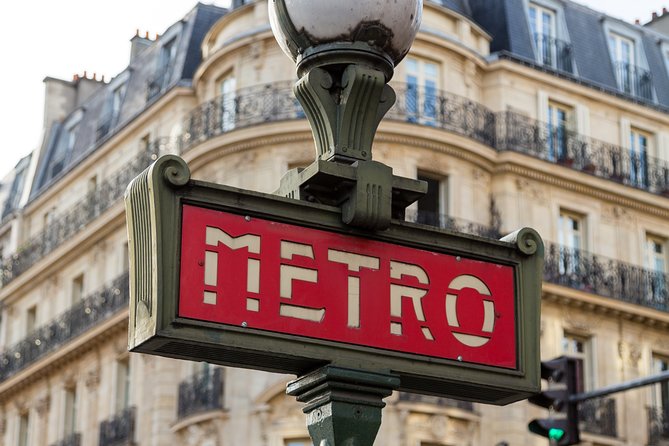
I’d book it if you want an easy win in Paris: a short route with clear audio context, helpful GPS support, and a built-in market break. The design is practical—free public stops, offline audio option, and a storyline that connects architecture and artisan life back to the revolution-era themes.
Skip it (or reconsider) if you don’t have earphones or you’re worried you’ll miss the download link and start setup. This tour works best when you do a little prep before you leave home: check your email, download the audio, and plan to start at Place de la Bastille on purpose, not by guess.
FAQ
FAQ
How long is the Bastille Architecture & Artisans self-guided tour?
It’s about 45 minutes to 1 hour.
Where does the tour start and where does it end?
It starts at Place de la Bastille and ends at 1 Coulée Verte René-Dumont, 75012 Paris.
Is the tour offered in English?
Yes, the audio tour is offered in English.
Do I need tickets for the stops?
Admission to the listed stops is free.
Can I use the tour offline?
Yes. You can download the tours in advance to listen without WiFi.
What do I need to bring?
You need a mobile device to use the tour. Earphones are not included.
Is there a group size limit?
Yes, the tour/activity has a maximum of 10 travelers.
What if I can’t find where to start?
The tour starts at Place de la Bastille. Since it’s self-guided, it’s important to use the GPS map and begin at the correct starting location.
Can I get a refund if I cancel?
Yes. You can cancel up to 24 hours in advance for a full refund. If you cancel within 24 hours of the start time, you won’t be refunded.