REVIEW · ROME
Vittoriano Access & 360° Panoramic Terrace with Audioguide
Book on GetYourGuide →Operated by Golden Ticket SRL · Bookable on GetYourGuide
The Vittoriano is Rome’s big white mountain. This experience puts you inside one of the city’s most symbolic monuments, then lifts you to a modern 360° panoramic terrace for views that reach from the Colosseum to St. Peter’s. I like that it’s built for independent exploring at your pace, not a rigid group march. One thing to consider: it’s mostly stairs and it is not wheelchair-friendly, so comfortable shoes really matter.
My favorite part is the pairing of history and viewpoint. You get access to the Vittoriano monument and its museum spaces, then you climb to the terrace via a glass elevator for skyline-level geography. I also like the audio experience: the audioguide is included and covers the terrace viewpoint, with options in multiple languages. A small drawback: the audioguide does not cover the other museums, so you’ll want to rely more on signs and your own reading below.
Practical thought before you go: you must bring personal headphones (not provided), and food or drinks aren’t allowed. If you want a slow, snack-filled outing, this one may feel strict.
Key points to know before you plan
- Glass elevator to one of Rome’s highest accessible viewpoints with true 360° coverage
- Terrace audioguide included (but only for the terrace viewpoint, not the museums)
- One ticket, several Vittoriano-area stops: Upper Portico, Risorgimento museum, Palazzo Venezia spaces, and temporary exhibitions
- Priority access helps you spend more time looking and less time waiting
- Bring headphones and comfortable shoes; the experience is not suitable for everyone
In This Review
- Piazza Venezia to the Vittoriano: what you’re stepping into
- Walking up through the monument (and why timing matters)
- The glass elevator: the moment the skyline snaps into focus
- The terrace audioguide: how to get value from the included audio
- Museum time: Central Museum of the Risorgimento and Palazzo Venezia
- Upper Portico and the Vittoriano layout: a good self-paced strategy
- Value and price: is $40 actually fair for what you get?
- Tickets, timing, and what to do on the day of your visit
- Who this experience suits best (and who should skip it)
- Should you book the Vittoriano Access & 360° Panoramic Terrace?
- FAQ
- Do I need a meeting point?
- What’s included with the ticket?
- Is the audio guide included, and what does it cover?
- Do I need to bring headphones?
- How long is the ticket valid?
- Are food and drinks allowed?
- Is it wheelchair accessible?
Piazza Venezia to the Vittoriano: what you’re stepping into
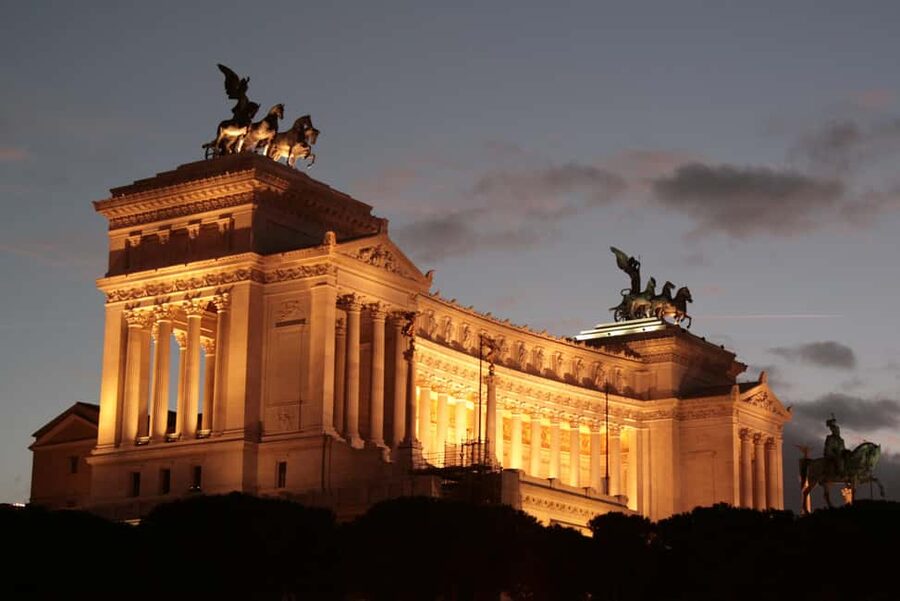
The Vittoriano sits right in Piazza Venezia, and you feel it immediately. It’s not subtle. The white marble mass was built as a national tribute, tied to Italy’s unification and to King Victor Emmanuel II. Even before you head upward, the monument’s design tells you why it’s here: it’s meant to be seen from far away, like a centerpiece for big moments.
This ticket is set up so you can explore on your own. That’s a plus for people who like to linger and take pictures without negotiating group timing. You’ll move through monumental staircases and marble structures, then decide how long to spend reading, looking, and wandering through the included areas.
One smart detail: you’re not only buying a viewpoint ticket. The access includes museum-related spaces too. So if the terrace views are your main goal, great. If you also want context for why this monument matters, you’ll have time to connect the story to the cityscape.
Walking up through the monument (and why timing matters)
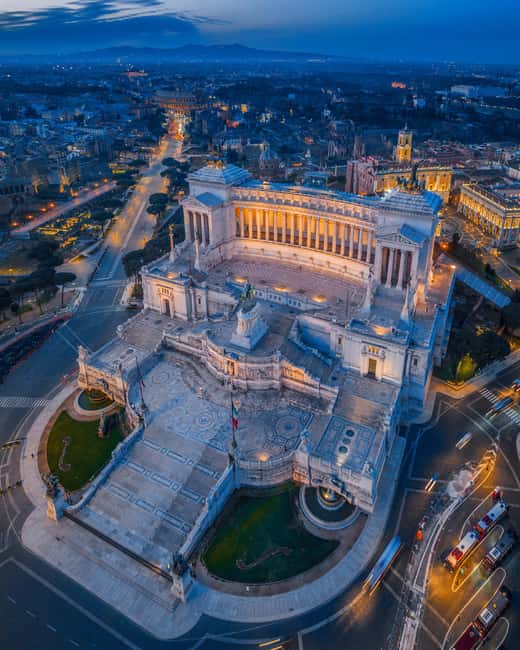
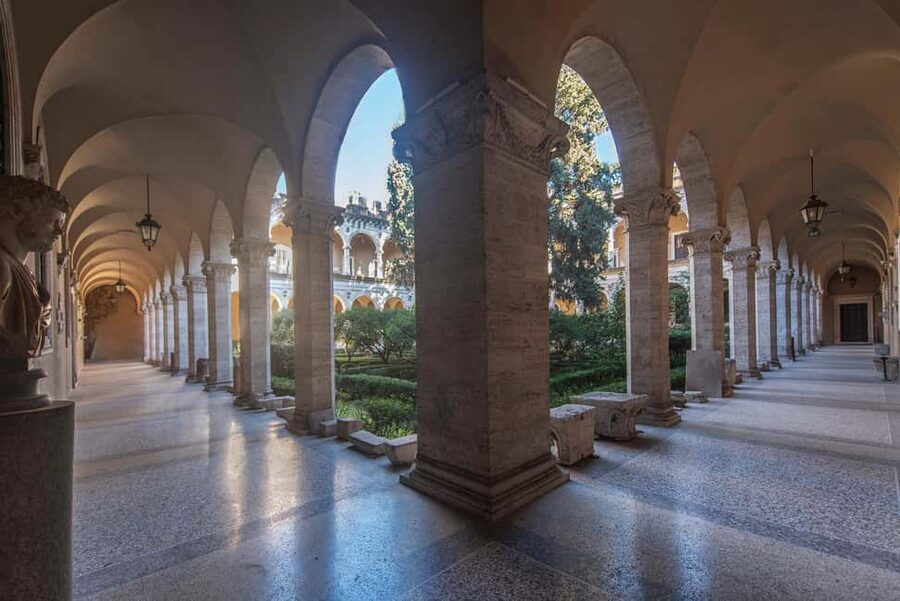
Your route is straightforward in concept. You enter the Vittoriano, then work your way toward the upper level. The included areas include the Upper Portico, which acts like a transition zone between the grand monument interior and the modern elevator experience above.
The “independent” part matters here. There’s no in-person guide bundled with this ticket. That’s not a bad thing, but it changes how you’ll learn. You’ll rely on museum signage and the terrace audioguide for the most structured explanation. If you’re the type who likes a human voice to connect dots fast, you may want to pair this with another guided option later in your trip.
Timing-wise, I suggest planning to visit when you can enjoy Rome’s light. The viewpoint is the headline, and the skyline is more rewarding when the sky is clear. If you show up during gloomy weather, you can still appreciate the monument itself, but the panoramic payoff will be smaller.
You can also read our reviews of more tours and experiences in Rome.


The glass elevator: the moment the skyline snaps into focus
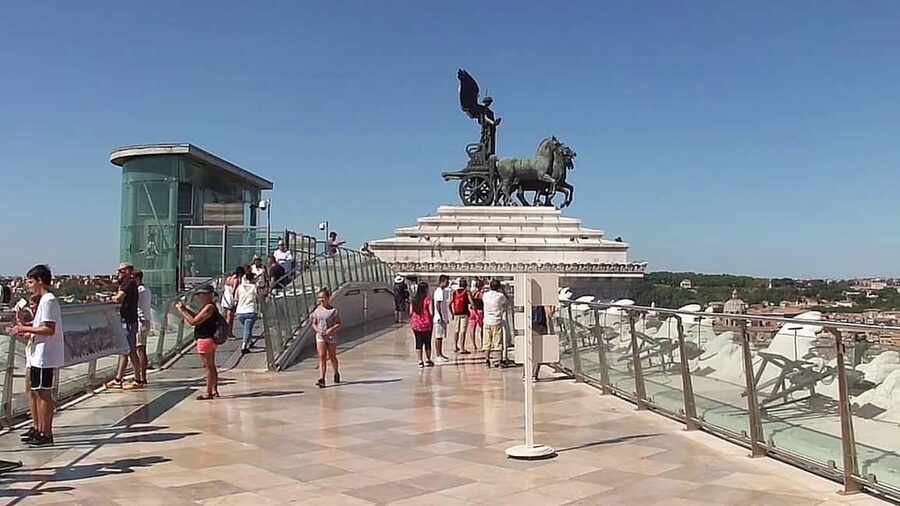
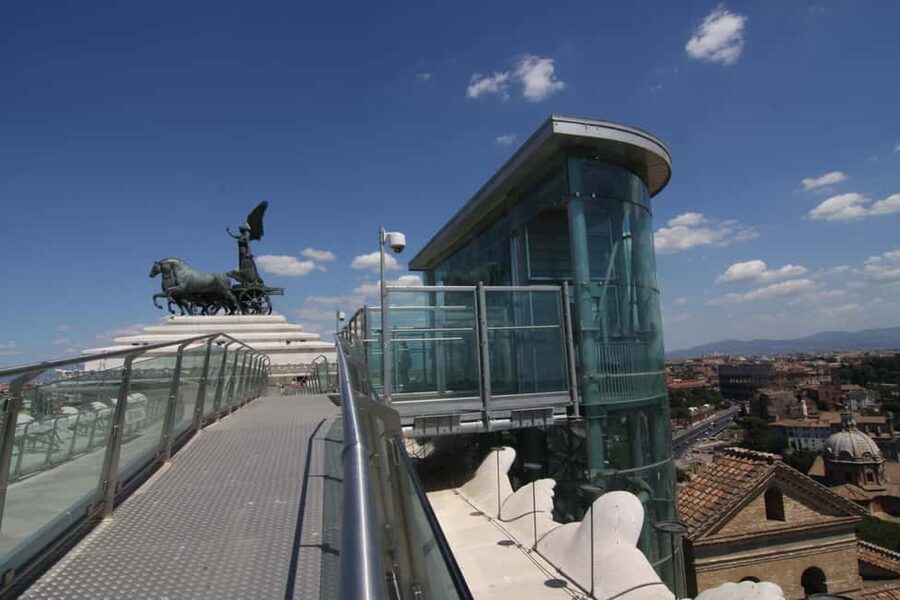
Then comes the part most people buy for: the modern glass elevator to the panoramic terrace. This is where the experience shifts from traditional monument spaces to something more contemporary and airy. The elevator itself feels like a quick “reset,” lifting you away from the street level and into a broader sense of Rome’s geography.
From the terrace, you get 360° views of the Eternal City. The list of landmarks you can spot is impressive: the Colosseum, the Roman Forum, the Pantheon, Castel Sant’Angelo, St. Peter’s Square, the Olympic Stadium, and even Monte Mario in the distance. Seeing this many anchors from one place changes how Rome clicks in your mind. You stop thinking of neighborhoods as separate dots and start understanding the overall layout.
Practical tip: once you’re up there, move slowly and re-check your angles. A landmark that looks obvious at one spot can hide behind another dome or roofline when you shift position. The terrace rewards wandering by a few steps at a time.
The terrace audioguide: how to get value from the included audio
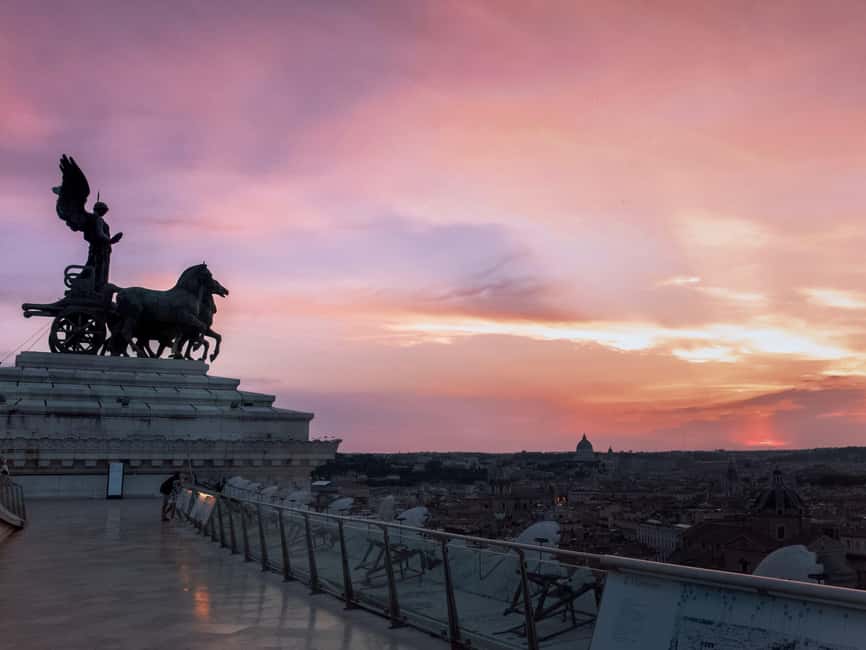
The audioguide is included, but here’s the key limitation: it works for the terrace viewpoint only. It does not include the other museum areas. That means your plan should be simple. Use the audio while you’re looking outward. Treat the lower spaces as more self-directed reading.
Also note the practical requirement: the listing says headphones are not included, so bring your own. This matters more than people think. Rome is loud at street level and pleasantly busy near viewpoints, so you’ll want clear audio to follow along without competing noise.
Language coverage is strong: Chinese, German, English, French, Italian, Russian, and Spanish. In other words, if you’re traveling with language needs, you should have a comfortable match.
If you like structure, the audioguide turns the terrace into a learning tool rather than just a photo stop. You’ll be able to connect what you’re seeing to names and context, and that makes the panoramic sweep feel less random.
Museum time: Central Museum of the Risorgimento and Palazzo Venezia
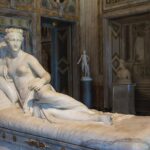
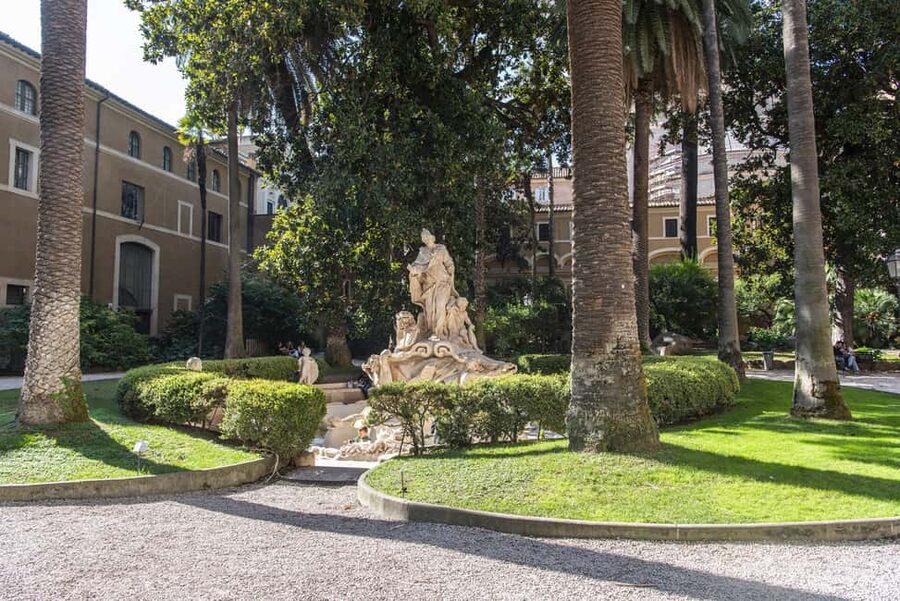
One smart part of this experience is that it doesn’t force you to choose between views and context. Your ticket includes access to the Central Museum of the Risorgimento and Palazzo Venezia, plus the Grand Garden of Palazzo Venezia and temporary exhibitions.
Here’s how I’d think about it when you plan your day: the terrace is the big wow. The museums are where you understand the “why” behind the big white structure. The museum focus is on the Risorgimento era, which is directly tied to the monument’s symbolic purpose. That connection helps you feel less like you’re sightseeing randomly and more like you’re tracing a theme.
What to expect practically: you’ll move through indoor spaces (and at times you might choose to step into the garden areas). The inclusion of temporary exhibitions is a bonus because it adds variety without extra cost. If you’re the kind of traveler who gets bored by repetitive museum rooms, this is one way to keep the experience fresh.
Remember: these museum pieces do not come with an audioguide as part of this ticket. You’ll be using the signs and displays on-site. That’s fine for most visitors, but it’s worth knowing so you don’t expect narration everywhere.
Upper Portico and the Vittoriano layout: a good self-paced strategy
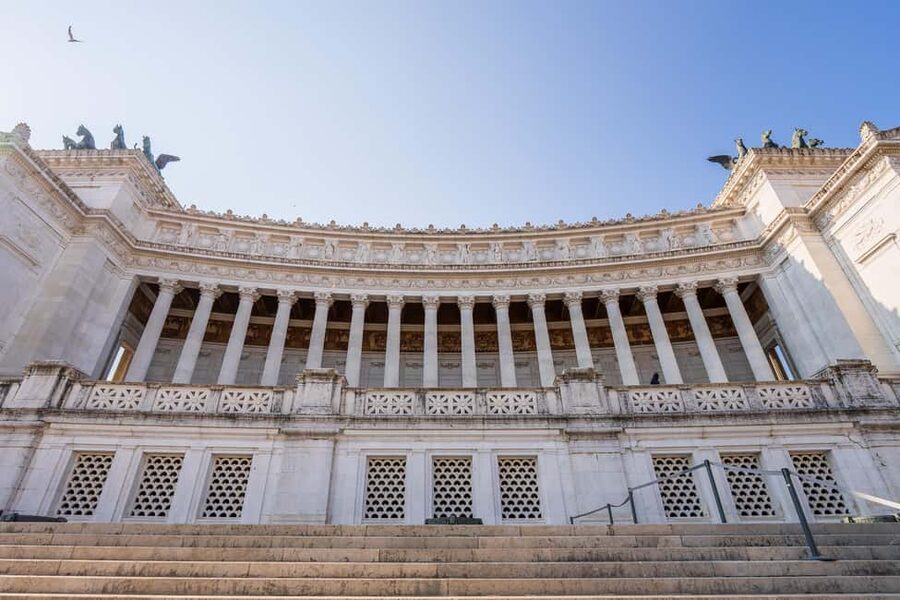
The included Upper Portico is a useful stop because it bridges the monument experience and your ascent to the terrace. You can treat it like a checkpoint: once you’re up there, you’ll have a clearer sense of where you want your time to go next.
A good self-paced strategy works like this:
- Spend enough time inside to feel the scale of the monument and understand its tribute role.
- Plan to reserve your most patient, slower walking for the terrace, where you’ll want to take in multiple directions.
- Use the museum access to add meaning to the sights, not to cram everything.
Since you’re on your own, your biggest challenge is simply pacing. If you rush the lower parts, you may feel like the terrace is the only real moment. If you overstay in the museums, you may end up feeling rushed above. I’d aim for a rhythm: learn below, look above.



Value and price: is $40 actually fair for what you get?
At around $40 per person, this is best viewed as a bundle: you’re paying for priority access, the terrace elevator experience, and multi-site entry. The main value isn’t just the panoramic views. It’s that you get a structured reason to go there and multiple included areas connected by theme.
If you were to do only a terrace-style viewpoint ticket, you’d still pay for access to the monument and panoramic level. What makes this feel like better value is the extras: Central Museum of the Risorgimento, Palazzo Venezia, its garden, and temporary exhibitions are all included. Even if you only spend a moderate amount of time in the museums, you’re not leaving money on the table by ignoring them.
Two practical value checks:
- You get priority access via the glass elevator to the top, which can matter during busy hours.
- Your ticket is valid for seven days from the selected date of visit, and it grants one access to each site. That flexibility can help if you want to move your schedule around weather.
In short: this isn’t just a photo stop. It’s a monument + museum + viewpoint package.
Tickets, timing, and what to do on the day of your visit
There’s no designated meeting point. Instead, you get your tickets delivered by email and WhatsApp one day before your visit. That’s actually convenient if you hate scrambling for printouts. Just make sure your phone battery is healthy and you can access the message.
You’ll also want to think about how long the day needs. Even though the activity listing says seven days, the realistic experience is a single visit to Vittoriano plus optional time in the included museum areas. The seven-day validity means you can return within that window if you want to split things up.
Start with the viewpoint plan in mind. When you arrive, you’ll need to move through the monument before reaching the elevator and terrace. Build in time for it, and keep your shoes comfortable. Marble plus stairs is not the time to test new sneakers.
Who this experience suits best (and who should skip it)
This is a good match if you:
- Want a high-impact panoramic view with 360° coverage
- Like self-guided exploring and don’t need an in-person guide
- Care about the connection between the monument and Italy’s unification story
- Enjoy using audio to identify landmarks and get context quickly
This is likely not a good match if you:
- Need wheelchair access (it’s listed as not suitable for wheelchair users)
- Have respiratory issues and might struggle in crowded or enclosed spaces
- Travel with luggage or large bags (those aren’t allowed)
- Expect to snack during your visit (food and drinks aren’t allowed)
If you’re in the “best fit” zone, you’ll probably feel like the terrace payoff is worth the effort.
Should you book the Vittoriano Access & 360° Panoramic Terrace?
I think you should book if your Rome trip includes the big hitters and you want one of the city’s best “all-around” viewpoints. The combination of Vittoriano access, a glass elevator ride, and a terrace audioguide gives you a complete experience, not just a quick look.
Book it especially if:
- You’re comfortable exploring on your own
- You can bring headphones
- You want to connect a major monument to the story of Italy’s unification
Skip it or consider a different option if:
- You need wheelchair accessibility
- You want food-friendly flexibility
- You’re expecting the audioguide to cover everything in the museums (it only covers the terrace viewpoint)
FAQ
Do I need a meeting point?
No. There is no designated meeting point. Your ticket details are sent to you by email and WhatsApp one day before your visit.
What’s included with the ticket?
Your ticket includes access to the Vittoriano monument, Upper Portico, priority access to the Panoramic Terrace via the glass elevator, the Central Museum of the Risorgimento, Palazzo Venezia, the Grand Garden of Palazzo Venezia, and temporary exhibitions.
Is the audio guide included, and what does it cover?
Yes, an audio guide is included. It is for the terrace viewpoint only and does not include the other museums.
Do I need to bring headphones?
Yes. Headphones are not provided, so bring your own personal headphones.
How long is the ticket valid?
The ticket is valid for seven days from your selected date of visit. It grants one access to each included site.
Are food and drinks allowed?
No. Food and drinks are not allowed during the visit.
Is it wheelchair accessible?
No. This experience is not suitable for wheelchair users.