REVIEW · VALLETTA
Valletta: Self-Guided Historical Walking Tour (Audio Guide)
Book on GetYourGuide →Operated by Robert Arrigo & Sons Limited · Bookable on GetYourGuide
You control the pace in historic Valletta. This self-guided audio walk uses offline-ready maps and expert narration so you can move when you want. Valletta is a UNESCO city that feels like an outdoor museum, with fortifications, Baroque churches, palaces, and gardens packed into a walkable (but hilly) grid.
I like the star points along the route. They’re practical ideas for shopping, dining, and extra churches or museums when you want a little detour. One thing to watch: you rely on your phone setup, since you must download the app and maps first and the experience is not built for mobility issues.
In This Review
- Key Things to Know Before You Start
- Why Valletta Fits a Self-Guided Audio Walk
- PopGuide Setup: Go Offline Without Getting Stuck
- Your Valletta Route: Stops That Actually Mean Something
- Tritons’ Fountain to Valletta Waterfront
- Upper Barrakka Gardens: Views + Calm
- Auberge de Castille, St. James Cavalier, and Malta Stock Exchange
- Fort Saint Elmo: Fortifications Up Close
- Hastings Gardens and St. Michael’s Bastion
- Lower Barrakka Gardens and the Siege Bell War Memorial
- Manoel Theatre: A Cultural Landmark Mid-Walk
- Marsamxett Harbour and Old Marine Police Station
- Mediterranean Conference Centre: Old Meets New
- Merchants Street, Republic Square, and the Civic Heart
- St George’s Square and the Grand Master’s Palace Area
- St John’s Co-Cathedral, the Oratory, and Caravaggio
- St Paul’s Pro-Cathedral and the Street That Connects Worlds
- Basilica of Our Lady of Mount Carmel
- Victoria Gate and the Bridge Bar Finish
- Bonus Mdina Audio Tour: An Easy Second Act
- Where the Star Points Pay Off (Food, Shopping, Small Detours)
- Price and Value: Is $8 Actually Fair?
- Who This Tour Suits Best (and Who Should Skip)
- Quick Tips to Keep It Smooth
- Should You Book This Valletta Self-Guided Audio Tour?
- FAQ
- How long is the Valletta audio walk?
- Does the audio guide work offline?
- What app do I need to use the audio guide?
- Which languages are available?
- Is the Mdina audio tour included?
- Is admission to sites included in the price?
- What should I bring to make sure the audio works?
- Is the tour suitable for people with mobility impairments?
Key Things to Know Before You Start

- Offline audio after you download: once the maps/content are saved, you can keep going without Wi‑Fi.
- A route designed for about 3–4 hours: you’ll hit the main highlights without feeling like you need all day.
- Audio points tied to major sights: from Tritons’ Fountain to St. John’s Co‑Cathedral and Victoria Gate.
- Bonus Mdina audio tour included: you can add another day of stories beyond Valletta.
- Navigation support is more map-based than step-by-step: you still need to follow streets using the downloaded map.
- Headphones are required: audio doesn’t come with them, so bring your own.
Why Valletta Fits a Self-Guided Audio Walk
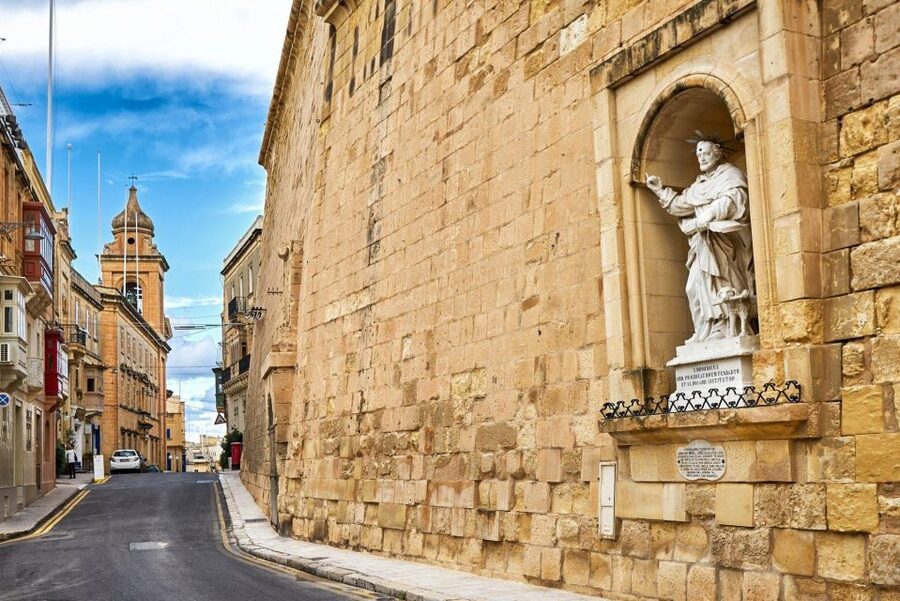
Valletta is the kind of city where “wrong turns” can be fun—because every street seems to lead to another church façade, a grand doorway, or a view over the harbors. With audio, you don’t need to wait for a guide or join a pace you can’t match. You can pause for photos, sit in a garden, and get moving again when you feel like it.
The audio format also works well here because Valletta rewards context. When you hear why a bastion was built or what a cathedral’s art and chapels meant, the buildings start to click. And since Valletta is described as spanning almost five centuries, the city constantly shifts style—mid‑16th century Baroque, later architecture, and modern landmarks all in the same walking day.
You can also read our reviews of more tours and experiences in Valletta.


PopGuide Setup: Go Offline Without Getting Stuck

This tour runs through the PopGuide app on your own smartphone (Android or iOS). I strongly recommend you treat setup like part of the tour, not a chore.
Here’s how it works, in practical terms:
- You download the PopGuide app from the store.
- After booking, you get a username/password activation link. Advance bookings get it sent the day before; same-day bookings get it after you purchase.
- You must download the required map (and the audio content) on Wi‑Fi first.
- Once the content is downloaded, you won’t need internet for the audio during your walk.
A couple of real-world cautions to plan for:
- If you’re traveling in a group, make sure everyone can actually finish downloading before you split up. Some people have had trouble getting the download to complete.
- This isn’t a live-guidance system. You’re following a suggested route plus a map, so I’d avoid relying on a “take me there” style button. Keep your downloaded map handy and be ready to use common sense street navigation.
Bring a charged phone and headphones. If your battery gets low, you’ll feel it fast.
Your Valletta Route: Stops That Actually Mean Something
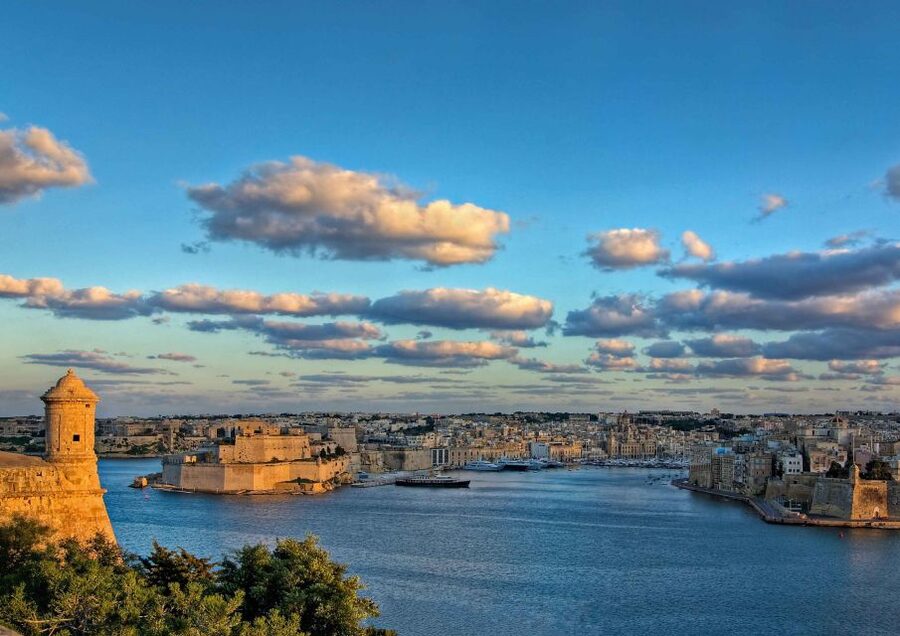
The walking route is designed to cover Valletta’s main highlights in about 3–4 hours. You’re not trying to “see everything.” You’re trying to see the important layers: harbor defense, Knights of St. John power, church wealth, and the city’s public squares.
Below is how the experience plays as you move through the city’s key zones.
Tritons’ Fountain to Valletta Waterfront
Your route starts with an introduction point at Tritons’ Fountain—a good opener to get oriented before you get swept into the streets. From there, the tour guides you toward the Valletta Waterfront.
Why this first section matters: it sets your bearings. You’ll start understanding how Valletta’s story is tied to the sea—defense, trade, and the harbor life that shaped the city.
Upper Barrakka Gardens: Views + Calm
Next up: Upper Barrakka Gardens. This is the kind of stop where you’ll want to slow down. The gardens give you a breather while the audio explains what you’re looking at, so the viewpoint turns from just pretty scenery into real context.
If you only have one garden break in Valletta, make it this one.
Auberge de Castille, St. James Cavalier, and Malta Stock Exchange
Then the tour threads through Auberge de Castille, St. James Cavalier, and the Malta Stock Exchange area.
What I like about these stops is the mix of old power and later uses. Even if you don’t go inside any building, the narration helps you “read” the architecture—who built what, and why different structures grew around the same political center.
Fort Saint Elmo: Fortifications Up Close
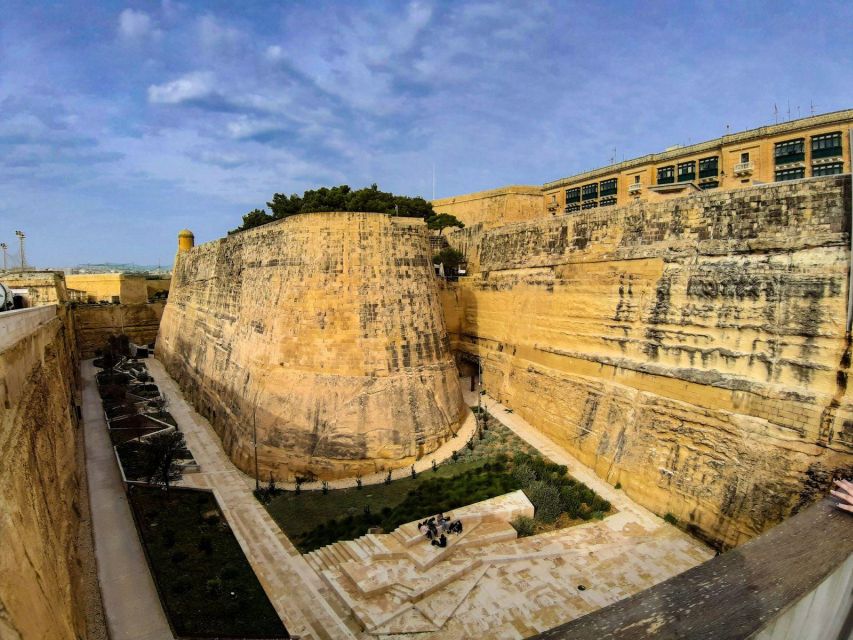
As you move on, you reach Fort Saint Elmo. This is a major anchor for Valletta’s military story. Forts are one thing when you see photos. They’re another thing when you’re standing near the walls and realizing how strategic this spot was.
Expect more steps and more uphill angles here. It’s a good stretch break point because audio keeps you from getting bored, but your legs still do the work.
Hastings Gardens and St. Michael’s Bastion
After the fort, the route takes you through Hastings Gardens and toward St. Michael’s Bastion.
This is one of those “defense plus scenery” zones. You’re not just walking; you’re viewing the city’s defensive mindset. If you like viewpoints, this pair of stops gives you that Valletta feel in the middle of your walk.
Lower Barrakka Gardens and the Siege Bell War Memorial
Then you hit Lower Barrakka Gardens and the Siege Bell War Memorial.
This section adds emotion and modern memory to the earlier military focus. It’s a nice shift: your brain moves from “how they protected the city” to “how the city remembers.”
Manoel Theatre: A Cultural Landmark Mid-Walk
Next is Manoel Theatre. Even when you only catch it from the outside, it helps the day feel more like a living city rather than a museum set.
It’s also a helpful way to re-center your energy before you head into the busier central streets.
Marsamxett Harbour and Old Marine Police Station
The route continues toward Marsamxett Harbour, with mention of ferry service, and the Old Marine Police Station area.
Why this works: Valletta isn’t just one harbor view. You start thinking in terms of ports and movement—how people and goods moved, and how the city organized around the water.
Mediterranean Conference Centre: Old Meets New
You’ll then pass by the Mediterranean Conference Centre, which acts like a modern punctuation mark. In a city full of historic stone, it’s useful to see how Valletta continues to function now.
If you’re the type who gets “only history” fatigue, this stop helps.
Merchants Street, Republic Square, and the Civic Heart
From there, the route moves through Merchants Street—a practical shopping-and-stroll kind of lane—and into the big civic area: Republic Square.
Near Republic Square, you’ll also see the National Library of Malta, the New Parliament Building, the Royal Opera House, and Palazzo Ferreria.
This is where Valletta’s power shifts from knightly fortifications to institutions and public life. If your feet are starting to protest, this section is good because you can take it slower—large spaces, major landmarks, and lots of places to pause.
St George’s Square and the Grand Master’s Palace Area
Next is St. George’s Square and the area associated with the Grand Master’s Palace.
This stop connects the dots between architecture and authority. You’ll feel it most if you listen closely to the narration while you stand where the political story was physically built.
St John’s Co-Cathedral, the Oratory, and Caravaggio
The tour then lands at St. John’s Co‑Cathedral, plus the Oratory and the Caravaggio paintings.
This is one of the big “don’t miss” moments. The audio helps you understand what you’re looking at—especially since art and religious symbolism can be hard to read without context. If you’re planning to spend extra time anywhere, give this section more.
St Paul’s Pro-Cathedral and the Street That Connects Worlds
Next comes St. Paul’s Pro‑Cathedral (Anglican Church), followed by Strait Street.
This is where Valletta shows its mixed identity. The change from a Catholic-centered site to the Anglican pro-cathedral is a reminder that Malta’s story is not one single thread. Strait Street then keeps the momentum going with the feel of a street that lives with daily life and architecture.
Basilica of Our Lady of Mount Carmel
You’ll also reach the Basilica of Our Lady of Mount Carmel.
This is a good stop for people who like religious architecture, but also for anyone who wants to keep the walk grounded in recognizable local devotion rather than just monuments.
Victoria Gate and the Bridge Bar Finish
Finally, the route ends around Victoria Gate and the Bridge Bar area.
Finishing here makes sense because you’re at a natural “edge” of the city. It’s an easy point to wrap up, check your phone battery, and decide if you want to end right now or keep exploring on your own.
Bonus Mdina Audio Tour: An Easy Second Act
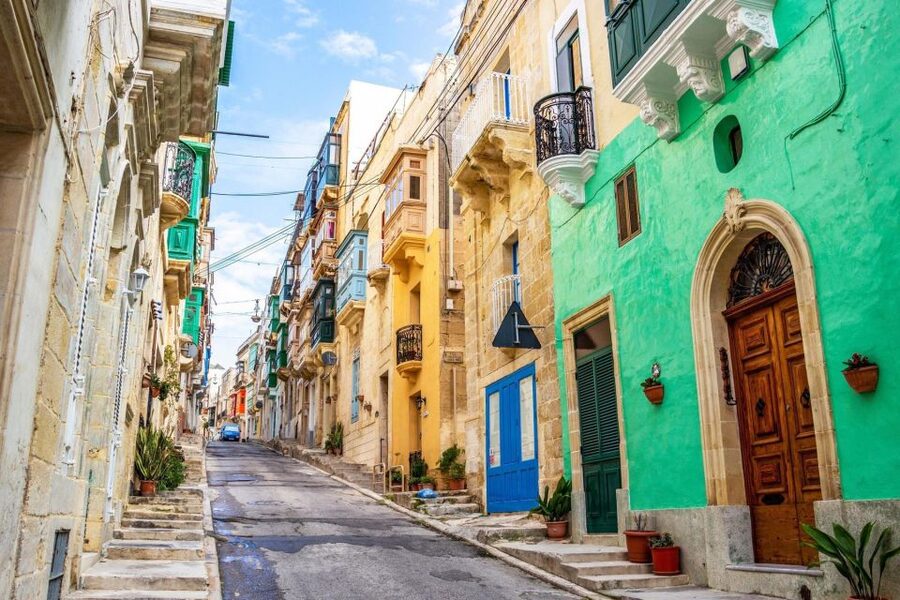
A big reason this purchase can be more than a one-and-done walk is the included complimentary audio-guided tour of Mdina.
Mdina tends to work well as a follow-up because it feels calmer and more storybook. If you like the way Valletta’s narration gives shape to buildings, Mdina gives you more of that same context—just in a different mood. Even if your Valletta day runs long, you can spread this part over another time.
Where the Star Points Pay Off (Food, Shopping, Small Detours)
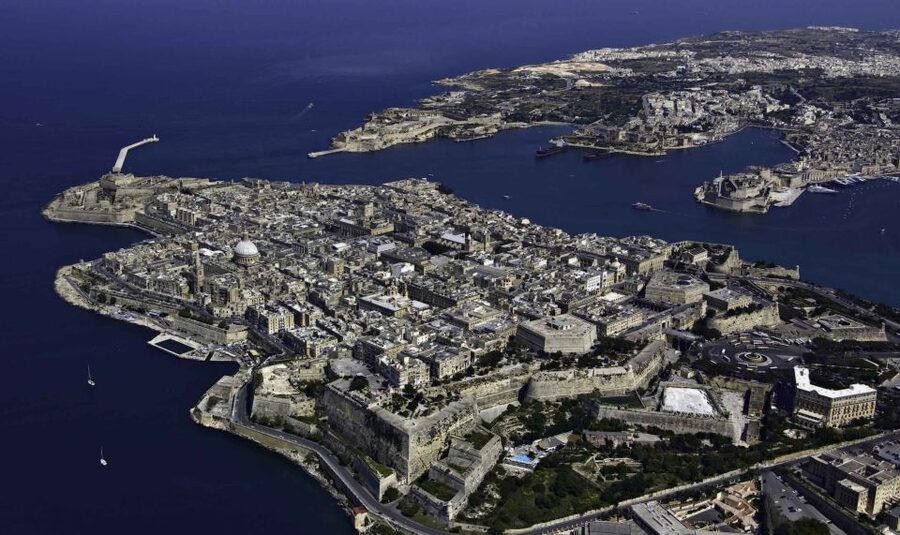
I like that the route includes star points with suggestions for:
- shopping stops,
- restaurants,
- and extra points of interest like museums and churches.
These are useful because Valletta can feel like a choose-your-own-adventure city. Without that kind of guidance, you might wander randomly until you’re hungry. With star points, you get quick options that fit the moment—so you’re not planning a whole second itinerary while you’re already tired.
Just keep expectations realistic: star points help you make decisions, but you’re still navigating streets yourself.
Price and Value: Is $8 Actually Fair?
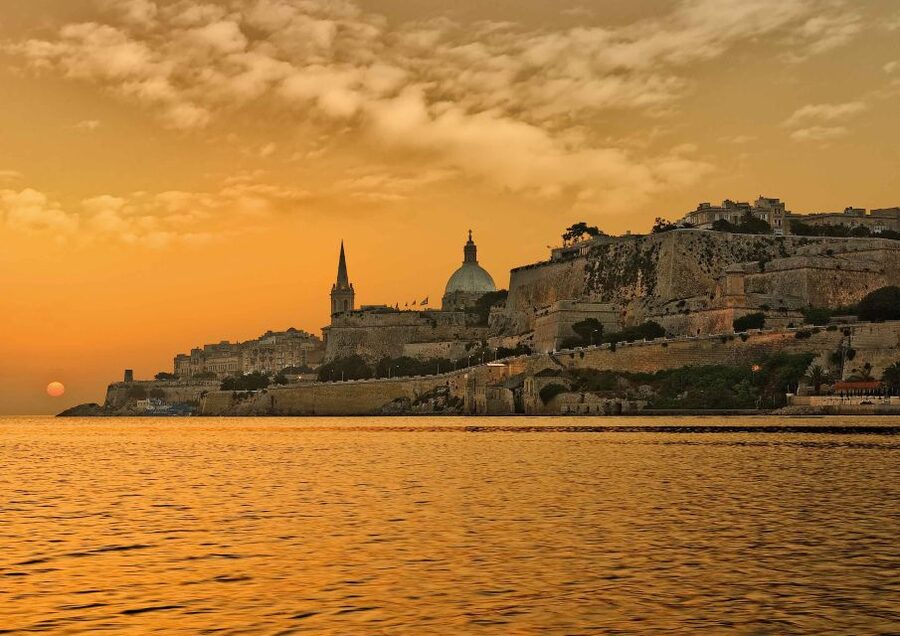
For $8 per person, you’re not paying for a live guide. You’re paying for:
- the PopGuide audio experience,
- downloadable maps and narrated stops,
- text explanations in 5 languages,
- and the bonus Mdina audio tour.
That’s good value if you like self-paced travel and you’re comfortable using your phone for navigation. It’s less good value if you expected someone to physically walk you through turn-by-turn or if you know you struggle with app downloads.
Also, admission to specific sites isn’t included. That doesn’t make the tour bad—it just means the $8 is about context and route value, not entry tickets.
Who This Tour Suits Best (and Who Should Skip)

This experience fits you well if:
- you want to explore on your schedule,
- you like historical context you can listen to while walking,
- you’re good with a map and a smartphone.
It’s not suitable for people with mobility impairments, since the experience is built around walking through Valletta’s streets and stops.
If you’re the type who hates tech setup, do a small test at home first: can you download apps quickly, and does your phone battery handle an hour of screen time? Valletta is gorgeous, but the walk won’t pause for slow downloads.
Quick Tips to Keep It Smooth
- Download PopGuide and the map over Wi‑Fi before you start your walk.
- Bring headphones and a fully charged smartphone.
- Plan for a realistic walking pace. The route is designed for about 3–4 hours, and Valletta has hills and stairs.
- Use the downloaded map even if you’re following the audio. The experience is guided by audio points along a suggested route, not constant turn-by-turn prompts.
- If you’re traveling in a group, make sure each person has working access to the app before you split up.
Should You Book This Valletta Self-Guided Audio Tour?
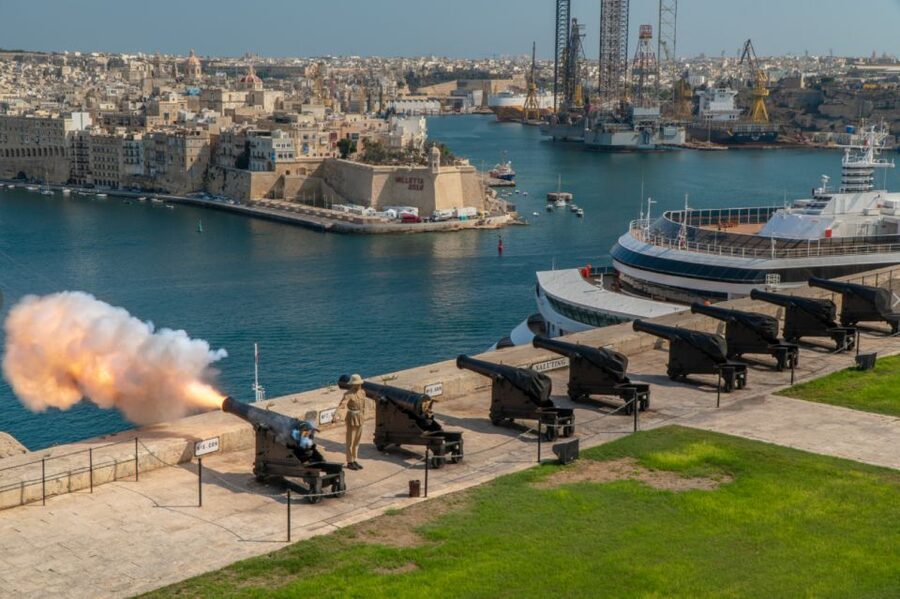
Yes, I’d book it if you want a low-cost way to understand Valletta’s main landmarks without hunting for explanations online. The offline audio, the 3–4 hour focus, and the included Mdina bonus are a strong combo for first-timers and history-lovers alike.
I would hesitate if you:
- expect a live-guide style experience,
- rely on perfect phone navigation,
- or know you often have trouble downloading app content.
If your phone tech is solid and you like wandering with a plan, this is a practical way to get Valletta’s stories into your day—at a price that won’t wreck your budget.
FAQ
How long is the Valletta audio walk?
The suggested route is designed to take about 3–4 hours to cover the main highlights at a comfortable pace.
Does the audio guide work offline?
Yes. You need internet to download the app and maps/content. Once that content is downloaded, you don’t need internet or Wi‑Fi to access the audio during the walk.
What app do I need to use the audio guide?
You use the PopGuide app on your smartphone. After booking, you’ll receive a username and password to activate your audio guide.
Which languages are available?
The audio and text are available in English, French, German, Italian, and Polish.
Is the Mdina audio tour included?
Yes. A complimentary audio-guided tour of Mdina is included with every purchase.
Is admission to sites included in the price?
No. Admission tickets to any sites are not included.
What should I bring to make sure the audio works?
Bring headphones and a charged smartphone. You’ll also need to download the app and maps before going offline.
Is the tour suitable for people with mobility impairments?
No. This walking tour is not suitable for people with mobility impairments.