REVIEW · TOULOUSE
Toulouse : Walking tour with audio guide à télécharger
Book on GetYourGuide →Operated by Toulouse Welcome - CityTour · Bookable on GetYourGuide
Three hours of Toulouse, without a tour group. This self-guided audio tour lets you wander the Pink City on your schedule, starting at Place du Capitole and hearing stories as you pass major sights.
I like how it mixes big monuments with the everyday feel of Toulouse, including stops tied to Saint-Sernin Basilica and Saint Etienne Cathedral. I also appreciate the practical setup: download the audio to your phone and use it offline, so you are not hunting for signal while you walk.
One main drawback: the experience depends heavily on the app and your download working smoothly. If the link fails or the audio is too short for your taste, you may finish the route wishing you had gone with a live guide instead.
In This Review
- Key highlights to know before you go
- Walking tours that fit your pace in Toulouse
- Starting at Place du Capitole: where the tour makes its case
- Saint-Sernin Basilica: the kind of stop that rewards pausing
- Saint Etienne Cathedral: spotting contrasts in Toulouse’s look
- Place du Capitole again, in a different light
- How the treasure-hunt element helps families
- Two thematic tours: why that can be better than one
- Offline audio: the big practical advantage
- Price and value: $11 for audio, but check what you expect
- Timing and navigation: plan for a calmer pace
- Language quality: great on paper, variable in practice
- What kind of traveler should book this?
- Should you book this Toulouse audio walk?
- FAQ
- Where does the tour start?
- How long is the audio walk?
- Is this a self-guided experience or do I meet a guide?
- Can I use the audio guide offline?
- What attractions are included?
- Are there multiple tours in the same booking?
- What languages are available?
- Is the experience wheelchair accessible?
Key highlights to know before you go
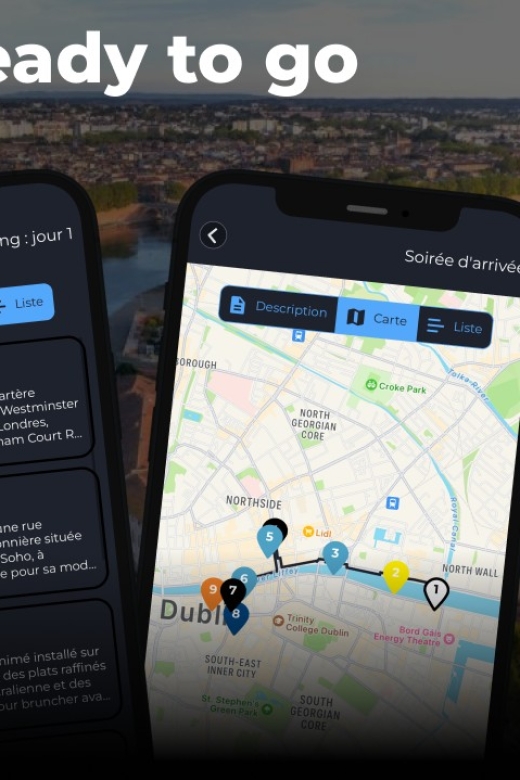
- Offline-friendly audio: download to your smartphone so you can walk without data stress.
- Two thematic tours in one purchase: more coverage without doubling the time.
- Landmarks plus street-level atmosphere: the route aims to connect monuments to local daily life.
- Family treasure-hunt style adventure: the tour is designed to keep kids interested while adults listen.
- Many language options: French, English, Spanish, Italian, German, Russian, Chinese, Japanese.
Walking tours that fit your pace in Toulouse

Toulouse is the kind of city where a group tour can feel like a speedrun. This downloadable audio guide approach changes that. You pick your route within the two themed tours, press play when you want, and pause when the light is good or the line for a café seems worth it.
At its best, you get that walking-tour rhythm: you look up at a façade, then the audio explains what you are seeing and why it matters. The “Pink City” nickname is not just marketing either. Toulouse’s brick buildings give the streets a warm tone, and the audio nudges you toward architectural details you might otherwise miss while you are just trying to get from A to B.
You should also know what you are buying. This is not a live guide standing in front of you. If you want a lot of back-and-forth, or if you like long, story-heavy explanations, the audio format can be hit-or-miss.
Still, for the price point and the time on foot, it can be a good way to cover a lot of ground without committing to a fixed schedule.
You can also read our reviews of more tours and experiences in Toulouse.



Starting at Place du Capitole: where the tour makes its case
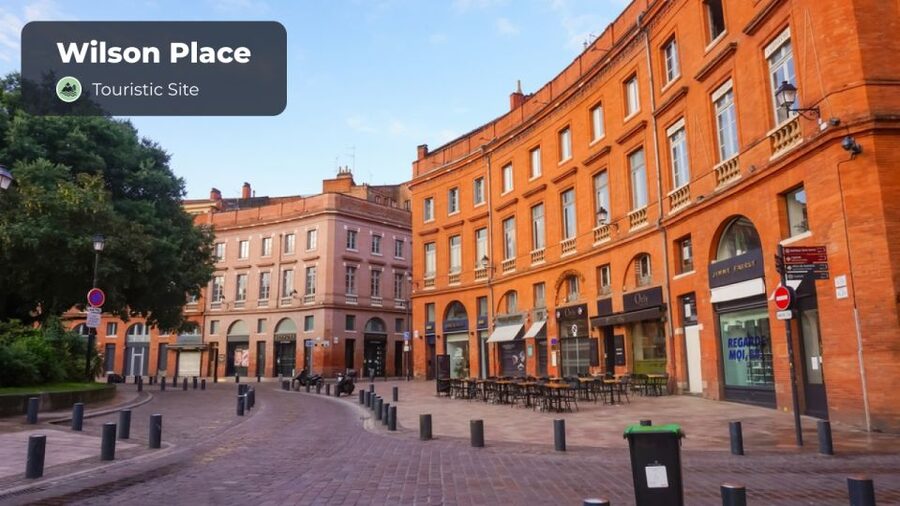
Most good Toulouse days begin with Place du Capitole. It is central, easy to orient yourself, and visually it sets the tone for the city’s identity and civic pride.
In this experience, you start there, then the audio pushes you outward through the historic core. Even if you are not obsessing over medieval details, the value here is that the narration gives you a reason to look at what you are passing: squares, streets, and landmark architecture.
Practical benefit for you: because you begin at a major hub, you can recover if you accidentally lose time. You can reset and get back on track without a complicated logistics puzzle.
The only real “watch out” is audio timing. The route is built for about 3 hours, and the audio clips are short enough that you may feel rushed if you stop to read everything in the real world. If you enjoy lingering at statues, doorways, and plaques, you may want to add extra time.
Saint-Sernin Basilica: the kind of stop that rewards pausing
One of the big anchors of the route is Saint-Sernin Basilica. In a walk like this, it matters because the audio is not just telling you where to go. It is meant to help you interpret what you see: architecture, historical events, and the people tied to the site.
What you can do with this stop:
- Step back from the façade so you can actually register shapes and construction.
- Listen once, then listen again while you stand in a different angle. Audio tours often reveal details more than once.
Potential drawback: audio tours sometimes compress what a guide would expand. If you want a long tour of meaning and context, you may have to fill gaps with a book or a quick online lookup after your walk.
Saint Etienne Cathedral: spotting contrasts in Toulouse’s look
Another key sight on the audio route is Saint Etienne Cathedral. Toulouse’s visual identity can feel like layers: older styles sit next to newer choices, and the city keeps evolving.
This matters because the tour is trying to make you aware of that mix. You do not just walk past buildings; the audio gives you a way to compare eras by pointing out architectural details and why they changed.
For you, this stop is a good “listening test.” If you find the narration useful, you will likely enjoy the rest of the walk. If the audio feels thin, you may want to treat the tour more like a scenic route with highlights than a deep historical briefing.
Place du Capitole again, in a different light
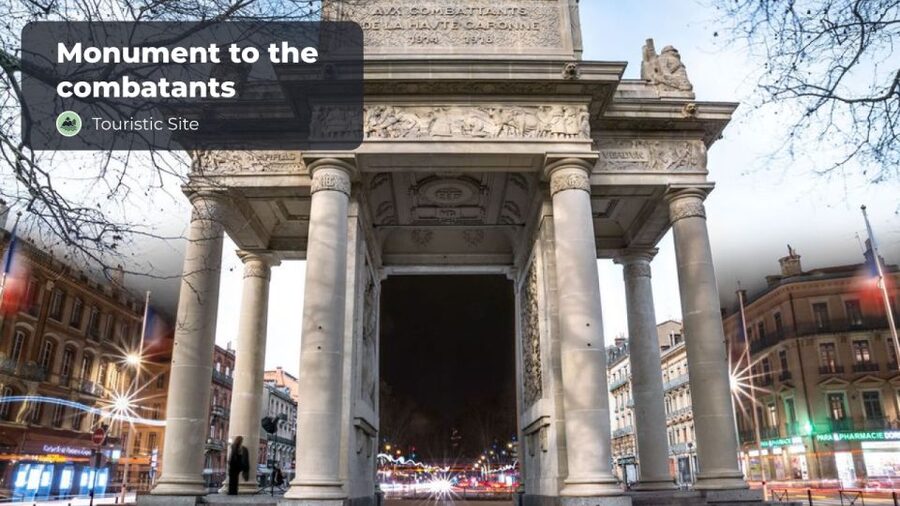
Yes, you start at Place du Capitole, but the tour style encourages you to see it as a reference point. You head out, you notice other squares and streets, then you come back with new context.
That is how a self-guided walk can work better than a timed guided tour: you build your own sense of the city’s “map language.” Toulouse has repeating cues—brick tones, civic spaces, church silhouettes—and the audio helps you connect them.
If you are walking with kids, this is also a strong moment to reset attention. Make it a quick challenge: find the details the audio mentioned, then move on.
How the treasure-hunt element helps families
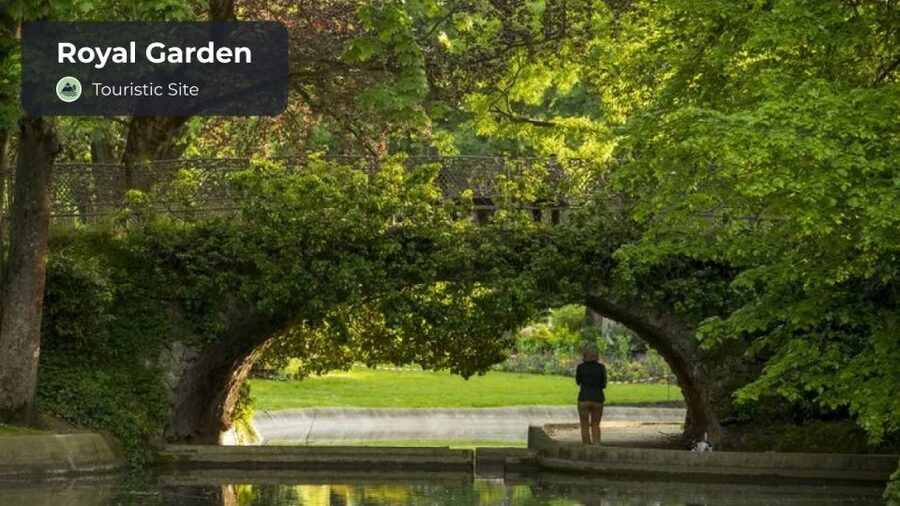
The tour is designed to be a fun adventure for children, including an interactive treasure hunt style experience. That kind of structure is a practical win in a city like Toulouse, where kids can get bored if the day becomes only monuments and explanations.
If you are traveling with family, here is how to make it work:
- Don’t try to finish every fact. Let the kids lead the play.
- Use the audio as the “reward” for the next clue or discovery.
- Build short stops around the treasure-hunt prompts instead of long lectures.
Is it a full-on game? The description frames it as interactive, but the rest of the tour is still walking plus narration. You should expect an audio-led adventure more than a separate activity with staff running around.
Two thematic tours: why that can be better than one
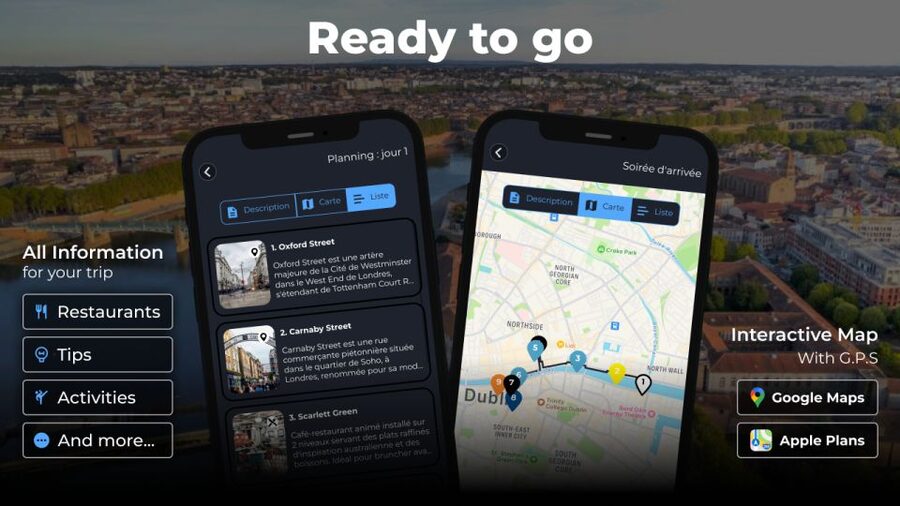
The experience includes 2 thematic tours and more than 3 hours of audio, with the freedom to choose your route. That matters because it gives you options based on your mood and energy.
For example, you might:
- Do one theme focused on major monuments and architecture.
- Use the second theme to follow streets, squares, and daily life cues like markets and cafés.
A key value point: you are paying for time on foot plus a way to interpret it. If you only had one short audio route, you could end up walking the same streets twice anyway. Two tours can reduce that “looping” feeling.
Offline audio: the big practical advantage
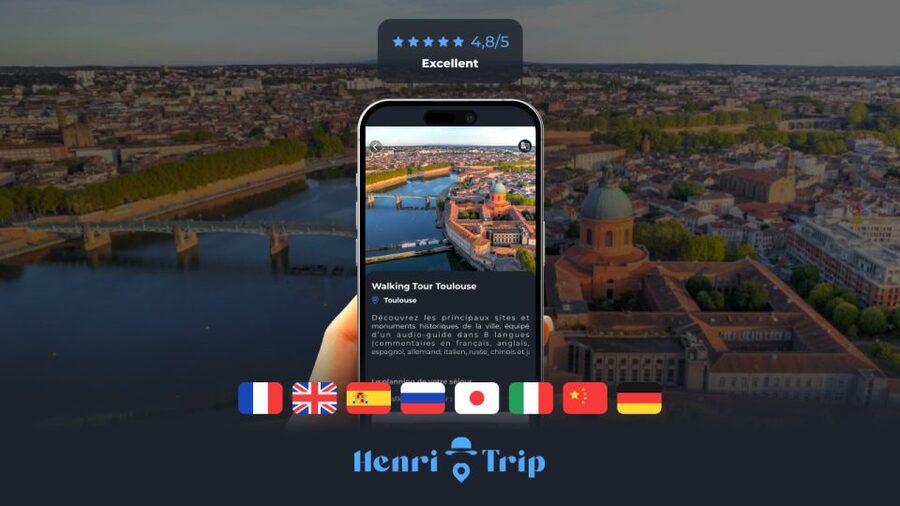
The audio guide is available offline after you download it to your smartphone. That is not just convenience. In Toulouse, you will be moving through tight streets and busy areas where you may have spotty coverage.
Offline functionality means:
- You can start in the morning without worrying about data.
- You can keep walking even if you miss a signal step.
- You can pause and resume without loading screens.
One thing to keep in mind: the download step is also where things can fail. So, if you are the type who likes to travel fast, give yourself a buffer. Download before you leave your hotel, and test that audio plays with headphones or speaker before you step into the walking route.
Price and value: $11 for audio, but check what you expect
At about $11 per person for a self-guided experience, this can feel like good value if you are happy with audio-guided highlights rather than a deep, live lecture.
Where the value likely lands best:
- You like walking and you want context without paying for a full guided tour.
- You travel in a flexible way, not a strict schedule.
- You are going with family and want structure for kids.
- You want offline audio for the core sights like Saint-Sernin Basilica and Saint Etienne Cathedral.
Where the value may disappoint:
- You expect long-form storytelling at each stop.
- You want strong language quality and detailed explanations.
- You rely on technology working perfectly on the first try.
That last point is not minor. Several issues show up in the types of failures people report: links not working, map/navigation and language quality concerns, short commentary that feels too skimmed, and cases where audio access ends sooner than expected. In a live tour, someone would fix it. Here, you are the fixer.
Timing and navigation: plan for a calmer pace
The tour is built around a 3-hour walk window. It is the right length to get a solid sampling of central Toulouse without burning your whole day.
Navigation is described as useful, but self-guided means you still have to manage your own walking rhythm:
- If you stop for photos often, you might run ahead or lag behind the audio.
- If you pause to read signs, you might feel the clips are over in seconds.
- If your phone battery is low, audio playback becomes a fragile link.
My advice: bring a small power bank and keep an eye on battery. That is the kind of “boring” prep that saves your day.
Language quality: great on paper, variable in practice
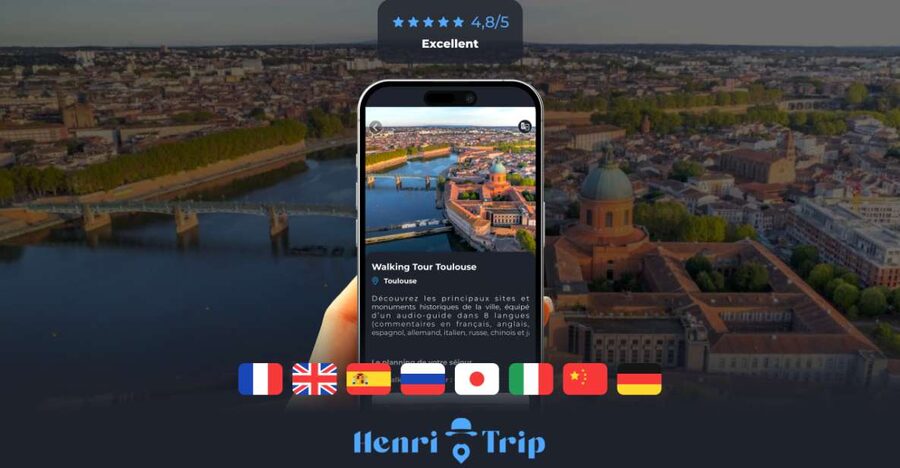
The audio guide is offered in many languages: French, English, Spanish, Italian, German, Russian, Chinese, and Japanese. That’s genuinely helpful, especially if you are not comfortable relying on English narration.
Still, audio quality can vary by language and by how the content was written. Some people may find the English level not as strong as they want, and others may feel the factual detail is not deep enough at each stop.
So, if language accuracy matters a lot to you, choose the language you trust most. If you are unsure, consider bringing a small pocket guide or saving a few quick reference pages on your phone for any spots where you want more detail.
What kind of traveler should book this?
This works well if you:
- Want a self-led walk that starts at Place du Capitole and covers major sights.
- Prefer offline audio and flexible pacing over a fixed group schedule.
- Need something family-friendly with an activity layer like a treasure hunt.
- Are okay with audio clips that focus on key points rather than full lectures.
It is probably not the best fit if you:
- Want a historian-style breakdown at every stop.
- Are easily frustrated when an app or download step fails.
- Need long, narrative explanations and lots of depth per location.
In other words, think of it as a walk with guided highlights. If you want a deep academic tour, you may want a live guide instead.
Should you book this Toulouse audio walk?
If you can download the audio ahead of time and you are the type who likes to wander, this can be a smart, low-cost way to experience central Toulouse and learn the basics behind standout sights like Saint-Sernin Basilica and Saint Etienne Cathedral.
If you are traveling during a time crunch, or you know you hate app-based experiences, weigh the risk. The whole thing is only as good as the phone download and playback. At $11, it is reasonable to try. But do not treat it like a guaranteed substitute for a live guide if you are hoping for detailed, long explanations.
If you do book, I’d do one thing first: download the audio on Wi-Fi before you go, then test playback while you are still in a calm spot. That small step can turn a good walk into a great one.
FAQ
Where does the tour start?
The starting location is Place du Capitole in Toulouse.
How long is the audio walk?
The duration is about 3 hours.
Is this a self-guided experience or do I meet a guide?
It is a self-guided walking tour with an audio guide you download to your smartphone.
Can I use the audio guide offline?
Yes. Offline functionality is included, so you can listen without relying on mobile data while walking.
What attractions are included?
The tour includes iconic Toulouse sights such as Saint-Sernin Basilica, Place du Capitole, Saint Etienne Cathedral, and other must-see places along your chosen route.
Are there multiple tours in the same booking?
Yes. It includes 2 thematic tours and more than 3 hours of audio guides.
What languages are available?
The audio guide is available in French, English, Spanish, Italian, German, Russian, Chinese, and Japanese.
Is the experience wheelchair accessible?
Yes, it is listed as wheelchair accessible.