REVIEW · AGRIGENTO
Agrigento – Valley of the Temples – audio guide
Book on GetYourGuide →Operated by ITGUIDES · Bookable on GetYourGuide
Your phone can guide you through Greek Sicily.
This Valley of the Temples audio guide turns the ruins into a follow-along story, with geo-located points of interest and audio recordings in your language, all through the ITGUIDES app.
I especially like the mother-tongue narration and the fact that it is georeferenced—meant to support you as you move through the park. Setup is straightforward, and you can even start getting oriented before you go, so your first look at the temples feels less like guesswork.
One possible drawback: the audio chapters are not very long. If you expect a long, teacher-style explanation at every stop, you may feel like you could have learned much of it from general reading.
Key takeaways before you download
- Geo-located stops help you stay oriented without constantly checking your map
- Native-language audio is available in Italian, English, French, Spanish, and German
- 11 point-of-interest descriptions plus an intro keep the route structured
- Easy setup in the ITGUIDES app with a redemption code
- Works on your own schedule since it is fully self-guided
- No expiration: you can use it for a year after purchase
In This Review
- Valley of the Temples: 11 geo-guided stops that keep you on track
- Price and value: $4.70 for a year of self-guided temple storytelling
- ITGUIDES setup: simple redemption, and you can start before you arrive
- How geolocation changes the whole experience (in a good way)
- What you’ll learn: temples, deities, and rites—without turning it into homework
- Photos and illustrations: using media to make worn stone legible
- Timing your visit: plan for sun, and consider golden hour
- Self-guided reality check: flexibility, but no live answers
- Should you book this Valley of the Temples audio guide?
- FAQ
- Is there a meeting point for this audio guide?
- What does the audio guide cost?
- What’s included in the purchase?
- Which languages are available?
- Do I need internet or Wi‑Fi to use it?
- Does the audio guide expire?
- Is the entry ticket included?
Valley of the Temples: 11 geo-guided stops that keep you on track

The Valley of the Temples in Agrigento is big enough that you can lose your sense of direction fast, even if you know what you came to see. This audio guide solves that problem with a simple idea: you get an introduction, then 11 descriptions tied to geo-located points of interest as you walk.
What that means in practice is pacing. Instead of trying to read everything on signboards (slow, and sometimes dense), you get a short chapter when you reach a relevant spot. The guide is described as completely georeferenced, so it is built to support you along the way rather than just playing randomly in the background.
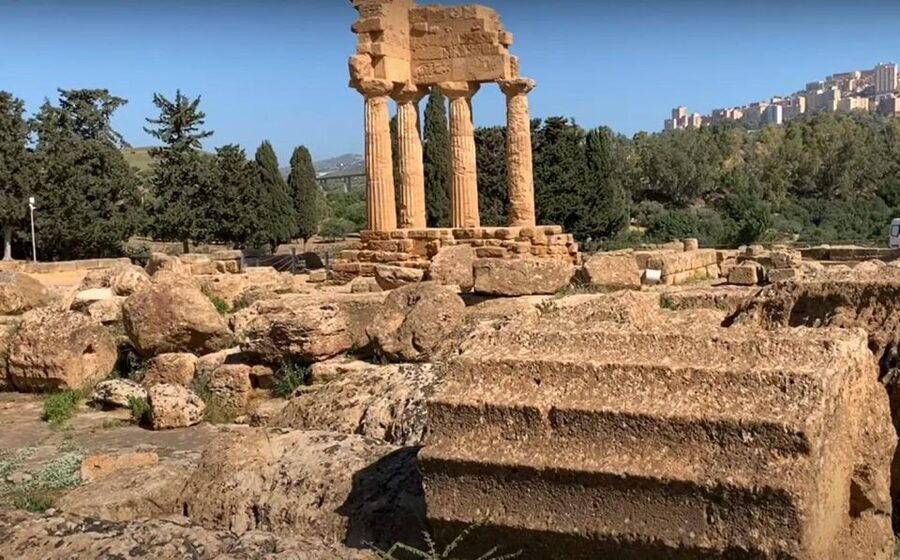
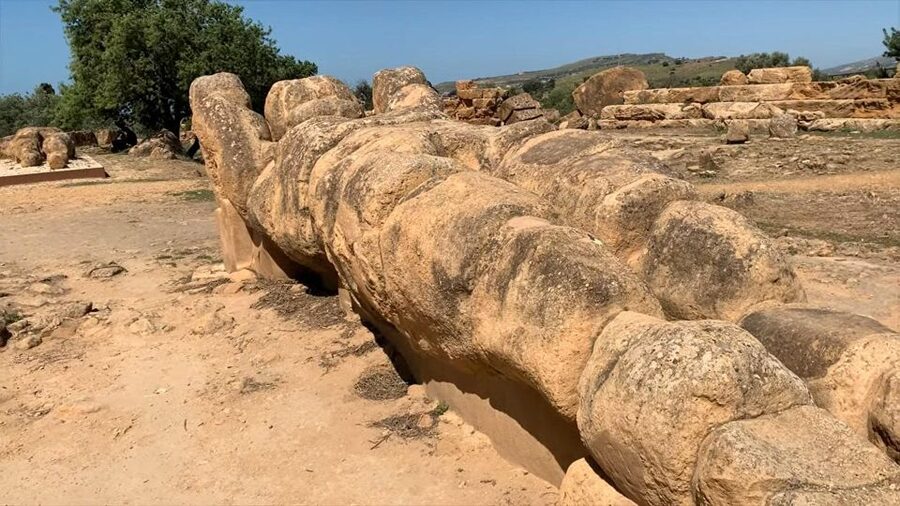
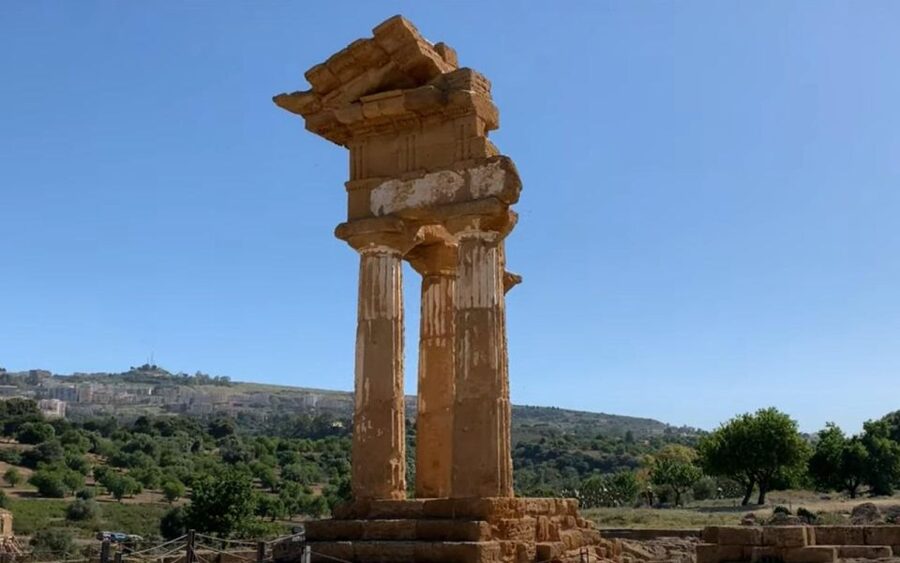
I also like that the guide focuses on what you’re actually standing near: ancient Greek temples, the deities, and the rites connected to them. Even if the stones look weathered and similar from a distance, you’re not just walking past “ruins.” You’re getting a reason to look closer.
Practical tip: plan to pause briefly at each stop. The guide works best when you give it a moment and then look up from your phone.
Price and value: $4.70 for a year of self-guided temple storytelling
At $4.70 per person, this is not the kind of add-on that needs a big justification. For the price, you’re paying for three things that matter on-site: convenience, language, and timing.
- Convenience: you don’t need to hunt for brochures or line up for explanations
- Language support: recordings are available in Italian, English, French, Spanish, and German
- Timing: the content is routed through the park visit, with geo-referenced points of interest
You also get something that feels like real value: the audio guide doesn’t expire and is valid for 365 days. That matters if your trip dates shift, or if you’re the type who likes to “save” useful travel tools for future days.
Now the honest side: you might still want a different level of depth if you’re the sort of visitor who wants a long lecture. The guide is built to be usable and not exhausting. If you already read a lot before arriving, you may find some parts feel familiar. But for most people, the price-to-effort ratio is strong.
You can also read our reviews of more tours and experiences in Agrigento.



ITGUIDES setup: simple redemption, and you can start before you arrive

There is no meeting point with this one. It is self guided, so the “tour” starts when you start your phone.
The redemption process is described as easy: you purchase, then you get a code indicated at the time of purchase, and you enter that in the ITGUIDES app on your smartphone. You don’t have to coordinate with anyone else or wait for a group.
One smart planning advantage: you can begin using the audio guide even before going there. That’s useful because it lets you build a mental map first—so when you’re in the park, you’re not entirely starting from zero. Think of it as pre-warming your brain for what you’re about to see.
Heads up: the guide recommends that you download content if you might not have reliable data coverage or Wi‑Fi signal. If you’ll rely on mobile data in a spot with weak reception, download first.
How geolocation changes the whole experience (in a good way)
Geolocation is the feature you’ll feel most. The guide is geo located, and you also get supporting media: photos and illustrations intended to help you get the best out of your visit.
In a place like the Valley of the Temples, the stones can be visually similar—especially if you’re moving quickly or the sun is flattening shadows. A georeferenced guide acts like a built-in nudge: it supports you along the way by connecting the audio content to where you are standing.
That’s why I think this audio format works well for real people on real vacations, not just for tech lovers. You can walk at your own speed, and you still have structure.
Tip from the practical side: keep your brightness reasonable, headphones comfortable, and expect you’ll occasionally need to step back from the phone to actually look at the temple details.
What you’ll learn: temples, deities, and rites—without turning it into homework
The guide is clearly designed around the story behind the ruins, not just dates and architecture. You get an introduction to the history of the archaeological area, then 11 point of interest descriptions that connect what you see to ancient Greek religious life.
From the way the guide is described, you can expect the content to cover:
- the temples themselves
- the deities tied to those spaces
- the rites and religious context around them
- additional curiosities and legends, presented as side stories
That last part matters. Ruins can feel abstract until you understand what people believed and why they built these places. When the audio includes myths and legends alongside the main explanations, it turns a walk into something more like a guided conversation—just without scheduling.
One note of caution based on real expectations: the descriptions are not presented as extremely long talks. Some visitors may want deeper, longer essays at each stop. If you prefer a slow, heavy, academic style, this might feel brief.
If you want a good rhythm—stop, listen, look, move on—this fits that style nicely.
Photos and illustrations: using media to make worn stone legible
This guide doesn’t rely on audio alone. It also uses photos and illustrations to help you interpret what you’re seeing. That is more than a nice-to-have. In archaeological sites, your brain needs help connecting the “then” to the “now.”
Even when you’re close enough to see details, time and weather can hide what the original structures once looked like. Illustrations can bridge that gap, and photos can show how the site is typically viewed and interpreted.
You don’t have to stare at your phone the whole time, either. The best use is quick: listen, glance at the image, then look back at the stones with a clearer idea of what you’re trying to spot.
Timing your visit: plan for sun, and consider golden hour

The Valley of the Temples can be hot, exposed, and bright. One practical suggestion that came up is to wear light shoes and bring a hat if there is a lot of sun. That’s the kind of advice that saves your day. Dry stone plus glare can turn an enjoyable walk into a slow grind.
Timing-wise, I like this guide for visits that aren’t rushed. One recommendation that stands out is to visit around sunset. The park’s long views and open space suit a slower pace, and audio chapters make it easier to keep your attention where it should be while the light changes.
If you do golden hour, don’t pack your schedule too tight after. Plan time to wander, then re-listen to a section if you want to connect the details to what you’re seeing in the evening light.
Self-guided reality check: flexibility, but no live answers
This is not a group tour. There’s no meeting point, no guide walking beside you, and no chance to ask questions on the spot. That’s the trade-off.
The upside is you’re free:
- to spend more time at the spots you care about
- to skip sections if you’re short on energy
- to move at your own pace without holding up anyone
The downside is that you are relying on the audio guide for explanations, and the guide may feel short if you want more. If you’ve already read a lot online beforehand, you might also feel like some points won’t add much new.
So I’d match it to your travel style:
- Great fit if you like independence and structured audio
- Better if you want a guided feeling without the time pressure
- Less ideal if you want a long, highly detailed lecture at every stop
Should you book this Valley of the Temples audio guide?
Book it if you want a low-cost way to make sense of the Valley without lugging around print material or depending on spotty on-site explanations. At $4.70, for a year of use, in five languages, with geo-located stops, it’s a practical value play—especially if you’re the type who likes to arrive with some context and then learn as you walk.
Skip it or consider a different style of guide if:
- you expect very long, in-depth talks for each point
- you already know the basics and want something more advanced
- you prefer a live person who can answer questions on the spot
If you’re aiming for a clear, self-paced route where the story follows you from temple to temple, this is an easy yes.
FAQ
Is there a meeting point for this audio guide?
No. It is fully self guided, so you start whenever you’re ready in the park.
What does the audio guide cost?
The price shown is $4.70 per person.
What’s included in the purchase?
You get a geo located audio guide with an introduction and 11 point of interest descriptions, plus mother-tongue recordings and access through the ITGUIDES app.
Which languages are available?
The audio guide is available in Italian, English, French, Spanish, and German.
Do I need internet or Wi‑Fi to use it?
You should download the contents with good data coverage or Wi‑Fi signal, since the guide recommends this for best use.
Does the audio guide expire?
No. The audio guide is described as not expiring and is valid for 365 days.
Is the entry ticket included?
No. The entry ticket is not included.