REVIEW · ROME
Self-Guided mystery walk outside the Pantheon, Rome
Book on Viator →Operated by Solve A Mystery · Bookable on Viator
A murder in Rome, minus the guide. This self-guided mystery walk turns the area around the Pantheon into a clue trail, with an envelope of tasks that asks you to piece together an actual-crime inspired case as you explore central Rome.
Private. Mobile. Self-paced. You’ll move at your rhythm, stop when you want, and still hit major squares along the way.
I love that it’s go-at-your-own-pace sightseeing. You’re not stuck following a group timetable, and the route is short enough to feel doable even on a busy day. I also like the format: you get a clear English mystery packet and walk through it like a puzzle, not a lecture.
One thing to plan for: parts of this area can be crowded, so clue-finding may slow you down. And the Pantheon entrance isn’t included, so if you want to go inside, you’ll need to budget time and pay the entry fee separately.
In This Review
- Key things I think you’ll enjoy
- Price and what you actually get for it
- Where to start (and how to keep the walk easy)
- The self-guided format: envelope clues, mobile ticket, real pacing
- Stop 1: Piazza Navona for your first clue round (about 20 minutes)
- Stop 2: Piazza delle Coppelle for a calmer, faster puzzle beat (about 20 minutes)
- Stop 3: Piazza di Sant’Ignazio for visual clues that reward attention (about 20 minutes)
- Stop 4: Pantheon (about 30 minutes) and the ticket decision
- What the mystery packet adds (and why it makes the walk feel different)
- Who this is best for (and who should think twice)
- Practical tips to make the hunt smoother
- Should you book? My honest recommendation
- FAQ
- What is the duration of the self-guided Pantheon mystery walk?
- What language are the mystery materials in?
- Does the price include entry to the Pantheon?
- Where do I start and where does it end?
- Do I need a paper ticket?
- Is there free cancellation?
Key things I think you’ll enjoy
- Self-guided but private: only your group participates, so you’re not sharing the hunt with strangers.
- A real walking route: you’ll pass through famous squares in the Centro Storico area around the Pantheon.
- Clues come in one envelope: you solve tasks as you go, rather than jumping between apps and links.
- You control the pace: start, pause, and continue when it suits your group.
- Great for true-crime and puzzles: it’s sightseeing with a mystery lens instead of museum-only mode.
- Manageable time window: plan roughly 1 hour 30 minutes to 2 hours for the full walk.
Price and what you actually get for it
At $22.01 per person, this is priced for value as an activity, not a full guided lecture. You’re paying for the structure of the hunt: a mystery envelope in English plus the self-paced route that takes you through the Pantheon-area squares.
Here’s the practical tradeoff: you don’t get Pantheon admission included. So your real budget depends on whether you plan to enter the Pantheon during your “Pantheon” stop (the experience gives you around 30 minutes there). If you’re the type who likes to peek inside, factor in that extra ticket cost and some extra time for queues.
The upside is that you’re not paying for a guide’s commentary the whole time. Instead, you’re getting a game-style experience that works especially well if your group likes puzzles, riddles, or true-crime storytelling.
You can also read our reviews of more tours and experiences in Rome.



Where to start (and how to keep the walk easy)
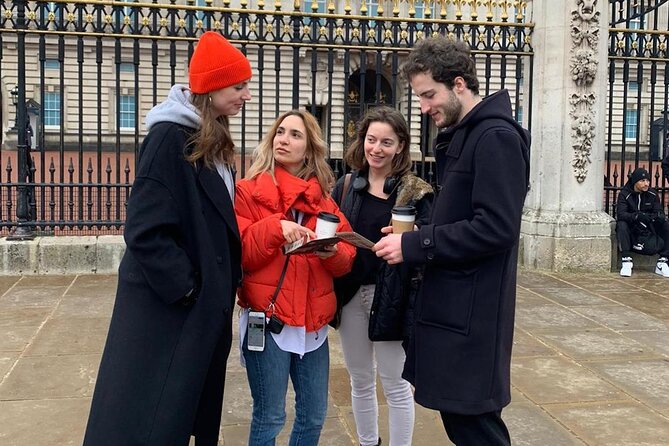
The starting point is Via Giuseppe Zanardelli, 28, 00186 Roma RM. The experience ends at the Pantheon, Piazza della Rotonda, 00186 Roma RM. In other words: it’s a one-way style walk that dumps you near your finish line, which saves you from retracing steps.
It’s also listed as being near public transportation, which matters in Rome. If you’re juggling train times, museum tickets, or a last-minute dinner reservation, being able to get back easily can make the whole day feel calmer.
Because it’s self-guided, the biggest “logistics” item is simply timing your start. You’ll want enough daylight to enjoy the squares and enough patience to hunt for clues without rushing. The posted hours show 7:00 AM to 6:00 PM, Monday through Friday. If your trip falls outside those windows, it may affect available times.
The self-guided format: envelope clues, mobile ticket, real pacing
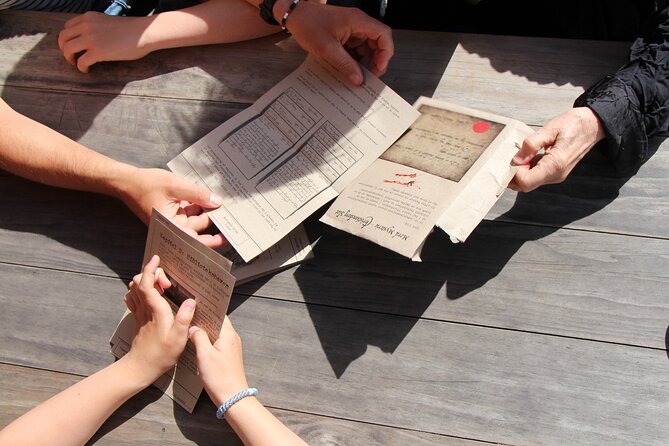
This is a mobile ticket experience, and you’ll pick up your mystery packet before starting. The game is only available in English, so if your group’s comfort level is limited, that’s your main constraint.
What I like about the self-guided approach is that you can treat it like a normal walk with an added layer. If a piazza is busy, you can take a slow moment. If you spot something interesting and want extra photos, you’re not punished by the schedule. And if you want a breather, you can pause your progress and come back to the next clue later.
That flexibility is also what makes it work for mixed groups. Someone who loves puzzles can lead the hunt. Someone who just wants the city will still enjoy the landmarks as part of the route.
Stop 1: Piazza Navona for your first clue round (about 20 minutes)
Your first landmark is Piazza Navona (about 20 minutes), and the experience notes that admission is not included.
Even if you don’t pay for any ticketed attraction, this square is a strong place to start because it’s visually loud in the best way. It’s the kind of public space where your eyes naturally scan details, which is exactly what a mystery walk needs. You’ll likely spend time reading, looking for visual hints, and connecting the clues to the story framework.
The main consideration here is crowd energy. Piazza Navona is often busy, and clue-hunting can feel slightly like solving a puzzle on a moving sidewalk. If your group prefers quiet, consider starting at a less hectic time of day or moving a bit slower for the first round so you don’t miss the early clues that set the tone for the case.
Stop 2: Piazza delle Coppelle for a calmer, faster puzzle beat (about 20 minutes)
Next up is Piazza delle Coppelle (about 20 minutes). This stop is marked as free for admission.
This square works well as a “moment to breathe” in the middle of the hunt. After the heavier foot traffic you might feel at the earlier stop, you can reset your puzzle focus. It’s the kind of place where you can slow down, regroup as a team, and talk through what you think you know.
Practically, this is also where good teamwork helps. If your group has different strengths, assign roles. One person reads instructions closely, another checks the clue logic, and another watches for anything you might otherwise overlook. On a self-guided mystery, small distractions add up fast.






Stop 3: Piazza di Sant’Ignazio for visual clues that reward attention (about 20 minutes)

You then move to Piazza di Sant’Ignazio (about 20 minutes), also free for admission.
This stop tends to feel like a shift from plaza tourism to detail attention. You’re not just passing through—you’re hunting. And because the stop is relatively short, it pushes you to be efficient: find the clue, interpret it, and move on.
If you’re doing this with kids or a mixed-age group, this is a good point to keep things moving. The hunt format makes it easier to hold attention than a traditional stop-and-listen style tour.
Stop 4: Pantheon (about 30 minutes) and the ticket decision
The final major stop is the Pantheon (about 30 minutes). Here’s the key point: Pantheon entrance isn’t included.
This changes how you should plan your time. You have a scheduled block of about half an hour, but that includes your mystery work in the Pantheon area. If you also want to go inside, you’ll need to account for entry lines and the time it takes to transition from clues to sightseeing.
My practical take: if your main goal is the mystery, treat the Pantheon stop as the “wrap-up” moment. Solve the last tasks, soak in the landmark from where you can. If your main goal is the architecture inside, buy your ticket in advance if possible and go in knowing the mystery is part of the time you have.
Also, this area is famous for crowds, so expect friction. Clue hunts in dense spaces can be tricky, but that’s also part of the fun—Rome doesn’t go quiet just because you’re trying to solve a case.
What the mystery packet adds (and why it makes the walk feel different)
This isn’t a regular walk where you simply learn facts. The envelope gives you tasks that turn landmarks into evidence. You’ll be asked to gather clues as you move, and the goal is to see if you can solve the murder, based on an actual crime inspiration.
That “story layer” is the big reason the experience works so well for some travelers. When you’re walking, it’s easy to forget why you stopped at each place. In this format, every stop has a reason: it either gives you a hint or helps you connect the dots.
You can also treat it like a team sport. If your group likes banter, you’ll find yourself arguing in a fun way about the logic of clues. One downside to note: the more crowded it is, the more your team will need patience. You might get to a clue site and have to wait for space to read or to look properly.
Who this is best for (and who should think twice)
This activity fits best if you:
- Like puzzles and true-crime style storytelling.
- Want to explore the Centro Storico area around the Pantheon without committing to a full guided group tour.
- Prefer a flexible schedule where you can keep moving or pause as needed.
- Travel as a group that enjoys collaborating.
You might think twice if you:
- Expect a guided, spoken, fact-heavy experience. This is structured around self-solving tasks.
- Want Pantheon entry included. You’ll likely pay extra if you want inside.
- Dislike problem-solving games, or your group struggles with a purely English instructions format.
Practical tips to make the hunt smoother
A few small moves can make a big difference in a Rome mystery walk.
First, wear shoes you can trust. You’re covering central Rome on foot, and you’ll likely move faster than you would on a slow architecture stroll. Second, bring a fully charged phone. The ticket is mobile, and you may use your phone for navigation while you work the clues.
Third, plan your teamwork. If you all try to do everything at once, the group gets overwhelmed. Assign roles early and keep checking the clue logic.
Finally, be realistic about time in crowds. The walk is roughly 1 hour 30 minutes to 2 hours, but busy squares can stretch that. Give yourself a small buffer before dinner or your next ticketed stop.
Should you book? My honest recommendation
I’d book this if you want a fun, structured way to see the Pantheon area without a standard guide script. The private, self-paced format is a great match for people who like independent travel, and the English mystery packet turns famous squares into part of the story.
I would not book it as your only plan if you’re mainly chasing the Pantheon interior, because entry isn’t included and the stop time is limited. But as a “day activity” that adds energy to your sightseeing? This is a strong choice.
If you’re traveling with friends, a partner, or a family group that enjoys puzzles, this is the kind of outing that makes Rome feel interactive instead of just pass-through.
FAQ
What is the duration of the self-guided Pantheon mystery walk?
The experience is listed as lasting about 1 hour 30 minutes to 2 hours.
What language are the mystery materials in?
The included envelope with everything you need to solve the mystery is only in English.
Does the price include entry to the Pantheon?
No. Entrance to the Pantheon is not included, so you’ll need to handle any Pantheon ticket separately if you want to go inside.
Where do I start and where does it end?
The start is Via Giuseppe Zanardelli, 28, 00186 Roma RM and the experience ends at the Pantheon, Piazza della Rotonda, 00186 Roma RM.
Do I need a paper ticket?
No. It uses a mobile ticket.
Is there free cancellation?
Yes. You can cancel up to 24 hours in advance for a full refund.