REVIEW · ROME
Rome: Navona Square Underground Ticket with Audio Guide
Book on GetYourGuide →Operated by TOURISTATION · Bookable on GetYourGuide
Rome has a habit of turning your plans upside down. One minute you’re on Piazza Navona, the next you’re walking into the Stadium of Domitian ruins 5 meters underground. I love the way the multilingual audio guide makes the site click, and I also like the mix of unpublished photos, panels, and visual reconstructions that help you picture what this place looked like. One thing to keep in mind: the underground area is smaller than you might expect, and street noise can still leak in, which can blur the “all-alone in Roman times” feeling.
The practical win here is that you’re not stuck with a rigid group pace. You walk the numbered spaces with the audio guide at your own rhythm, and you can pause for selfies and photos when the views line up. Still, a few people find the station numbering a bit confusing, so give yourself a little patience and don’t rush.
In This Review
- Key Points to Know Before You Go
- Getting Below Piazza Navona: The Stadium of Domitian in One Hour
- Tickets and the Piazza Navona Meeting Point: Where Confusion Happens
- What the Audio Guide Really Does (and Why It Matters)
- Down at Ruins Level: What You Actually See 5 Meters Underground
- Capacity and Crowd Layout: A Stadium Built for 30,000
- Photos, Selfies, and Street Sounds: Getting the Best Experience
- Aperitif Add-On in the Heart of Rome: When It’s Worth It
- Who This Works Best For (and Who Might Skip It)
- Should You Book This Underground Rome Stop?
- FAQ
- Where is the meeting point for this tour?
- How much does the Stadium of Domitian underground ticket cost?
- How long does the experience take?
- Do I need a guided tour to understand what I’m seeing?
- What languages is the audio guide available in?
- Is an aperitif included?
- What does the aperitif option include?
- Is transportation included?
- Is this activity wheelchair accessible?
- FAQ
- When can I cancel for a full refund?
- Do I have to use the ticket on a specific date?
Key Points to Know Before You Go
- 5 meters down under Piazza Navona at the Stadium of Domitian archaeological site
- Audio guide included in Spanish, English, French, German, Italian, Russian, and Portuguese
- Visual aids like panels, selected unpublished photos, and reconstructions to rebuild the stadium in your head
- Ruins + details such as travertine blocks, brickwork, and marble columns at key entrances
- About 45 to 60 minutes for a typical self-guided loop (you can go faster or linger)
- Optional aperitif or wine tasting with table reservation at a Rome viewpoint
Getting Below Piazza Navona: The Stadium of Domitian in One Hour
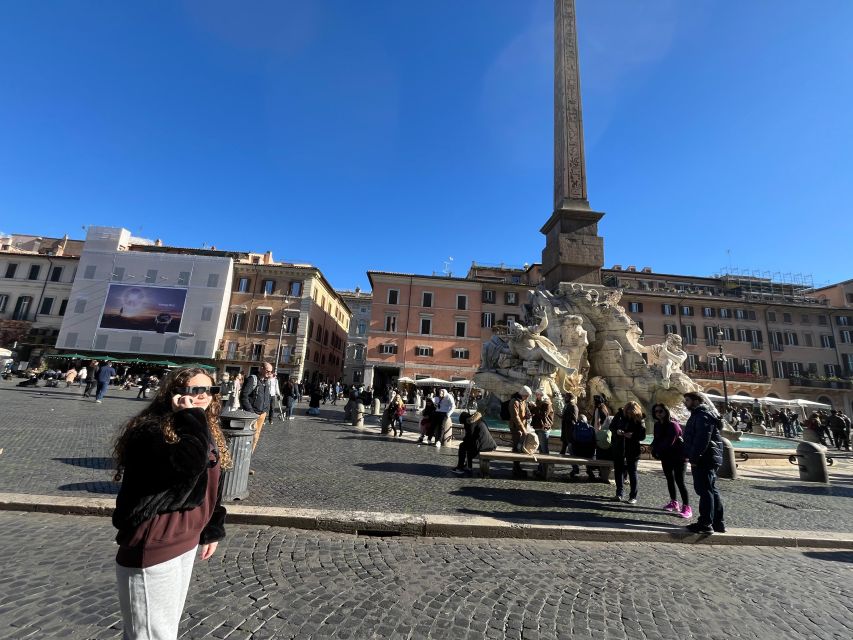
This is a Roman “turn the page” kind of stop. Piazza Navona looks like it belongs to one era, but you’ll be descending to a stadium that belonged to Ancient Rome—built in masonry and now preserved beneath the square.
The experience is designed as a self-guided walk. You’ll follow the audio guide as it takes you through what’s visible now, then uses visuals (panels and reconstructions) to show what the stadium likely looked like in action. The ruins themselves are the point, but the audio guide is what makes them understandable, especially when you start seeing how the seating, entrances, and materials fit together.
In real terms, expect to spend around an hour for the full route if you listen to everything at a steady pace. If you’re the type who stops for photos every few minutes, you might stretch it a bit longer. If you’re laser-focused, it can feel shorter, but you still won’t miss the main storyline.
You can also read our reviews of more tours and experiences in Rome.


Tickets and the Piazza Navona Meeting Point: Where Confusion Happens

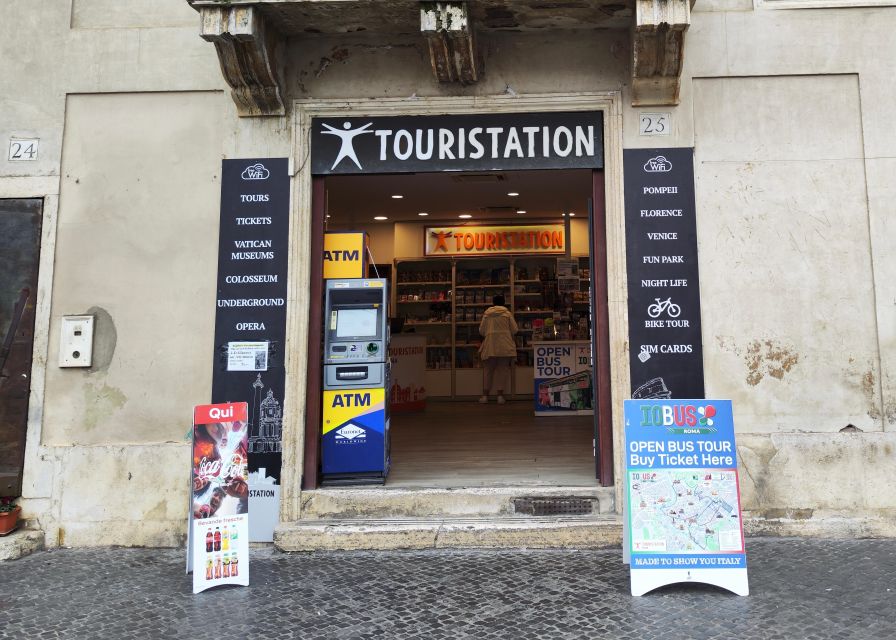
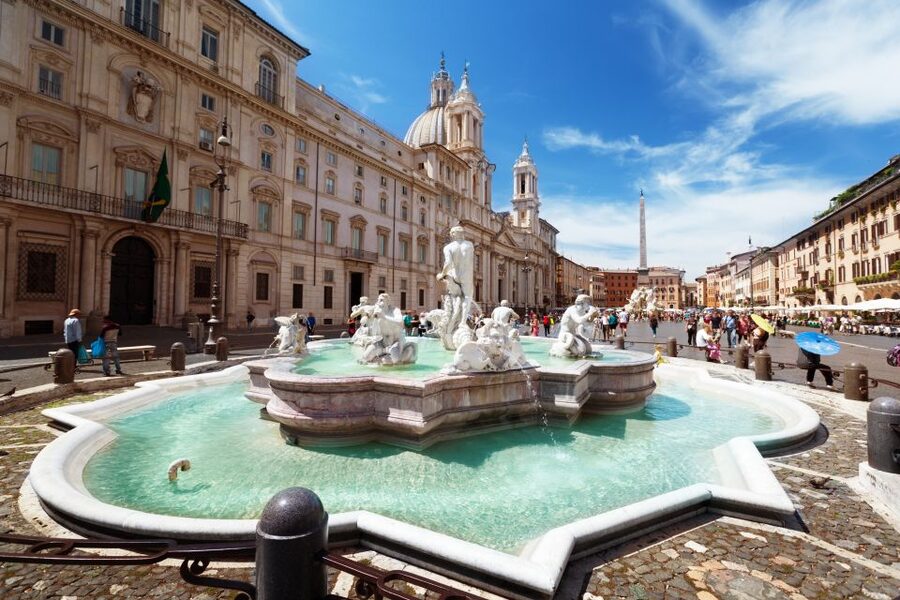
You redeem your voucher at the tourist point in front of the main fountain at Piazza Navona, 25. That’s the anchor point, and it’s central enough that you can build this into a day of walking without needing transportation.
Here’s the only logistics heads-up I’d give: this site can feel a little awkward to enter if you arrive expecting one single ticket counter. Some visitors get redirected to a ticket office before returning to the entrance with the printed ticket. It usually doesn’t create drama, but it can add a few minutes and a little confusion—so plan a little buffer and keep your voucher handy.
Also, the experience is self-guided. That means you won’t have a live guide hovering over you with spontaneous explanations. If you like learning through audio, you’ll probably find it a great fit. If you prefer a person answering your questions on the spot, you may wish you’d paid for a guided option instead.
What the Audio Guide Really Does (and Why It Matters)
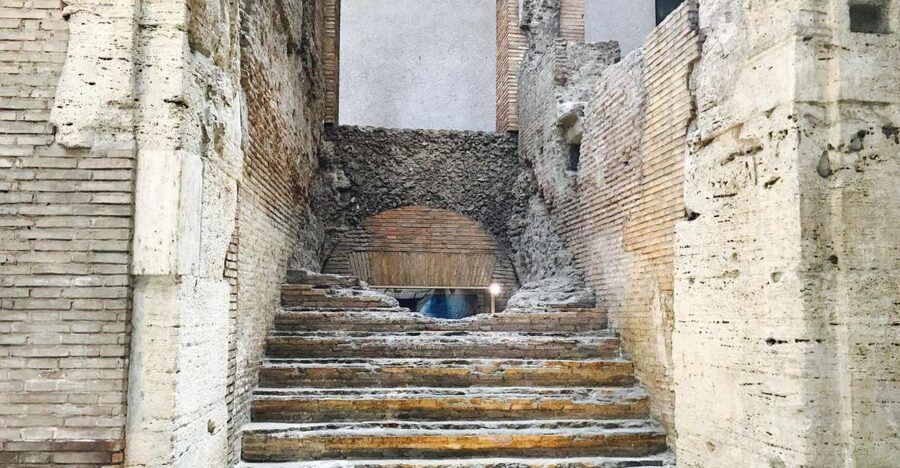
For me, the best part of this kind of underground site is the audio track that turns scattered stones into a story you can follow. This one has stations and numbered stops, and the audio is available in a wide set of languages: Spanish, English, French, German, Italian, Russian, and Portuguese.
The audio guide doesn’t just narrate. It explains how Piazza Navona developed into the current piazza, and it connects the underground stadium to the evolution of Roman sports and entertainment. You’ll also get context on audience layout—specifically how up to 30,000 spectators were divided in the arena. Even if you don’t memorize the numbers, it helps you picture scale, not just archaeology-as-a-courtyard.
A common pattern with audio tours is that they can be perfectly clear or mildly irritating depending on how the visuals line up. A few visitors found the numbering confusing at times and said the audio didn’t always match the pictures exactly. That’s not unusual for self-guided underground spaces, but it’s worth knowing: if you hit a moment where things feel mismatched, slow down and check the station number before moving on.
Down at Ruins Level: What You Actually See 5 Meters Underground
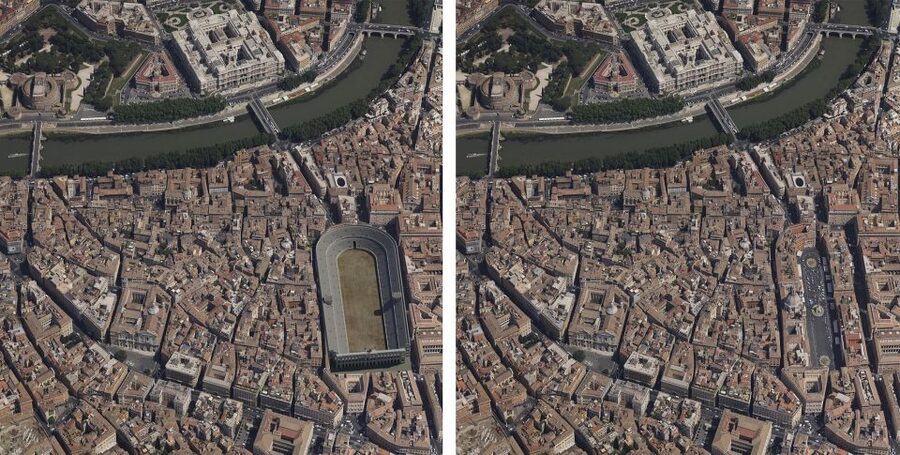
The headline is right there: you descend to explore the Stadium of Domitian, sitting roughly 5 meters beneath street level. That change in perspective is the whole trick. Street-level Piazza Navona is bright and busy; underground you’re surrounded by the physical remains of the stadium’s structure.
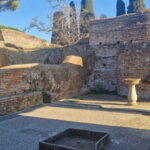
You’ll look at an exposed mix of materials and architectural features, including:
- Travertine blocks
- Brickwork
- Marble columns, especially at major entrances
The presentation uses informative panels and visual materials to help connect these materials to specific parts of the stadium. In other words, it’s not just “here are stones.” It’s “here are the stones, and here’s what they were doing.”
One review detail I found especially reassuring: people noted the site is clean, with toilets and a gift shop. Not a reason to book on its own, but it improves the odds you’ll actually enjoy the visit instead of feeling rushed or uncomfortable.
Capacity and Crowd Layout: A Stadium Built for 30,000
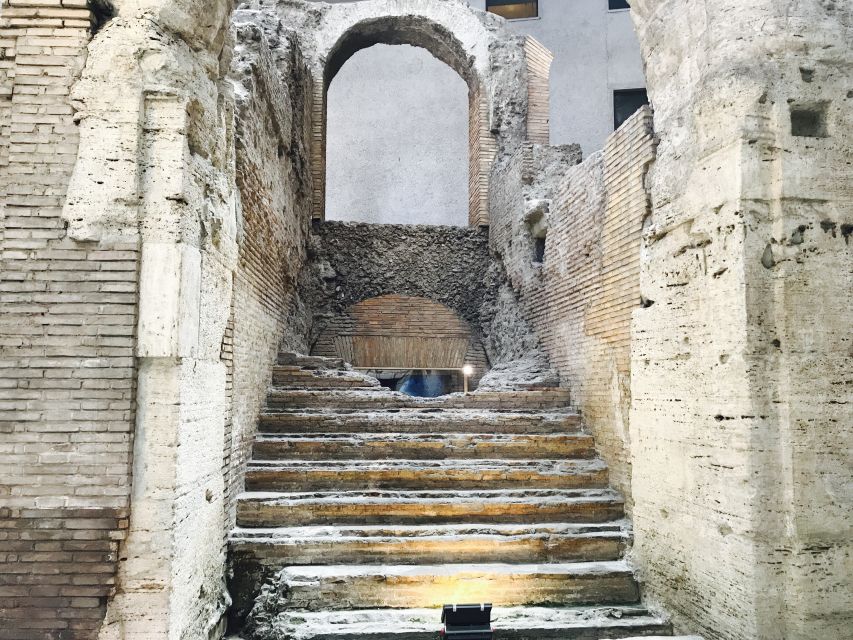
This is the kind of fact that makes Roman sports feel less like trivia and more like real life. The audio guide explains how around 30,000 spectators were divided within the stadium.
Why it matters: when you understand crowd division, you start reading the architecture differently. Entrances, circulation, and sections stop looking random. Even at a smaller-than-anticipated scale (the underground area can feel compact), knowing how people would have entered and moved through the space gives the site gravity.
If you like sports history, this is a rare moment in Rome where the story isn’t about emperors building marble monuments for themselves. It’s about a built environment designed for spectatorship—how Romans watched, where they sat, and how the venue functioned as entertainment infrastructure.




Photos, Selfies, and Street Sounds: Getting the Best Experience
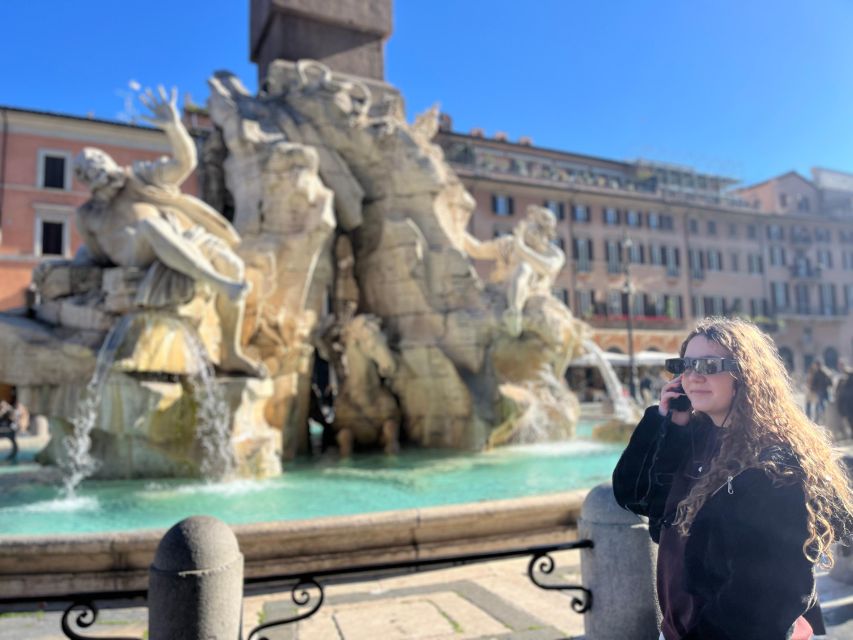
Let’s be honest: this site is photo-friendly. You’ll have moments where the underground ruins make your camera feel like it’s cheating. And because it’s in the center of Rome, you can often get scenic Rome shots right before or after you descend.
The one practical catch is immersion. Some visitors said it doesn’t feel fully cut off from the street above. You may still hear normal Piazza Navona sounds while trying to focus underground. If you’re sensitive to that, you might want to treat the audio guide as your “focus layer” rather than expecting perfect quiet.
For the best results, I’d do two things:
- Listen through once at a relaxed pace without stopping too often for photos.
- Then go back to any section you liked and take pictures while your audio context is fresh in your head.
That way you get both: learning and memories.
Aperitif Add-On in the Heart of Rome: When It’s Worth It
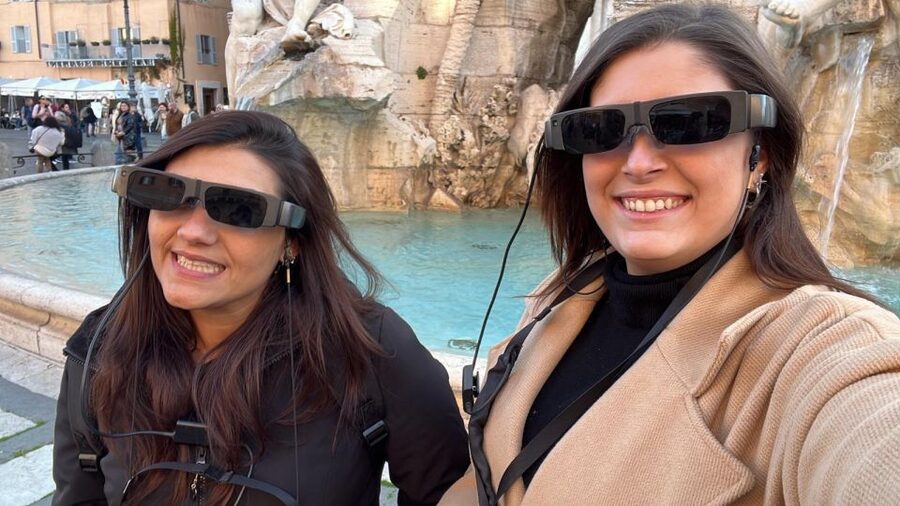
If you add the aperitif option, you’ll get 1 cocktail and snacks at a viewpoint in the heart of Rome. The staff reserves your table, which matters because it turns a short archaeological stop into a low-stress break—no hunting for seating afterward.
There’s also a wine tasting option. Instead of just a cocktail-and-snacks setup, you’ll get two wines paired with a traditional appetizer board.
Is it worth paying extra? For me, it depends on your day. If you’re already doing major monuments and want a calmer mid-afternoon reward, the aperitif option can be a nice upgrade. If you’re on a strict budget and you’re mainly after the underground stadium, skip it and spend that money on another meal or gelato where you choose.
Either way, having an included food component changes the value equation. At $18 per person, the core archaeological/audio experience is already reasonably priced for a central Rome activity—especially because you’re getting the kind of “below the street” angle most Rome walks can’t offer.
Who This Works Best For (and Who Might Skip It)
This fits best if you:
- Like Roman history that’s not only about the big-name monuments
- Want a clear explanation without paying for a live guided group
- Enjoy sports and spectacle history (the stadium angle is the whole point)
- Prefer self-guided pacing, with audio doing the heavy lifting
It may not be your favorite if you:
- Expect a huge underground museum with lots of room to roam
- Need silence to concentrate (street sounds can carry)
- Strongly prefer guided tours over audio-led narration
Families can do well here too. One review mentioned a special audio guide for children, with a child-friendly way to use the audio and explore the map independently. That’s a useful clue if you’re traveling with younger kids. On the other hand, someone specifically said it’s not pram-friendly—so if you’re pushing a stroller, plan accordingly.
Should You Book This Underground Rome Stop?

If you’re the type who likes discovering what’s under the obvious tourist surface, I think you should book it. The combination of Stadium of Domitian ruins, the audio guide in multiple languages, and the visual tools that help you reconstruct the space make it feel like more than a quick peek.
If it’s your first time in Rome and you’re picking only a couple of paid experiences, you might prioritize bigger sites first. But if you’ve already hit the main hitters—or you simply want something different—this is a strong choice for a central, meaningful visit that you can finish in about an hour.
Book it if you want Rome with a twist: street-level beauty above, spectator engineering below.
FAQ
Where is the meeting point for this tour?
You redeem your voucher at the tourist point in front of the main fountain at Piazza Navona, 25.
How much does the Stadium of Domitian underground ticket cost?
The price is $18 per person.
How long does the experience take?
It’s listed as a 1-day activity, and many visitors report spending around 45 to 60 minutes on the self-guided loop.
Do I need a guided tour to understand what I’m seeing?
No. The ticket includes an audio guide. A guided tour is not included.
What languages is the audio guide available in?
The audio guide is available in Spanish, English, French, German, Italian, Russian, and Portuguese.
Is an aperitif included?
It depends on the option you choose. The aperitif is included only if you select the option with it.
What does the aperitif option include?
The aperitif option includes 1 cocktail and snacks, and staff reserve your table at one of the viewpoints in the heart of Rome.
Is transportation included?
No. Transportation is not included.
Is this activity wheelchair accessible?
Yes, it’s wheelchair accessible.
FAQ
When can I cancel for a full refund?
Free cancellation is available up to 24 hours in advance for a full refund.
Do I have to use the ticket on a specific date?
The ticket is valid for 1 day, and you’ll need to check availability for starting times.