REVIEW · ROME
Rome: Audio guide of the Roman Forum
Book on GetYourGuide →Operated by Echo Audioguides · Bookable on GetYourGuide
The Roman Forum feels more human with audio. This Roman Forum audio guide uses compelling narration and historical authenticity to turn scattered ruins into a place of senators, emperors, and everyday Romans. One thing to watch: you’ll need to follow the map closely, because the audio doesn’t always clearly announce when you’ve reached the next stop.
You get a simple plan, a start point tied to a famous landmark, and a format that fits real life. If you want to move at your own pace, pause when you want, and keep going without hunting for explanations, this is a friendly way to do it. The main drawback is that it won’t replace a live guide’s on-the-spot answers if you run into questions mid-walk.
If you like history that’s told clearly, and you’re happy doing a self-guided walk, you’ll likely find this $4.52-per-person option a smart use of time.
In This Review
- Key takeaways before you go
- Roman Forum in 40 minutes: what the audio actually covers
- Starting at the Arch of Titus: the easiest way to begin
- Offline audio + a map: how to stay oriented
- What you’ll notice at temples, basilicas, and triumph arches
- Temples: why these buildings mattered
- Basilicas: the “public business” spaces
- Triumph arches: power made visible
- Flexibility and pacing: using it like a self-guided walk
- English or Italian: choosing what helps you follow
- Price and value: is $4.52 a good deal?
- Who should book this Roman Forum audio guide
- Practical tips to make the audio guide work in real life
- Should you book Rome: Audio guide of the Roman Forum?
- FAQ
- How long is the Roman Forum audio guide?
- Where should I start listening?
- Where is the meeting point?
- Is the entrance ticket to the Roman Forum included?
- Will the audio work without internet?
- What languages are available?
- How long is the ticket or access valid?
- Can I cancel for a full refund?
- Is there a pay-later option?
- What’s included in the purchase?
Key takeaways before you go
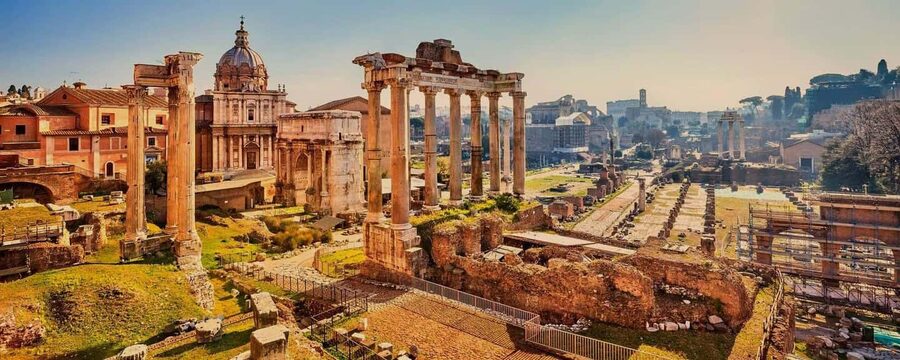
- Start at the Arch of Titus so the narration lines up with what you’re looking at.
- 40 minutes of audio helps you cover the Forum without getting lost in the weeds.
- Offline-ready file means you can use it with no internet once downloaded.
- Map + photos help you keep orientation as you move between monuments.
- Clear, flexible pacing lets you pause and catch up in real time.
- Occasional jump-ahead confusion can happen if the audio doesn’t flag each next station clearly.
Roman Forum in 40 minutes: what the audio actually covers
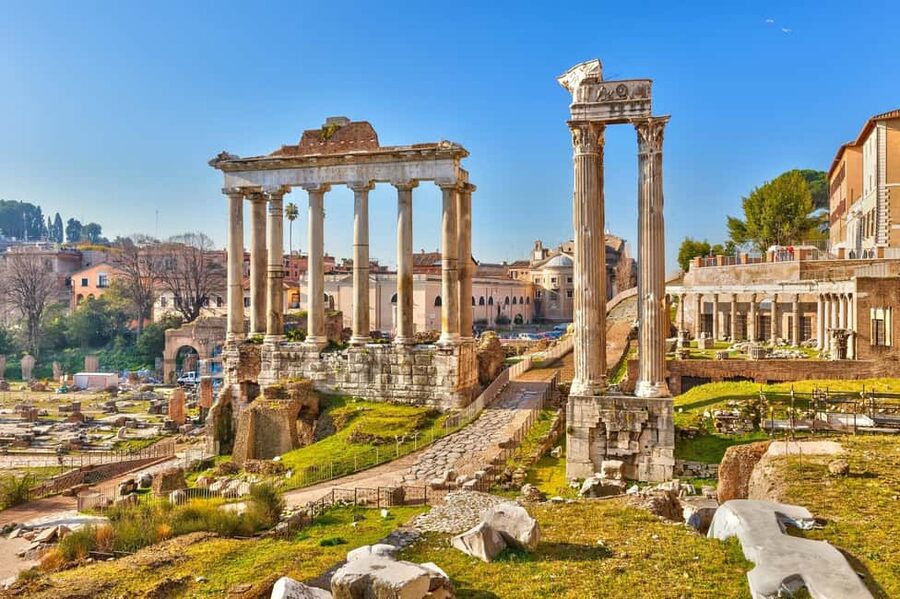
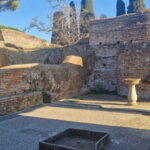
This experience is built around a tight, focused walk. You’re looking at about 40 minutes of narration, designed to give you context while you’re standing in the Forum’s open-air space. That matters here, because the Roman Forum is massive and visually busy. Ruins can feel like “stones and columns” unless someone gives you a thread to hold onto.
The audio tells stories about how Rome worked—power, politics, and daily life. The goal is that, as you move from one monument area to another, you’re not just staring at blocks of rock. You’re hearing what those spaces meant to emperors, senators, and ordinary people. That kind of framing is what makes the Forum feel readable instead of overwhelming.
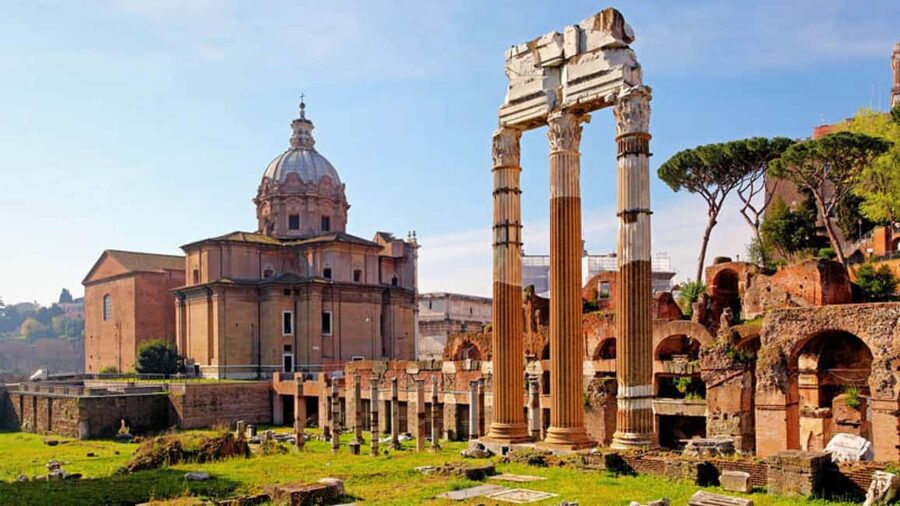
You’ll also get guided attention on the big architectural types you see around you—temples, basilicas, and triumphal arches. The guide’s value is not in changing the ruins, obviously. It’s in helping you notice the differences and understand why each type of building mattered.
And because it’s self-guided, you can keep your rhythm. If you’re the type who stops for a photo or wants a second look at inscriptions and layout, you won’t feel rushed. The narration is meant to be used while you walk, not as a one-and-done “tour group” performance.
You can also read our reviews of more tours and experiences in Rome.


Starting at the Arch of Titus: the easiest way to begin

Your instructions are clear about the starting moment. You should start listening when you’re at the Arch of Titus. That’s a smart choice. It’s a real landmark people can find, and it gives you a dependable anchor in a complicated archaeological zone.
The meeting point is listed near the start entrance: Perfavore, using the entrance for the Forum close to the arch. The experience begins there and ends back at that same meeting point, so you’re not planning a complicated route change at the end.
Practical tip: when you arrive, take 30 seconds to confirm you’re at the arch area before you hit play. Rome has a way of making landmarks feel closer on maps than they do in real life. Starting at the right place means the audio you hear matches the stones in front of you.
If you’re early or running behind, the flexibility helps. The guide is valid for 2 days, and you’re free to check availability for starting times. That’s useful if your first visit slot gets eaten by queues, rain, or a sudden hunger for gelato.
Offline audio + a map: how to stay oriented
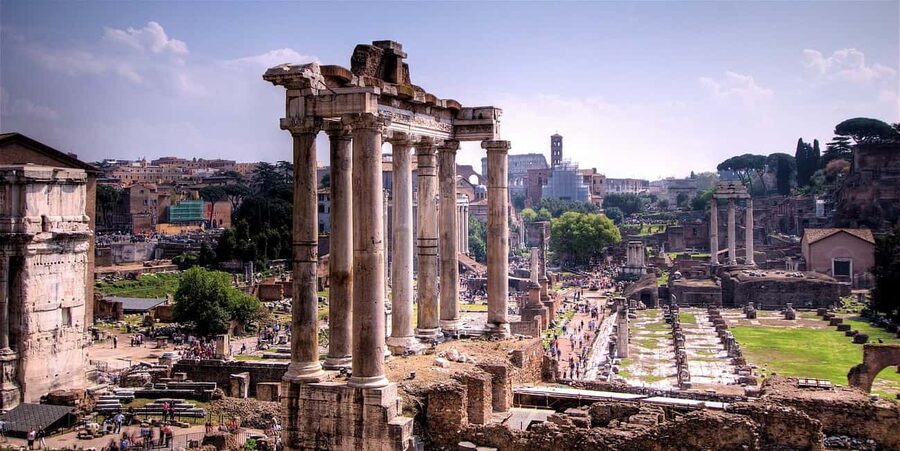
One of the biggest wins of this format is the delivery method. You’ll receive a link to an audio file you can use even without an internet connection. So you’re not stuck depending on shaky cell service in the Forum area.
You’ll also get a map, plus photo and documentation materials. Even if you’re a confident navigator, this kind of add-on is helpful in Rome, where signs and paths can be confusing even when you think you know where you are.
Here’s how I’d use the system smoothly:
- Download or access the audio link before you enter.
- Keep the map open and use it like a “stay on track” tool, not a perfect GPS replacement.
- Pause when you want time to look. The guide is set up so pausing is natural rather than disruptive.
Now, a real-world consideration from feedback: one issue that can pop up is uncertainty about when you’ve moved to the next listening station. If you’re the kind of person who likes the audio to tell you loudly, yes, now you’re at the next stop, you might find yourself doing a bit of guessing without extra confirmation. Your best defense is the map—use it as your truth source when the narration isn’t explicit.
What you’ll notice at temples, basilicas, and triumph arches
The audio is focused on helping you “read” the Forum as you walk through it. Instead of treating ruins like background scenery, it guides your attention to the kinds of structures you’ll see.
Temples: why these buildings mattered
When the audio shifts to the temple areas, it’s not just naming what you’re looking at. It’s aiming to explain what these spaces represented socially and politically. Temples in Roman life weren’t only about worship. They also reinforced ideas of authority and continuity—who rules, what’s official, and what the state wants people to remember.
So when you hear the narration about this side of Rome, you can watch for things like layout clues and how the space feels—open areas, sightlines, and how people would have moved through the setting.




Basilicas: the “public business” spaces
Basilicas were key to the daily workings of the city. The guide’s themes—politics and everyday life—fit naturally here. You’ll be listening for how these buildings functioned as centers for public life, where legal and civic activity happened.
Even from ruins, you can sense the difference in scale and purpose. The audio helps you notice that it isn’t all monuments and statues. Some parts of the Forum were designed for people to show up, conduct affairs, and be part of the system.
Triumph arches: power made visible
Then you come to triumphal arches in the mix. These structures served as visual shorthand for victory and dominance. Hearing that context while standing near the arch-connected starting area is a good setup for the rest of what follows.
If you’re paying attention, you’ll start seeing the Forum as a stage. The narration helps connect that feeling to the people behind it—leaders and institutions using architecture to shape memory.
The overall goal is that each monument type stops being random. You begin to understand the pattern: power, governance, civic life, and public messaging all layered into one archaeological zone.
Flexibility and pacing: using it like a self-guided walk
This is not a seated lecture. It’s an audio guide with directions and stories you can turn on and off. That’s exactly why it can be such good value in Rome—because you control the pace.
You can listen on your schedule. The guide is valid for 2 days, and you’re checking availability for starting times. That flexibility matters because Rome’s weather and crowd levels can turn your plans into a choose-your-own-adventure.
Also, because the file works offline, you don’t have to spend energy hunting for signal while you’re trying to enjoy the walk. You can focus on what you’re seeing and move when it feels right.
One more pacing note: if you’re traveling with someone who likes slow looking and you like faster walking, the audio format can actually help you align. You can pause together, then resume.
English or Italian: choosing what helps you follow
The guide is offered in English or Italian. Picking the language you’re most comfortable with matters more than you might think in the Forum.
Why? The experience is story-driven—politics, power, daily life. If you choose a language you can follow instantly, you’ll get more out of every minute. If you’re choosing Italian because you want practice, that can be rewarding too, as long as you won’t be straining the whole time.
There’s also a host or greeter listed as Italian and English, which can be useful at the start. But the core experience is still self-guided through the audio file, map, and materials.
Price and value: is $4.52 a good deal?

At $4.52 per person, this audio guide is priced like a low-cost add-on to your Roman Forum visit—not like a premium full package. And that’s not a bad thing.
The key value is that you’re buying interpretation. The Roman Forum is one of those places where “seeing it” is only half the win. Understanding what you’re seeing is the other half. An inexpensive audio guide can be the bridge that turns the Forum from confusing ruins into an intelligible walk.
What you do not get is the Forum entrance ticket. That’s important for value math. The audio guide is for narration and guidance, not entry.
If you already plan to visit the Roman Forum anyway, this becomes a smart upgrade: it’s cheaper than many guided alternatives and lets you control the pacing.
If you’re on the fence about whether you need any audio at all, use this rule of thumb:
- If you like history stories but don’t want a live tour, this is a good fit.
- If you want someone to answer questions on the spot, you may prefer an in-person guide.
Who should book this Roman Forum audio guide
This is best for people who:
- Want a simple, self-guided way to understand the Forum.
- Prefer short, focused listening instead of a long group tour.
- Like using a map and pausing when they want to look longer.
- Want an offline-ready audio option for peace of mind.
It may feel less ideal if you:
- Strongly prefer a tour that announces each step clearly in words.
- Get frustrated without explicit cues when switching between stops.
- Need an interpreter for specific, detailed questions about artifacts and inscriptions (the guide format suggests general narration rather than interactive answers).
If you’re a history fan, you’ll probably enjoy the way the narration connects emperors and senators to the physical spaces around you. If you’re just curious, you’ll still get a readable overview that makes the ruins feel like a real civic center.
Practical tips to make the audio guide work in real life
Here’s how to get the best results with minimal stress:
1) Start at the Arch of Titus on purpose
Don’t start walking first and then open the audio later. The audio is designed to line up with where you begin.
2) Use the map as your backstop
If the audio doesn’t always flag the shift to the next station clearly, your map will keep you confident. Think of it as a safety rail.
3) Pause for the stuff you can’t ignore
If you like photos or you spot a detail you want to read, pause. The experience is built around flexibility.
4) Plan your time for comfort
Forty minutes goes fast if you’re rushing, slow if you’re paying attention. Decide which you want. Either way, the narration is short enough that you won’t feel stuck.
5) Remember: no entrance ticket included
The Forum itself has its own entry process. Factor that into your day so you don’t arrive ready to listen but unable to enter.
Should you book Rome: Audio guide of the Roman Forum?
I’d book it if you want an affordable, offline-friendly way to make the Roman Forum click. The strongest parts are the detailed narration, the historical framing, and the practical self-guided format with map and materials. At $4.52, you’re paying for understanding, not just background noise.
Skip (or consider a different style) if you know you’ll get annoyed when the audio doesn’t clearly tell you when you’ve reached the next station. Your success will depend on using the map and staying aware of your position around the Forum.
FAQ
How long is the Roman Forum audio guide?
The audio guide is designed for about 40 minutes.
Where should I start listening?
You should start listening when you are at the Arch of Titus.
Where is the meeting point?
The start point is Perfavore, using the entrance for the Forum close to the Arch of Titus. The activity ends back at the meeting point.
Is the entrance ticket to the Roman Forum included?
No. Entrance ticket is not included.
Will the audio work without internet?
Yes. You get a link to an audio file you can use even without an internet connection.
What languages are available?
The audio guide is available in English and Italian.
How long is the ticket or access valid?
It’s valid for 2 days. You’ll check availability to see starting times.
Can I cancel for a full refund?
Yes—free cancellation is available up to 24 hours in advance for a full refund.
Is there a pay-later option?
Yes. You can reserve now and pay later to keep travel plans flexible.
What’s included in the purchase?
You get a map, a digital file, a photo, and documentation.