REVIEW · PISA
Pisa: Self-Guided Bike Tour to Lucca
Book on GetYourGuide →Operated by SMILE & RIDE · Bookable on GetYourGuide
One bike. Two great Tuscan towns.
This ride turns Pisa into a launch point for the Puccini cycle path and then lands you in Lucca without the usual crowd hassle. I love the practical mix of riverside cycling and city sightseeing, plus the “you can stop and linger” pace of a self-guided day. You’ll also get the kind of elevated views that only happen when you’re moving—especially from the path above Lucca’s walls.
If you want a perfectly guided, step-by-step narration, this isn’t that kind of day. The route leans on a phone itinerary, so a smart phone is required, and you’ll want it charged and ready. Also, food and drinks aren’t included, so plan on budgeting for snacks in Lucca.
You’ll ride a total of 50 km (25 km out, 25 km back) in about 5.5 hours, which sounds simple until you factor in a real walk around Lucca’s ramparts. The upside is that you’re not just passing through—you get time to notice towers, squares, and even the “hanging garden” on Guinigi Tower.
In This Review
- Key things to know before you ride
- Pisa to Lucca by bike: why this route feels different
- The Serchio River stretch: water views, birds, and an easy rhythm
- Puccini’s trail: finding the corridor between Pisa and Lucca
- Arriving in Lucca: walls, Rocca di Ripafratta, and tower views
- Through Lucca’s main sights: Guinigi Tower, Via Fillungo, and the amphitheater squares
- Food stop logic: cecina, necci, buccellato, and Lucchese soup
- Ride comfort: bikes, phone navigation, and what makes 50 km feel manageable
- Timing the day: making sure you still enjoy Lucca
- Price and value: is $40 a smart deal for Pisa to Lucca?
- Flexibility options: train backup or leaving the bike in Lucca
- Who should choose this Pisa–Lucca bike day
- Should you book this Pisa: Self-Guided Bike Tour to Lucca?
- FAQ
- How long is the Pisa to Lucca bike tour?
- How far do I ride to reach Lucca?
- What’s included in the price?
- Are food and drinks included?
- Do I need a smartphone for the tour?
- Can I return to Pisa without biking the full way?
- Can I leave the bike in Lucca?
- Is this tour suitable for kids?
Key things to know before you ride
- Puccini cycle path: Named for Giacomo Puccini and designed to connect the Serchio valley to Lucca
- Serchio river scenery: Water jumps, bird-filled terraces, and a real change of pace from Pisa streets
- Cross-river cycling path: A true “wow” moment when you’re riding over the waterway
- Lucca’s medieval walls and Rocca di Ripafratta: You’ll see the defensive heart of the city
- Above-the-walls viewpoints: Perfect for photos without needing a single ticketed attraction
- App-based navigation with phone holder: Built-in support that keeps you moving at your pace
Pisa to Lucca by bike: why this route feels different
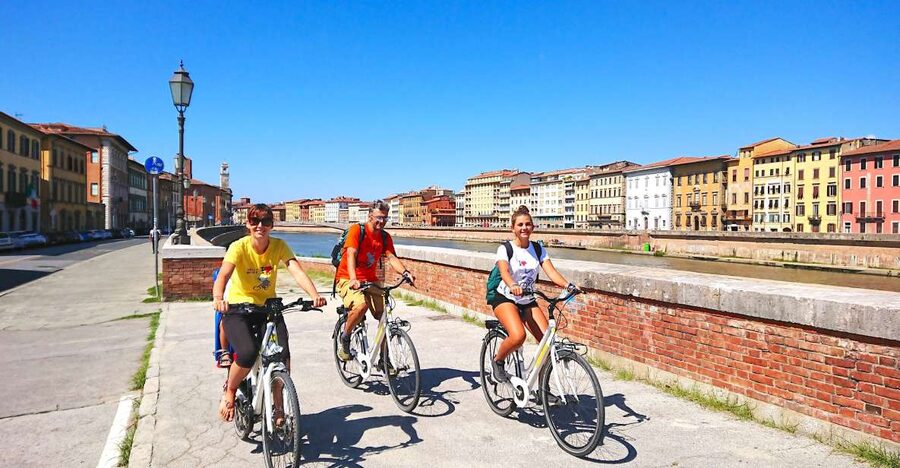
Most Pisa sightseeing locks you into short hops: a monument, a photo, a quick escape. This bike tour does the opposite. It pushes you out of the center and into the greener “in-between” Tuscany that most one-day plans never reach.
The big reason this works is the combo of Serchio River riding and the dedicated Puccini cycle path. The day is built around a real cycling corridor, so you’re not guessing which roads to take or where traffic will feel sketchy. You’re following a route shaped for bikes, and it carries you toward Lucca with the kind of gradual arrival that makes the city feel earned.
I also like that the plan is flexible in a very Italian way: you’re not trapped on a rigid schedule. You have 5.5 hours and a clear target—Lucca—but you can choose where to slow down, where to snack, and how long to linger near the walls.
You can also read our reviews of more tours and experiences in Pisa.
The Serchio River stretch: water views, birds, and an easy rhythm
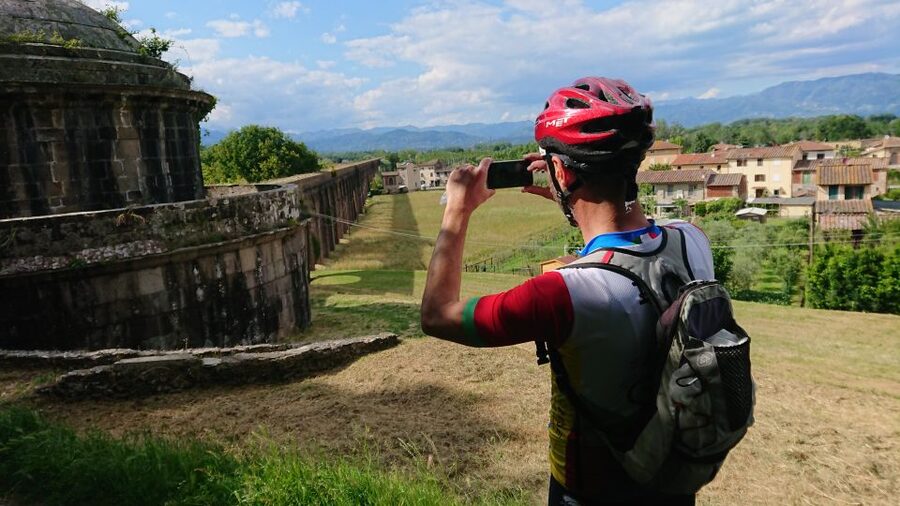
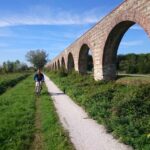
The ride follows the Serchio River, and the route is described as using the river’s natural features—its bed with water jumps and the bushy terraces along the way. Translation: you’re not riding through one long, identical strip of scenery. The river changes constantly, so even when you’re cycling “straight,” the surroundings keep moving.
One of the standout moments is the cycling path over the river. Crossing a waterway on a dedicated path tends to do two things: it gives you a reset for your legs and it creates that instant “we’re doing something special” feeling. If you like memorable photo points, this is your kind of section.
Timing matters here. The full plan is about 50 km round-trip, so you’ll want to keep the early pace controlled. If you go out like it’s a sprint, you’ll feel it when you return. If you go out steadily—enough to enjoy the scenery—you’ll arrive in Lucca with energy for the wall walk and street time.
Also, go in hydrated. The tour information specifically flags hydration, and with that river corridor you might not realize how warm it is until you’re halfway through.
Puccini’s trail: finding the corridor between Pisa and Lucca
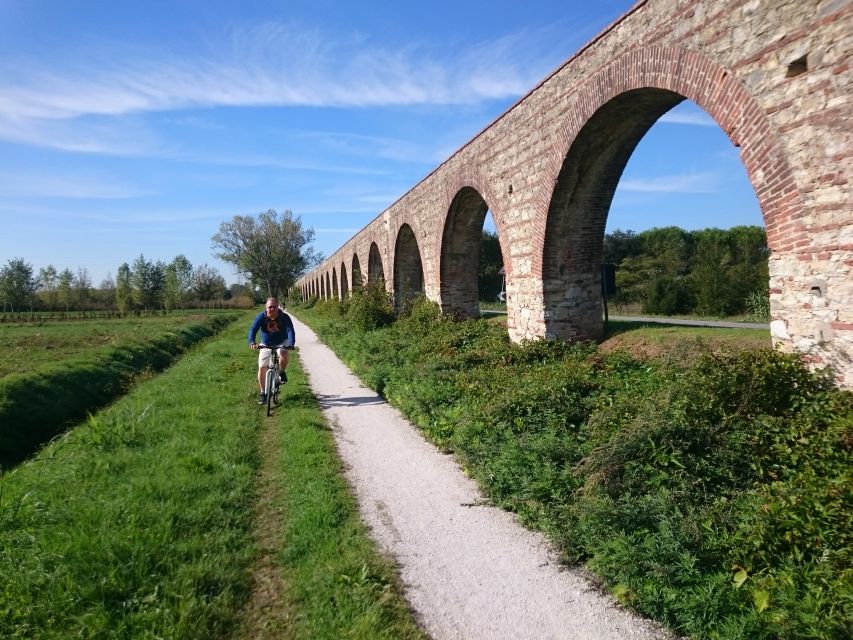
The Puccini cycling path is more than a name. It’s the connective tissue between the Serchio valley and Lucca, and that’s why it’s such a smart day format.
For you, the value is simple: fewer logistics, fewer decisions. You’re following a route designed to link areas rather than forcing you to piece together streets. And because it’s self-guided, you control when you check the phone and when you just let your legs settle into rhythm.
One practical note: the tour includes an application with an itinerary and a phone holder. That combination is important. A route app on a flat screen is one thing; a phone secured where you can glance without juggling it is another. It’s also why this tour gets strong feedback for navigation, including mention of a Bike GPX option.
If you’re the type who gets stressed by tech, treat the app like a map, not a boss. Before you roll, take 2 minutes to confirm you’re on the right segment. Then ride.
Arriving in Lucca: walls, Rocca di Ripafratta, and tower views
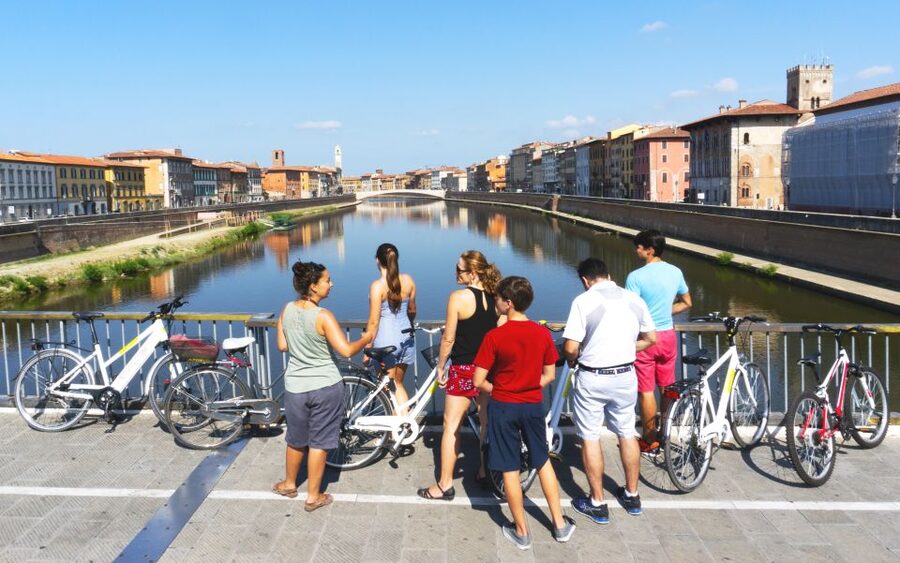
Lucca is where this tour earns its keep. The experience isn’t only “cycle there” and then wander. You’re guided—by your own eyes—into the city’s defensive and elevated sides.
As you reach the area connected to the ancient defenses, you’ll get access to Lucca’s medieval wall area. The route mentions the Rocca di Ripafratta, and that matters because it anchors what you see in real place history rather than random streets.
The path above the city walls is one of the most practical ways to see Lucca at once. From up there, you can take in the towers that rise above rooftops and get a “whole-city” perspective without paying for a viewpoint ticket. It’s also where the city feels most like itself—compact, walled, and layered.
Then comes the switch from open ramparts to the narrow lanes: downtown streets where towers show up over roofs, not beside them. If you like walking through older towns, this part is satisfying because you’re not just passing squares—you’re oriented by the walls first, then experiencing the streets like they’re revealed in layers.
Through Lucca’s main sights: Guinigi Tower, Via Fillungo, and the amphitheater squares
Once you’re in the historic core, the tour’s recommended sights create a nice balance: big landmarks plus everyday streets.
You’ll likely want to spend time around Guinigi Tower, famous for its hanging garden at the top. Even if you don’t go inside, just seeing it rising above the buildings gives you an instant landmark to orient yourself.
Then there’s Via Fillungo, highlighted for its ancient shops. This is one of those streets where you can browse slowly and still feel like you’re inside the city’s daily rhythm.
For squares, the route points you to two different styles of open space: the Roman amphitheater square and the square of Napoleon. Those two stops help you read Lucca’s timeline. You’re moving from Roman-era echoes to later chapters without needing a museum ticket schedule.
A small practical suggestion: plan your walking so you don’t zigzag too much. You’ll probably do best by choosing one direction through the streets, then returning to your bike when you’re ready to start the return ride.


Food stop logic: cecina, necci, buccellato, and Lucchese soup
Food and bikes can be tricky together because you don’t want a heavy meal that knocks your legs out for the ride back. That’s why I like that the tour gives you a clear set of local options to choose from in Lucca.
Expect to look for things like cecina (a chickpea-style savory cake), necci (chestnut pancakes) often served with ricotta, buccellato, and Lucchese soup. You won’t be forced into one restaurant, which is perfect for a self-guided format.
If you’re trying to be smart about the return trip, aim for something that’s filling but not slow to digest. A snack plus a short sit-down break is often the best middle ground. And since drinks aren’t included, grab water or something simple so you don’t start the second half running on fumes.
One extra note from what people report: the day can include pleasant “bonus” moments depending on timing and local events, and there’s at least one story of an event vibe showing up on the route near the coast-side portion. That’s not a guarantee, but it does signal that this area can surprise you in the best way.
Ride comfort: bikes, phone navigation, and what makes 50 km feel manageable
The tour provides a touring bike, along with the itinerary app and a phone holder. That’s the core comfort package: stable wheels for a long day, plus navigation that doesn’t require you to stop repeatedly.
Many people also mention bike quality and maintenance. If you’re picky about gear, this matters. A well-kept bike makes a 50 km day feel far less annoying, and it prevents those small annoyances (wobble, braking friction) from turning into leg fatigue.
About the app: strong feedback points to it working well in practice, not just on paper. You’ll want to keep it simple—follow the path, use the visuals to confirm you’re aligned, and trust the itinerary rather than trying to “shortcut” with your own instincts.
Effort level: the route includes a longer total distance, so pace is personal. One rider found it fairly easy, especially when using electric bikes, and that’s a useful clue for your planning. If you normally ride comfortably but don’t love distance, consider whether you’ll want extra help from an e-bike option if the provider offers it at pickup.
Either way, dress for riding. Comfortable clothes matter because you’ll be active for most of the 5.5 hours, not just stationary sightseeing.
Timing the day: making sure you still enjoy Lucca
A 5.5-hour window is enough time to ride out, arrive in Lucca, and enjoy the key sights—if you don’t rush. Your real “make or break” moment is how long you spend on the walls and in the historic streets.
I’d treat Lucca like this:
1) Wall walk for the views and orientation
2) Tower and main street for quick landmarks
3) One square moment for atmosphere
4) Food break that doesn’t ruin the ride back
If you do that, you’ll come back to Pisa with the feeling that you experienced the city, not just cycled past it.
Also, remember this is a private group. That doesn’t necessarily mean it’s a full escort the whole time, but it does mean you’re not competing with a huge crowd to get on the route or manage stops.
Price and value: is $40 a smart deal for Pisa to Lucca?
At $40 per person, the value is mostly about what’s included: a touring bike, the itinerary app, and the phone holder. For a 50 km day that delivers both riverside cycling and meaningful Lucca sightseeing, that price can be a bargain compared with paying for separate guided transport plus bike rental plus basic navigation help.
The main “value cost” you should factor in is what’s not included. Food and drinks aren’t part of the price, and that’s normal. You’re also responsible for bringing what’s listed—passport or ID card and a credit card—plus you’ll want to be sure your phone is ready for navigation.
Still, for you, the best sign of value is the structure. You’re not paying extra for someone to lead you turn-by-turn through every moment. You’re paying for access: the route plan, the bike, and the tools to follow it confidently.
If you want a cheap, satisfying day that moves you beyond Pisa’s most crowded corners, this fits.
Flexibility options: train backup or leaving the bike in Lucca
This tour is built with real-world flexibility in mind. If your legs are done—or you want to adjust pacing—you can use the regional train that can carry the bikes for a supplement ticket cost to return to Pisa. That’s a practical safety net for the day.
There’s also the option to leave the bike in Lucca for a supplement if that fits your travel plans better. For example, if you’re continuing your trip from Lucca, you avoid the stress of packing cycling logistics back into your schedule.
These options matter because they turn a 50 km day from a hard commitment into a controllable plan. You still get the full experience, but you’re not trapped if the weather or your energy shifts.
Who should choose this Pisa–Lucca bike day
I think this tour fits best if you want a day that feels both active and sightseeing-friendly. You’ll enjoy it if you like cycling at your own pace, enjoy riverside scenery, and want to spend real time in Lucca’s historic core.
It’s also a good match if you like the feeling of guided structure without constant talking in your ear. The app itinerary and phone holder give you direction, and the rest is yours—walls, towers, streets, and food stops.
It’s not suitable for children under 13, based on the tour info. And if you hate using your phone for navigation, be cautious: smartphone use is required for the itinerary.
Finally, consider your comfort with distance. The ride is 25 km each way, and while it can feel manageable for many people, it’s still a real cycling day. Plan breaks and pace early so you don’t arrive in Lucca already worn out.
Should you book this Pisa: Self-Guided Bike Tour to Lucca?
Book it if you want a smart, low-drama day that combines Serchio River riding with Lucca’s medieval walls and key landmarks like Guinigi Tower and the squares around the Roman amphitheater area. The price is hard to beat for what’s included, and the app + phone holder setup makes self-guiding feel genuinely doable.
Skip or reconsider if you need a fully guided, conversation-heavy experience or if your phone battery life is unreliable. Also, treat the distance seriously: you’re committing to 50 km total, with the best payoff coming from taking time on the walls and walking through the streets.
If you like cycling and you want Lucca to feel like more than a stop on a bus route, this one is worth your time.
FAQ
How long is the Pisa to Lucca bike tour?
The tour lasts about 5.5 hours.
How far do I ride to reach Lucca?
You ride 25 km to reach Lucca.
What’s included in the price?
Included are a touring bike, an application with the itinerary, and a phone holder.
Are food and drinks included?
No. Food and drinks are not included, so you’ll want to plan a stop in Lucca.
Do I need a smartphone for the tour?
Yes. A smart phone is required for the itinerary.
Can I return to Pisa without biking the full way?
Yes. You can take the regional train carrying the bikes for a supplement ticket cost to return to Pisa.
Can I leave the bike in Lucca?
Yes. There is a possibility to leave the bike in Lucca for a supplement (ask at the bike rental).
Is this tour suitable for kids?
No. It’s not suitable for children under 13 years old.