REVIEW · ERCOLANO
Herculaneum: Skip The Line Entrance ticket + Audioguide
Book on GetYourGuide →Operated by Tempio Travel Pompei Tickets · Bookable on GetYourGuide
Herculaneum tells its story quietly. This ticket combo gives you skip-the-line entry and an audio guide so you can wander the archaeological park without being rushed or locked to someone else’s interests.
I especially like that the audio guide comes with a map and uses numbered stops, which helps you connect ruins to real places and daily life. The only real snag is practical: hearphones aren’t included, and the audio-guide desk can be a little tricky to spot at the entrance.
In This Review
- Key highlights to know before you go
- Herculaneum: the “smaller” Roman ruin that hits harder
- Skip-the-line + pickup at the Entrance Audioguide Desk
- How the audio guide works (and why it matters here)
- What you’ll actually see inside Herculaneum
- Timing, walking, and the “no-café” reality
- Price and value: is $35 for ticket + audio guide fair?
- Practical details that can make or break your experience
- Who should book this (and who might want a different style)
- Should you book this Herculaneum Skip-the-Line ticket + audio guide?
- FAQ
- How long do I get inside Herculaneum with this ticket and audio guide?
- Where do I pick up the audio guide?
- Do I get headphones with the audio guide?
- What languages are available for the audio guide?
- What ID do I need to hire the audio guide device?
- Can I cancel for a refund?
Key highlights to know before you go
- Skip-the-line entry helps when the site is busy and you want to start fast.
- Self-guided pacing means you can spend longer where you care most.
- Audio guide + map + numbered areas make sense of a site that has little on-site interpretation.
- You’ll walk a lot outdoors, so comfortable shoes matter.
- No food on site besides vending machines, so plan your timing and snacks.
Herculaneum: the “smaller” Roman ruin that hits harder

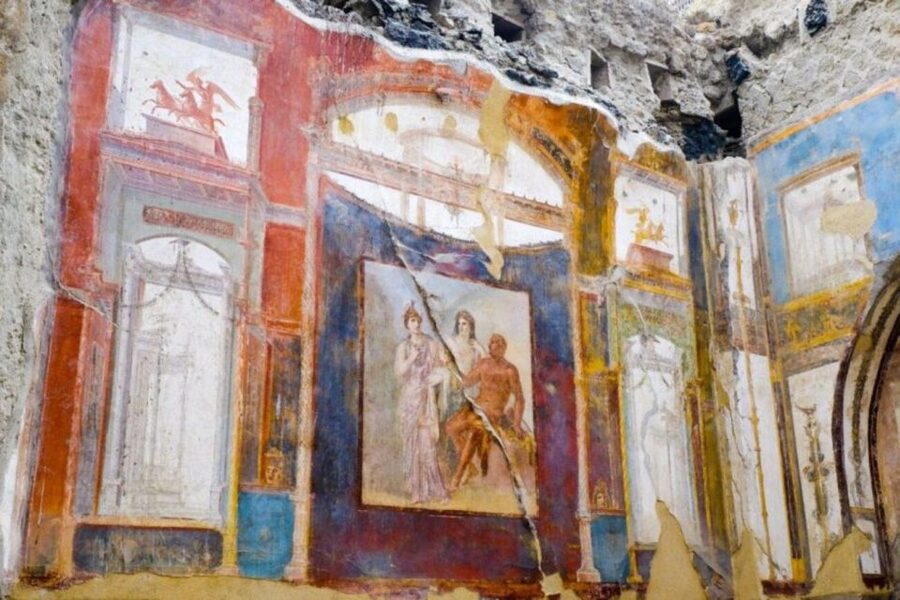
Herculaneum is a Roman town buried by the 79 AD eruption of Mount Vesuvius. The result is a rare kind of time capsule: buildings, streets, and household details that feel more like everyday life than just scattered stone.
What I like most is that it’s easier to manage than Pompeii. You don’t need to sprint from one highlight to the next. A lot of visitors find they can actually slow down, look closely, and still finish feeling like they saw the core of the park. If you only have a half-day (or you don’t want the stress of a long guided schedule), this is a strong match.
And yes, it’s a somber visit. One reviewer summed it up as “very sobering” in a very direct way. If that mood fits what you’re looking for, you’re in the right place.
You can also read our reviews of more tours and experiences in Ercolano.

Skip-the-line + pickup at the Entrance Audioguide Desk
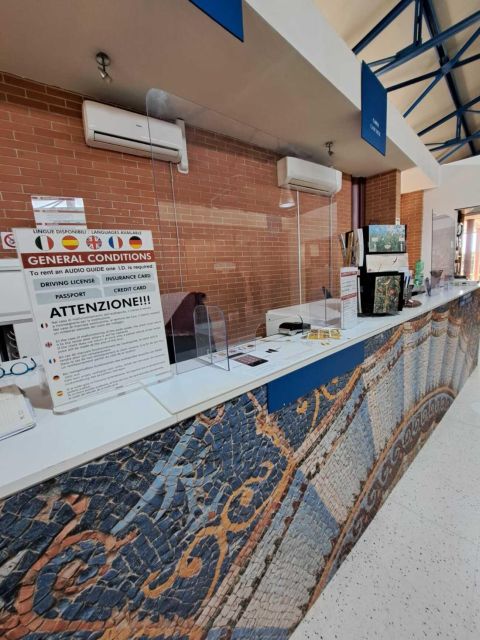
This is a simple combo: entrance ticket + an audio guide. The payoff is that you aren’t stuck waiting in the longest lines to get in. Instead, you go straight to the entrance area, then look for the Audioguide Desk to collect your device and map.
The meeting point is clear, but the entrance area can still be a little confusing. One booking described spotting multiple entrance signs pointing different ways. My advice: don’t stress if you don’t see a single obvious sign. Follow the flow to the entrance zone and keep your eyes on where staff are handing out the audio guides.
Also, plan to arrive with enough slack to handle the pick-up process without cutting into your sightseeing time. If you’re already feeling rushed because of train schedules, skip-the-line access helps, but your audio-guide setup still takes a few minutes.
How the audio guide works (and why it matters here)
This visit is self-guided, so the audio guide is your main interpretive tool. You’ll get a device plus a detailed site map, and the system uses numbers tied to buildings and areas. That’s important because Herculaneum is spread through streets and alleys, and without context it can be easy to feel like you’re looking at ruins without the story.
I like audio guides best when they do two things:
1) give you a reason to look at a specific spot, and
2) help you keep moving through a large layout without getting lost.
That’s exactly what this one is set up to do. You can stop whenever you want, replay points if needed, and choose your own route through the park while staying within the opening hours.
A couple of practical notes from real-world use:
- The guide is available in Italian, German, English, French, and Spanish.
- Some listeners found the language a bit “high-brow” or needed updates. That doesn’t ruin the visit, but it’s good to know you may not always feel like it’s written for kids or beginners.
- If you were planning to use Bluetooth headphones, you might run into pairing issues, depending on the device setup. The safest move is to bring wired earphones that you already know work well and fit comfortably.
What you’ll actually see inside Herculaneum
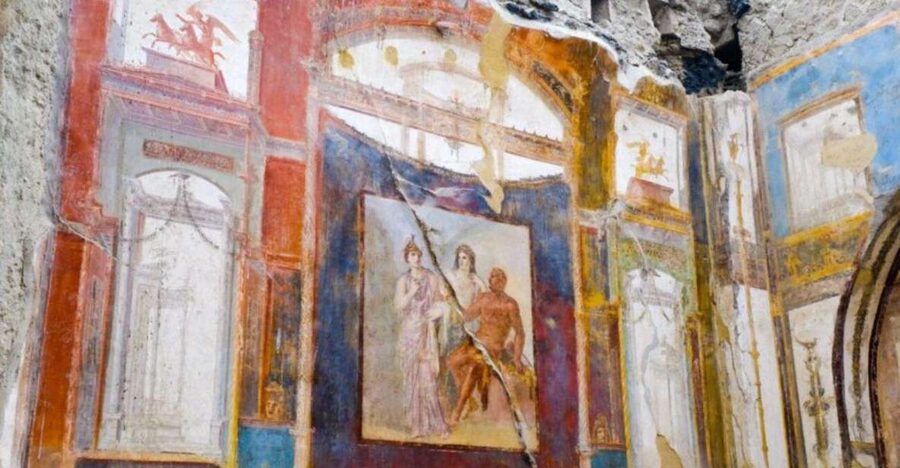
Your time inside is built around walking through an ancient town that’s remarkably well preserved. Expect houses, villas, streets/alleys, and mosaics, all tied to the everyday Roman life that survived underground until modern excavation.
A helpful mindset: treat this like a neighborhood walk with a lesson plan. Don’t aim to absorb everything at once. Pick several areas that match your interests, then let the audio guide explain what you’re looking at while you stand in place.
Here’s how it tends to feel in practice:
- You navigate by map and numbered points. Instead of floating, you get guided wayfinding cues.
- You slow down in the spots that look “domestic.” Reviews specifically called out how the audio guide made it easier to focus on areas of interest.
- You notice preservation details more clearly. Herculaneum is compact enough that you can actually look closely, rather than spending the whole day in transit.
One caution: two hours may not feel like enough if you want to see everything at a careful pace. A reviewer said two hours wasn’t enough, which matches what many people feel at smaller sites where you keep stopping. If you have strong interests in Roman domestic life or art details like mosaics, plan closer to the top end of your time.
Timing, walking, and the “no-café” reality
This experience is listed as 3 hours. Since you’re self-guided, that number is less about a strict route and more about giving you a realistic window to do the essentials. Many people finish in about 2.5 hours if they keep a steady pace, but you’ll likely lose time if you stop often to listen closely.
The site is outdoors, and the activity takes place rain or shine. Pack like it’s a walking tour, not a museum visit in comfort. Comfortable shoes are not optional here.
Food and drink are the other big logistics point. One review was blunt: there’s nowhere to get food or drink except vending machines, and no café or restaurant was available. That means:
- bring a snack if you’re prone to getting hungry mid-walk,
- carry water,
- don’t assume you can buy lunch on site.
Also remember that there may be a walking connection from transport to the park. One reviewer noted a half-mile walk downhill from the station to the site. Even if you take it easy, it’s smart to factor that into your schedule and energy level.

Price and value: is $35 for ticket + audio guide fair?
At about $35 per person for entrance plus the audio guide and map, the value depends on how you like to travel.
If you’re the type who hates being rushed, the self-guided format is a big deal. You’re not competing with a group rhythm or worrying that you’ll miss something because you arrived late to the next meeting point. Several reviews praised the audio guide as invaluable because it provides information where you otherwise wouldn’t get much.
On the other hand, if you prefer live explanations from a person, this won’t replace that. There’s no guided narration included—this is you and the device.
There’s also the “buy smarter” angle. One review claimed the site is free on Sundays and said they had to request a voucher/refund after paying through a third-party platform. I can’t promise that outcome for your purchase, but I’d treat it as a warning sign: if a day of the week matters for pricing, verify on the official site before you pay full price.
So is $35 worth it? For many visitors, yes—especially because the audio guide is included and the park is easier to explore on your own. If you’re traveling with your own earphones and you plan to spend real time listening, you’ll likely feel like you got your money’s worth.
Practical details that can make or break your experience
Here are the small rules that actually matter on the ground:
- You need valid identification for audio-guide hire: passport or ID card (a driving licence was also mentioned).
- Devices must be returned before office closing time.
- In case of loss, damage, or theft, the user is responsible for repair or replacement costs. Treat the equipment like it’s your phone battery—keep it safe.
Hearing comfort is also a real-life issue. Hearphones aren’t included, so bring your own earphones if you can. One reviewer described the device being sensitive when held close to the ear and having issues if the face touched it. That’s not a reason to skip the visit. It just means you should pack basic tech you’re comfortable with.
Finally, remember this is a self-guided setup. If you run into any confusion at the start (like not spotting the pickup desk right away), slow down, re-check where the Audioguide Desk is, then begin. Once you’re moving, the system is designed to keep you on track through the numbered points.
Who should book this (and who might want a different style)
This ticket + audio guide works best for:
- you want control over your pace,
- you like learning while walking,
- you don’t want to feel tied to a group tour schedule,
- you’re visiting alongside another plan (some people pair it with a Vesuvius trip in the same day).
You might consider a guided tour instead if:
- you strongly prefer a human guide to answer questions,
- you’re easily frustrated by device tech or pairing issues,
- you need more hand-holding to navigate.
The good news is that because the park is smaller and more manageable than Pompeii, your self-guided time doesn’t have to be stressful. You can wander, listen, and still end the day feeling satisfied.
Should you book this Herculaneum Skip-the-Line ticket + audio guide?

I’d book it if you want a calm, focused visit where you can linger over the parts that interest you—especially because the audio guide is described as filling a real gap on site. The combo also saves time at entry, which matters when your whole day is built around train schedules and limited daylight.
I would think twice only if:
- you hate audio-guide tech and don’t want to bring your own earphones, or
- you arrive expecting food options on site (plan snacks instead), or
- you’re aiming to squeeze in “everything” with only the minimum time.
If you can handle a self-guided walk, comfortable shoes, and bringing your own earphones, this is a strong, practical way to experience Herculaneum.
FAQ
How long do I get inside Herculaneum with this ticket and audio guide?
The duration is listed as 3 hours. Since the visit is self-guided, you can explore at your own pace within the opening hours.
Where do I pick up the audio guide?
You need to go to the Entrance and look for the Audioguide Desk.
Do I get headphones with the audio guide?
No. Hearphones are not included.
What languages are available for the audio guide?
The audio guide languages are Italian, German, English, French, and Spanish.
What ID do I need to hire the audio guide device?
A valid passport, identity card, or driving licence is required for audio-guide hire.
Can I cancel for a refund?
Yes. Free cancellation is available up to 24 hours in advance for a full refund.