REVIEW · LJUBLJANA
Bike Slovenia Green: Alps to Adriatic 8 days cycling tour
Book on Viator →Operated by Visit GoodPlace · Bookable on Viator
Eight days, one quiet cycling rhythm.
This Alps-to-Adriatic route connects Slovenia Green certified destinations, so you’re not just chasing views; you’re riding through places that actively manage tourism the smarter way. I like how the itinerary strings together classic highlights (Bled, Bohinj, Soča) with more regional wins like karst villages and wine country. One thing to think about: the tour is designed for moderate fitness, and you’ll still face some uphill bursts and gravel bits along the karst days.
The best part for me is the logistics that reduce stress. You get 7 nights in 3/4-star hotels or guest houses, plus baggage transfer between stages, and navigation support via GPX tracks and a map/tour booklet pack. I also like that there’s a built-in rail moment: you take a historic train ride from Bohinjska Bistrica to Most na Soči, which breaks up cycling without turning the day into a chore. The possible drawback is simple: bike rental isn’t included, so you’ll need to line up your wheels in advance if you don’t already have them.
If you want a bike trip that feels self-paced but not confusing, this is a strong match. You’ll get a clear structure, scenic variety, and plenty of “get off the bike and look closer” moments—just don’t expect a flat cruise for all eight days.
In This Review
- Key things that make this ride work
- Entering Slovenia Green: why this route feels different
- How the tour runs: hotels, luggage, and navigation (so you can actually enjoy it)
- Kranjska Gora start: Julian Alps air and three nature options
- Bled day: Triglav-country views plus the classics
- Bohinj day: the lake that often steals the show
- Soča Valley shift: a rail ride plus emerald-water riding
- Karst around Gorizia and Štanjel: Peace Memorial, cellars, and stone towns
- Prosciutto, caves, and Lipica horses: karst day with real personality
- Koper finale: Škocjan caves, Rižana River, and the Parenzana track
- Price and logistics: what $129 actually buys you
- Who this tour suits best (and who should think twice)
- Should you book Alps to Adriatic Bike Slovenia Green?
- FAQ
- How many nights and cycling days are included?
- Where does the tour start and what’s the meeting point?
- Is luggage carried for you?
- Do you get navigation support like GPX tracks?
- Is there a train ride during the trip?
- Are food tastings included?
- Is bike rental included in the price?
- What level of fitness do you need?
- Is pickup or airport transfer included?
- Can I book this as a private group?
Key things that make this ride work
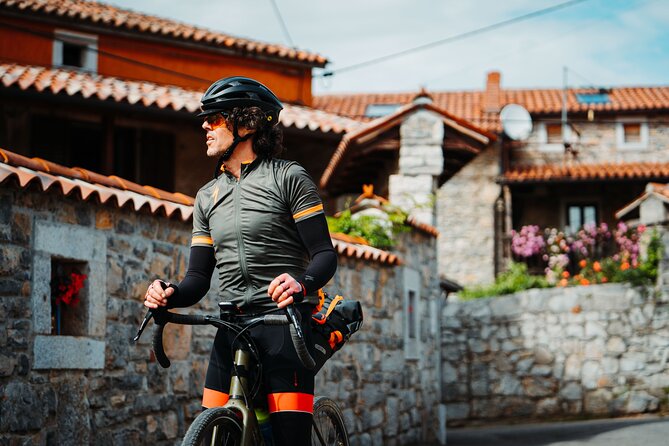
- Slovenia Green certified stops connect the dots between scenery and responsible tourism.
- GPX + maps + online briefing help you ride confidently without constantly second-guessing roads.
- Historic rail from the Alps to the Soča Valley adds a change of pace and scenery.
- Cheese in Bohinj and wine in Brda bring local flavor into the rhythm of the route.
- Karst days mean caves, stone villages, and the Parenzana railway track along the way to the coast.
- Lipica Stud Farm gives you a memorable cultural break between cycling segments.
Entering Slovenia Green: why this route feels different
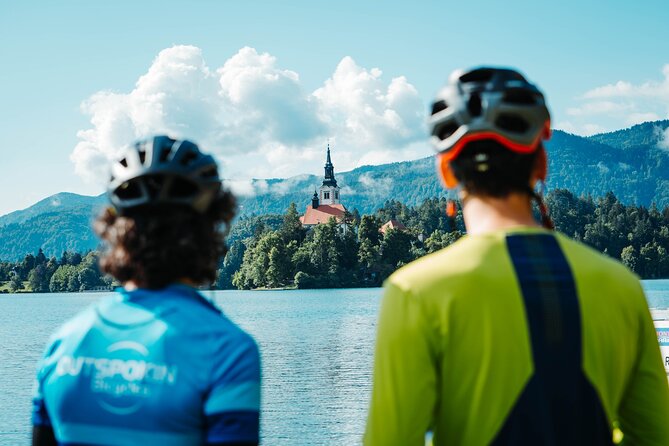
Slovenia is small, but it’s not one-note. This tour is built like a guided journey through distinct regions: alpine valleys, emerald rivers, gentle wine country, then karst plateaus and coastal roads.
The Slovenia Green idea is practical. It’s not just a marketing label you ignore. Instead, the route repeatedly points you toward places that try to manage visitor pressure and protect what makes the destination worth visiting in the first place. If you like the feeling of doing something “right” without turning the trip into a lecture, this style suits you.
And because the trip uses real towns—rather than only scenic byways—you end up with time for short walks, local food moments, and viewpoints that don’t require heroics to reach.
How the tour runs: hotels, luggage, and navigation (so you can actually enjoy it)
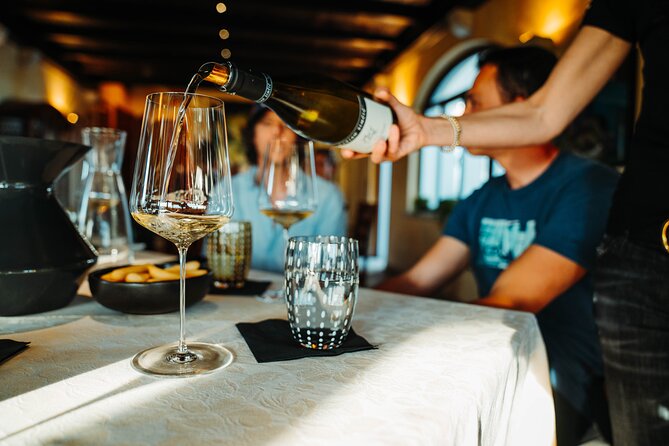
This is a private tour, meaning your group is the only one riding on this schedule. You sleep for 7 nights in hotels or guest houses, and you won’t have to carry your bags from one place to the next. Baggage transfer is included between tour stages.
On the route side, you get a navigation pack with GPX tracks, maps, and a tour booklet, plus an online briefing before departure. That’s the kind of support that helps if you want to ride on your own time but still prefer fewer wrong turns and less guesswork. In some cases, navigation may also be supported through a route app experience using the provided track data.
There’s also help when things go sideways: a 24/7 hotline number is included. And from the way the provider responds to questions, you may interact with a dedicated GPX/navigation specialist such as Matic, who is specifically referenced as a master of GPX tracks in the area.
One important note: the package does not include bike rental. If you don’t already own a bike, you’ll want to plan that part early so your vacation starts smoothly.
Kranjska Gora start: Julian Alps air and three nature options
You begin with an overnight in Kranjska Gora, at the foot of the Julian Alps. The area is set up for outdoor lovers in every season, and it’s a good “warm start” because the town itself supports an active, low-key vibe.
If you want a quick add-on on your first day, you can choose between:
- Jasna Lake (crystal clear, time permitting)
- Zelenci Natural Reserve (a moorland famous for colors and views)
- Planica Nordic Center (home to the once-highest ski jumping hill)
This matters because the first day sets your mental pace. You’re not thrown into a “bike all day or else” situation. You get options, you get context, and you get a feel for the Slovene alpine rhythm before you roll into bigger tourist pull-points.
Bled day: Triglav-country views plus the classics
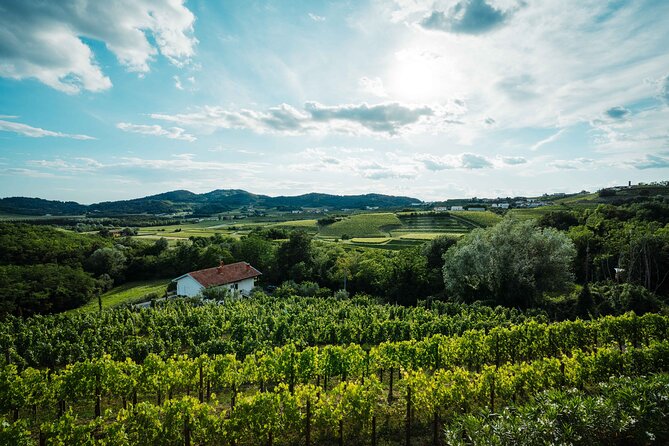
From Kranjska Gora, you cycle into Mojstrana and then the Radovna River Valley. Since the area links into Triglav National Park, mass tourism is limited here, which usually means a calmer ride and more room to breathe.
A highlight on the way is Vintgar Gorge, listed as a dramatic 1.6-kilometer-long stretch. The route style is also described as easy cycling paired with mountain-top views and meadows where horses graze. That’s the kind of scenic combo that makes a “moderate day” feel pleasantly easy even if your legs notice the climbs.
Then you reach Lake Bled, where you’ll have time to do the classic triangle:
- the small island in the middle of the lake
- Bled Castle above town
- trying Kremšnita (the famous Bled cake)
One practical tip: plan your Bled time so you’re not sprinting from viewpoint to viewpoint. If you’re riding hard earlier in the day, treat the lake as the payoff, not a checklist.
Bohinj day: the lake that often steals the show
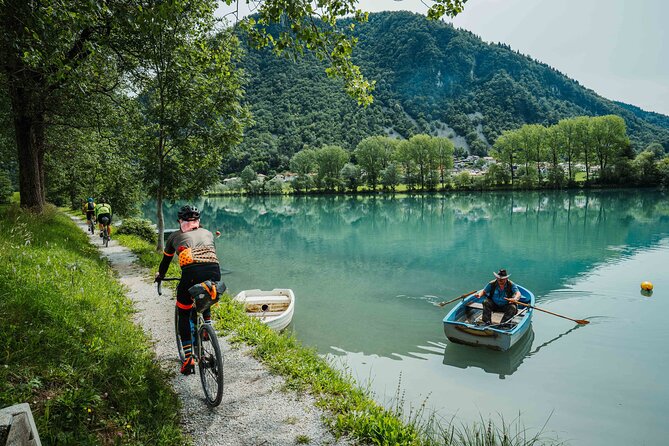
The next stage brings you to Lake Bohinj, and the feel changes in a good way. You cycle along the Sava Bohinjka from Bled toward its source area around Lake Bohinj, with suspension bridges and side tributaries along the way.
There’s a natural stop worth building your day around: Grmečica natural waterfall, with a deep green pool. That’s the type of scene that makes photos look like less than the real thing because the water color and the surrounding greenery are part of the effect.
The cycling is described as short and moderately demanding overall, and the route uses mostly asphalt with some forest roads. That mix is great if you want comfort but still like the sense that you’re not on a perfectly engineered bike lane the whole time.
Once you arrive, Bohinj has a reputation for topping even Bled in personal satisfaction. The tour description calls it the largest natural lake in Slovenia, and you’ll see why people keep choosing it once they’ve been there.
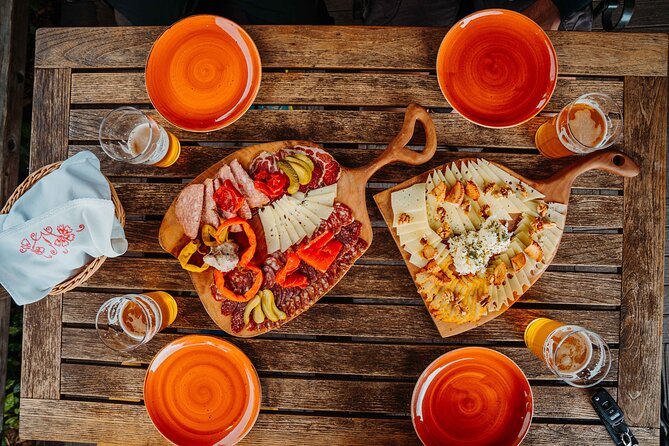
For local flavor, the tour includes cheese tasting in Bohinj, which is exactly the kind of add-on that feels like part of the journey rather than an extra stop you resent.
Soča Valley shift: a rail ride plus emerald-water riding
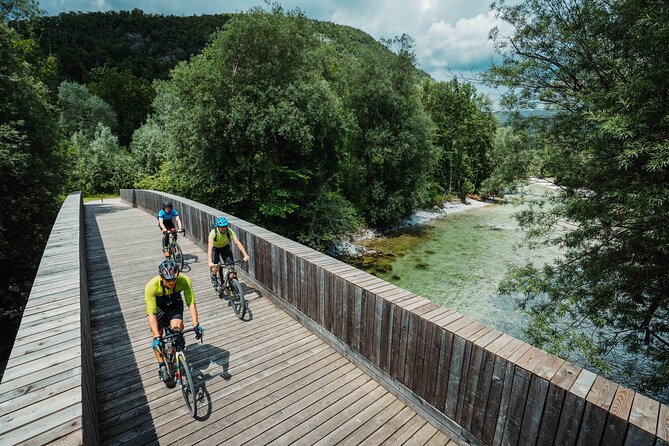
One of the smartest parts of this itinerary is the switch from alpine valley cycling to the Soča Valley via train. You take a panoramic train ride from Bohinjska Bistrica to Most na Soči. This rail line was built at the beginning of the 20th century to connect Austria and Germany with Trieste.
That context matters. You’re not just hopping on a train for convenience. You’re riding a historic route that literally connects inland Europe to the Adriatic world.
After you arrive at Most na Soči, you get the signature Soča look: emerald waters and a river setting that feels dramatic even when you’re not climbing a mountain.
Then the day transitions toward wine country in Goriška Brda. You’ll pass a view tower in Gonjače, and the day ends around Šmartno with the chance for wine tasting and a hearty local meal. The pairing is excellent: you go from river beauty to vineyard culture without turning the day into a random mash-up.
Karst around Gorizia and Štanjel: Peace Memorial, cellars, and stone towns
Karst is where Slovenia becomes extra interesting. Stone shaped by water and people shows up as caves, plateaus, and villages with a very different feel than the Alps.
Your day starts with short climbs and descents, with a stop that ties the route to the region’s modern history: you cycle toward the romantic Italian city of Gorizia, then come back to the Slovenian side. The route follows the Vipava and Branica rivers before you push toward the karst world.
You have options depending on how much you want to work for the view:
- You can take the harder route and visit the Peace Memorial in Cerje
- You can climb to a lookout tower for a broader sweep of the area
Then the itinerary moves to Kostanjevica na Krasu, a typical karst village. The Karst Wine Route is also part of the story, with 100 wine cellars named as part of that network.
The day’s final stop is Štanjel, an old settlement with a castle and the Ferrari Garden. Even if you’re not a garden person, the main point is the architecture: stone-built traditional houses that make Štanjel feel like it has retained its own pace. It’s a solid place to end a cycling day because you can slow down without needing a car or another big excursion.
Prosciutto, caves, and Lipica horses: karst day with real personality
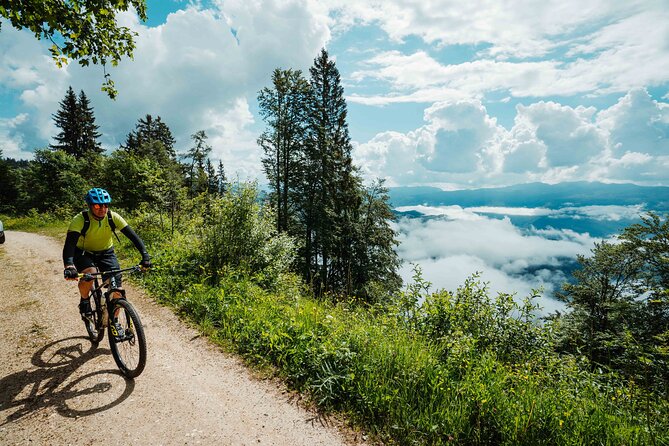
The next cycling segment continues across karst terrain, where you’ll notice the repeated theme of stone and dry vegetation. The tour description points out that Slovenia has over 14,000 recorded caves, with 20 show caves—so you’re riding through a region where caves are part of the identity.
A food stop shows up early: Prosciuterria Ščuka in Pliskovica. It’s a boutique family-owned prosciutto drying facility using a classical seasoning process. If you like your food stops to be specific rather than generic, this one hits the mark.
From there, you ride toward Sežana and end at the Lipica Stud Farm, home of Lipizzaner horses since 1580. That’s not a “quick photo and leave” kind of place. It’s a cultural anchor that makes the last part of the week feel like you’re seeing Slovenia beyond just scenery.
Koper finale: Škocjan caves, Rižana River, and the Parenzana track
Your final cycling day includes a big off-bike moment: Škocjan caves, a UNESCO site you can visit near nearby Divača. The description emphasizes the cool, underground world. It’s a smart counterbalance to hours in open air.
Then you head back onto the karst plateau and descend toward the coast area. The day includes steeper descent and then easier cycling along the Rižana River, followed by riding along the Parenzana railway track.
The Parenzana was a narrow gauge railway in operation in the early 1900s, connecting Trieste and Poreč. Now it’s defunct, and you get the slower, flatter “rail-trail” style of riding, which is ideal near the end when you want to save energy for enjoying the destination rather than fighting terrain.
You finish in Koper, a historical coastal town that meets Istrian countryside life. The tour also points to the nearby Škocjanski Zatok Nature Reserve, described as the largest brackish wetland in Slovenia and a peace-zone for people and animals. It’s a nice way to cap the week with calm, not chaos.
On the last day, you’ll have breakfast in Koper and then get a transfer arranged to the tour starting point or to Ljubljana airport.
Price and logistics: what $129 actually buys you
The published price is $129 for the 8-day experience. On paper, that sounds like a steal—especially because the package includes 7 nights in hotels/guest houses, baggage transfer, and support tools like GPX navigation and a hotline.
Now, here’s the practical side: bike rental is not included, and you’ll still need to handle your own insurance and personal cycling gear. The tour also notes optional dinners and breakfast add-ons.
So the value equation looks like this: if you already have a bike (or you’re able to arrange one without stress), you’re likely getting a strong deal on the “in-between” costs that usually make self-guided trips expensive—hotels, transfers, navigation materials, and day-to-day organization.
If you need to rent a bike through a separate vendor, your total budget will change. Still, you’re paying for less uncertainty, which is often what you want from a planned cycling holiday.
Who this tour suits best (and who should think twice)
This tour is a good fit if you want a self-guided style supported by clear navigation tools and you like seeing multiple regions without needing to research everything yourself each morning.
It’s best for you if:
- you have moderate fitness (the route includes climbs/descents and some gravel elements)
- you enjoy mix-and-match days with viewpoints, food stops, and short breaks
- you want both famous sights and regional character like karst towns and wine areas
It might be less ideal if:
- you need fully flat riding every day
- you’re not comfortable with occasional uneven road surfaces
- you don’t plan to secure a bike rental ahead of time
Should you book Alps to Adriatic Bike Slovenia Green?
I’d book it if you want a structured route that still gives you freedom to stop, look, and enjoy local food. The combination of alpine lakes, the Soča Valley river scenery, karst culture, and the coastal finish in Koper is a well-balanced “big Slovenia” sampler.
I’d hesitate only if your cycling comfort level is low for climbs or gravel, or if you’re starting from zero with bike logistics. This tour rewards riders who show up ready to follow GPX tracks, take in historical and natural stops, and let the day unfold at a steady pace.
If that sounds like you, this is the kind of trip where your photos start with lakes and end with a coast breeze, and the middle stays interesting the whole way through.
FAQ
How many nights and cycling days are included?
You get 7 nights of accommodation and 6 cycling days.
Where does the tour start and what’s the meeting point?
The tour starts in the Kranjska Gora area, with transfers from Ljubljana (Brnik) Airport listed as the arrival transfer.
Is luggage carried for you?
Yes. Baggage transfer between tour stages is included.
Do you get navigation support like GPX tracks?
Yes. You receive a navigation pack including GPX tracks and maps, plus a tour booklet and an online briefing before departure.
Is there a train ride during the trip?
Yes. There’s a train ride from Bohinjska Bistrica to Most na Soči.
Are food tastings included?
Yes. The package includes cheese tasting in Bohinj and wine tasting in Brda.
Is bike rental included in the price?
No. Bike rental is not included.
What level of fitness do you need?
The tour lists a moderate physical fitness level.
Is pickup or airport transfer included?
Yes. You have an arrival transfer from Ljubljana Airport to Kranjska Gora, and a departure transfer from Koper to Ljubljana Airport or the tour starting point.
Can I book this as a private group?
Yes. It’s listed as a private tour/activity, so only your group participates.