REVIEW · AMSTERDAM
Amsterdam: Museum of the Canals Ticket with Audio Guide
Book on GetYourGuide →Operated by Museum of the Canals / Grachtenmuseum · Bookable on GetYourGuide
Amsterdam’s canals explain the city fast. With a ticket to the Museum of the Canals (Grachtenmuseum) in a 17th-century canal house on the Herengracht, you get a multimedia look at how Amsterdam grew around its waterways plus an audiotour you can follow at your pace. I especially like the setting—classical period rooms inside a historic canal home—and the way the museum connects the canal system to everyday life. One watch-out: the multimedia presentation includes animation, and if you’re sensitive to production quality, that part may feel a bit dated.
This is a straightforward, self-guided museum experience in the city center. The audio guide is offered in many languages, and the museum is wheelchair accessible, which makes it easy to plan without guesswork. If you want the best flow, focus on the permanent exhibition first (that’s the canal core), then add temporary exhibitions only if you still want more.
In This Review
- Key takeaways before you go
- A canal ticket that turns Amsterdam into a story you can follow
- Entering the Grachtenmuseum in a classic 17th-century canal house
- The multimedia exhibition: 400 years of Amsterdam told through canals
- Your audio guide: languages and how to use it well
- Permanent exhibitions and the canal house rooms you should prioritize
- Temporary exhibitions: good add-on if you still have energy
- Timing a 1-day visit: start times matter
- Price and value: about $22 for entry plus an audio tour
- The one potential drawback: animations that may feel outdated
- Who this museum suits best in Amsterdam
- Should you book the Museum of the Canals ticket?
- FAQ
- How long is the Museum of the Canals ticket valid?
- What’s included with the ticket?
- Is there an audio guide, and what languages are available?
- Where is the museum located?
- Are food and drinks included?
- Is the museum wheelchair accessible?
- Can I cancel, and is pay-later available?
Key takeaways before you go
- 17th-century canal house setting on Herengracht
- Permanent + temporary exhibitions included
- Multimedia canal story framed as past and future
- Audio guide in Dutch, English, German, French, Spanish, Italian, Russian, Japanese, Chinese
- About $22 for a 1-day museum visit with audio
A canal ticket that turns Amsterdam into a story you can follow
If Amsterdam feels confusing on your first day—everything canals, bridges, bicycles, and houseboats—this museum helps you make sense of the “why.” The Museum of the Canals is built around one idea: Amsterdam’s canals aren’t just scenery. They’re the reason the city could grow, move people, and function like it does.
I like that the museum doesn’t treat canals as a single old attraction. It frames them as a living system, tied to both history and what the city needs going forward. That’s a good fit for first-timers who want context without drowning in facts, and for repeat visitors who want a sharper explanation than they get from simply strolling along the water.
You can also read our reviews of more tours and experiences in Amsterdam.


Entering the Grachtenmuseum in a classic 17th-century canal house
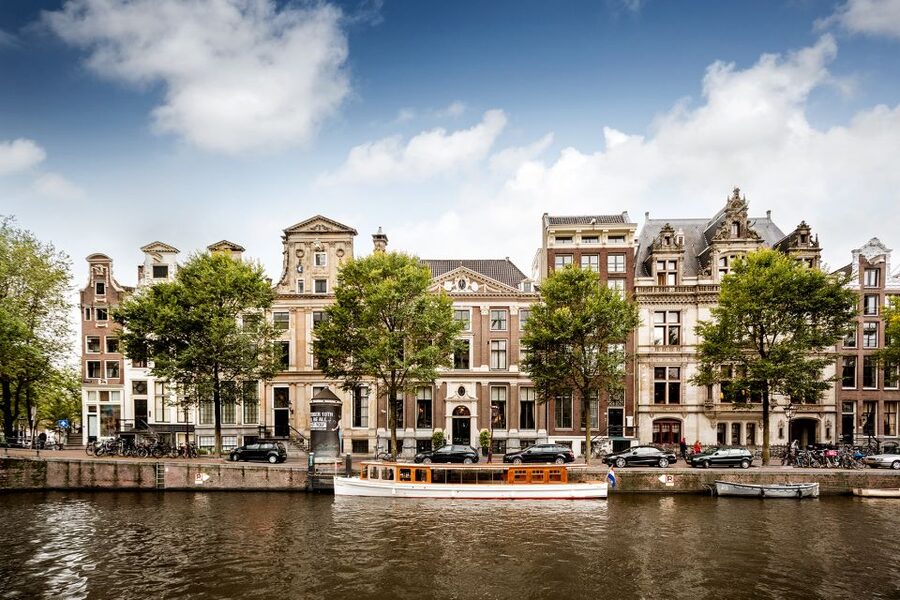
You’ll visit the museum in a 17th-century canal house on the Herengracht, right in Amsterdam’s city center. That matters more than you might think. You’re not just reading about canal-era wealth and engineering—you’re standing inside a building from the period the museum is trying to connect to.
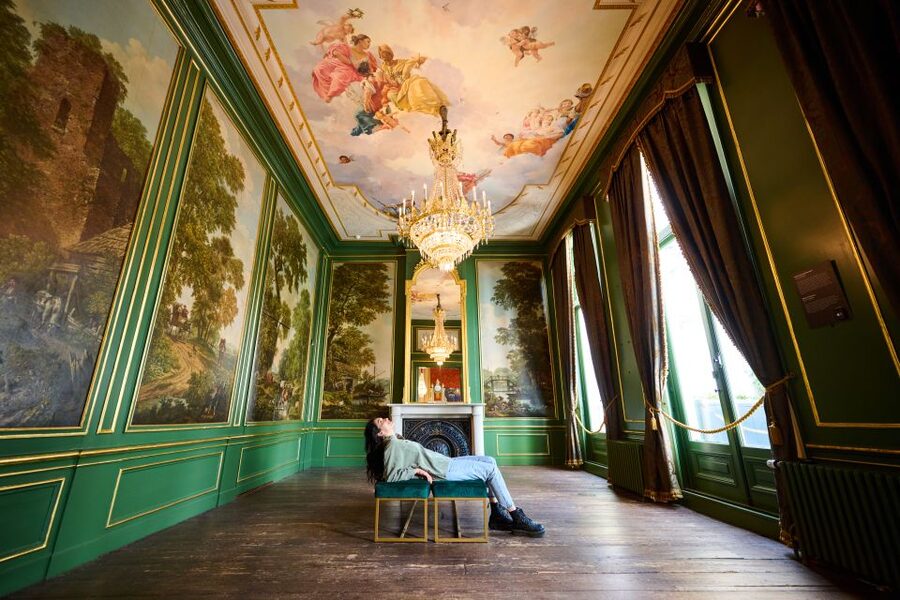
The museum includes classical period rooms, so the interior gives you a time-and-place feeling while you learn. Even if you only remember a few details, the setting helps the story stick. It’s one of those experiences where the building becomes part of the teaching, not background decoration.
Practical note: you don’t need a tour group schedule for this to work well. The ticket covers entry to what you want to see, and your audio guide helps you pace yourself through the rooms and galleries.
The multimedia exhibition: 400 years of Amsterdam told through canals
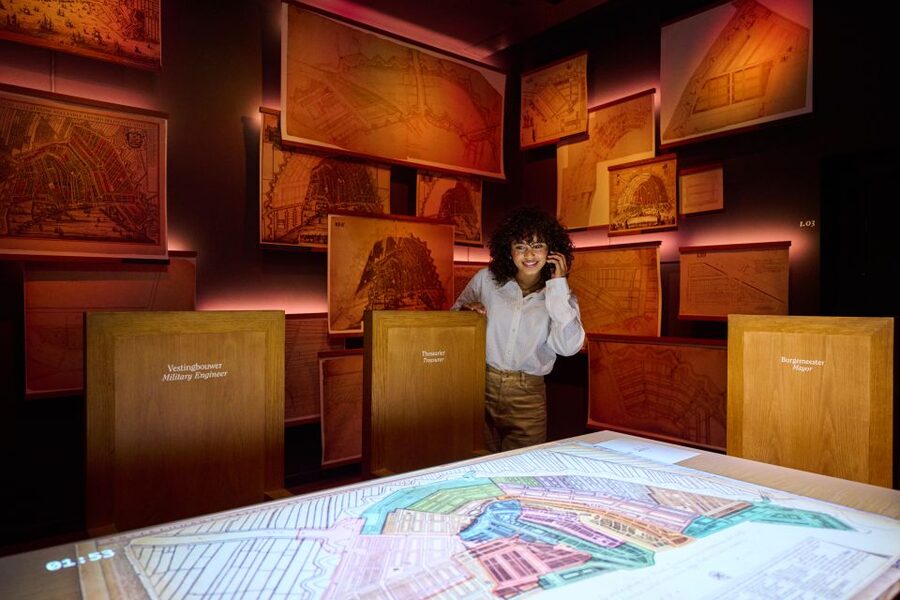
The core of the visit is a multimedia exhibition that looks at Amsterdam’s evolution through the canal network. The museum sets the starting point roughly 400 years back, so you get a long view rather than a “highlights only” version of canal history.
What I find most useful is that the museum keeps the story connected to function. Canals aren’t presented as decoration. They’re framed as the movement system for the city—how people and goods traveled, how the city operated, and how that approach still matters now.
In other words, you’re not just learning “what happened.” You’re learning why the canals were built that way and why the city keeps treating the waterways as central to its future. That’s the difference between a museum that’s entertaining and one that changes how you interpret the streets when you walk outside.
Your audio guide: languages and how to use it well
Included with your ticket is an audio tour in a wide range of languages: Dutch, English, German, French, Spanish, Italian, Russian, Japanese, and Chinese. The host or greeter is listed as Dutch and English, but the audio guide is where most of your learning comes from.
Here’s how I’d use it to get more out of the visit:
- Use the audio guide to keep your attention from wandering. When you’re in a museum full of rooms, it’s easy to drift from one display to the next without a “thread.” The narration gives you that thread.
- Don’t feel forced to listen at full volume the whole time. If a room is straightforward, you can skim with the audio running and then slow down where it gets more explanatory.
- If you’re traveling with someone who reads quickly but likes to talk through what they’re seeing, the audio guide still helps, because it gives you shared reference points.
This isn’t a guided tour where you have to match a group pace. It’s better thought of as a museum you guide yourself through—with narration doing the heavy lifting.
Permanent exhibitions and the canal house rooms you should prioritize
The ticket covers entry to the museum’s permanent exhibition, plus temporary exhibitions if you want them. That means you can plan the visit like this: start with the permanent story (the canals), then branch out.
The permanent exhibition focuses on the canals’ importance—both in the past and continuing into the future. The museum’s framing is practical, not overly abstract. It connects canals to how Amsterdam works and why the city’s identity can’t be separated from its waterways.
I also like that the permanent exhibition is designed for understanding, not just looking. The canal story is central enough that even if you only catch parts of the narration, you’ll still come away with a clearer mental model of how the city formed around water.






Temporary exhibitions: good add-on if you still have energy
On top of the permanent exhibition, the museum offers temporary exhibitions. You can choose to include them during your visit, depending on how much time you want to spend inside.
This is worth paying attention to if you like variety or if you’ve already seen canal-related museums and want something slightly different. Temporary displays can change what you focus on—topics may shift, and the museum can show new angles on the same canal-centered theme.
The trade-off is simple: every extra exhibit needs time. If your schedule is tight, make the permanent exhibition your priority, then let temporary exhibitions be a bonus rather than a requirement.
Timing a 1-day visit: start times matter
The experience is valid for 1 day, and you should check availability for starting times. That’s important because museum visits can feel chaotic if you show up with no plan and then realize you’re waiting around for the next time slot.
A smart approach: pick a starting time that protects your energy. The museum is in the city center, so it’s easy to combine with other activities in Amsterdam. But a canal-focused museum works best when you have enough time to settle in and listen, not when you’re racing to make the next stop.
If you’re planning a day around multiple sights, I’d treat the museum as a “anchor” experience. Once you’ve learned the canal story, everything outside—streets, bridges, house-front views—starts to make more sense.
Price and value: about $22 for entry plus an audio tour
At about $22 per person, the ticket price is easiest to evaluate based on what’s included. You get entrance to the museum (permanent and temporary exhibitions) and the audiotour.
For that price point, you’re paying for three main things:
- A visit inside a historic canal house on the Herengracht
- A canal-focused permanent exhibition that’s built around understanding why canals matter
- A multilingual audio guide, which boosts value if you’re not traveling in a single language
What’s not included is also clear: food and drinks aren’t part of the ticket. That’s not a deal-breaker—just plan a snack stop nearby before or after.
If you’re the type who likes museums where you can actively follow along (instead of wandering and hoping everything clicks), this ticket tends to feel like good value.
The one potential drawback: animations that may feel outdated
One concern shows up in real feedback: some visitors feel that the animation in the multimedia part can seem old or dated. That doesn’t mean the museum is bad—it likely just means your enjoyment depends on what you come for.
If your goal is the bigger ideas—why canals were essential, how they helped the city function, and why they still matter—then the overall experience can still land well. But if you’re very focused on modern special effects and slick media production, the multimedia presentation may not meet your expectations for polish.
My advice: go in expecting “educational media,” not a movie theater experience. If you keep that mindset, you’ll probably focus more on the canal explanations and less on the production style.
Who this museum suits best in Amsterdam
This Museum of the Canals ticket fits best if you want Amsterdam to make logical sense, not just look beautiful.
You’ll likely enjoy it if:
- You’re curious about how cities engineer themselves around water
- You want a clearer explanation of Amsterdam’s canal identity before you do long walks
- You like museums in historic buildings, where the setting helps tell the story
- You need an audio guide option in your preferred language
It’s also a solid pick for a rainy moment. Even when the weather turns, you can still get a meaningful Amsterdam story without leaving the city center.
Should you book the Museum of the Canals ticket?
I’d book this ticket if you want a compact, canal-centered museum experience with an included audio tour and a strong sense of place inside a 17th-century Herengracht canal house. The value is strongest when you like guided-by-audio learning and when you appreciate that the canals are explained as both history and continuing city planning.
Skip it—or at least manage expectations—if you’re primarily chasing cutting-edge multimedia production quality. The educational message is the point, and the animation is only one part of that.
If your goal is to leave with a mental map of why Amsterdam is Amsterdam, this ticket does that job.
FAQ
How long is the Museum of the Canals ticket valid?
It’s valid for 1 day.
What’s included with the ticket?
You get entrance to the Museum of the Canals, including the permanent and temporary exhibitions, plus an audiotour.
Is there an audio guide, and what languages are available?
Yes. The audio guide is available in Dutch, English, German, French, Spanish, Italian, Russian, Japanese, and Chinese.
Where is the museum located?
The museum is in Amsterdam, in a city-center location on the Herengracht, in a 17th-century canal house.
Are food and drinks included?
No. Food and drinks aren’t included.
Is the museum wheelchair accessible?
Yes, the museum is wheelchair accessible.
Can I cancel, and is pay-later available?
Free cancellation is offered up to 24 hours in advance for a full refund, and there is a reserve now & pay later option.