REVIEW · VENICE
Venice: La Fenice Opera House Entry Ticket with Audio Guide
Book on GetYourGuide →Operated by Venezia Unica by Vela Spa · Bookable on GetYourGuide
Venice’s opera house can stop you mid-stroll. Skip-the-line entry into Teatro La Fenice plus a 7-language audio guide turns a quick stop into a guided walk through one of the city’s most famous stages. The big downside is simple: this is mostly self-guided, so you’ll want to pay attention to the route and signs to avoid losing time inside.
I like that you can enjoy La Fenice even if you’re not seeing a performance. You get a structured visit that still lets you linger for photos, looks at seating, and that wow-factor first sight of the theatre interior. The audio route also builds in chances to sit down, which makes it easier on your feet after you’ve spent the rest of the day wandering Venice.
Plan on about an hour for the audio portion, then add extra minutes if you want the café, shop, or a slow orbit around the building afterward. One more thing to flag: you must check the theatre’s opening schedule online before you go, because the entry experience depends on what’s running that day.
In This Review
- Key things to know before you go
- La Fenice: the opera house you can visit like a museum
- Skip-the-line entry: worth it in Venice
- The audio guide route: how the visit actually feels
- What you’ll see inside: auditorium views and key rooms
- Maria Callas and the theatre’s famous connections
- When you get lucky: rehearsals and performance energy
- Practical tips: headphones, route clarity, and where to linger
- Price and value: is $14 a good deal?
- Timing your visit: opening hours and the Venice access fee
- Who should book this La Fenice audio ticket?
- Should you book La Fenice with an audio guide ticket?
- FAQ
- Where do I pick up my audio guide?
- Is this a skip-the-line ticket?
- How long does the audio guide take?
- Which languages are available for the audio guide?
- Can I visit La Fenice even if I’m not seeing a performance?
- How long is the ticket valid?
- Do I need to check if the theatre is open?
- Do I need to pay the Venice Access Fee?
- Is the venue wheelchair accessible?
Key things to know before you go
- Skip-the-line ticket means less time stuck near the doors and more time inside the auditorium
- Audio guide in 7 languages lets you go at your own pace and reread the details as you look
- Plenty of seating pauses make the long speech portions easier to handle
- Maria Callas connection shows up with a small exhibition you can pick up during your walk
- Don’t miss the outside gondola entrance area after your indoor route
- Early arrival helps if you want the quieter feel and smoother route flow
La Fenice: the opera house you can visit like a museum
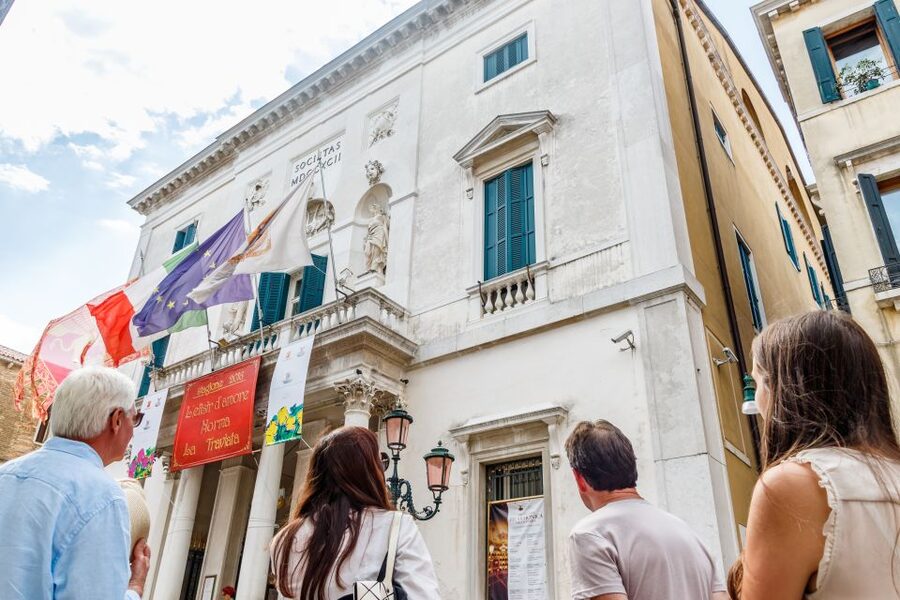
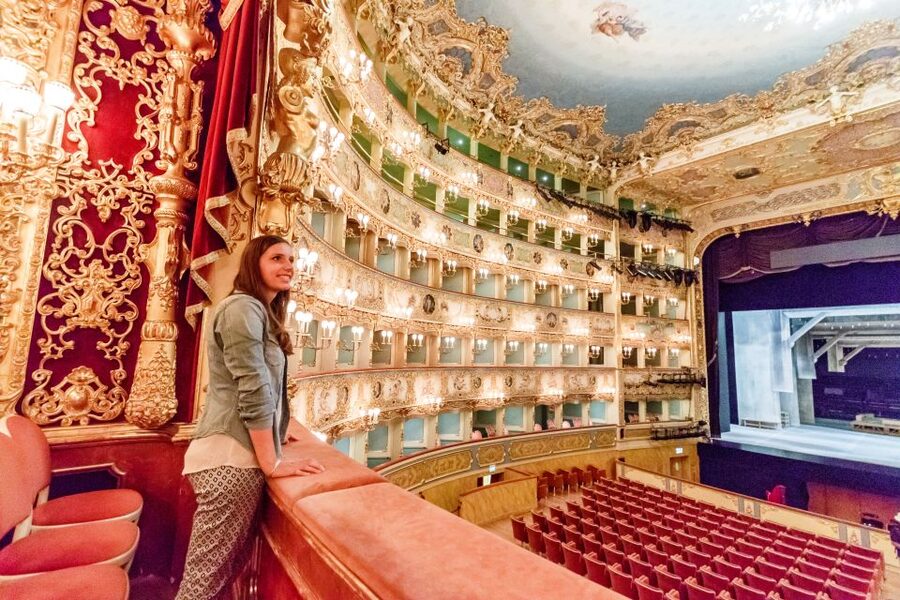
La Fenice is the kind of building that makes you pause, even if opera isn’t your thing. From the outside, it’s already a “Venice moment.” Inside, it’s dramatic in a way that feels theatrical even without music playing.
What makes this visit practical is that you don’t need a ticket to a full performance. You’re there to walk the rooms, view the auditorium, and understand how the theatre works as a design object and a living cultural machine. And since it’s a big international venue, you get a clear sense of why productions matter here, not just as art but as a schedule of constant activity.
The audio guide also does something important: it gives you context while you’re looking. When you know what you’re seeing—boxes, decoration, and how the space is laid out—you stop treating it like a sightseeing stop and start treating it like a story you can walk through. That’s where the value comes in.
You can also read our reviews of more tours and experiences in Venice.


Skip-the-line entry: worth it in Venice
In Venice, “waiting” is a weird sport. Lines often form because everyone has the same plan at the same time. This ticket is designed to reduce that pain by letting you enter faster than people who show up without a pre-booked slot.
On arrival, you’ll show your voucher at the ticket counter and collect your audio guide. You also need to bring your ID to receive the audio guide at the counter. That’s not the kind of rule you want to discover after you’ve crossed the bridge—so toss your ID in your day bag before you head over.
The entry flow is generally smooth, but a couple of practical notes matter. Some people find the first transition after scanning isn’t super clear, and the route can be specific. If you’re the type who likes to wander freely, plan on following the suggested path at least at the start—otherwise you may spend extra minutes figuring out what comes next.
The audio guide route: how the visit actually feels

The audio portion takes about 45 to 60 minutes, but the experience stretches because you keep stopping to look. That’s a good thing. La Fenice rewards slow attention: you’ll notice materials, decorative elements, and the way the theatre’s layout guides your view lines.
You also get built-in moments to sit down. That matters because opera buildings can feel like a lot of standing. With seating pauses along the route, you can listen to the longer parts without feeling like you’re racing the clock.
Your pace is the real advantage. This isn’t a rigid guided lecture where you just have to keep up. Instead, you can pause, backtrack a bit, or simply linger longer at the rooms that grab you. If you want a quick visit, you can do it. If you want the slow look, you can still make it fit.
Audio is available in English, French, German, Italian, Portuguese, Russian, and Spanish. You can’t always control how fast others move around you, but the audio pacing helps you stay comfortable and focused.
What you’ll see inside: auditorium views and key rooms
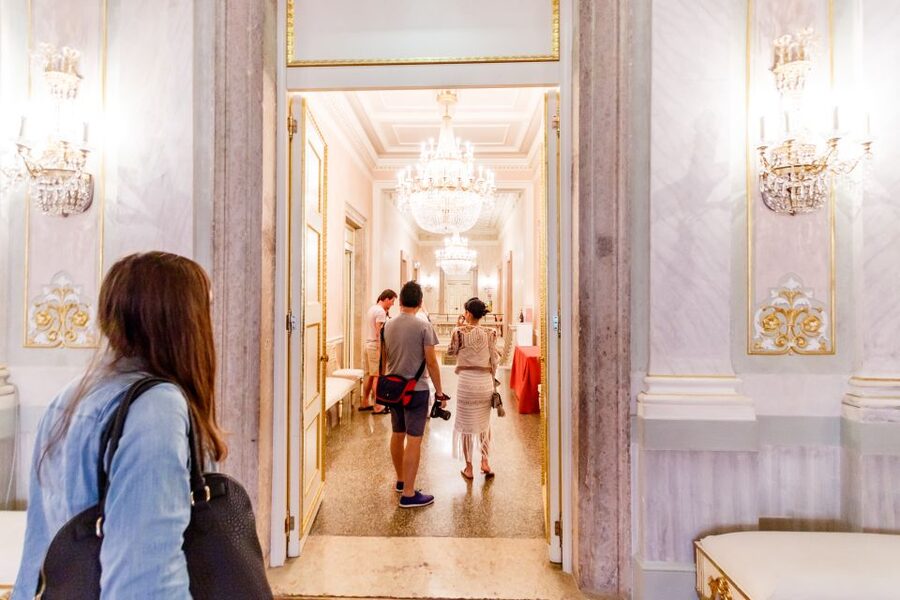
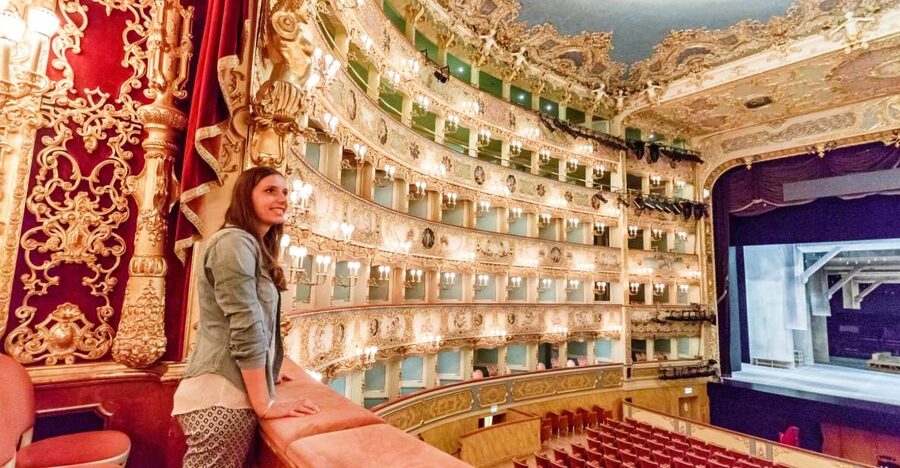
The “must see” moment is the auditorium itself. Even if you’re not planning to catch a show, it’s the core of why La Fenice is famous. The seats and the decorated spaces make you understand why people talk about this place like it’s a living monument.
You’ll also get to explore additional rooms rather than just arriving for a single photo stop. That added access is why the audio guide feels more than a gimmick. The commentary helps you connect what you’re seeing to the theatre’s identity as an opera stage with technical and architectural personality.
If you like design details, you’ll likely enjoy the atmosphere here even more than you expected. One recurring point from visitors is that the interior can feel jaw-dropping in person—photos just don’t communicate scale or the feeling of being inside a real performance machine.
Small extras help too: there’s a small Maria Callas exhibition, and you’ll find a café and a shop during your visit. These aren’t the reason you’re there, but they’re nice for stretching your time in the building without turning it into a long detour.
Maria Callas and the theatre’s famous connections

La Fenice is closely tied to opera history, and the Callas connection makes it personal if you already know her work. You’ll see a small Callas exhibition during your visit, which gives you a focused way to connect the building to the people who made it legendary.
Even if you don’t come in as an opera superfan, that small exhibition does a good job of bridging the gap between architecture and culture. It reminds you the theatre isn’t just a pretty room—it’s a place where performances and stars shaped memories that outlast any single night.
If you’re the type who enjoys human stories in between art and walls, this touch is worth your attention. It also gives you a reason to slow down briefly instead of just moving through for photos.




When you get lucky: rehearsals and performance energy
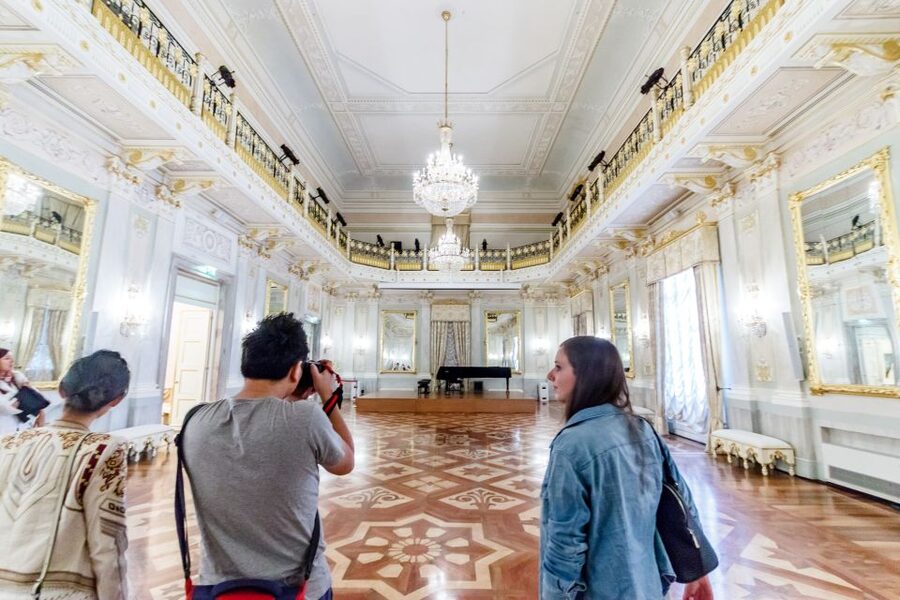
One of the best surprises at La Fenice is that some visits coincide with rehearsals or other performance-related moments. When the theatre is preparing for something, the rooms feel less like a museum stop and more like a working stage.
People have even reported seeing dress rehearsal energy during their visit. That turns the audio experience from informative into extra emotional, because you can sense how performers would use the space.
There’s also a real-world celebrity story that popped up for one visitor: an intermission moment where actress Emma Thompson was encountered. It’s not something you can plan around, but it’s a reminder that this is one of those venues where big names can be part of the day-to-day life.
Treat it as a bonus, not a promise. Still, if your schedule allows, choose a day when the theatre has activity on the calendar.
Practical tips: headphones, route clarity, and where to linger
This is a self-guided experience, so the details that make it smooth are simple and personal.
First: audio. Bring your own headphones or ear buds. You may use your phone for the audio experience, and holding a device to your ear gets annoying fast. Also, downloading or accessing the audio can be part of the experience once you’re there, so don’t assume you can power through with no preparation.
Second: the route. The tour path is fairly specific. That helps keep it orderly, but it can mean you need to follow signage once you enter. A common snag is that the direction after scanning your ticket isn’t always obvious. Once you’re inside the theatre itself, signs become clearer, but the first section benefits from a calm, look-at-the-floorplan mindset.
Third: take advantage of the seating pauses. If you’re tired from walking Venice all day, use those moments. It makes the audio feel less like a chore and more like a comfortable guided walk.
Finally: exit and timing. A small number of visitors found the exit for the building not super obvious. I’d suggest building in a little buffer time. Don’t schedule a tight next stop immediately after your audio ends.
Price and value: is $14 a good deal?
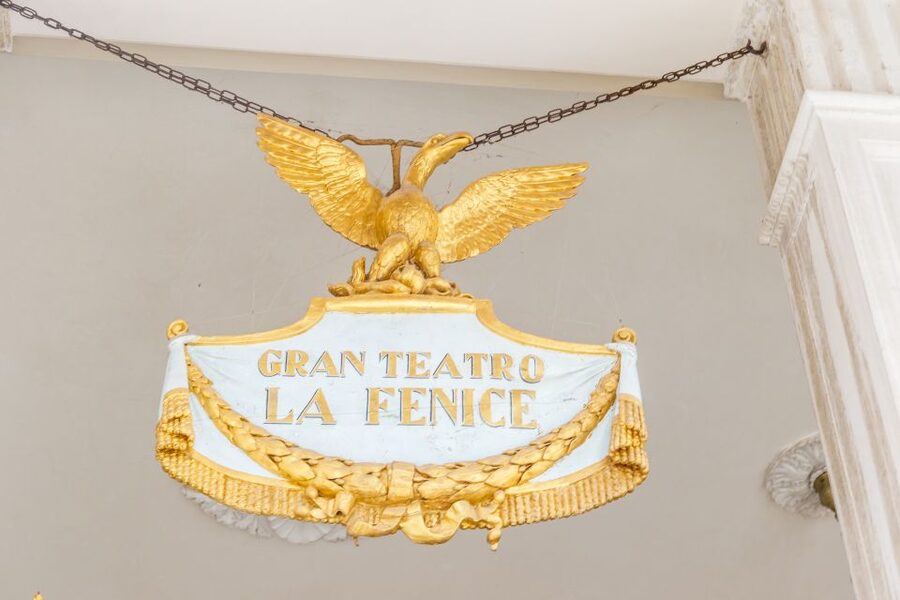
At about $14 per person, this ticket prices itself as an “opera house without the full opera commitment” option. In Venice, where many cultural experiences cost more, this can feel like a smart way to get access to a world-famous venue.
The value isn’t only the price. It’s what you get for it:
- Skip-the-line entry (time savings count here)
- Audio guide in 7 languages
- Access that lets you see multiple rooms and the auditorium
- Enough structure to make it feel like a real visit, not just a peek
You’re also not paying for transport or a live guide. That can make sense if you’re comfortable moving at your own pace and reading the room with audio support.
If you’re pairing this with a day of Venice wandering, it often works like a centerpiece. You’ll have a clear memory anchor that isn’t tied to whether you manage to snag performance tickets on the exact days you’re in town.
Timing your visit: opening hours and the Venice access fee
Two timing factors can affect your experience.
One: check whether the theatre is open and what’s running. The visiting hours and tour schedule can change, so confirm on the theatre’s site before you head over. This isn’t the type of ticket you want to buy and then show up to a closed building.
Two: the Venice Access Fee. There’s an important seasonal rule: on certain days between 18 April 2025 and 27 July 2025, every visitor is required to pay an Access Fee directly to the City of Venice (with specific exemptions). Payment methods and exemptions are explained on the official site listed in your booking info. If your dates fall inside that window, check it early so you aren’t surprised mid-trip.
For the best atmosphere inside, consider going early. People have described quiet, low-crowd timing when arriving close to opening, which makes following the route easier and makes the auditorium feel even more special.
Who should book this La Fenice audio ticket?

Book it if you want a cultural highlight without needing an opera evening. It’s also a good choice if you like architecture, theatre design, or learning how iconic buildings work.
You’ll likely enjoy it if:
- You want a structured indoor experience when Venice weather or crowds don’t cooperate
- You enjoy history and design but don’t want a live guide keeping pace
- You’re fine going at your own speed with audio
- You want a meaningful stop that doesn’t require expensive performance tickets
If you want a full “night out” with orchestra, staging, and the full production vibe, this isn’t that. But it’s a strong alternative that still gives you the heart of the opera house.
Should you book La Fenice with an audio guide ticket?
I think this is a solid buy for most first-time visitors who want the La Fenice experience without the pressure of booking an opera night. The price-to-access ratio is fair, and the audio guide turns the visit into something you can actually understand while you’re standing in the rooms.
If you’re sensitive to logistics, do yourself a favor: check opening hours first, bring your ID for the audio guide pickup, and pack headphones so the audio experience doesn’t become frustrating. Add a little extra time for the route clarity and for lingering.
For Venice in a limited time window, this is one of the best ways to get inside a world-famous opera house and walk away with real impressions, not just a quick photo.
FAQ
Where do I pick up my audio guide?
Show your voucher at the ticket counter and collect your audio guide. You also need to bring your ID to receive the audio guide.
Is this a skip-the-line ticket?
Yes. The ticket is designed to help you skip the line for entry to La Fenice Opera House.
How long does the audio guide take?
The audio route usually takes about 45 to 60 minutes, though you may spend more time stopping to look and sit.
Which languages are available for the audio guide?
The audio guide is available in English, French, German, Italian, Portuguese, Russian, and Spanish.
Can I visit La Fenice even if I’m not seeing a performance?
Yes. You can use the skip-the-line ticket to admire and explore the theatre, even without a live performance.
How long is the ticket valid?
The ticket is valid for 6 months from purchase. The date of validity indicates the date from which you can visit the theatre.
Do I need to check if the theatre is open?
Yes. Check the theatre schedule online to confirm the theatre is open. The tour hours are listed on the theatre site.
Do I need to pay the Venice Access Fee?
On certain days between 18 April 2025 and 27 July 2025, every visitor to Venice is required to pay an Access Fee directly to the City of Venice, unless you qualify for specific exemptions. Check the official access-fee website for details and payment methods.
Is the venue wheelchair accessible?
Yes. The experience is wheelchair accessible.