REVIEW · SELINUNTE
Selinunte: Archeological Park Entry Ticket & App Audioguide
Book on GetYourGuide →Operated by GetYourGuide Tours & Tickets GmbH · Bookable on GetYourGuide
Selinunte is huge, so plan smart. With a skip-the-line entry ticket, you can spend your day wandering Sicily’s famous archaeological park—without starting by waiting at the window. I like that it’s self-paced, so you can slow down for the Sanctuary of Malophoros and the quieter corners of the site.
My other favorite part is how clearly you can spot the oldest Greek building style here: strict Doric order. One thing to keep in mind: wayfinding and signage can feel a bit uneven in places, so bring your best “read the map, then walk” attitude.
In This Review
- Key Highlights at Selinunte
- Why Selinunte Feels Worth the Trip
- What You Pay (and Why $23 Can Be Good Value)
- Getting In Smoothly: Voucher Exchange and Timed Entry
- Sanctuary of Malophoros: Where the Site Feels Spiritual
- Necropolis and Sanctuaries: Reading the Park’s Daily Life
- Seven Temples and the Doric Order You Can Actually Study
- Caves of Cusa: A Different Pace at the Edge of the Map
- How to Get Around: Walk, E-Car, or Small Train
- The Included Digital Postcard: A Souvenir You Can Actually Send
- Price, Pace, and Who This Ticket Fits Best
- The Main Drawback to Plan For
- Should You Book This Selinunte Entry Ticket?
- FAQ
- Do I need to exchange my voucher for an official ticket?
- Is the ticket valid for more than one day?
- Does this ticket include a guided tour?
- Is an audio guide included with the ticket?
- What’s included besides entry?
- How does the digital postcard work?
- Can I cancel for a full refund?
- Where does the activity start and end?
- Is the Selinunte park entry wheelchair accessible?
Key Highlights at Selinunte
- Skip-the-line entry so you lose less time at the ticket office
- 2,500+ years of history spread across sanctuaries, necropolis, temples, and caves
- Sanctuary of Malophoros for a strong sense of what the site was used for
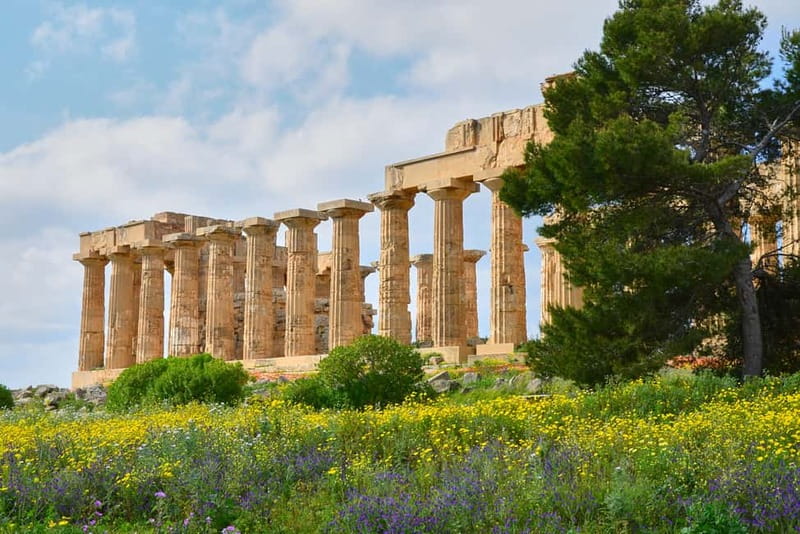
- Doric temples where the ancient Greek design rules are still visible
- Multiple ways to get around inside the park, including on foot, e-car, or small train
- Digital postcard feature included, so you can send photos like a real postcard
Why Selinunte Feels Worth the Trip
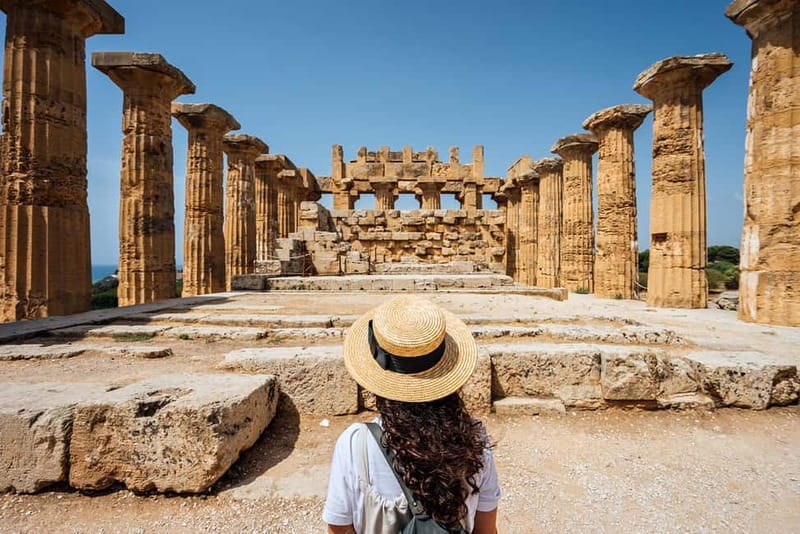
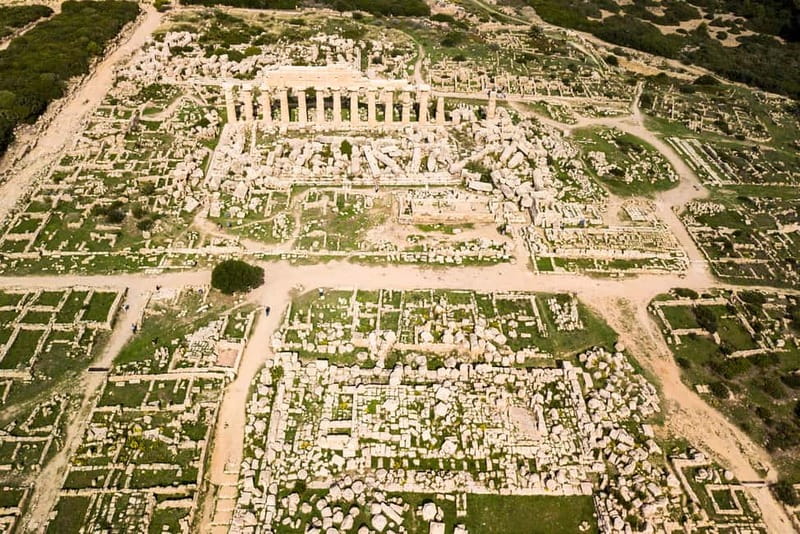
Selinunte is one of those archaeological sites where the scale changes your perspective. Instead of a compact “see it and go,” you get a whole landscape of ruins tied to daily life, belief, and power. The park is described as the largest archaeological area in Europe, with over 2,500 years of history. That alone tells you how to approach it: don’t rush. Pick a few priorities, then let the rest fill in the gaps.
I also like the story layer here. Selinunte was founded by colonists of Megara Hyblea, and the name comes from selinon, wild parsley. You’re walking through places that weren’t just built and abandoned—they evolved as the settlement grew, with sanctuaries, necropolis areas, temples, and the caves of Cusa.
If you want a famous “headline” moment, you’ll get it. If you want a “slow day with lots of texture,” you’ll also get that.
What You Pay (and Why $23 Can Be Good Value)
At about $23 per person, this entry ticket works best for travelers who want independence. You’re not buying a guided tour or a full guided program. Instead, you’re buying access plus a built-in perk: the postcard.
Here’s the value logic I like:
- Skip-the-line entry reduces the most annoying part of many major sites: waiting.
- The park itself is very large, so your money goes farther when you’re free to roam on your schedule.
- The included postcard gives you a practical souvenir you can actually use.
You should know what’s not included. A guided tour is not part of this ticket. And the details list an audio guide as not included. The title mentions an app audioguide, so check what’s included at checkout. If you were counting on audio as your main method of learning, don’t assume you’ll get it with this package.
Getting In Smoothly: Voucher Exchange and Timed Entry
Your voucher is not the official ticket. You’ll need to exchange it at the Archeological Park ticket office for the real entry ticket. Once you do that, you’re set for a full day of self-paced exploration.
The ticket is valid for 1 day, and availability shows starting times. That matters because Selinunte is large. If you start later, you may have less time to cover the areas you care most about. If you start earlier, you’ll have more flexibility to add an extra stop.
The experience ends back at the meeting point (again, at the park ticket office area). So you’re not dealing with a pickup window that feels stressful. You’re basically “enter, explore, return.”
Sanctuary of Malophoros: Where the Site Feels Spiritual
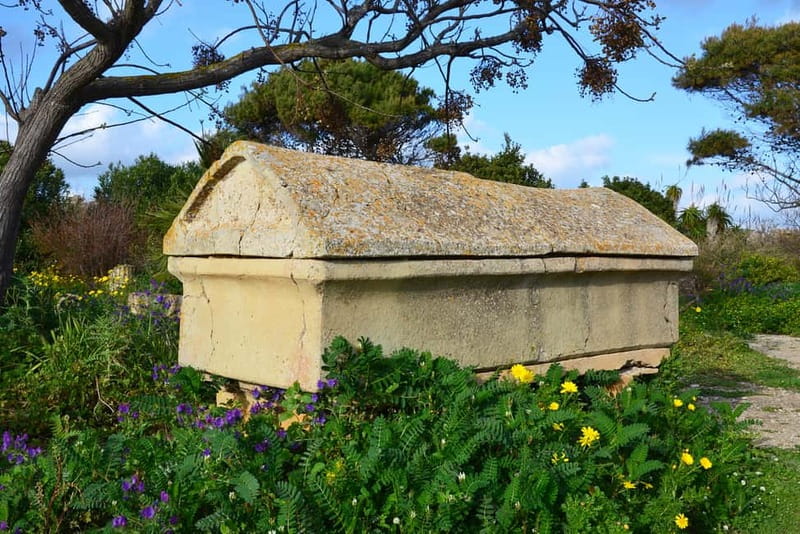
If you only make it to one named area, make it the Sanctuary of Malophoros. This is one of the places tied directly to the religious character of the settlement. Even if you’re not deeply into ancient rituals, sanctuaries are where you start to feel how space was organized for community life.
What I like about sanctuaries in ruins like these is that they often give you a “purpose” to your walk. Instead of wandering randomly, you can look at structures and layouts and think: this was built for gathering, worship, and repeated visits.
Because signage can vary, don’t be afraid to pause and re-check what you’re looking at. Stand, orient yourself, then move. You’ll get more out of the time you spend there, and you’ll be less likely to feel like you’re just passing by stones.
Necropolis and Sanctuaries: Reading the Park’s Daily Life
Selinunte includes areas like the necropolis and multiple sanctuaries, and those pieces help you understand the settlement beyond monuments. Temples and big showpieces matter, but burial zones and sacred spaces explain how people thought about the afterlife, memory, and community.
In a necropolis, your brain naturally slows down. The scale of the park also helps. You’re not stuck in one dense cluster of sights. You can move at a pace that feels human, then stop when something catches your eye.
A practical tip: don’t try to “finish” the necropolis in one go. Choose a couple points to focus on, then circle back if you still have energy. The park’s size means your day will expand whether you plan for it or not.
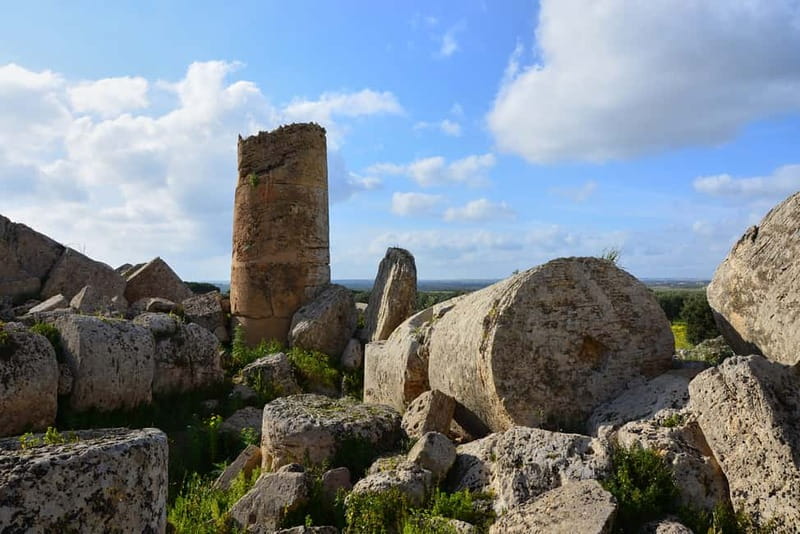
And yes, the site is still in good condition in parts, which is crucial. When structures are preserved enough, you can see how they were built and how the design rules were applied.
Seven Temples and the Doric Order You Can Actually Study
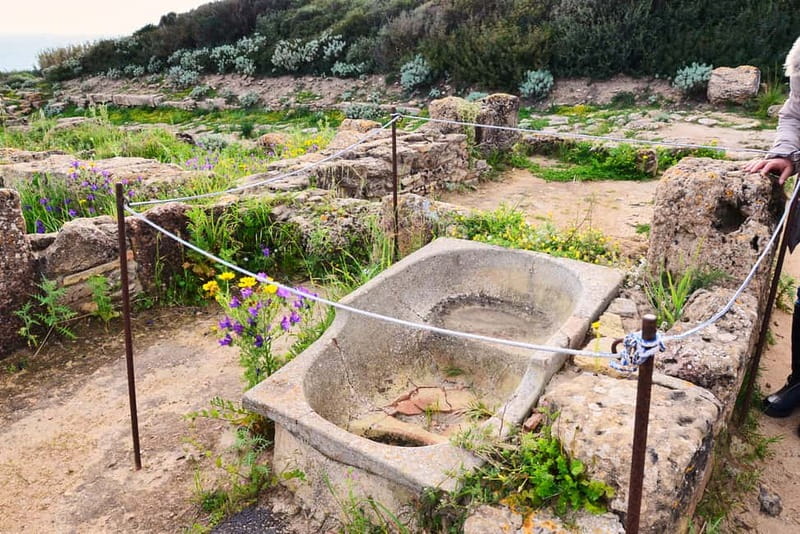
One of the most satisfying parts of Selinunte is the chance to see examples built according to a strict Doric order, described as the oldest Greek architectural style. This isn’t just trivia. It changes how you look at what you’re seeing.
Doric order is recognizable. You can often spot the rhythm of columns, the feel of the proportions, and the “rule-based” construction that made Greek architecture so influential. When conditions allow, it’s easier to compare how buildings were designed, not just admire them from far away.
This is also where your time planning matters. Temples tend to be your “anchor” stops, meaning you should give them enough attention to notice details and not just take quick photos.
One more small reality check: the park is vast, and it’s possible to feel like you’re moving constantly. If you want the best return on effort, pick a route where temples are a core priority, then fill in sanctuaries, necropolis, and caves around them.
Caves of Cusa: A Different Pace at the Edge of the Map
Beyond the main temple zones, the caves of Cusa add a different texture to the day. You’re still in the archaeological park, but the mood shifts. Caves can make ruins feel less like stone museums and more like a living geography—how people used the area for different needs and beliefs over time.
You might find this part most rewarding if you:
- like exploring on foot,
- want a break from the densest ruins,
- prefer quieter stretches of walking.
The key is to treat it as a slow stop. If you rush through, caves won’t reward you. Give yourself time to look around, then decide whether to take a few more minutes to connect what you’re seeing to the larger story of the site.
How to Get Around: Walk, E-Car, or Small Train
Inside Selinunte, you can explore in different ways: on foot, in an e-car, or on a small train. That flexibility is important at a big site like this because it lets you match the day to your energy and mobility.
If you’re staying fully on foot, you’ll cover more ground and get more “micro discoveries” along the way. If you’re using the e-car or small train, you’ll likely spend more time stopping and studying rather than moving continuously.
Since the details don’t spell out specific schedules in what you provided, I can’t promise exactly how often the vehicles run. The best approach is to plan your must-see areas first, then let the transport option help you connect between them.
The Included Digital Postcard: A Souvenir You Can Actually Send
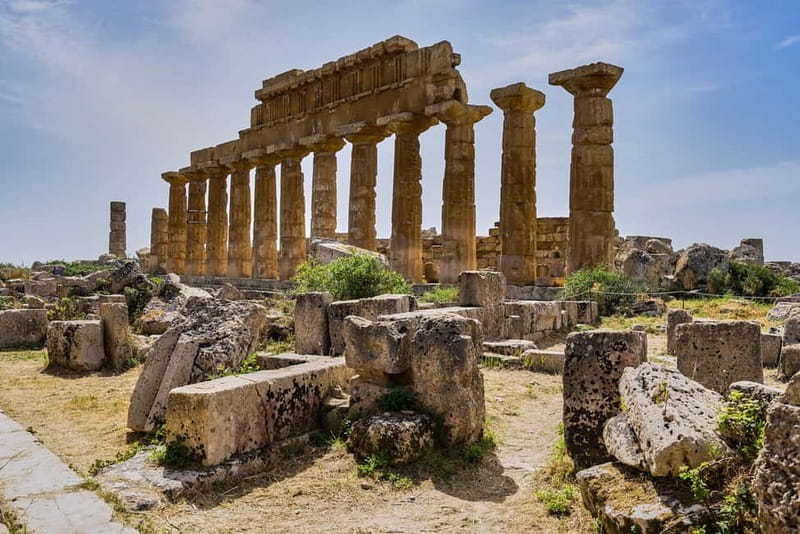
I love that this ticket includes a postcard feature, because it turns your photos into something tangible. You can send your friends or family a digital photo postcard from the site, using the instructions linked through coopculture.
The process is straightforward in concept:
- Your visit provides the photos.
- After your visit, you follow the instructions to download/send the postcard.
This is a fun way to remember the day that goes beyond “camera roll forever.” And it’s practical if you’re traveling with people who want regular updates but don’t want to manage complicated sharing apps.
Tip: take a few photos with strong composition—columns, temple fronts, or sanctuary areas—then choose one or two best shots to turn into postcards. The postcard feature is included, so make it do real work for your memory.
Price, Pace, and Who This Ticket Fits Best
This ticket suits you if you want:
- skip-the-line entry and independence,
- time to explore a huge park without being locked into a group schedule,
- a focus on major areas like Malophoros, temples, necropolis, and caves.
It’s less ideal if you want a fully structured day led by a guide. A guided tour is not included. And since the provided details also list audio guide as not included, you may need your own plan for interpretation—guidebook, notes, or whatever app access you find available during booking.
This is also a good option for a wide range of travelers. Wheelchair access is mentioned, which matters at archaeological parks where ground conditions can vary. If accessibility is important to you, check your route choices once you’re on site, and don’t hesitate to ask at the ticket office where practical.
The Main Drawback to Plan For
There’s one consideration I’d take seriously: signage may not be perfect. That lines up with the kind of experience you can expect at a large archaeological park—interpretation can rely on maps and your own attention, not just obvious labels at every turn.
Your fix is simple:
- Start with a plan for 2–3 priorities (temples, Malophoros, caves are a good trio).
- Keep your expectations realistic about wandering.
- Stop and re-orient when you need to, instead of sprinting between points.
With that mindset, the signage issue becomes a minor inconvenience instead of a frustration.
Should You Book This Selinunte Entry Ticket?
Book it if you want a cost-effective way to see Selinunte with skip-the-line entry, plus the postcard perk. It’s a smart choice when you’re comfortable exploring at your own pace and you don’t need a guided lecture to enjoy ruins.
Skip (or reconsider) if your top priority is a guided tour experience or you’re counting on an audio guide being included. The details you provided list neither guided tour nor audio guide as included, so confirm what you’ll actually have access to during your visit.
If you want a practical, self-paced Selinunte day that doesn’t start with waiting in line, this ticket makes a lot of sense.
FAQ
Do I need to exchange my voucher for an official ticket?
Yes. You’ll exchange your voucher at the Archeological Park ticket office for an official entry ticket.
Is the ticket valid for more than one day?
No. It’s valid for 1 day.
Does this ticket include a guided tour?
No. A guided tour is not included.
Is an audio guide included with the ticket?
The details provided list an audio guide as not included.
What’s included besides entry?
You also get a postcard.
How does the digital postcard work?
After your visit, you follow the instructions at coopculture to download/send the digital postcard.
Can I cancel for a full refund?
Yes. Free cancellation is available up to 24 hours in advance for a full refund.
Where does the activity start and end?
Start and end are both at the Archeological Park ticket office area: you exchange your voucher there and the activity ends back there.
Is the Selinunte park entry wheelchair accessible?
The activity is listed as wheelchair accessible.