REVIEW · MORNINGTON PENINSULA
Self-Guided Point Nepean National Park Bike Hire
Book on Viator →Operated by Bayplay & Beyond Pty Ltd · Bookable on Viator
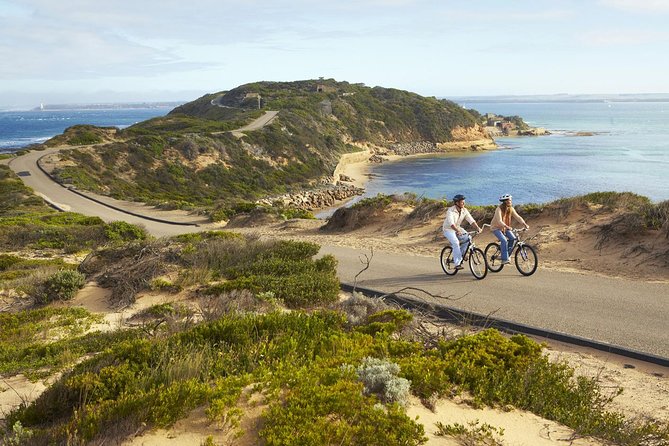
Two wheels beats slow walking. This self-guided bike ride takes you through Point Nepean National Park at your own pace, with stops at the Quarantine Station area and the fortifications of Fort Nepean, plus big coastal viewpoints over Port Philip Bay.
I like the idea of timing your own stops. You get a bike setup, a helmet, a lock, and a downloadable map, so you can linger when you spot something interesting—dolphins, Australian fur seals, or an echidna crossing your path (yes, it’s on the lookout list).
My main caution is that this is self-guided, so navigation is partly on you. If weather turns bad, riding can get stressful fast, and the route can be harder to manage when you’d rather be sightseeing.
In This Review
- Key points before you go
- Why Bike Past Quarantine, Forts, and the Coast
- Picking Up Your Bike at Bayplay Bike Shop
- Quarantine Station: The Gold Rush Checkpoint
- Coles Track to Observatory Point and Echidna Odds
- Fort Nepean: Coastal Fortifications Over Port Phillip Bay
- Wildife, Weather, and Pacing Tips for 3.5 Hours
- Price, Inclusions, and What You’ll Actually Save
- Should You Book Point Nepean National Park Bike Hire?
- FAQ
- Do I need my own bike for this experience?
- How long is the Point Nepean National Park self-guided bike hire?
- How much does it cost per person?
- Where do I start and end the ride?
- What’s the minimum age to ride?
- What if the weather is poor?
Key points before you go
- Self-paced riding through Point Nepean instead of a rigid group schedule
- Bike rental package included: helmet, lock, and a park map
- Classic stops along the way: Quarantine Station area, then Fort Nepean
- Route includes hills and effort, so plan for a workout, not a casual cruise
- Wildlife chances are real, especially around coastal viewpoints
- Staff briefing matters; a guide named Toby is highlighted for friendly, clear setup
Why Bike Past Quarantine, Forts, and the Coast
Point Nepean National Park sits at the southern tip of the Mornington Peninsula, where the coastline turns dramatic and the water becomes the main character. This ride connects that scenery with two very different kinds of history: the Quarantine Station stories of keeping sick visitors from reaching Melbourne during the Gold Rush, and the later defensive role of Fort Nepean as part of a bigger network guarding the entrance to Port Philip Bay.
What makes this experience genuinely useful is the format. Instead of doing these sights in pieces by foot, you’re given wheels and a map, and you’re free to choose how much time each stop gets. In a place with viewpoints and coastal tracks, that choice is a big deal.
The other appeal is that you’re not just moving through a museum-like route. The park is outdoors, and the area is known for wildlife sightings—dolphins and Australian fur seals from the right spots, plus echidnas that you might spot along the tracks. When you can stop without asking permission, you actually have a chance to slow down when the wildlife shows up.
You can also read our reviews of more tours and experiences in Mornington Peninsula.
Picking Up Your Bike at Bayplay Bike Shop
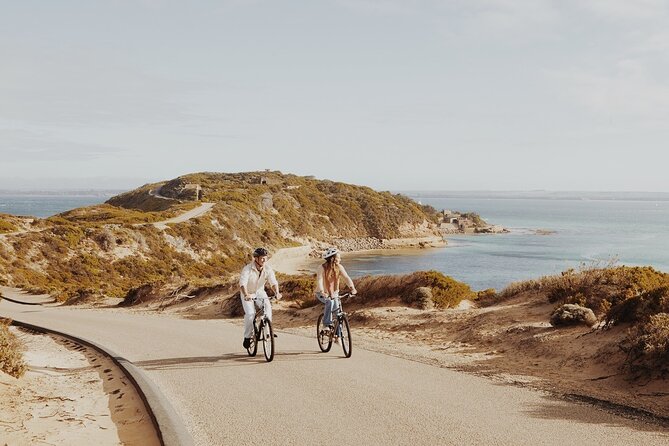
Your experience starts at the Point Nepean Information Centre on Ochiltree Rd in Portsea. From there, you’ll begin at the Bayplay Bike Shop, where you check in, get your gear, and receive a brief run-through on how to use the bikes and where to ride.
This is the kind of setup that matters more than people think. One review highlights that the person who handed over bikes—Toby—was friendly and knowledgeable, and gave an advance explanation that made the whole experience feel low-stress. If you arrive ready to listen for a few minutes and ask any quick questions, you’ll get much more confidence before you roll out.
You’ll also be given directions and a downloadable map. Even with that, keep your expectations realistic: this is not a step-by-step guided ride. You’re getting support up front, then you’re mostly on your own to follow the route between stops. That’s a plus if you hate group pacing, but it’s a consideration if you prefer heavy instruction at every turn.
Practical tip: bring your phone battery-friendly. The map is downloadable, but you’ll still want your screen brightness and battery settings ready. And if hills aren’t your favorite, plan on the ride to Fort Nepean being the more physical part of the day.
Quarantine Station: The Gold Rush Checkpoint
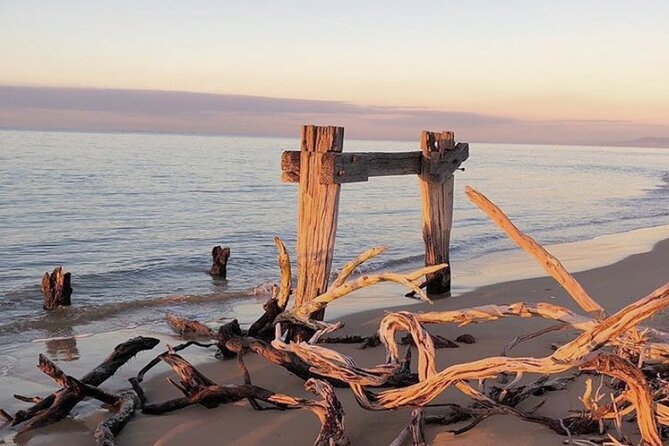
One of the first stops is the Quarantine Station area. The park’s story here is clear and human: during the Gold Rush, quarantine was used to slow and restrict sick visitors from reaching Melbourne. The idea was simple—people arrived after a long ocean journey, and the quarantine system controlled who could safely continue onward.
On this bike route, you don’t just ride past the past. You stop and visit the old hospitals people were required to quarantine in. That makes the history feel specific instead of vague. It’s also a strong early stop because it breaks up the ride with a built-in reason to get off the bike and look around.
Time-wise, this stop is about 20 minutes. That’s enough for a solid walk around, take a few photos, and read whatever information is available on-site without eating the whole afternoon. The nice part is that after this, you shift back into movement—coastal track riding, viewpoint hunting, and the kinds of stops you can make at your own rhythm.
A drawback to consider: this is a quick historical stop, not a long deep read. If you love spending an hour-plus at each place, you’ll need to decide whether to shorten the bike segments to give Quarantine Station more time.
Coles Track to Observatory Point and Echidna Odds
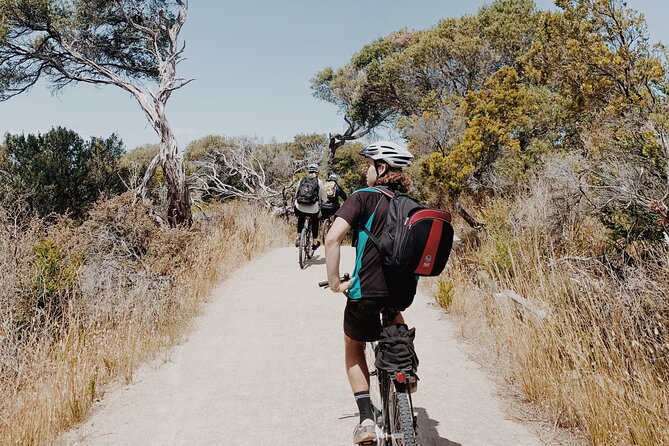
From the Quarantine Station area, the ride moves toward the main park experience along the coastline. The route to Fort Nepean is described as following Coles Track, and the scenery is the reason you’ll want to keep slowing down.
One specific highlight to aim for is Observatory Point—not just for the view, but because it’s positioned as a viewpoint where dolphins are something to watch for. This is where the coastal part of the experience becomes more than scenery. You’re riding through an area where water-based wildlife can actually show up while you’re standing there, not just in theory.
This is also where you can get your “on the route” nature moment. The ride includes the chance to spot echidnas along the way. Echidnas aren’t guaranteed, but if you’re riding carefully—especially on tracks where you can stop without blocking others—you’re more likely to notice one. Keep your eyes up and your speed sensible near the edges of paths.
Effort note: you’re dealing with a workout. One review calls out tough hills, and that matches what you should expect from riding from Quarantine Station up toward Fort Nepean. The good news is that you control the pace. If you treat this like a steady climb with breaks, it stays enjoyable.
How to pace it: don’t spend all your energy grinding up. Save a bit for the viewpoints. The whole ride is about 3 hours 30 minutes in total, so if you rush the middle section, you’ll feel rushed when it’s time to enjoy the big sights at the end.
Fort Nepean: Coastal Fortifications Over Port Phillip Bay

The ride’s big payoff is Fort Nepean, a former defensive facility located within Point Nepean National Park. This part matters because it connects the park’s coastal drama to its strategic purpose. Fort Nepean was part of a network of fortifications, and it was commanded from Fort Queenscliff—all focused on protecting the narrow entrance into Port Philip Bay.
What you’ll enjoy here depends on your style:
- If you like military structures, you’ll get the feeling of how this coast was watched and protected.
- If you prefer views, Fort Nepean is where you’ll likely want time for photos and just staring out at the water.
The stop here is about 40 minutes, which is usually enough time to walk around, take in the defensive layout, and enjoy the ocean air without feeling like you missed something. But it’s also a realistic amount of time for how long you might want to stand at a viewpoint waiting for the “maybe wildlife” moment.
Pair this with the earlier ride: because you’ve already done the Quarantine Station story, Fort Nepean feels like the second half of the park’s identity—first controlling movement for health, later controlling movement for defense.
Weather warning: one review notes that if it rains, things can go sideways, and that makes sense. The bikes do the hard work, but wet weather can change how comfortable riding feels, and it can reduce the chance you’ll want to linger at exposed lookouts. If it’s sunny, you’ll likely enjoy the ride more—especially during those coastal sections.
Wildife, Weather, and Pacing Tips for 3.5 Hours

This tour is designed for moderate physical fitness, and that’s the right frame. You’re riding for a few hours and tackling hills. It’s not an all-out race, but it also isn’t a leisurely flat route the whole way.
Because it’s self-guided, your success comes down to how you manage three things: time, energy, and attention.
1) Time management
The total duration is about 3 hours 30 minutes. That means you should plan on not spending too long in one place. Quarantine Station is around 20 minutes, Observatory Point and the coastal riding is the longer middle chunk, and Fort Nepean is about 40 minutes. If you go wildly over at one stop, you’ll feel it later.
2) Energy management
Expect the climbs. If you pace the hills, you’ll have enough left to enjoy Fort Nepean instead of arriving sweaty and impatient. Think “steady and break when needed,” not “push the whole way.”
3) Wildlife spotting
Your wildlife list includes dolphins, Australian fur seals, and echidnas. Dolphins and seals are mostly a “watch the water at the right viewpoint” situation, which makes Observatory Point a smart target. Echidnas are more subtle, and it helps to ride calmly and look at ground-level edges along the tracks.
Weather is a key factor. This experience requires good weather, and if it gets canceled due to poor conditions, you’ll be offered another date or a full refund. That’s worth taking seriously because coastal riding in bad weather isn’t just uncomfortable—it changes how enjoyable the stops feel.
One more practical thought: you’re not eating included meals here. Plan your own snack and water strategy so you’re not forced to spend time hunting for food during the ride.
Price, Inclusions, and What You’ll Actually Save
At $28.69 per person, you’re paying for a pretty focused bundle: bike, helmet, park map, and a lock. For a 3.5-hour self-guided outing, that’s the core value. You’re not paying for a long guided talk at every stop; you’re paying for transportation + navigation support.
That matters because Point Nepean is spread out. If you tried to see the Quarantine Station area, ride up the coastal track, and end at Fort Nepean on foot, you’d burn a lot of time and energy just getting between places. The bike turns the route into a sensible loop-like experience where you can allocate attention to what you care about.
Here’s what’s included versus not:
- Included: bike, helmet, lock, and the park map
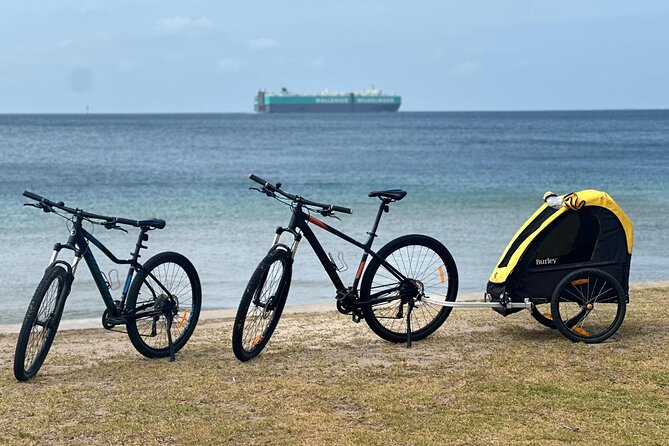
- Optional: a single or double child carrier is available at an extra cost
- Not included: food and drinks, plus hotel pickup and drop-off
The “no hotel pickup” point is less dramatic than it sounds. This starts at the Point Nepean Information Centre area, and it’s described as near public transportation. So if you’re not driving, you likely still have a workable way to get there.
For families: children must be accompanied by an adult, and the minimum age to ride is 7+, with the requirement that they can ride confidently. If you want to bring younger kids, you’ll need the optional child carrier, which costs extra.
Should You Book Point Nepean National Park Bike Hire?
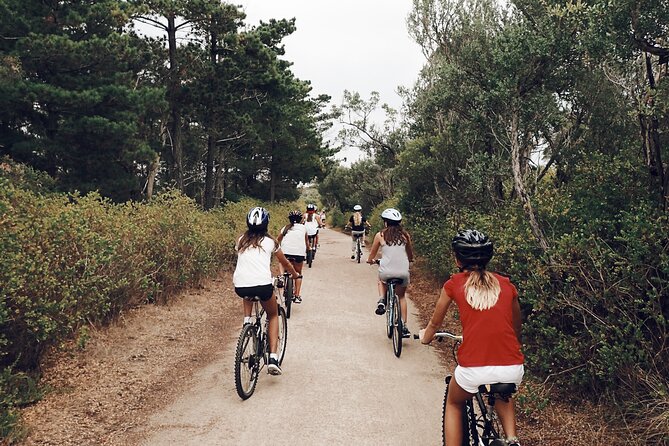
If you like coastal scenery, want a history stop (Quarantine Station) plus a fortification stop (Fort Nepean), and prefer setting your own pace, this is an easy yes. The biggest strengths are the bike-powered freedom and the built-in wayfinding support—map, directions, gear, and a proper briefing from staff like Toby.
Book it if:
- You’re comfortable riding with hills and want a workout that still feels fun
- You’d rather stop for wildlife sightings than keep moving with a group
- You want history that’s tied to real places instead of just views
Skip it or think twice if:
- You expect rain or you’re not confident riding in variable coastal weather
- You need highly detailed turn-by-turn guidance all the way through (this is more on-you than fully guided)
FAQ
Do I need my own bike for this experience?
No. The bike is included, along with a helmet, a lock, and a park map.
How long is the Point Nepean National Park self-guided bike hire?
It’s about 3 hours 30 minutes.
How much does it cost per person?
The price is $28.69 per person.
Where do I start and end the ride?
You start at the Point Nepean Information Centre on Ochiltree Rd, Portsea VIC 3944, and the experience ends back at the meeting point.
What’s the minimum age to ride?
The minimum age to ride is 7+, and children must be able to ride confidently, with an adult accompanying them.
What if the weather is poor?
This experience requires good weather. If it’s canceled due to poor weather, you’ll be offered a different date or a full refund.