REVIEW · KAUAI
Self-Guided Audio Driving Tour in Kauai
Book on Viator →Operated by GuideAlong (GyPSy Guide) · Bookable on Viator
Kauai gets easier with a local voice. This self-guided GPS audio driving tour helps you move island-style at your own pace, with narration and directions that play automatically as you pass the right spots, and it’s designed to work offline once downloaded. You get a plan for the highlights, but you decide how long to linger.
I especially like the turn-by-turn guidance feel—people describe the directions as precise and timely, and that the audio can act like an extra GPS when you are driving unfamiliar roads. I also love the choose-your-own route approach: you can follow the suggested flow or build your own timing around your interests, then stop, resume, and even revisit the same tour across multiple days.
The main drawback is practical: you must set yourself up first. If you do not get the app and tour downloaded ahead of time, you can be stuck when you arrive with weak cell service, and some of the top North Shore access points involve parking/reservation requirements that you should plan for.
In This Review
- Key things that make this Kauai audio drive work
- Price and value: why this beats a pricey guided day
- Pre-download setup: the difference between fun audio and frustration
- How location-based audio guides your drive (and keeps you on schedule)
- North Shore day: Ha’ena State Park, beaches, and Hanalei Bay
- Ha’ena State Park: Ke’e, Tunnels, and the Kalalau start
- Anini Beach: calm water and shady breaks
- Hanalei Bay: long, gentle, and swim-friendly
- Hanapepe: plantation-era charm and Niihau shell jewelry
- Hanalei: pier photos and a relaxed surfer vibe
- Beaches and towns between Kapa’a and Princeville
- Kealia Beach: swim options and surfer watching
- Kapa’a: food, snacks, and the shave ice pause
- Princeville: hotels, views, and Hideaway Beach caution
- Wildlife and lighthouse stops: Kilauea Point and the lighthouse trail
- Kilauea Point National Wildlife Refuge: birds, views, and reservations
- Kilauea Lighthouse Trail: photos over the ocean
- End-of-road viewpoints: Koke’e State Park and Na Pali from above
- Koke’e State Park: Kalalau Lookout and Pu’u O Kila
- Na Pali Coast access: you cannot drive in
- South Shore hits: Poipu beaches, monk seals, Spouting Horn, and the Tree Tunnel
- Tree Tunnel: eucalyptus gateway and Hurricane Iniki survival
- Poipu: three beaches side by side plus headland views
- Poipu Beach Park: monk seals and the space rule
- Spouting Horn: the blowhole show and seasonal whales
- East and central essentials: Lihue, Wailua Falls, and Waimea Canyon timing
- Lihue and Nawiliwili: history, food, and Menehune Fish Pond
- Wailua Falls: quick parking, big payoff, rainbow timing
- Waimea Canyon: the Grand Canyon of the Pacific analogy
- Using the tour well: rain, navigation, and wildlife rules
- Should you book this Kauai self-guided audio driving tour?
- FAQ
- What does the Kauai self-guided audio driving tour cost?
- How long is the tour?
- Does the tour include entrance fees?
- Does the audio tour work offline?
- Do I need reservations for Ha’ena State Park parking?
- Do I need reservations for Kilauea Point National Wildlife Refuge?
- Are Kilauea Point and the lighthouse areas open every day?
- Where does the tour start?
Key things that make this Kauai audio drive work
- $19.99 per group (up to 8 people): one purchase covers everyone in your car, which is a strong value versus guided bus tours.
- 280+ location points: you get frequent stories, tips, and directions rather than one long talk.
- Offline after download: once the tour is downloaded, you can drive without relying on cell service.
- Flexible route planning: use the trip planner for half-, full-, or multi-day ideas, or make your own route along the same corridors.
- Very practical narration: the best feedback focuses on accurate guidance and useful background, from geology to local culture.
- A couple of gotchas: download before you leave, and double-check parking rules at Ha’ena and reservations at Kilauea Point.
Price and value: why this beats a pricey guided day
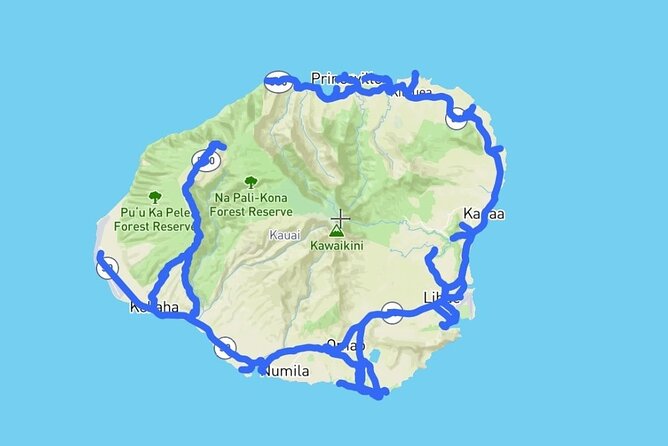
At $19.99 per group (up to 8), the cost is built for flexibility. If you are traveling with family or friends, the math gets even better because it is not “per person” pricing. Even solo, it can feel like a bargain when you compare it to paying for a full guided tour that mostly hits the same major stops on a tight schedule.
Duration is where you get even more value. The tour is designed for about 6 to 20 hours, which means it can work as a full-on day drive if you move fast, or as a multi-day “mix-and-match highlights” plan if you stop for beaches and photo breaks. You are not locked into one departure time or one pace.
The tone matters too. Based on the feedback, this is not just navigation. The narration adds background so you understand what you are seeing—geology at Waimea, how people access the Na Pali Coast, and why wildlife spots matter. That combo makes your time feel more “spent well,” not just “spent driving.”
You can also read our reviews of more tours and experiences in Kauai.
Pre-download setup: the difference between fun audio and frustration
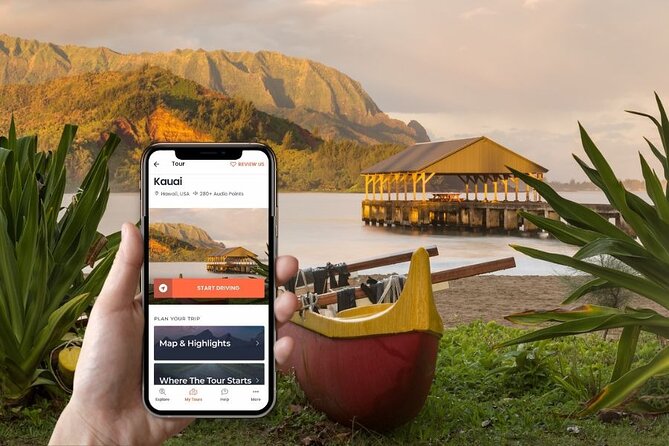
This tour runs on location and GPS. Once you download it in advance, it can play automatically based on where you are, so you do not have to tap the screen every few minutes.
To make it work smoothly, I recommend you treat setup like part of the travel day:
- Download the GuideAlong app and your Kauai tour before you get to remote areas.
- Make sure your phone has enough battery—bring a USB/C car charger if you can.
- If you rely on Bluetooth, test it before you leave your lodging. One review response specifically mentioned it may not work over Bluetooth, with the workaround being using your car stereo or the phone speaker.
Also, the tour is sold as a buy once, use forever product with free updates. That is useful because you might come back to Kauai (many people do) or you might split the route into a few shorter drives.
One more smart move: check official safety info if there is a warning in effect. The provided materials mention tsunami safety updates at tsunami.gov—so keep that in mind if you see alerts posted while you are on the island.
How location-based audio guides your drive (and keeps you on schedule)
Here’s what makes this style of tour genuinely practical: the audio kicks in based on GPS location. That means you can wander a little off the exact minute-by-minute plan, and the narration still “finds” you as you approach major points.
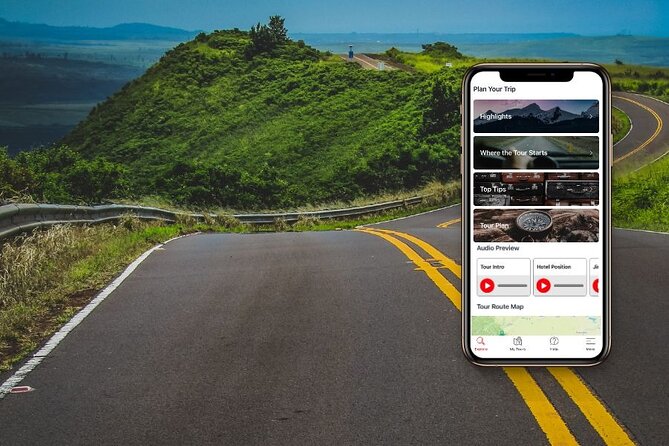
The tour also encourages micro-planning without micromanaging you. There is an in-app trip planner with suggested half-, full-, and multi-day itinerary options, but the audio still supports a custom pace. You can:
- preview the start location and route in the app,
- start and stop as needed,
- and keep going the next day without needing to rebook.
People often describe it as having a guide “in the car.” In the reviews, some narrators were even nicknamed in a personal way—one voice called like Butch, and another mentioned as Bob—and the point is the same: the directions aim to tell you what is coming before you reach it, and the stories are timed around the scenery.
North Shore day: Ha’ena State Park, beaches, and Hanalei Bay
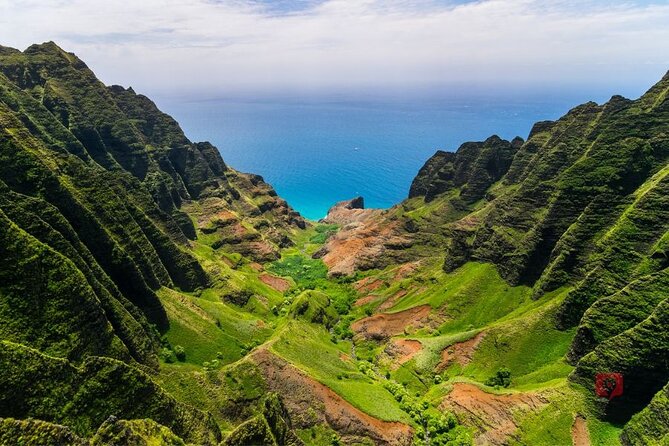
Start with the North Shore if you want that end-of-the-road feeling early. This is where Kauai looks dramatic fast, and where the tour’s “drive, then walk” pacing shines.
Ha’ena State Park: Ke’e, Tunnels, and the Kalalau start
Ha’ena is essentially the finish line on the North Shore drive. You have three big reasons people go: Ke’e Beach, Tunnels Beach (also called Ha’ena Beach Park), and the start of the Kalalau Trail. That trailhead is the access point for overnight hikers heading toward the Na Pali Coast.
The key consideration here is logistics: parking is extremely limited. You are advised to reserve a parking space or use the shuttle service. And if you are thinking about Na Pali Coast access from this side, the materials also note that reservations are required for limited car parking stalls and shuttles for day visitors and overnight hikers.
Translation: if you want an easy, calm morning, plan your parking/shuttle early and build in extra time.
Anini Beach: calm water and shady breaks
Between Kapa’a and Princeville, Anini Beach is one of those “good all-day beach” stops. The shoreline has sand, the water is often calm, and you get shady trees—perfect when you are trying to stretch beach time beyond an hour or two.
Hanalei Bay: long, gentle, and swim-friendly
Hanalei Bay sits under lush mountains and stretches with a beach close to two miles long. It is a safer, gentle option compared with rougher North Shore conditions, and it is also a great place to slow down and just watch the weather move.
Hanapepe: plantation-era charm and Niihau shell jewelry
When you swing toward the west, Hanapepe brings a different energy. It has preserved plantation-style buildings and an active artist scene. A practical tip built into the tour idea: look for Niihau shell jewelry at local galleries and shops, and if you want a quick stroll, cross the Hapapepe Swinging Bridge.
This is a good “break from beaches” stop. It gives you culture-shopping and a short walk without requiring a long hike.
Hanalei: pier photos and a relaxed surfer vibe
Back in Hanalei proper, the town vibe is mellow and beachy, with cafes and stores that feel more laid-back than “tourist-in-a-hurry.” The tour highlights also point you toward the classic pier photo, with the rain-sculpted face of Namolokama in the background—something you will want to catch when the lighting is right.
Beaches and towns between Kapa’a and Princeville
If North Shore is your big scenic theme, this section is your “easy sightseeing” section—small stops where you can park, stretch, and keep rolling.
Kealia Beach: swim options and surfer watching
Kealia Beach is good when surf is manageable, especially in protected swimming areas. If you time it with swell, it can also be an enjoyable place to watch surfers. And if the day is doing what Kauai days do—mixing sunshine and passing clouds—there are shady spots to reset without committing to a long activity.
Kapa’a: food, snacks, and the shave ice pause
Kapa’a is the liveliest town on Kauai’s east side. The tour framing here is simple: grab a meal, try local snacks, wander shops, and—if you like it—make time for shave ice. If you have energy, you can also rent a bike and ride the Kauai multi-use path along the coastline. The tour idea mentions about 8 miles of path and notes it is not strenuous.
Princeville: hotels, views, and Hideaway Beach caution
Princeville is the big resort base on the northern side, sitting above Hanalei Bay. It has top hotels, lots of restaurant options, and golf.
Hideaway Beach is a smaller cove stop, but it comes with a warning: the path is steep and tricky, and you need to pay attention to ocean conditions. This is one of those “only do it if conditions look right” spots—so let the day’s weather guide you.
Wildlife and lighthouse stops: Kilauea Point and the lighthouse trail
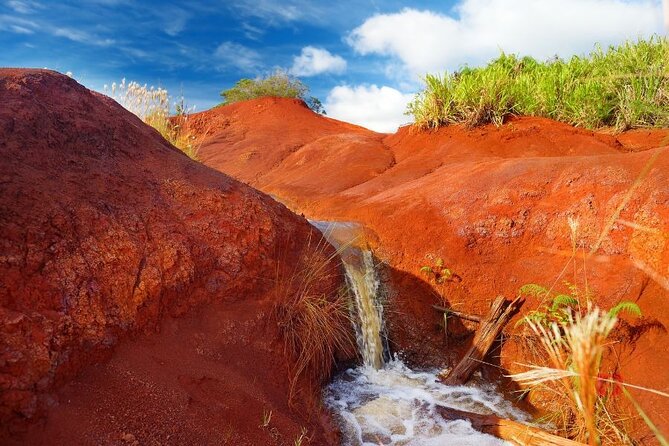
Two separate lighthouse-style stops in this audio route help you see wildlife without turning your day into a long hike.
Kilauea Point National Wildlife Refuge: birds, views, and reservations
At Kilauea Point National Wildlife Refuge, the spotlight is the lighthouse and the seabirds around it. The materials note that the refuge and lighthouse are closed Sundays and Mondays, but you can still enjoy views even if you cannot access the main facilities.
A key planning item: reservations are required to visit Kilauea Point National Wildlife Refuge where the lighthouse is located. So if your schedule includes those days, or if you want a guaranteed experience, plan ahead.
Kilauea Lighthouse Trail: photos over the ocean
The Kilauea Lighthouse Trail is described as a restored, white, century-old lighthouse sitting on cliffs above the Pacific, which makes it a prime photo location. It is also tied to wildlife refuge rules, with the same closure pattern on Sundays and Mondays—but again, you may still view from outside.
If you care about photos, this stop is the one where you should slow down. The trail-style viewpoint can feel more “walk-around” than “look-and-leave.”
End-of-road viewpoints: Koke’e State Park and Na Pali from above
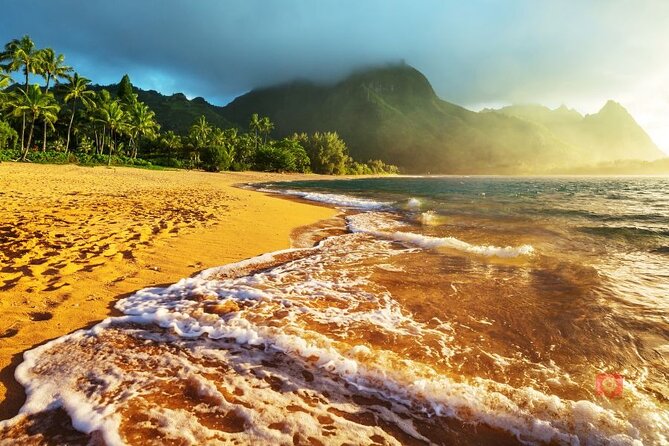
This is where Kauai goes from scenic to spellbinding—especially if you catch good cloud timing.
Koke’e State Park: Kalalau Lookout and Pu’u O Kila
After Waimea Canyon, you push into Koke’e State Park, where the drive reaches the end of the road. The tour emphasizes:
- Kalalau Lookout as the most famous viewpoint,
- and Pu’u O Kila as the final viewpoint with different angles.
Clouds can make or break visibility here. The guidance is practical: if the clouds are kind, you get a superb view down the Na Pali valley toward the ocean. In other words, do not treat it like a guaranteed payoff—treat it like a weather-dependent highlight.
The Koke’e Natural Museum is also a nice “learn while you’re here” stop. It is small and rustic, focused on regional nature and natural environment displays, and it mentions snacks availability.
Na Pali Coast access: you cannot drive in
The tour is very clear here: you cannot drive onto the Na Pali Coast. Access is via challenging hiking or kayaking, or by viewing from above (helicopter tours). That matters because many people assume they can just park and walk at the main Na Pali coastline. This route corrects that quickly.
It also repeats the reservation logic if you are entering via Ha’ena State Park: limited parking, shuttle access, and advance booking.
South Shore hits: Poipu beaches, monk seals, Spouting Horn, and the Tree Tunnel
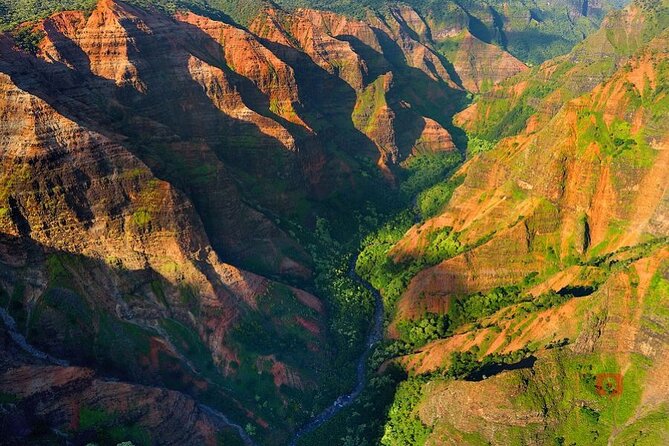
The south side is often where Kauai feels easiest—less wet weather compared with windward areas—plus it has the island’s classic “hang and watch” stops.
Tree Tunnel: eucalyptus gateway and Hurricane Iniki survival
Before you reach Poipu, you drive through the 500 eucalyptus trees that form the Tree Tunnel near Koloa. The story is part of the fun: the trees were gifted to the community in 1911 by pineapple plantation owner Walter McBryde, and they survived Hurricane Iniki in 1992, with winds of about 145 mph.
This stop is short but meaningful. It also helps you reset your pace as you transition from the north side’s longer drives back into the south’s beach-and-dining rhythm.
Poipu: three beaches side by side plus headland views
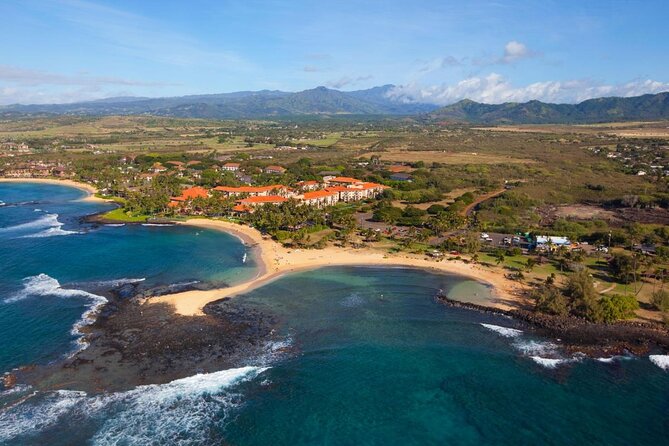
Poipu is the most popular resort area on the south shore, partly because it often dodges more of the rain. It is also close to some of the best sandy beaches on the island: the tour points to Kiahuna Beach, Poipu Beach Park, and Shipwrecks Beach as a three-beach cluster.
You can climb to Makahuena Point for views, then head west toward the blowhole.
Poipu Beach Park: monk seals and the space rule
At Poipu Beach Park, the tour highlights the Hawaiian meaning behind monk seals, often described as dogs of the sea. Kauai is the best island for spotting them. The key etiquette is not optional: monk seals are protected and endangered, so you need to give them space and follow any signage.
This is a great place for a short, respectful stop—less about a swim and more about a quiet watch.
Spouting Horn: the blowhole show and seasonal whales
Spouting Horn is Kauai’s best-known blowhole. The tour describes water shooting up through a natural lava tube, sometimes up to about 50 feet. There is a big carpark and viewpoint, so it is easy to access.
The timing note: humpback whales can be spotted here December through May, so if your trip falls in that window, plan this as your “stay a few extra minutes” stop.
East and central essentials: Lihue, Wailua Falls, and Waimea Canyon timing
If you want the “Kauai highlights you will recognize from photos,” this section delivers—plus it is easy to do as a morning/afternoon strategy.
Lihue and Nawiliwili: history, food, and Menehune Fish Pond
Lihue is Kauai’s historical center and commercial hub, with Nawiliwili nearby. The tour idea here is about real daily life: authentic Hawaiian history and uniquely Kauaian food.
You also get a calm public beach: Kalapaki, right in front of the Marriott area. Another highlight is the Menehune Fish Pond, which you reach by following the route past the cruise ship terminal. It is described as being built by legendary ancient Hawaiians—another “stop that feels like you are stepping into a story.”
Wailua Falls: quick parking, big payoff, rainbow timing
Wailua Falls is described as the most recognized waterfall on Kauai, about a 10-minute drive from central Lihue. Two streams drop dramatically over an 80-foot drop, and you do not need a hike—the best view is from the parking area.
The photo tip is practical: arriving early in the morning increases your chances of rainbows in the mist.
Waimea Canyon: the Grand Canyon of the Pacific analogy
Waimea Canyon is often called the Grand Canyon of the Pacific in other writing, and the tour explains why: volcanoes, earthquakes, caldera collapses, and relentless rain carved the red earth.
The materials recommend four must-stop views along the driving road and add a key timing tip: clouds often form on Kauai’s mountains in the afternoon. So morning visits often improve your odds for clearer canyon views.
Using the tour well: rain, navigation, and wildlife rules
Kauai weather does not ask permission. The best use of this audio format is when conditions are messy, windy, or rainy—because you still keep moving with confidence and you still get stories and guidance while you drive.
A couple real-world tips based on the tour’s emphasis:
- Charge up. If you lose battery, GPS audio stops being helpful.
- Let access points set your timing. Ha’ena’s parking limits and Kilauea Point’s reservation requirement can shape your whole day.
- Respect wildlife signage. Monk seals and seabird areas come with protected-species rules.
- For lighthouse and refuge areas that close on Sundays and Mondays, plan to still stop for viewpoints even if interior access is restricted.
One timing note from the feedback that is worth your attention: even with GPS timing, sometimes turn-call timing can feel close to the turn. So drive with normal caution—do not treat audio as a replacement for watching the road.
Should you book this Kauai self-guided audio driving tour?
I would book it if you want:
- a budget-friendly way to hit the island’s major highlights,
- direction help that keeps you from missing turns,
- and narration that adds context so the scenery actually means something.
You might skip it (or at least plan carefully) if:
- you know you will arrive with weak connectivity and you did not download ahead of time,
- you are the type who prefers everything arranged for you without thinking about parking/reservations,
- or you are planning around days where Kilauea Point and lighthouse facilities close (Sundays and Mondays).
If you do the basic prep—download before leaving, bring a charger, and check reservation needs for Ha’ena and Kilauea Point—you get a great mix of independence and local guidance. It’s one of those trips where your car turns into a moving lookout, and the island feels less like a checklist.
FAQ
What does the Kauai self-guided audio driving tour cost?
It is priced at $19.99 per group, up to 8 people.
How long is the tour?
It is listed as about 6 to 20 hours, depending on how you pace your stops.
Does the tour include entrance fees?
Entrance fees are not included. The materials also note that some specific stops have Admission Ticket Free while others are not included.
Does the audio tour work offline?
Yes. After you download the tour in the GuideAlong app, it can be used offline without internet or cell service.
Do I need reservations for Ha’ena State Park parking?
The materials say parking is extremely limited and you must either reserve a parking space or use the shuttle service to access Ha’ena State Park.
Do I need reservations for Kilauea Point National Wildlife Refuge?
Yes. Reservations are now required to visit Kilauea Point National Wildlife Refuge, where the Kilauea Lighthouse is located.
Are Kilauea Point and the lighthouse areas open every day?
They are closed Sundays and Mondays, but you can still enjoy the views even if you cannot access the main facilities.
Where does the tour start?
The tour start is listed at Poipu Rd, Poipu, HI 96756, USA. The audio plays by GPS so you have flexibility on where you start and end along the route.