REVIEW · REYKJAVIK
Private audio guide of the island for self-exploration tour
Book on Viator →Operated by AOYO Audioguides · Bookable on Viator
Your car turns into a talkative co-pilot.
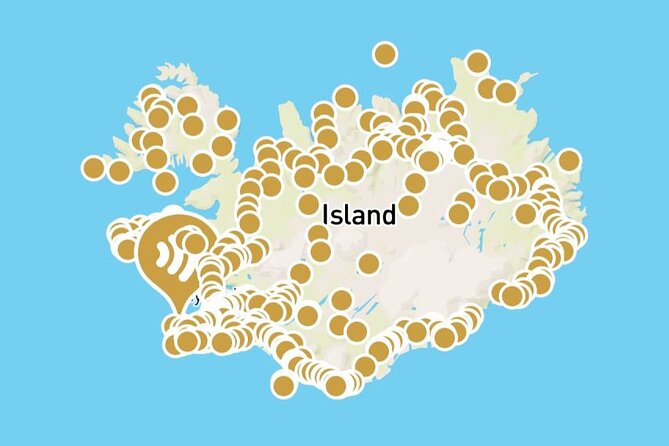
This self-exploration package uses a GPS-controlled phone app with the audio guide Iceland Complete, packed with 340+ stations covering nature, people, history, and place-by-place context. It’s a smart fit for a road trip where you want facts on demand, without waiting for a group.
The main thing to consider: the experience depends on your setup, especially connecting the smartphone to the rental car radio so the audio plays automatically. If that auto-play fails, you’ll have more button-pressing than you planned, and that can feel annoying fast on long drives.
In This Review
- Key things to know before you press play
- Turning your rental-car hours into real Iceland context
- How the GPS audio guide works (and what you’re really paying for)
- Price and group size: $30.08 for up to five people
- Reykjavik and the Reykjanes start: first stops near Keflavík
- Reykjanes geology: the Bridge Between Continents and the plates underneath you
- Seltún geothermal area: hot springs, volcanic systems, and practical context
- Golden Circle without the guesswork: Pingvellir, Geysir, and Gullfoss
- South Coast icons: Seljalandsfoss and Skogafoss with added meaning
- Skaftafell National Park: using the drive to understand the area
- Glacier lagoon area: Gletsjerlagune Jokulsarlon and the story beyond Diamond Beach
- East Iceland and fishing villages: Egilsstadir, fjords, and the Icelandic Loch Ness Monster
- Lake Myvatn and Dettifoss: surprises, then power
- North Iceland: Húsavík whale watching and Akureyri’s everyday culture
- Westfjords and Dynjandi: more than one waterfall worth your time
- Snæfellsnes with Arnarstapi: Iceland in miniature
- Hraunfossar and the Children’s Waterfalls connection
- Highlands and Hveravellir/Landmannalaugar: open spaces with built-in context
- Vestmannaeyjar (Heimaey): the Westman Islands’ turbulent history
- Who should book this audio tour, and who should skip it?
- My booking verdict: should you get the Iceland Complete audio guide?
- FAQ
- How many people can use the guide for the group price?
- How long is the experience?
- What do I get after booking?
- How many audio stations are included?
- Does it work offline?
- Will the audio play through my rental car?
- Is this a guided tour with transportation?
- What is included in the price?
- Is anything not included?
- What’s the cancellation policy?
Key things to know before you press play
- GPS-controlled audio means the app reacts to where you are, not just what you choose
- 342 audio stations spread across the country, not only the Golden Circle
- Works offline, so you’re less at the mercy of signal in remote areas
- Car-radio connection lets everyone in the vehicle listen together
- Private group of up to 5 keeps it simple if you’re traveling with friends or family
- A suggested 8-day route helps you pace the stops without thinking too hard
Turning your rental-car hours into real Iceland context
In Iceland, the drive is the point. This audio guide helps you notice what you’re actually passing: plate tectonics, geothermal systems, volcanic activity, and the human stories tied to all that change.
You’re not hiring a driver or a live guide. Instead, your phone becomes the guide you carry. After booking, you get access to the app and the Iceland Complete audio tour, with over 340 stations placed around the island so you can follow the route at your own speed.
You can also read our reviews of more tours and experiences in Reykjavik.
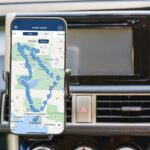

How the GPS audio guide works (and what you’re really paying for)
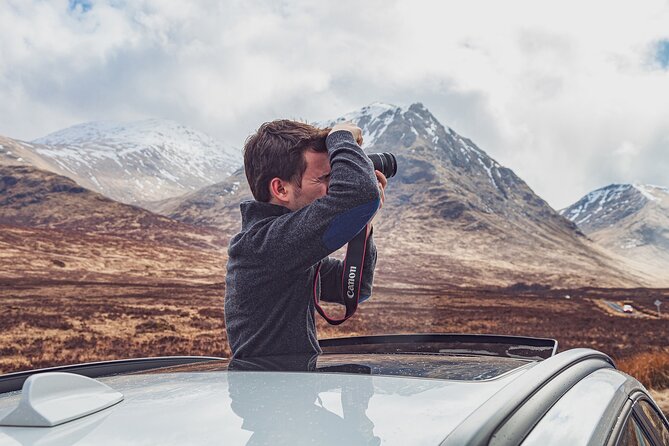
You’ll receive an email with access to the app and the guide Iceland Complete. The content sits in more than 340 audio stations, with information covering sights plus broader background on nature and culture.
Here’s the practical part: when you’re in the car, the guide can connect to your rental car’s audio system. That matters because it keeps the experience shared—fellow passengers can hear it without headphones. The app is also designed to run offline after installation, which is a big deal when you’re heading beyond the main towns.
You’ll use an access code to unlock the guide on your smartphone. The company specifically says to look for the separate email after booking (including spam), and to contact them if you have any problems—because the whole thing rests on getting that code and getting the app installed before you leave.
Price and group size: $30.08 for up to five people
The price listed is $30.08 per group, up to 5 people. That’s a rare setup where the cost doesn’t scale with how many seats you fill.
It also helps you decide whether this is “worth it” for your travel style. If you’re the kind of traveler who reads every sign, you’ll probably like the extra layer of stories. If you only want occasional highlights, you might end up skipping a lot of stations, which can still be fine since you can use the guide as often as you like and keep it for future drives.
One more value note: this is an audio-only product. You’re not paying for vehicle rental, lodging, or entrance fees. The guide is there to explain where you are and what you’re seeing, so you still have to budget for the trip itself.
Reykjavik and the Reykjanes start: first stops near Keflavík
Your tour starts back at the meeting point near Keflavík International Airport. From there, you can shape your early days around the Reykjanes Peninsula and the Reykjavík area stops included in the audio.
Reykjavík shows up as a pass-by region, with optional content you can use to get bearings quickly. And since this guide includes multiple Reykjavík-area stations, it can help you connect the dots before you spend time walking around town—especially if you want short, practical explanations while you’re between major sights.
Reykjanes geology: the Bridge Between Continents and the plates underneath you
One of the most compelling ideas in the guide is that you’re not just visiting landmarks—you’re understanding why the land looks the way it does.
At the Bridge Between Continents stop, you stand directly above the rift between the North American and Eurasian continental plates. The audio stations here are built to help you grasp what that means in plain language: Iceland sits on a geologic boundary, so the ground is always doing something, even when you can’t feel it.
Soon after, the guide shifts into the Reykjanes volcanic story. Fagradalsfjall appears as a pass-by stop with context about volcanic activity that began again on the peninsula in 2021 and made headlines with multiple eruptions. If you’re curious why eruptions become such a big deal in Iceland, this section is meant to connect the headlines to the ground beneath them.

Seltún geothermal area: hot springs, volcanic systems, and practical context
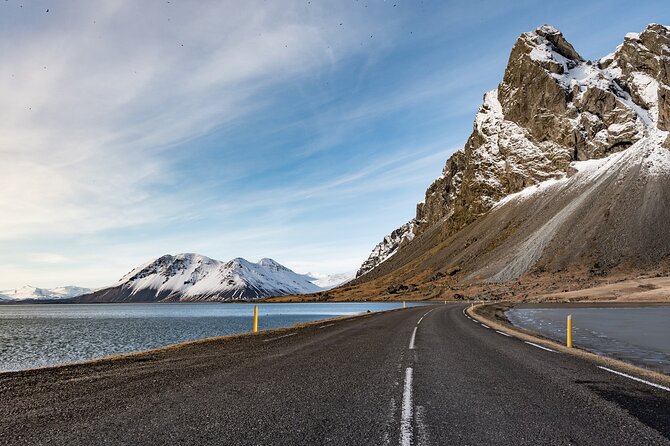
Seltún Geothermal Area is another stop built around explanation, not just scenery. The guide focuses on volcanic systems and hot spring areas, which is useful because geothermal places can look dramatic but confusing if you only see the smoke and colors.
This kind of station works best when you slow down a little. Instead of treating geothermal areas as quick photo stops, you can use the audio to understand the process—why the ground is warm, why water behaves differently, and what geothermal activity signals in Iceland’s active geology.
Golden Circle without the guesswork: Pingvellir, Geysir, and Gullfoss
If you’re doing the classic Golden Circle, the guide is structured to support that drive with both site-specific stories and general background on Icelandic culture and language. You also get “Golden Circle Route” content that wraps around the individual stops, so you’re not left with scattered facts.
At Pingvellir National Park, you’ll find audio stations that cover both geologic and historical interest. This is the kind of place where geology and human history overlap, and the guide is designed to keep the connections clear while you’re on foot.
Then you hit Geysir, with a fun linguistic angle: the name Geysir comes from Icelandic, and you’ll hear more about the great-grandfather of all geysers. It’s the sort of detail that makes the spot feel less like a tourist checklist and more like a living place with a story behind the words.
Finally, Gullfoss comes with a human twist. The audio talks about how, about 100 years ago, it had to be saved by a farmer’s daughter. That’s a helpful reminder: Iceland isn’t only about nature—it’s also about the people who pushed back to protect it.
South Coast icons: Seljalandsfoss and Skogafoss with added meaning
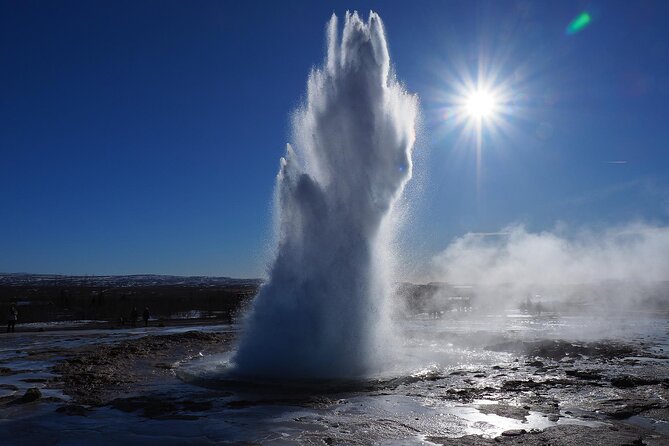
The guide includes Seljalandsfoss and Skogafoss as pass-by stops, plus extra context for the drive in between.
Seljalandsfoss is famous, but the useful part here is the way the audio connects the falls to what surrounds them, rather than treating it as a standalone postcard. That makes your time feel longer and more rewarding, even if you only have a short stop.
Skógafoss gets special treatment because the audio aims at a specific question: where to find the remains of what’s described as the gold treasure under the waterfall. If you’ve heard people talk about it, this is the sort of station that helps you understand what the story is, and where to look once you’re there.
Skaftafell National Park: using the drive to understand the area
Skaftafell National Park is included as a pass-by stop. The guide frames it in the context of Iceland’s famous national parks and the special places around them, which helps you make better choices if you only have time for a couple of walks.
This section is especially valuable if you want to avoid the common mistake of treating every pull-off as equal. The audio gives enough background that you can decide what fits your energy level that day.
Glacier lagoon area: Gletsjerlagune Jokulsarlon and the story beyond Diamond Beach
In southern Iceland, you’ll see Gletsjerlagune Jokulsarlon included, with content that points to glacier lagoons beyond the ones most people memorize.
The guide includes information about the Jökulsárlón glacier lagoon and Diamond Beach, and it also notes there is another glacier lagoon in southern Iceland besides the famous one. That’s useful because it encourages you to look at options rather than locking into a single default plan.
If your main goal is to time photography right, the audio won’t replace that. But if your goal is to understand why these places look the way they do—glacial movement, melting, and the way ice breaks up—then this part of the guide earns its keep.
East Iceland and fishing villages: Egilsstadir, fjords, and the Icelandic Loch Ness Monster
East Iceland is where the guide widens out from big-name scenery into village life. You’ll get pass-by stations for the East region, built around small fishing villages, fishing history, techniques, and the fjords.
Egilsstadir is included with audio about forests and waterfalls, plus a specific bit of local folklore: an Icelandic Loch Ness Monster. Whether you treat that as myth or mystery, the audio framing makes it feel tied to place, not just random trivia.
This is the area where I’d expect the guide to feel most human. You’re not only seeing dramatic geology—you’re hearing how people made livelihoods there and how the landscape shaped those routines.
Lake Myvatn and Dettifoss: surprises, then power
Lake Myvatn is included as a pass-by highlight with audio stations for big and small surprises. The point isn’t just to tell you what Myvatn is famous for, but to help you spot how varied the area feels once you start driving and walking.
Next, Dettifoss Waterfall appears as a pass-by stop in the large glacier gorge of Jökulsárgljúfur. The audio focus here is about scale and setting—helpful because Dettifoss can be mind-boggling on its own, and context helps you stay present instead of just overwhelmed.
North Iceland: Húsavík whale watching and Akureyri’s everyday culture
Húsavík is included as a pass-by stop and is described as the capital of whale watching. The value here is that you get a reason the town matters, even if you only have a brief stop.
Akureyri follows as another pass-by region. The audio isn’t just about scenery; it includes background on infrastructure, nature, and museums. That’s a useful blend if you want a break from pure driving time and maybe do a bit of indoor exploring depending on weather.
Westfjords and Dynjandi: more than one waterfall worth your time
The Westfjords region is covered in more than 15 stops, including mentions of museums and impressive natural sites. Dynjandi waterfall is specifically named, which is a good clue that the guide expects you to treat this area like a multi-stop region, not a quick day trip.
This is also one of the parts of Iceland where audio helps you prioritize. With so many viewpoints and stopping points, you’ll often wonder which ones are worth the time and which are just scenic. A well-timed station can help you choose without reading a stack of guides in the car.
Snæfellsnes with Arnarstapi: Iceland in miniature
Arnarstapi is included, tied to the Snæfellsnes peninsula. The guide says the peninsula has over 30 audio stations and uses the label Iceland in miniature, which fits the geography: a smaller area that still packs dramatic variety.
If you like your route to feel like a sampler, this section makes sense. You get enough content that you can keep moving and still feel like you’re learning what you’re seeing, even if you can only cover part of the region.
Hraunfossar and the Children’s Waterfalls connection
Hraunfossar appears with an explanation that it flows out of rock, and the audio also connects it to the idea of the Children’s Waterfalls. This is the kind of naming-and-meaning detail that can turn a walk into something more memorable.
It’s also a good reminder to you: Iceland’s places are often named with stories and descriptions people have carried over time. The audio doesn’t just tell you what you see; it gives you the words behind it.
Highlands and Hveravellir/Landmannalaugar: open spaces with built-in context
The highlands are included with Landmannalaugar plus additional pass-by stops in the area, including Kjölur and Sprengisandur slopes and highland oases like Hveravellir and Landmannalaugar.
Even without getting into detailed driving advice, the value here is context. Highlands in Iceland can feel like a different world, and understanding how the terrain and geothermal features fit together can make the time feel more intentional rather than just scenic.
If you’re planning a trip where you want at least a taste of the highlands, this guide helps you connect those dots while you’re actually there.
Vestmannaeyjar (Heimaey): the Westman Islands’ turbulent history
The guide includes Vestmannaeyjar with several stops on Heimaey. It frames the islands as special enough to deserve their own set of stations, focused on turbulent history.
This is a great reminder that Iceland’s story isn’t only volcanic eruptions in empty wilderness. It’s also how people live with that reality on islands—how communities change, recover, and adapt over time.
Who should book this audio tour, and who should skip it?
This works best if you want a self-guided drive and you enjoy learning while you’re on the move. If you like the Ring Road style of travel—long stretches of road, plus stops that you pair with short walks—the structure of GPS-triggered stations fits well.
It’s also a good pick if you’re traveling with a small group (up to 5) and want the audio shared through the car radio. When it works, it feels like your vehicle has its own naturalist.
Skip it—or at least go in with eyes open—if you’re expecting a guaranteed “set it and forget it” autoplay experience in every rental car setup. One review-style concern is that automatic playback didn’t work consistently, which is exactly the sort of frustration that can ruin momentum on day one.
My booking verdict: should you get the Iceland Complete audio guide?
Yes, if you’re the kind of traveler who enjoys real context with minimal fuss. For the price of $30.08 per group, you’re buying a lot of guided storytelling across Iceland, with offline support and 342 stations designed to match where you are.
Book it if you’re planning to drive through multiple regions—Reykjanes, Golden Circle sights, South Coast waterfalls, glacier lagoon country, East and North Iceland, and possibly the Westfjords or Snæfellsnes side trips. The guide’s strength is that it doesn’t force you into one fixed “one-day highlights” plan.
I’d reconsider if you dislike tech setup, or if you expect a fully guided tour with a person leading the stops. This is still an audio guide, and your experience will depend on your smartphone-to-car setup functioning well.
FAQ
How many people can use the guide for the group price?
The price is per group for up to 5 people.
How long is the experience?
The duration is listed as 8 days (approx.).
What do I get after booking?
You receive an email with access to the app and the audio guide called Iceland Complete, plus the code you need to unlock the guide on your smartphone.
How many audio stations are included?
The guide includes 342 stations across Iceland.
Does it work offline?
Yes, the guides work offline and are easy to install via the associated app.
Will the audio play through my rental car?
The guide can connect to your rental car’s audio system, so the information can play automatically along the way. You’ll use an access code to connect your smartphone to the car radio.
Is this a guided tour with transportation?
No. This is an audio guide for self-exploration. It does not include transportation or a live guide.
What is included in the price?
Included: the Iceland Complete audio guide (342 stations), access via the app after booking, and the ability to use it as often and as long as you like.
Is anything not included?
Not included: vehicle rental, accommodation, and entrance fees (the product is the audio guide only).
What’s the cancellation policy?
Free cancellation is offered up to 24 hours in advance for a full refund. If you cancel less than 24 hours before the start time, the amount paid is not refunded.