REVIEW · PADUA
Padua: Scrovegni Chapel Ticket and Audio Guide
Book on GetYourGuide →Operated by BOLOGNA TOUR & BEST ITALY TOUR · Bookable on GetYourGuide
Giotto’s colors hit fast. The Cappella degli Scrovegni is one of those rare sights where a small room can feel huge, thanks to Giotto’s 14th-century fresco cycle and the chapel’s UNESCO status. I especially like having skip-the-ticket-line entry for a timed visit, and I also appreciate the audio guide that gives context beyond what you can see on the walls. The main drawback to consider: this experience is short, and if you’re hoping for lots of insider stories, the guide may feel basic after a short pre-visit explanation.
If you go in with the right mindset, the chapel delivers. You’ll spend your time staring upward—at intense coloring, carefully staged scenes, and Giotto’s big artistic shift that helped reshape Western art. Just note the rules: no photos inside, and you’ll want to arrive early since entry is limited.
In This Review
- Key things to know before you go
- Giotto’s frescoes in Padua: what the 30 minutes are really for
- Inside the chapel: what you’ll focus on once you get in
- The audio guide: how to use the 7 tracks without wasting time
- Meeting point and the “20 minutes early” rule that actually matters
- Price and value: $36 for what you’re actually buying
- Small group, firm rules: making your visit smoother
- Timing and order: how to fit Scrovegni Chapel into a Padua day
- Should you book the Padua Scrovegni Chapel ticket with audio?
- FAQ
- How long is the Scrovegni Chapel visit?
- Where do I meet for the activity?
- Is the ticket line skipped?
- Is an audio guide included?
- Are photos allowed inside the chapel?
- Can I bring luggage or large bags?
- Is this suitable for wheelchair users?
Key things to know before you go
- Giotto fresco cycle in a UNESCO site: The chapel is part of a UNESCO serial listing tied to 14th-century fresco cycles in Padua
- Patron Enrico’s chapel: The building is linked to Enrico (by surname) and dedicated to Santa Maria della Carità
- Timed, small-group entry (max 10): You’ll be guided in a way that keeps the visit moving
- Audio guide has 7 tracks: It covers themes like the University of Padua and Erbe Square, plus the chapel itself
- Arrive 20 minutes early: Limited entry means early arrival protects your entry time
- Photo and bag restrictions: No large bags, no flash, and no photography inside
Giotto’s frescoes in Padua: what the 30 minutes are really for
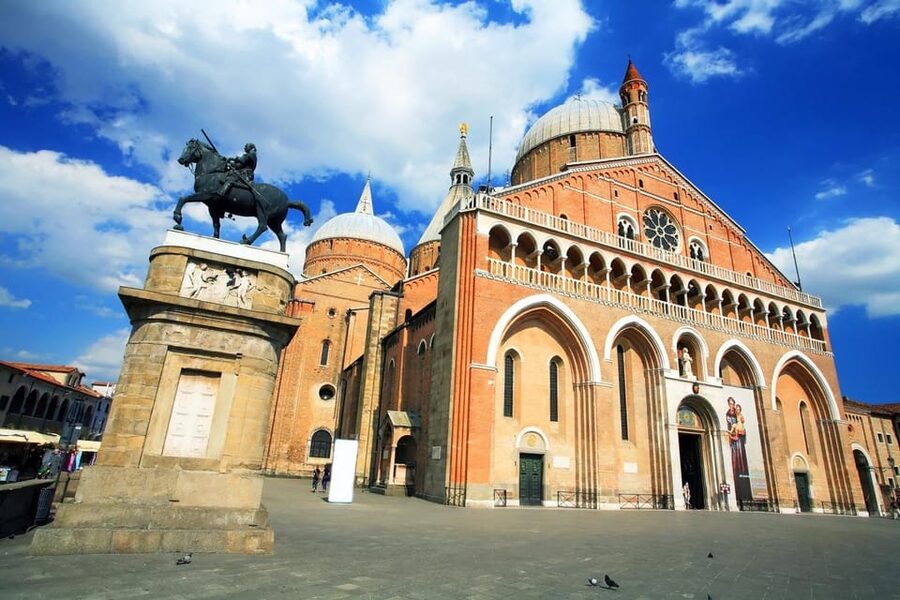
The ticket is built around a simple goal: get you into the Cappella degli Scrovegni and let you absorb Giotto’s fresco cycle without dragging it out. Even though the visit is about 30 minutes, that timing makes sense here. Frescoes like these are visual work. You need a few minutes per wall, not a quick glance while you wait in line.
What makes the chapel special is not just the fame. It’s the way Giotto’s paintings show a major change in Western art—described as a profound revolution—where the figures and scenes feel more grounded and emotionally readable than earlier styles. If you’ve seen lots of church interiors, you’ll recognize that this isn’t just decorative painting. It’s storytelling at eye level, staged across the cycle so you move your gaze around the room and gradually build the narrative.
Also, don’t overlook the meaning of the place itself. The chapel is named after its patron, Enrico, and it’s dedicated to Santa Maria della Carità. When you connect the artwork to the chapel’s purpose and patronage, the fresco cycle starts to feel less like an art museum display and more like a built environment made for contemplation.
One practical thought: if you have a long museum habit—stopping to read every label in full detail—this visit can feel fast. But that’s not a reason to skip it. It’s a reason to come ready to look, not to study for an hour. Your best move is to pace yourself slowly once inside and let the coloring do the talking.
You can also read our reviews of more tours and experiences in Padua.
Inside the chapel: what you’ll focus on once you get in
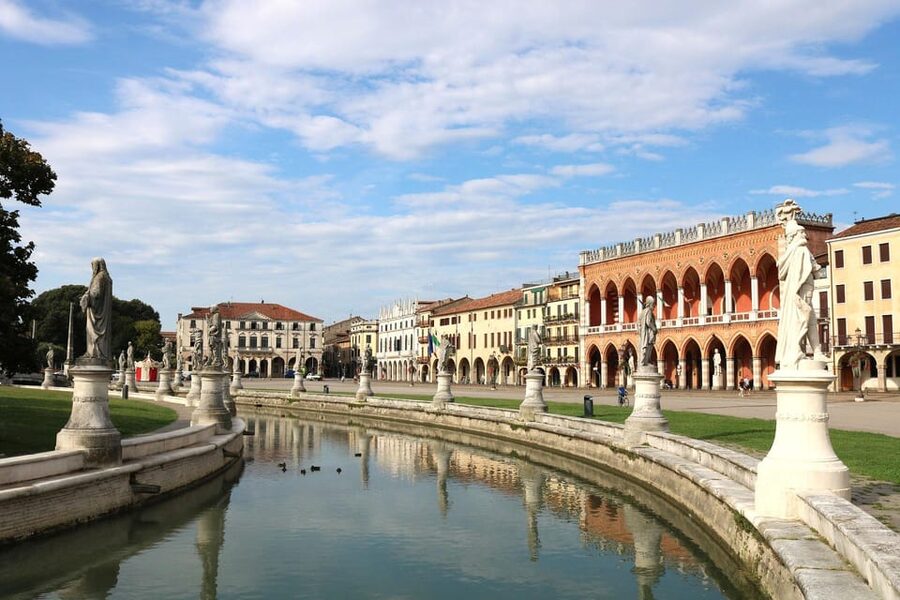
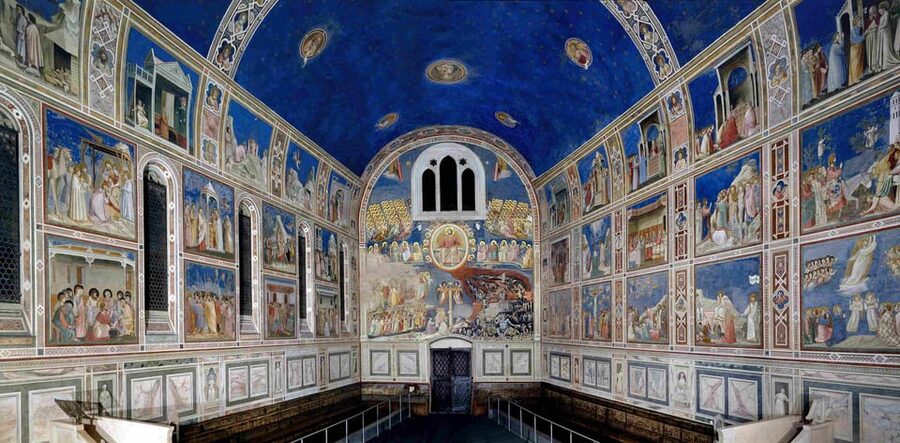
Your “itinerary” here is mostly about orientation and viewpoint. After entry, you’ll have time to take in the frescoed cycle by Giotto, which is especially known for its intense coloring. The chapel’s paintings have a reputation for how strongly they still register visually, and that’s a big part of why UNESCO is involved: the UNESCO listing highlights the uniqueness of the cycle and its lasting visual power.
Here’s how I’d approach the room to get more out of your short visit:
- Start by looking for the overall structure first, so you know you’re not just seeing random scenes.
- Then pick one section and stay with it for a bit, letting the figures and setting patterns sink in.
- Finally, do a second sweep with your questions in mind: what looks emotionally tense, what looks staged or formal, and what stands out as the most dramatic moment.
Even if you don’t know art history, the chapel gives you cues. Giotto’s work is famous for its impact, and that impact is easier to understand when you slow down for a couple of key moments rather than rushing every wall equally.
One more thing: this is a no-photo space. That changes the way you experience it. You won’t rely on your phone to “save” what you see. Instead, you’ll rely on direct visual memory—exactly the kind of experience that makes famous frescoes feel alive instead of archived.
The audio guide: how to use the 7 tracks without wasting time
The ticket includes an audio guide with 7 tracks. The most useful part for many people is that the tracks aren’t just “fresco commentary.” They also include context about the University of Padua and Erbe Square, plus information about the chapel itself.
That matters because Padua isn’t only a place where Giotto painted. It’s a city with learning, civic life, and public spaces that help explain why art landed where it did, and why certain ideas would have mattered.
In your 30 minutes, you should treat the audio like a set of signposts, not a script you need to finish. You’ll likely get more value if you:
- Turn it on right away so you’re not scrambling to sync explanations with what you’re looking at.
- Pause your “reading mode.” Don’t let the audio control your attention so fully that you stop seeing the frescoes.
- Use the tracks to decide where to look next, especially if one track makes a specific detail important.
A key caution: some people have run into issues where an audio guide wasn’t what they expected. Since the audio guide is included, it’s worth checking that you actually have it in hand during check-in and that it starts up correctly before you settle in. If anything feels off, speak up quickly while you can still change the plan.
Also, be realistic about pacing. If the pre-entry experience already covers the basics, the audio might feel less essential. That doesn’t mean it’s useless—it means it helps most if you’re the kind of visitor who wants quick context while you’re looking, rather than a full lesson.
Meeting point and the “20 minutes early” rule that actually matters
Your meeting point is the entry Cappella degli scrovegni. This is a timed entry, and the big practical requirement is simple: arrive at least 20 minutes before your entry.
In a place like this, early arrival isn’t about being polite. It’s about logistics. Entry is limited, and you’ll be working against strict access rules. When you show up late, you can end up stressed, and stress is the enemy of a chapel visit where your eyes should be doing the heavy lifting.
The good news: this ticket is designed to help with pacing. It offers skip the ticket line, which is a real advantage in busy seasons. Skip-the-line doesn’t mean “no rules,” though. It just means your time inside is more likely to match what you paid for.
Comfort also matters. You’re told to bring comfortable shoes, and you should treat that as practical advice, not generic fine print. This is a standing-and-looking experience in a constrained space. If your feet are unhappy, your attention will drift.
Price and value: $36 for what you’re actually buying
The price is listed as $36 per person. That sounds straightforward, but value here depends on what you want from the visit.
You’re paying for:
- Admission to the chapel
- An included audio guide
- Small-group handling (limited to 10 participants)
- Skip-the-ticket-line benefits
So the question is not just whether the chapel is worth it. It clearly is. The question is whether this package is the most efficient way to experience it.
If your goal is simply to see Giotto’s fresco cycle and you prefer reading your own notes, you might feel that the audio component doesn’t add enough. If, on the other hand, you like context tied to what you’re seeing—University of Padua, Erbe Square, and chapel background—then the audio may earn its keep, because it turns your look into understanding.
There’s also a common visitor frustration to watch for: ticket recognition. If your entry experience depends on staff matching tickets quickly, it helps to have everything ready and easy to verify. Bring your digital ticket exactly as provided, and be prepared to show it without delays.
My advice for value: if you’re the type who enjoys context but doesn’t need a full lecture, this ticket can be a good deal. If you expect “insider tips,” go in knowing the format is designed for a short, focused visit.
Small group, firm rules: making your visit smoother
This is a small group experience, limited to 10 participants. That can help because the group size is less likely to overwhelm the space, and you should get a calmer entry flow than larger tours.
That said, chapel rules are not optional. You should plan around:
- No flash photography
- No photography inside
- No luggage or large bags
Since big bags aren’t allowed, travel light. If you’ve got bulky items, you’ll want a different plan for storage before you head to the chapel. Otherwise, you risk losing your momentum (and momentum is what you want, since entry is time-based).
Wheelchair access is also explicitly noted as not suitable for wheelchair users. If you need mobility access, it’s worth choosing a different visit format or confirming alternatives through the official channels before you commit.
Timing and order: how to fit Scrovegni Chapel into a Padua day
Because the visit is about 30 minutes, you can place it early or late in your Padua day and still keep the rest of the schedule intact. The trick is to avoid stacking it with other time-sensitive activities that require precise arrival windows.
I like using the audio guide’s city context to anchor the experience. If your day includes time around Erbe Square or you’re interested in the University of Padua, the chapel visit can become the art-history centerpiece that makes the rest of the city feel connected.
Even without a formal “before and after” tour plan, here’s a practical rhythm:
- Arrive early, check in, and get inside while you still feel fresh.
- Let the frescoes lead first. Use audio tracks as your tool, not your boss.
- After, use your city time to connect what you saw to what you’ll notice outside.
And yes, because there’s no photo inside, give yourself a few minutes afterward to mentally review what you remember. That’s how the visit sticks.
Should you book the Padua Scrovegni Chapel ticket with audio?
Book it if:
- You want fast, organized entry and you’re okay with a focused, short experience.
- You value a 7-track audio guide that connects the chapel to Padua’s University and Erbe Square.
- You prefer a small group and want your time inside to be less chaotic.
Skip it (or book a different format) if:
- You mainly want the frescoes and think the audio will feel redundant, especially if you don’t like listening through explanations.
- You’re sensitive to any chance of missing components. Since the audio guide should be included, verify it at check-in and don’t wait until you’re already inside.
- You expect a lot of interactive “insider” storytelling. This is designed for quiet viewing more than conversation.
If you want one simple rule: plan to arrive early, keep your bag situation easy, and go in ready to look upward. Do that, and even 30 minutes will feel like time well spent in Padua.
FAQ
How long is the Scrovegni Chapel visit?
The duration is about 30 minutes. You’ll be asked to check availability for starting times.
Where do I meet for the activity?
The meeting point is the entry to Cappella degli scrovegni.
Is the ticket line skipped?
Yes. This activity includes skip the ticket line entry.
Is an audio guide included?
Yes. The package includes an admission ticket plus an audio guide.
Are photos allowed inside the chapel?
No. Photography is not allowed inside to protect the frescoes, and flash photography is also not permitted.
Can I bring luggage or large bags?
No. Luggage or large bags are not allowed.
Is this suitable for wheelchair users?
No. It is noted as not suitable for wheelchair users.