REVIEW · MADRID
Madrid: Reina Sofía Museum Ticket with In-App Audio Guide
Book on GetYourGuide →Operated by Naturanda Turismo Ambiental · Bookable on GetYourGuide
The emotional power of Guernica hits fast. This ticket gets you into Madrid’s Reina Sofía to explore 20th-century Spanish art on your own schedule, plus an in-app audio guide in multiple languages.
I especially like the setup: you don’t need to match a group’s pace, and the museum’s permanent collection includes heavyweight works by Picasso, Dalí, and Miró. One drawback to plan for: the audio guide depends on internet, and the app isn’t the museum’s official audio, so coverage can feel lighter than you expect.
In This Review
- What you should know before you go
- Key highlights (quick and practical)
- Reina Sofía in Atocha: what makes this museum worth your time
- A self-paced visit plan: how to see the big works without rushing
- Picasso’s impact: Guernica and why it’s the anchor of the whole visit
- Dalí and Miró in context: what the permanent collection adds
- The in-app audio guide: useful if it works, frustrating if it doesn’t
- Museum hours in your head: the building, the flow, and renovation surprises
- Palacio de Cristal and Palacio de Velázquez in Retiro: optional extras
- Price and value: is $35 a fair deal?
- Who this experience fits best
- Should you book this Reina Sofía ticket with in-app audio?
- FAQ
- Where is this museum experience located?
- How long should I plan for?
- What does the ticket include?
- Do I need internet for the audio guide?
- Are headphones included?
- What languages are available for the audio guide?
- When will I receive my tickets?
- Is it wheelchair accessible?
What you should know before you go
Reina Sofía sits in the Atocha area, and it’s housed in a handsome 18th-century neoclassical building that used to be the General Hospital of Madrid. Opened in 1992, the museum is a strong pick if you want modern Spanish art in one focused place, without buying a full guided tour.
The museum visit is straightforward. The part that can get annoying is tech: headphones aren’t included, and some visitors run into trouble when the app won’t download or the connection is spotty. If you’re the type who hates surprises, build in extra buffer time and download everything you can before you enter.
Key highlights (quick and practical)
- Skip-the-line entrance: you enter through a separate route instead of waiting at the ticket office.
- Self-paced museum time: no group tour schedule to follow, so you can slow down for details you care about.
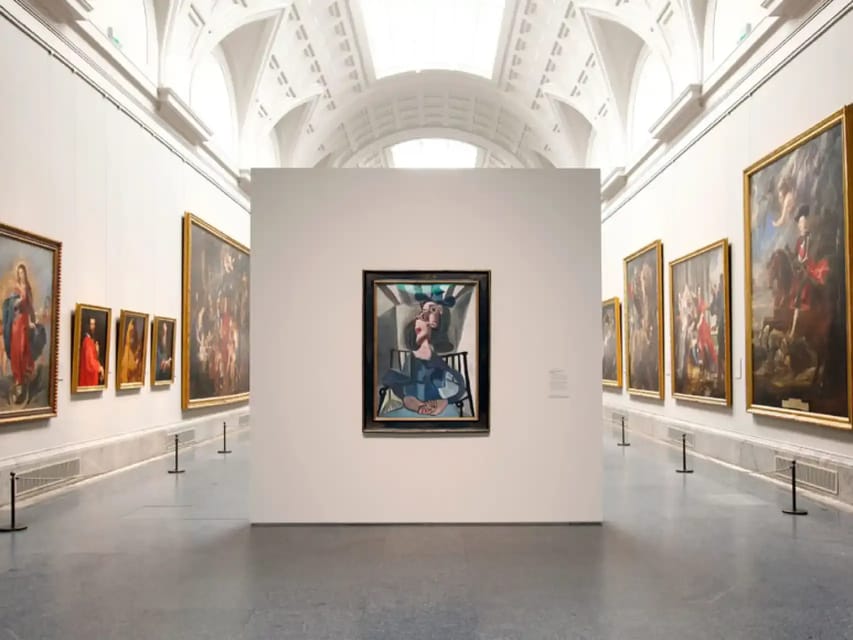
- 20th-century Spanish art focus: the permanent collection is built around the big Spanish names.
- Audio in several languages: Spanish, English, French, and Italian are supported through the app.
- Extra museum venues in Retiro: Palacio de Cristal and Palacio de Velázquez host temporary shows in the same museum network.
You can also read our reviews of more tours and experiences in Madrid.

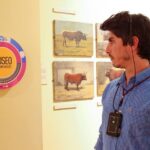
Reina Sofía in Atocha: what makes this museum worth your time
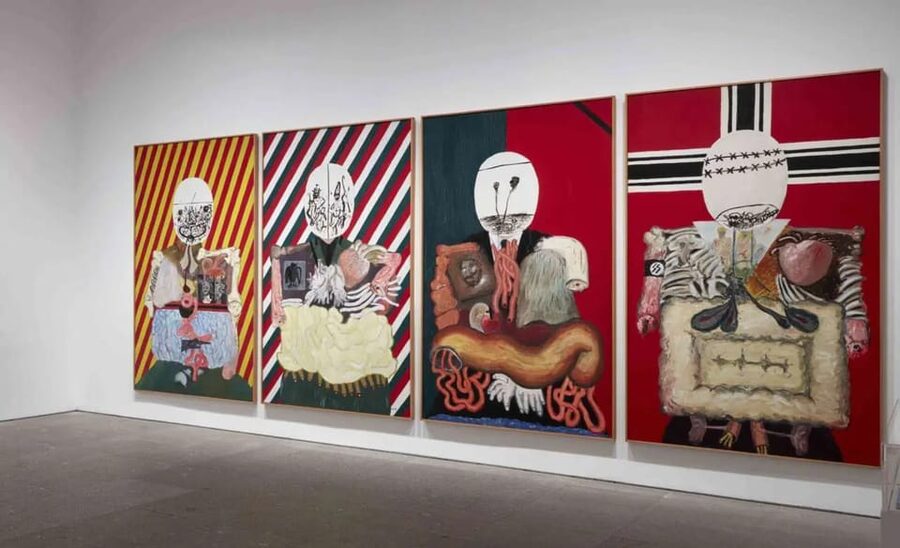
If your Madrid trip has room for one major art stop, Reina Sofía is a solid choice. The museum opened in 1992, but it’s not in a shiny new glass box. It’s inside an older neoclassical building that was once the General Hospital of Madrid. That mix matters: you get a mix of classic architecture and modern art energy, and you can feel the scale of the collection without it feeling like a warehouse.
You’ll also get a clear target with your ticket. The museum’s permanent collection is where the “must-see” works live—especially key 20th-century Spanish pieces by Picasso, Dalí, and Miró. This is the kind of art museum where you can visit once and still feel like you only scratched the surface. But with a self-paced ticket, you also won’t feel trapped by a timetable.
One more practical perk: the “skip the line” benefit. The museum still has busy periods, and anything that cuts waiting time is usually worth paying for—especially when your day is already packed with neighborhoods, food stops, and transit.
A self-paced visit plan: how to see the big works without rushing
This isn’t a guided tour with a strict route. That’s great if you like control. But it means you’ll have to think a little about flow so you don’t miss the pieces you came for.
Here’s a simple strategy I recommend for a one-day visit:
1) Start by going straight to the works that are non-negotiable for you.
2) Then let the rooms around them shape the rest of your route.
3) Use the audio guide like a filter, not like a script.
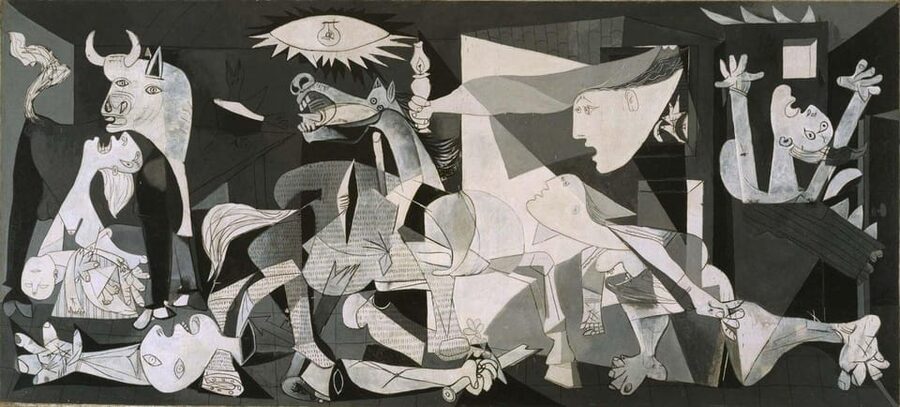
Why this works: the museum can move fast once you’re walking, and your brain can blur “interesting” with “important.” If Guernica is on your list, give yourself time to stand there long enough that the details hit. That painting is emotional and confrontational, and you’ll get more out of it if you slow down instead of snapping photos from the doorway.
From there, you can branch into other 20th-century Spanish pieces at your own speed. Since you’re not bound to a group, you can pause where something stops you. Maybe you want political context. Maybe you’re more about technique, symbolism, or how artists used shapes and distortion to make feelings visible.
Picasso’s impact: Guernica and why it’s the anchor of the whole visit
Most people come to Reina Sofía for one reason: Guernica. Your ticket includes access to the museum’s permanent collection that features Picasso’s powerful work. Even if you’ve seen photos before, the real thing lands differently.
Here’s what I’d plan for: don’t treat it like a quick stop. Give it time to read. You’ll notice how the composition forces your attention. You’ll also feel how the painting turns modern art into a kind of argument—about suffering, about war, about propaganda and truth.
If you’re tempted to “speed-run” the museum, don’t. Guernica is the anchor. Once you’ve faced it properly, the rest of the collection tends to make more sense, because you’re not just collecting names. You’re watching how Spanish modern artists processed their world—often with shock, humor, or discomfort.
Dalí and Miró in context: what the permanent collection adds
Your ticket covers the museum’s extensive permanent collection, not just a single room of famous masterpieces. That’s a big deal because it turns your visit from a checklist into an actual art story.
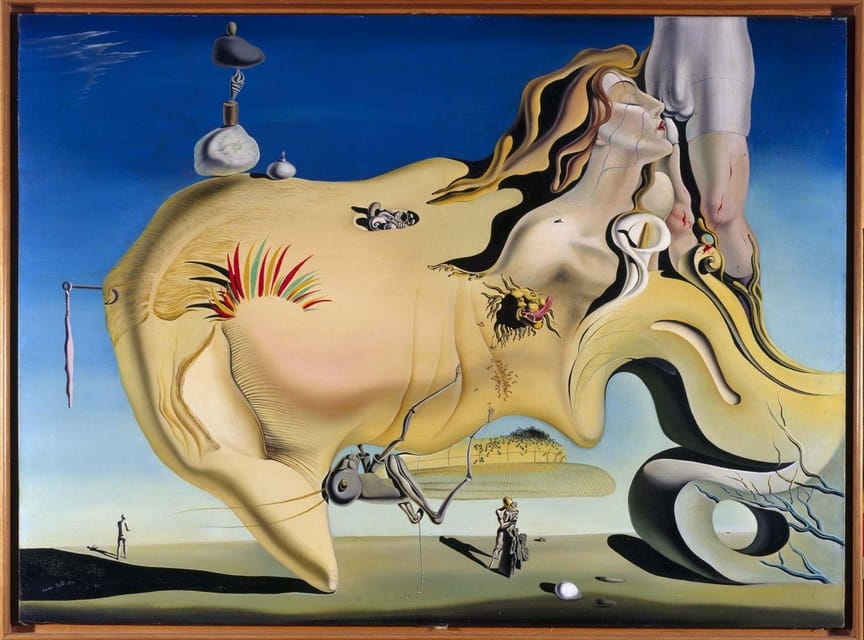
Dalí is part of the mix through works including Rostro del gran masturbador (you’ll see it listed as part of the museum’s included highlights). Miró is also mentioned among the key artists whose 20th-century work you’ll encounter. The point isn’t that every piece is equally famous. The point is that the museum gives you a coherent snapshot of modern Spanish art through major careers.
Expect that the collection includes art that can feel strange or intense, especially if your comfort zone is classic painting. That’s not a downside. It’s the museum’s value. If you go in with a little patience, you’ll start connecting the dots: why symbols show up, why form changes, why emotion is part of the method—not just the subject.





The in-app audio guide: useful if it works, frustrating if it doesn’t
This is the heart of the experience—and the biggest variable.
Your ticket includes a digital audio guide in Spanish, English, French, and Italian. It’s designed as an extra resource for your visit, and here’s the key detail: it’s not the museum’s official audio guide. That matters because some visitors found the app less structured and less complete than what the museum itself offers.
Also, headphones are not included. So if you want audio, plan on bringing your own. If you forget, you’ll still be able to walk the museum, but you’ll lose the main “added value” you paid for.
Then there’s the tech requirement: an internet connection is required to access the audio content. That’s a big warning sign in a museum setting, where Wi‑Fi can be slow or inconsistent, and where you might be moving indoors. If the app can’t load or download properly, you can end up standing in front of major works without the sound layer you expected.
My practical advice:
- Make sure your phone is charged.
- Have mobile data available as a backup.
- If the app requires downloads, try to connect and load before you step into the museum rooms.
- Expect that you may need to use the museum audio options instead if the in-app guide underperforms.
There’s also one more reason to go in with flexible expectations. Some of the app’s described works may not match what you see in every visit—possibly due to temporary changes or space closures. That doesn’t mean the museum is broken. It means you should treat the audio guide as helpful context, not as a guarantee of exact room-by-room coverage.
Museum hours in your head: the building, the flow, and renovation surprises
Reina Sofía is in an 18th-century neoclassical building, and that architecture affects how you move. Hallways and rooms can feel like their own little routes, so you’ll get more out of your visit if you’re willing to wander a bit after you see your top works.
One reality check: not every area is always available. Some visitors have run into renovations or rooms that weren’t open during their visit. You can’t plan for every closure in advance, but you can plan for uncertainty by building a bit of extra time into your schedule. If you expect 2 hours but only get 90 minutes of open galleries, you’ll feel cheated. If you expect “as much as possible,” you’ll feel in control.
Palacio de Cristal and Palacio de Velázquez in Retiro: optional extras
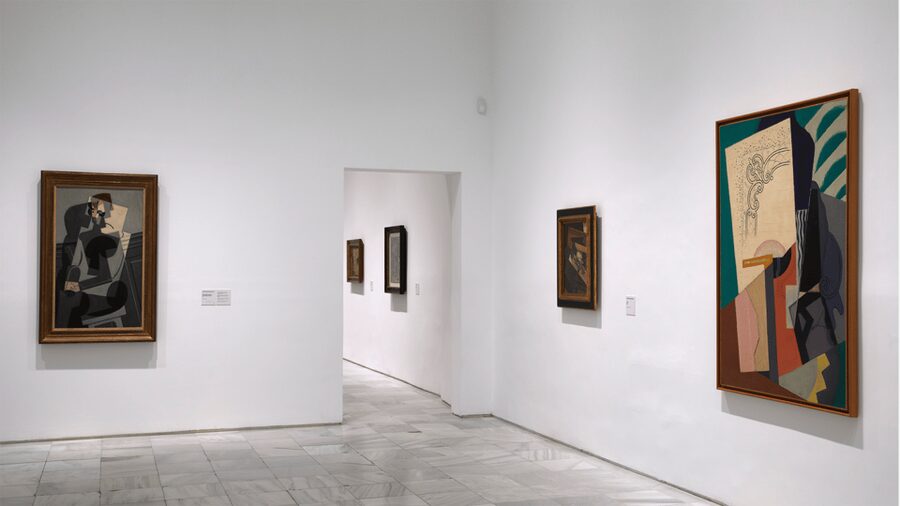
The Reina Sofía museum network includes two additional venues in Parque de El Retiro: the Palacio de Cristal and the Palacio de Velázquez. These locations host temporary exhibitions and artistic installations, which means they can complement the main museum’s permanent collection.
If you have energy after your main stop, these are worth considering because the setting changes the mood. Instead of being inside the main neoclassical museum building, you get a different kind of atmosphere—glass architecture at Palacio de Cristal, and a historic palace building at Palacio de Velázquez.
One caution: your ticket details here specifically mention entry to the Reina Sofía museum. The document doesn’t clearly state that your ticket also covers the Retiro venues. So when you’re there, verify what your entry includes for those additional sites, especially if you’re trying to plan a full “big art day.”
Price and value: is $35 a fair deal?
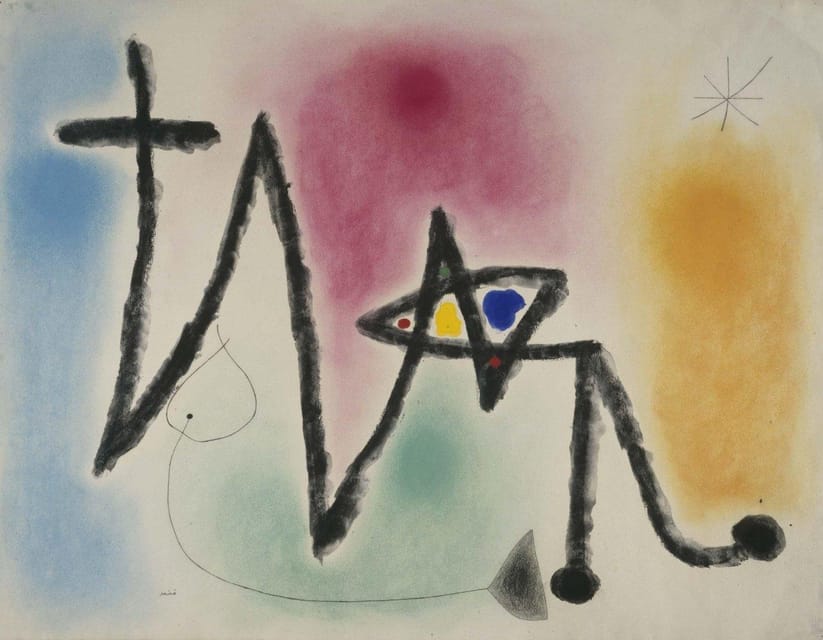
At $35 per person, this is not a bargain-ticket. But it can still be good value depending on what you prioritize.
Here’s where the price helps:
- Skip-the-line access saves time, which is often the most expensive thing you spend in a city like Madrid.
- The ticket includes entry to the permanent collection and access to major works.
- You also get a digital audio guide in multiple languages.
Where the price can hurt:
- The in-app audio requires internet, and headphones aren’t included.
- Since the audio guide is not the official museum version, it may feel lighter or less structured than you want.
- If the app doesn’t work well on your device, the audio value can disappear quickly.
So I’d frame it like this: if you’re comfortable with self-guided museum time and you can manage your phone connection, you’re likely to feel good about the purchase. If you rely heavily on audio and hate tech glitches, you might want to plan for alternative audio options from the museum itself.
Who this experience fits best
This works best for travelers who:
- Want to move at their own speed with no group pace.
- Plan to spend time with major works like Guernica instead of treating it as a quick photo stop.
- Like having extra context while reading art, even if the audio isn’t the museum’s official one.
It’s less ideal if:
- You expect the audio guide to be flawless and complete like a full official service.
- You don’t want to handle internet requirements indoors.
- You’re going to show up with an undercharged phone and no headphones.
For couples and solo travelers, it’s especially convenient because you aren’t negotiating a meeting point inside a tour group—you’re just doing your own museum rhythm.
Should you book this Reina Sofía ticket with in-app audio?
Yes, with one condition.
Book it if you want skip-the-line entry and you’re comfortable using your phone for audio with a reliable internet connection. The museum itself is the reason to go, and having any audio layer in the supported languages can make the experience more meaningful—especially around the biggest names.
Don’t book it if you depend on a guaranteed, structured audio experience and you don’t want to troubleshoot apps. In that case, it may be better to plan for the museum’s official audio option instead, so you’re not gambling on connectivity.
If you’re flexible, bring your own headphones, and give yourself time for the museum’s flow (and possible closed areas), this can be a strong, self-directed Madrid art day.
FAQ
Where is this museum experience located?
It’s in Madrid, Spain, at the Museo Nacional Centro de Arte Reina Sofía in the Atocha area.
How long should I plan for?
The activity is listed as valid for 1 day.
What does the ticket include?
Your ticket includes entry to the Reina Sofía museum, a digital in-app audio guide in multiple languages, and skip-the-line access through a separate entrance.
Do I need internet for the audio guide?
Yes. An internet connection is required to access the audio content.
Are headphones included?
No. Headphones are not included.
What languages are available for the audio guide?
The audio guide is available in Spanish, English, French, and Italian.
When will I receive my tickets?
You receive your entry tickets the day before the tour, and you should check your email to get them.
Is it wheelchair accessible?
Yes, the experience is wheelchair accessible.