REVIEW · KOBLENZ
Koblenz: City Walk with Audio Guide in 7 Languages on your Phone
Book on Viator →Operated by City App Tour · Bookable on Viator
That first turn of the phone map. This self-guided Koblenz city walk pairs GPS guidance with an audio guide in 7 languages, so you get story stops without joining a fixed-group tour rhythm. I like how it’s built for real strolling through town—landmarks, museum-area culture, and the big riverside photo spots—while you keep control of your pace. One thing to think about: it’s phone-dependent, so you’ll need an internet connection, GPS, and a charged battery before you start.
What really works here are the 33 audio stories that hit the essentials and then go beyond them, plus the freedom of doing it on your schedule. The short review highlights also point to the same idea: the content feels sufficient, the stops are the ones you’d actually want to see, and the narration keeps things interesting. The other standout for me is the “own tempo” factor—you’re not rushing to match anyone else’s walking speed.
The main drawback is practical, not cultural. The GPS position can be a bit off at times, so you’ll want to treat the app as guidance, not gospel, and be ready to orient yourself by sight using the online map and nearby landmarks.
In This Review
- Key highlights at a glance
- A 5.3 km audio walk through Koblenz, at your own pace
- Where the GPS and 33 stories take you: big landmarks first
- Our Lady Church and the feel of Koblenz walking streets
- Ludwig Museum and Jesuitenplatz: culture and city rhythm
- St. Castor Basilica: Romanesque details worth lingering for
- The German Corner (Deutsche Eck) and the Rhine-Moselle view
- The Four Towers: medieval watchtowers and photo-worthy perspectives
- Hidden gems and how to use the map when GPS drifts
- Headphones, battery, and phone setup you can’t skip
- Price and logistics: why $8.87 can be a smart buy
- Who should book this Koblenz audio walk
- Should you book CityAppTour’s Koblenz walk?
- FAQ
- FAQ
- Do I need my own smartphone?
- Are headphones provided?
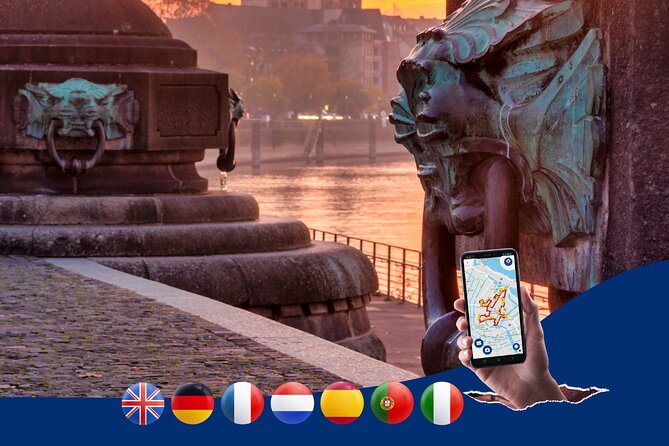
- What languages are available?
- How long is the walk?
- How does the navigation work?
- Do I need an internet connection?
- Can I pause and finish later?
- Is this tour shared with other groups?
- Where does it start and end?
Key highlights at a glance
- GPS guidance plus a phone-based audio guide you can pause and restart
- 7-language audio (use English or switch languages as you go)
- 33 stories across about 5.3 km over roughly 2–3 hours
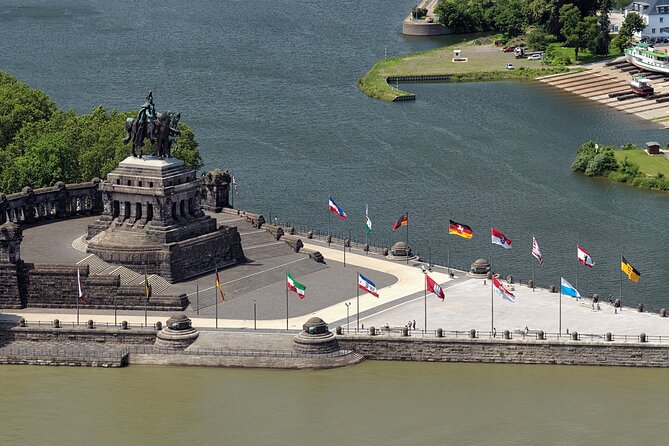
- Major Koblenz icons such as the German Corner, St. Castor Basilica, and the Four Towers
- GPS + map flexibility: you can finish by the end of the next day
- Private experience for your group, with a price that’s low enough to feel doable
A 5.3 km audio walk through Koblenz, at your own pace

This is a self-guided city walk, not a bus tour and not a timed “meet at the front door” situation. You download or access the CityAppTour audio guide on your phone, then you follow GPS guidance and listen to stories as you move between stops. The walk is about 5.3 km and the typical time is 2–3 hours, which is perfect if you want a half-day feel without committing to a full structured tour.
You’ll also get a useful scheduling trick: you have time to finish later. The activity runs for about 2–3 hours on average, but you can complete it by the end of the next day. That matters if you’re also doing museum time, grabbing a late coffee, or simply moving slower because the riverside views keep pulling you in.
Cost-wise, $8.87 per person is the kind of price where you’re paying mainly for route design plus narration, not for a live guide sitting with you. If you like independent travel, it’s great value. If you hate phone setup and battery anxiety, it can feel like too much tech for the price.
Where the GPS and 33 stories take you: big landmarks first
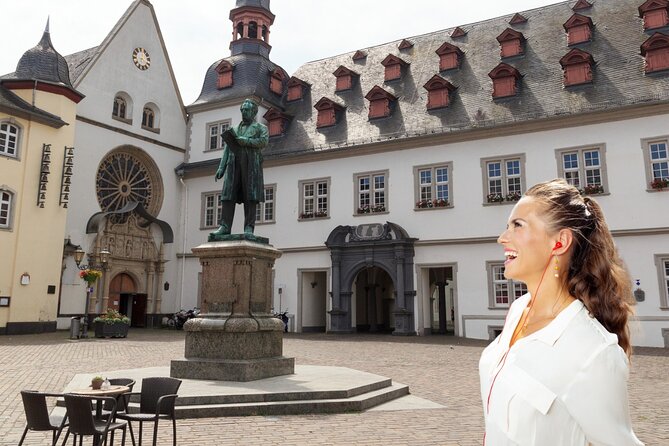
The walk is organized around key sights, but the flow is meant to feel like you’re wandering through real Koblenz streets. You’ll pass famous stops like Our Lady Church, the Ludwig Museum, the German Corner (Deutsche Eck), St. Castor Basilica, Jesuitenplatz, and the Four Towers—and then you’ll also get “hidden gem” type side moments where the route nudges you off the straight tourist line.
Expect 33 stops/stories, which is a lot for 2–3 hours. That usually means the narration is short, practical, and meant to be listened to while walking rather than as long-form explanations you’ll need to pause for repeatedly. In plain terms: it should help you notice things you’d otherwise speed past.
One caution from real-world use: GPS placement may not always be perfectly accurate. The good news is the route still includes an online map for orientation. So if you see the blue dot drift a bit, don’t panic. Use the map to confirm where you are, then follow the next logical landmark.
Our Lady Church and the feel of Koblenz walking streets
Your route starts with the kind of landmark that gives you instant “I’m really here” momentum: Our Lady Church. Even if you’re not going inside, this is the sort of stop that sets the tone. The audio helps you understand what you’re looking at while you’re still fresh enough to take in the surrounding streets.
What I like about using audio for big churches early in a walk is that it makes the rest of the trip easier. You’re not just seeing buildings; you’re learning the why. Then when you reach later historic stops, the narration gives you connective tissue instead of repeating the same basic facts.
Practical tip: plan for a quick pause. Even with a self-guided plan, you’ll want a moment at each major stop to orient yourself for photos and to make sure your phone is still getting enough GPS signal.
Ludwig Museum and Jesuitenplatz: culture and city rhythm
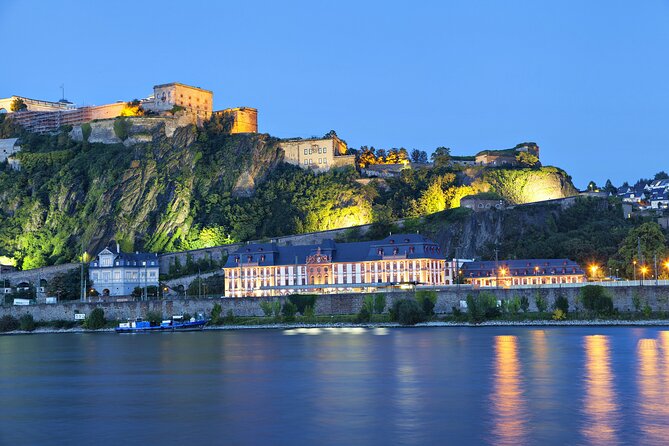
Next up, you’ll encounter the Ludwig Museum, described as an art museum with a mix of contemporary works—think paintings, sculptures, and multimedia installations. It’s located in the heart of the city, and the value of including it in an audio walk is simple: it gives your strolling route a “culture anchor.” Instead of only castles-and-cathedrals sightseeing, you get at least one stop that signals Koblenz is a living city with galleries and creative spaces.
Then the route moves to Jesuitenplatz, one of the historic squares that helps a city feel like a place, not just a checklist. Squares are where you naturally slow down—street performers, café chairs, people crossing in every direction. Even if you don’t sit long, the audio guidance here tends to make the square’s role clearer: why it matters, what the area represents, and how it fits into the bigger story.
If you want to stretch the day, Jesuitenplatz is also a good point to take a break. The trip time is flexible, and this is a logical place to step out of walking mode for a short rest.
St. Castor Basilica: Romanesque details worth lingering for
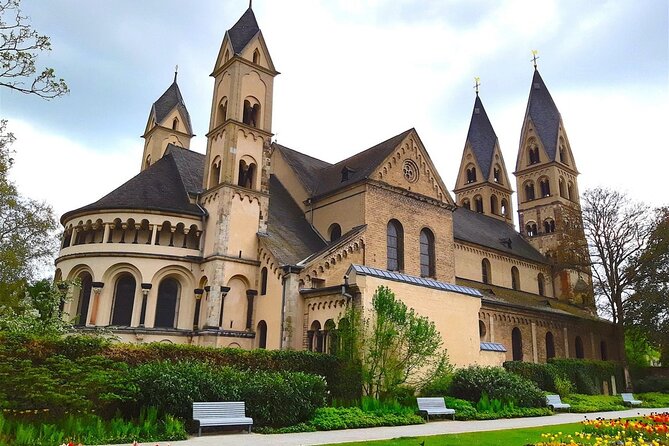
St. Castor Basilica is one of Koblenz’s landmark churches, known for Romanesque architecture and a long religious heritage. The audio guide’s job here is to make the building legible: you should come away seeing more than just a pretty church exterior. You’ll also learn why it’s considered a significant landmark.
A quick piece of practical advice: for church stops, I recommend giving yourself more time than you think you need. Even if you don’t go inside, you’ll likely want a minute to look for architectural clues—shapes, materials, and the overall feel of the structure. Romanesque design can be subtle from a distance, and lingering for 5–10 minutes helps a lot.
Also, because this is an app-based walk, your listening experience is easier if you have headphones. The tour doesn’t include them, and street noise in city centers can be surprisingly distracting without audio.
The German Corner (Deutsche Eck) and the Rhine-Moselle view
If Koblenz has a “stop the walk for photos” moment, it’s the German Corner, or Deutsche Eck. This is the point where the Rhine and Moselle meet, and the guide highlights the presence of a large statue of Emperor William I on horseback.
What makes this kind of stop valuable isn’t just the monument—it’s the geography. River confluences change how a city feels. You can see the waterways spread out, notice how the light plays across them, and understand why this area matters historically and visually.
Do yourself a favor here: don’t keep the walk pacing too fast. Build in time to stand still, take a few photos from different angles, and let the view set the mood for the next sections of the route. This is also a natural “audio pause” moment—if you finish a story while walking, you’ll still get the full experience by letting the view do the rest.
The Four Towers: medieval watchtowers and photo-worthy perspectives
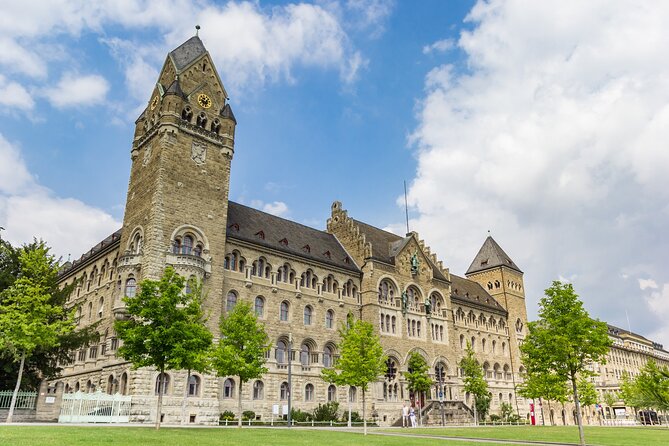
The route includes the Four Towers, historic watchtowers that once guarded Koblenz’s medieval fortifications. Even from the outside, they’re built for storytelling. The audio guide helps you connect what you’re seeing—towers, defensive structure, city protection—to the wider meaning of why these buildings were placed here.
One reason this stop works well on an audio walk: you’ll naturally take a better look than you would with a quick glance. Towers invite you upward, and they also give you good “orientation points.” When GPS gets slightly confused, tall, obvious structures like this help you confirm where you are fast.
If you like photography, plan for a bit of time around the towers. The best shot often comes after you’ve walked a few steps around the area to find a perspective that includes multiple elements at once.
Hidden gems and how to use the map when GPS drifts
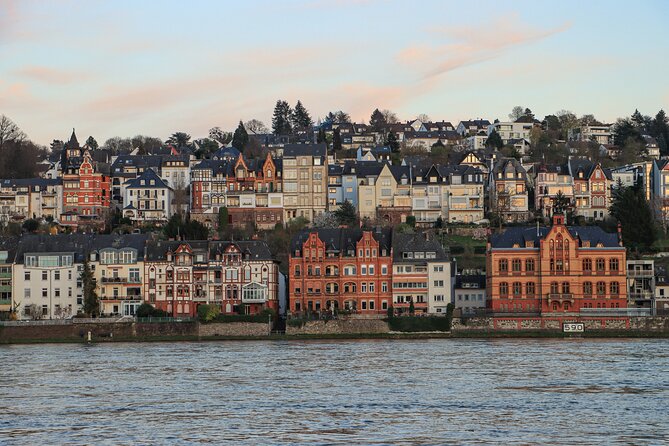
Part of the charm of this walk is that it’s not only about the headline attractions. The route also takes you to “hidden gem” style areas where you can pick up the local atmosphere and find smaller sights you might miss on your own.
Here’s how I’d use the tools the smart way:
- Start with your phone’s GPS on and working before you begin.
- Keep the online map open when you approach a stop, especially if you notice the GPS marker shifting.
- When something feels unclear, don’t force it. Pause, check where the next landmark is supposed to be, then continue.
This approach matters because one of the subtle notes from real use is that location positioning can be slightly off. It doesn’t usually ruin the walk; it just means you should trust your eyes and the map more than the dot.
Headphones, battery, and phone setup you can’t skip
This is where I get practical. The audio guide lives on your phone, and the tour requires an internet connection and GPS function. The phone itself and headphones are not included, so you’ll want to bring your own.
Before you start:
- Charge your phone to the max or bring a power bank.
- Download or open the audio experience so you’re not scrambling mid-walk.
- Bring headphones you know fit comfortably, since you’ll likely be listening for a good chunk of the 2–3 hours.
Also, expect some time away from deep indoor signal. If your phone’s internet gets spotty, GPS guidance might feel less smooth. Keep the route moving, but don’t treat it as a race.
Price and logistics: why $8.87 can be a smart buy
Let’s talk value. At $8.87 per person for an audio walk with GPS guidance and 7 languages, you’re paying for a self-paced itinerary and storytelling that’s already packaged for you. You’re not paying for a live guide, which is part of why the price stays low.
This tour makes the most sense if:
- You enjoy walking and want your sightseeing to be self-directed.
- You like historical and cultural context but don’t want to schedule a guided group.
- You’re traveling with friends or family and want something flexible that still keeps you on track.
It’s less ideal if:
- You hate relying on a phone for navigation.
- Your battery is unreliable or you don’t want to manage headphones.
- You want a strictly verified turn-by-turn route with no need for visual orientation.
Since it’s a private experience for your group, you also avoid the annoyance of matching someone else’s pace. And if your plan includes multiple people, there are notes about group discounts, which can make it even better value.
Who should book this Koblenz audio walk
This is a good match for:
- Couples and solo travelers who want a structured route without a live guide.
- People who like “learn while you wander” experiences and enjoy stopping for views.
- Visitors who want to see a mix of church landmarks, museum culture, and river geometry in one outing.
It’s also great if you have only a short window. Two to three hours gives you enough time to hit the core sights like Deutsche Eck, St. Castor Basilica, and the Four Towers, while the ability to finish by the next day helps you avoid stress.
If you have mobility limitations, the data only says most travelers can participate. It’s still a walking route around 5.3 km, so you’ll want to consider your comfort with city walking and uneven sidewalks.
Should you book CityAppTour’s Koblenz walk?
Book it if you want a low-cost, high-structure way to get oriented in Koblenz. The blend of major landmarks—Our Lady Church, Ludwig Museum, St. Castor Basilica, Jesuitenplatz, German Corner, and the Four Towers—with 33 short stories is exactly the kind of setup that turns a casual stroll into a genuinely memorable city experience.
Skip it only if phone logistics are a dealbreaker for you. If you have reliable battery life, bring headphones, and you’re okay using the map when GPS is a little off, this is a smart buy for $8.87 and a fun way to see the city without rushing.
FAQ
FAQ
Do I need my own smartphone?
Yes. The smartphone is not included, and the audio guide runs on your own phone.
Are headphones provided?
No. Headphones are not included, so you’ll need to bring your own.
What languages are available?
The audio guide is available in 7 languages on your phone.
How long is the walk?
Plan for about 2–3 hours of walking time, with an approximate route length of 5.3 km.
How does the navigation work?
You get GPS guidance through the audio app.
Do I need an internet connection?
Yes. The activity requires an internet connection and GPS function on your phone.
Can I pause and finish later?
Yes. You have until the end of the next day to finish the experience.
Is this tour shared with other groups?
No. It’s private, so only your group participates.
Where does it start and end?
It starts at 56 Koblenz, Germany and ends back at the meeting point.