REVIEW · HOUSTON
Houston: Space Center Self-Guided Tour with Transportation
Book on GetYourGuide →Operated by Fun Texas Tours · Bookable on GetYourGuide
Space is big. The tricky part is fitting it into a short Houston stop—and this tour helps you do that with round-trip transport and 3 hours inside the center. You’ll walk through NASA Johnson Space Center’s visitor world at your own pace, from moon rocks to big-history rockets.
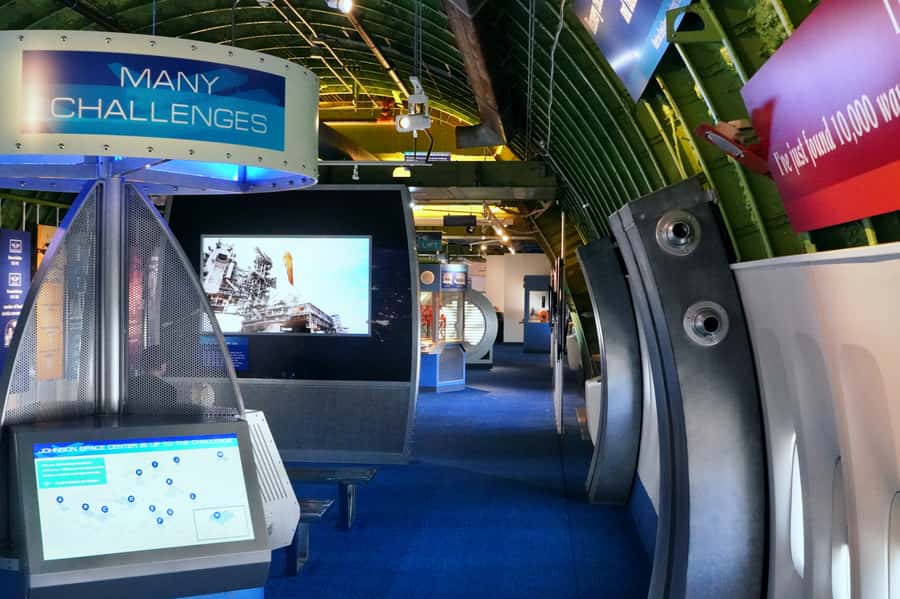
What I like most is the mix of “look closely” and “try it yourself.” The Mission Mars exhibit (virtual sunset, simulated Orion capsule, and tactile rock textures) gives you a feel for the future, while the Independence Plaza shuttle replica lets you step into the story of the Space Shuttle era.
The main drawback to plan around is that you’re on your own inside—so if you like a strict timeline or lots of guidance, you’ll need to be a little proactive. Also, Space Center Houston can get busy, so go in with a pacing plan.
In This Review
- Key Highlights That Make This Tour Worth It
- Getting There Smoothly: Toyota Center Pickup Without the Headache
- Space Center Houston in About 3 Hours: Your Pace Plan
- Mission Mars: Hands-On Science That Makes the Future Feel Real
- Independence Plaza and the Shuttle Independence Replica: The Space Shuttle Era Up Close
- Rocket Park and Saturn V: One of the Last Remaining Giants
- Historic Mission Control and Training Facilities: Where Missions Were Made
- What You’re Really Paying For: Value and Tradeoffs
- Who This Tour Fits Best (and Who Might Want Another Option)
- Should You Book This Houston Space Center Tour?
- FAQ
- Where do I meet for the tour?
- What vehicle should I look for at pickup?
- How long do I spend exploring inside Space Center Houston?
- Will there be a guide inside the Space Center?
- Is the activity offered in English?
- Does the tour run in bad weather?
- Is parking included?
- Is food and drinks included?
Key Highlights That Make This Tour Worth It
- Toyota Center pickup + van ride cuts down the stress of getting to NASA Johnson Space Center
- Over 400 space artifacts plus a major moon rock display
- Mission Mars puts you in a virtual sunset and lets you climb into a simulated Orion capsule
- Independence Plaza offers the shuttle-era experience at one of the only places where you can enter both vehicles
- Rocket Park + Saturn V gives you a rare glimpse of one of the last remaining Saturn Vs
- Historic Mission Control + training facilities show you where big missions were shaped
Getting There Smoothly: Toyota Center Pickup Without the Headache
I like tours that remove friction, and this one starts with that. You meet at Toyota Center, 1510 Polk St, Houston, where a company van pulls up in front. Look for Ford Vans (white or silver).
The value here is simple: you spend less time wrestling with traffic, schedules, and finding parking. When your day is limited, that matters.
Also, this is the kind of ride where your driver can set context. On this route, you may get a driver who shares practical Houston pointers and NASA background before you even arrive. Names I’ve seen connected with strong service include Billie, Alex, and Israel—and the common thread is that they help you make the most of your time.
You can also read our reviews of more tours and experiences in Houston.
Space Center Houston in About 3 Hours: Your Pace Plan
Inside, you get to explore without a guide. That’s a real plus if you like wandering and reading at your own speed. It’s also why pacing matters: 3 hours is plenty to hit the big draws, but not enough to do everything slowly.
Here’s how I’d run it. First, decide what you want most—rockets, shuttles, or future missions—and start there. Then fill in the rest as you go, using the exhibits that connect visually. You’ll notice the center is set up so themes repeat: big milestones show up near hardware, and future planning ties back to training and mission control.
Crowds can be a factor. One past visitor noted the site felt busy and wished they’d known that ahead of time. So build in a little flexibility, especially if you’re traveling during peak hours. If you’re sensitive to lines, aim to focus on high-demand areas early in your visit.
Mission Mars: Hands-On Science That Makes the Future Feel Real
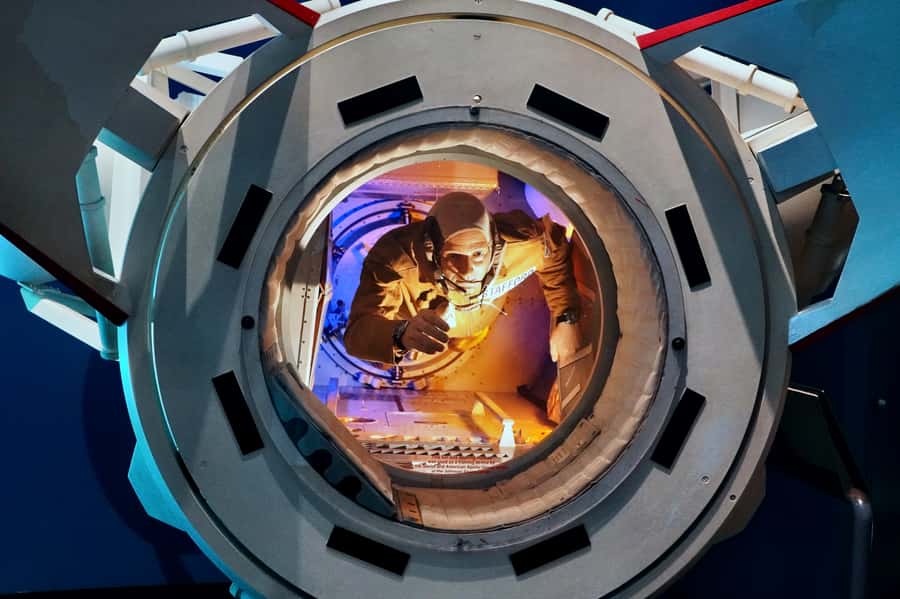
If you only do one “experience” exhibit, Mission Mars is the one I’d prioritize. It’s built to help you picture what living and traveling on Mars might feel like, not just read about it.
You’ll get a virtual Martian sunset, plus interactive moments that translate ideas into body-level understanding—like climbing into a simulated Orion capsule. There are also tactile elements tied to the Martian environment, including feeling the texture of rock cliffs. That kind of sensory input is why this section lands for both kids and adults.
The exhibit also answers a practical question: what it would take to travel there. You’ll see the hardware required and get a sense of how we might live on the red planet in the next few decades. It’s not just sci-fi theater; it’s “future planning made visible,” and it pairs well with the hands-on feeling of the Orion capsule.
For photo lovers, this area gives you natural moments to shoot without needing to chase every artifact. For science fans, it gives you a narrative throughline—what NASA would build, what astronauts would do, and what the environment demands.
Independence Plaza and the Shuttle Independence Replica: The Space Shuttle Era Up Close
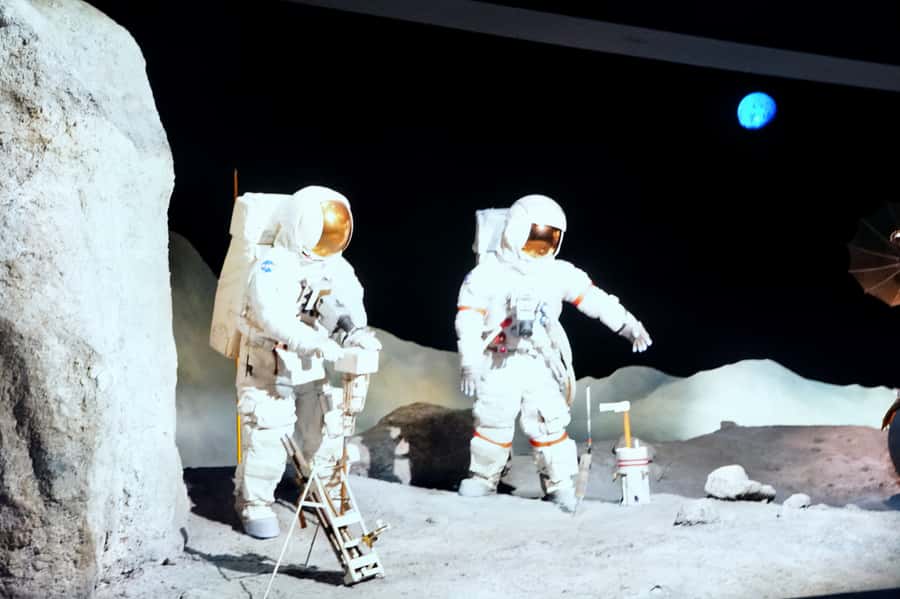
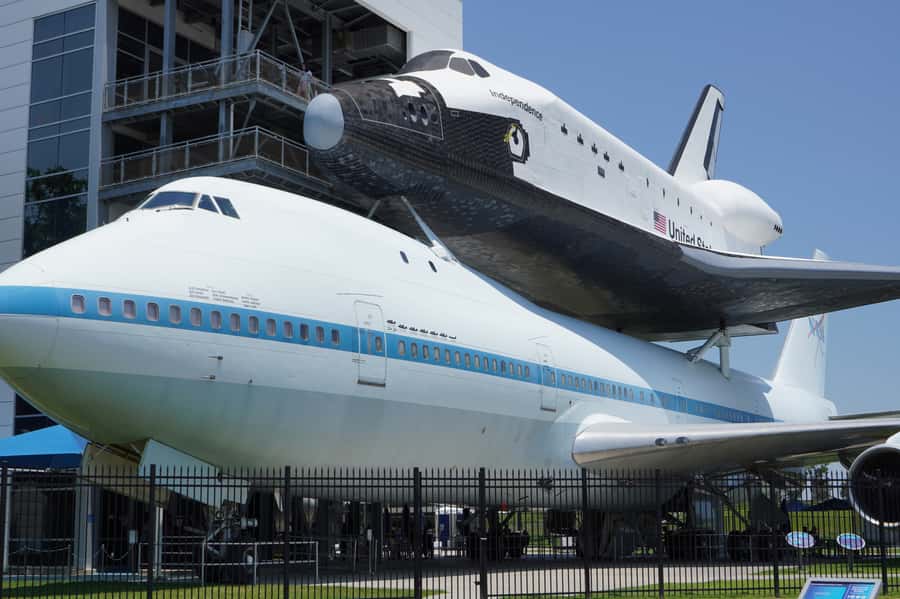
The shuttle stop is where this tour earns its “don’t miss” status. At Independence Plaza presented by Boeing, you’ll find the replica of Space Shuttle Independence—mounted on a shuttle carrier aircraft. That airplane-and-shuttle setup is the kind of visual that sticks with you.
What’s special is access. This is noted as the only place where you can enter both vehicles. That means you’re not just looking at a model behind rope—you can get inside the feeling of the era by stepping into both the shuttle-era story and the carrier-aircraft context around it.
If you’re curious why the shuttle program mattered, this section gives you a physical anchor before you move into mission-control history. You’ll see the shuttle look, the carrier platform concept, and the broader idea of how NASA tried to make space hardware more routine.
And even if you don’t know the whole timeline, it still works. The exhibit environment does the job of connecting “what this looked like” to “why it mattered,” so you can enjoy it without studying a textbook first.
Rocket Park and Saturn V: One of the Last Remaining Giants
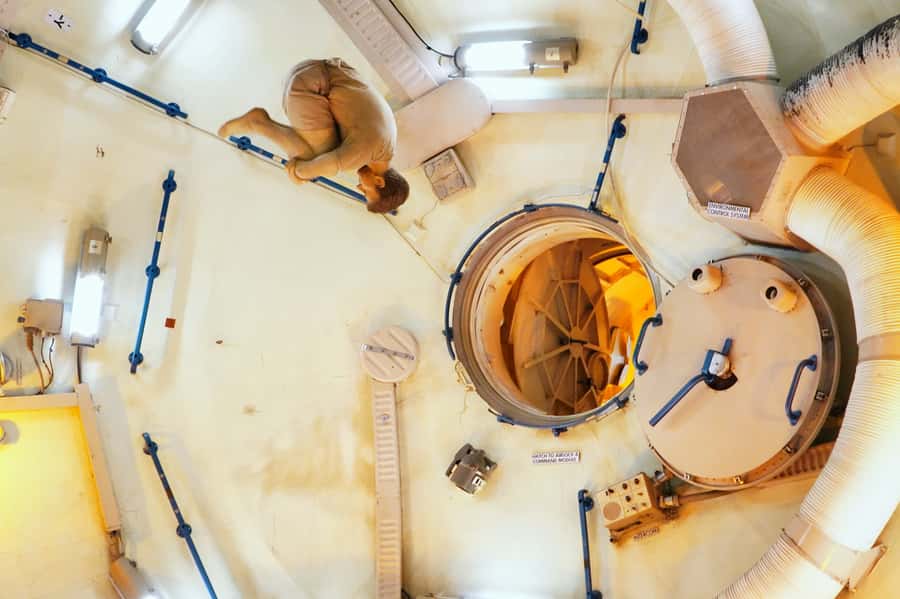
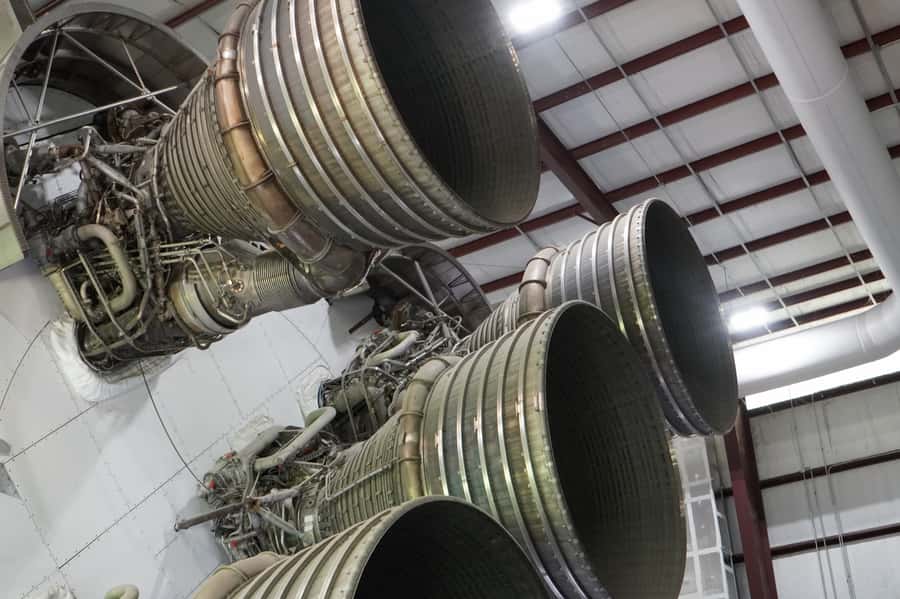
Then comes the heavy hitter: Rocket Park. Here you’ll see one of only a few remaining actual Saturn V rockets—specifically one of three still displayed. That’s the kind of fact that makes the rocket feel larger than it is, because you’re not just seeing a rocket; you’re seeing a surviving piece of a rare set.
I love how Rocket Park doesn’t pretend you’re already an expert. It gives you the chance to see the scale and structure up close, then lets you connect it to the missions those rockets powered. For first-timers, it’s the quickest way to understand why Saturn V still gets referenced in space discussions.
If rockets are your thing, plan to spend more time here than you think. It’s easy to walk past an exhibit too fast when your brain is in “checklist mode.” But Saturn V is a “pause and look” object. Take a lap. Step back. Walk closer. Let the details land.
Historic Mission Control and Training Facilities: Where Missions Were Made
After the big hardware, the center shifts into the human side of exploration. You can visit Historic Mission Control, the place from which NASA led Gemini and Apollo missions, including the first lunar landing.
This part matters because it gives you a different scale than you get from rockets. You’re not just looking at machines. You’re looking at the environment where teams coordinated decisions and problem-solving under extreme uncertainty. Even if you’re not a “mission nerd,” Mission Control gives context to why space exploration took the shape it did.
Next, you can explore the Space Vehicle Mockup Facility. This is where NASA astronauts train, and where scientists develop and test the next generation of space exploration vehicles. It’s the “engineering reality” follow-up to the big mission stories.
I find that mockups are oddly moving. They remind you that the path to space isn’t only rockets and headlines. It’s practice, design iterations, and training in simulated conditions. The mockup facility puts that behind-the-scenes idea right in front of you.
What You’re Really Paying For: Value and Tradeoffs
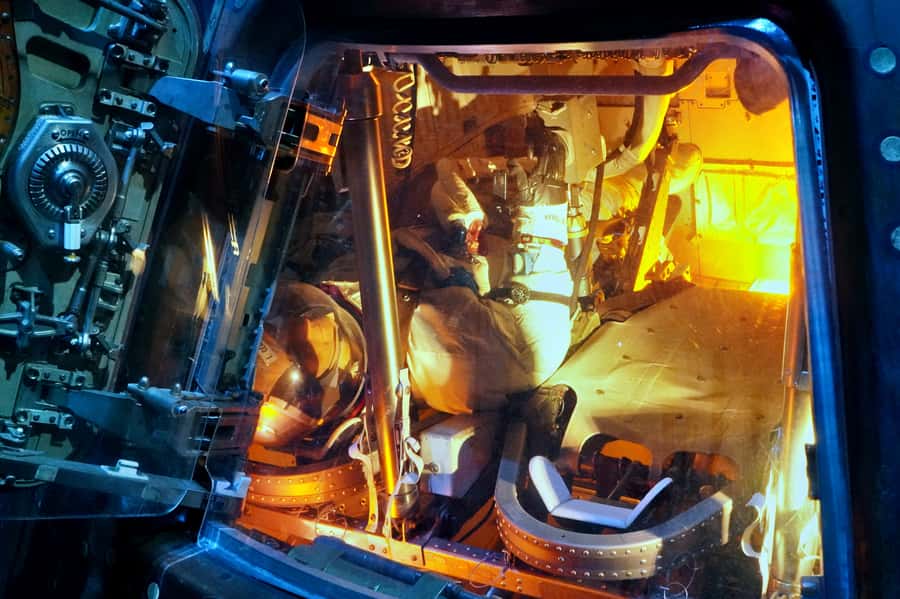
At $65 per person, the real value isn’t just the ticket idea—it’s the full package of time management. You’re paying for round-trip transportation plus 3 hours at the center to explore at your own pace.
For many visitors, the biggest cost is not money—it’s wasted time. If you’re trying to get there on your own, the day can balloon: transit, parking, and figuring out the right entry flow. This tour simplifies the “how do I get there and back” problem, which is exactly what you want when you have a tight schedule.
That said, you should know what you’re not getting: you’re not traveling with a guide inside the exhibits. If you prefer a guided interpretation of complex displays, you may need to work harder—reading labels, using your phone for quick context, and deciding what not to see.
Food isn’t included, and parking isn’t included either. So bring water, plan a snack strategy, and don’t assume you can buy everything right where you want it. If you’re hungry, it’s harder to focus and you’ll start skipping things.
Who This Tour Fits Best (and Who Might Want Another Option)
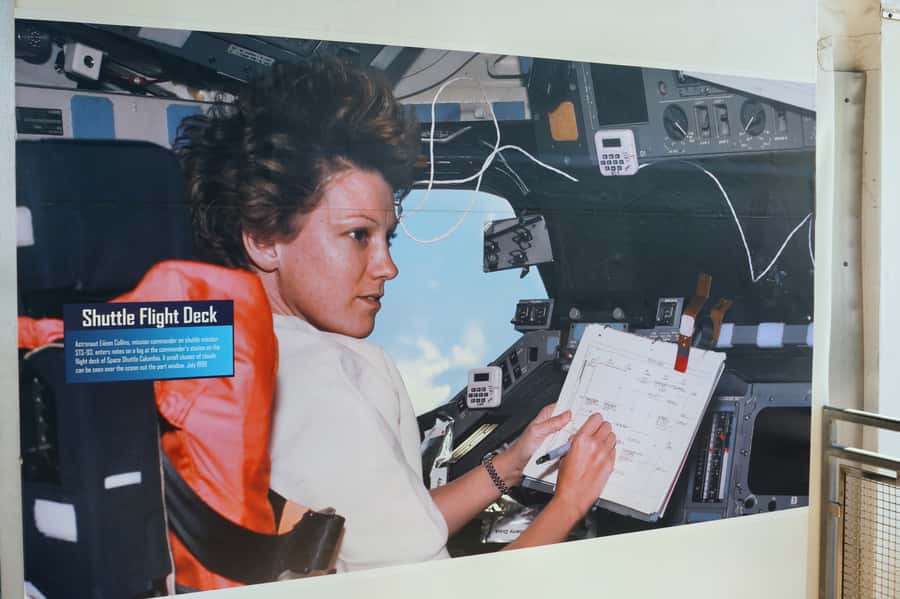
This is a great match if you have a short Houston stopover and want to hit NASA Johnson Space Center’s top attractions without chaos. It’s also a good fit if you enjoy hands-on exhibits like Mission Mars and like to move at your own speed.
It may be less ideal if you’re the type who needs a guide to translate exhibits into a story. Since you’re inside on your own, you’ll need to be comfortable deciding what to prioritize.
One more practical note: because this is a transportation-focused day, it’s smart to keep personal items with you and stay alert around loading and unloading. There was at least one unhappy incident about items going missing or not being returned promptly on a past trip—so treat the van like part of the travel workflow, not a storage locker.
Should You Book This Houston Space Center Tour?
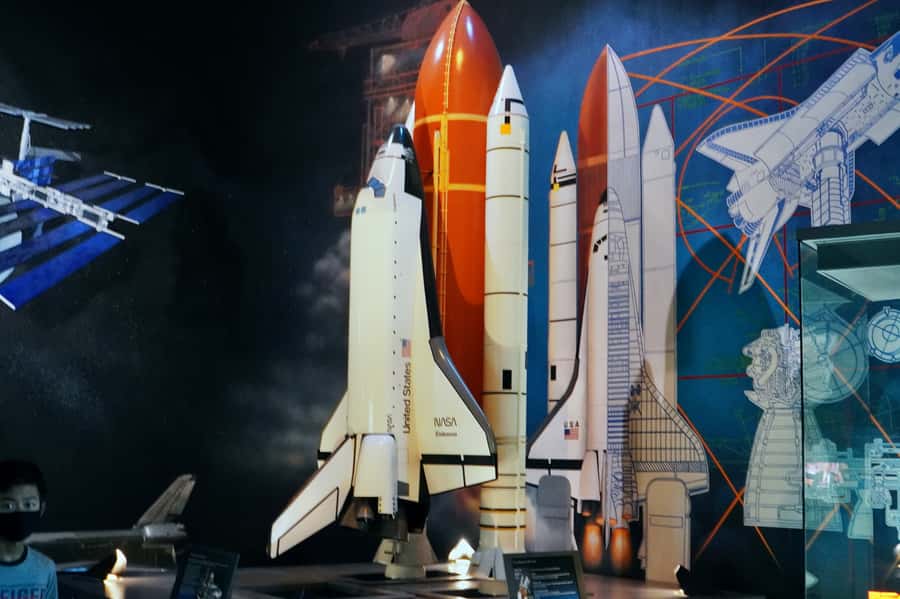
Book it if you want an efficient, low-stress way to see Mission Mars, Independence Plaza with the shuttle replica, and Rocket Park’s Saturn V, plus the big background stops like Historic Mission Control and training facilities. The transportation from Toyota Center is the glue that makes it work for short visits.
I’d skip it only if you strongly prefer guided interpretation inside museums, or if you know you get overwhelmed by self-directed pacing. In that case, a fully guided option might feel safer.
If you do book, my advice is straightforward: pick your must-sees before you arrive, go early in your visit to beat the heaviest crowd pressure, and don’t try to read every label. You’ll leave with the moments that matter most.
FAQ
Where do I meet for the tour?
You meet at Toyota Center, 1510 Polk St, Houston.
What vehicle should I look for at pickup?
A company van will pull into the front of Toyota Center. Look for Ford Vans (white or silver).
How long do I spend exploring inside Space Center Houston?
You get 3 hours at the center to explore on your own.
Will there be a guide inside the Space Center?
No. You will not be accompanied by a guide inside Space Center Houston.
Is the activity offered in English?
Yes. The tour information indicates English.
Does the tour run in bad weather?
Yes. It takes place rain or shine.
Is parking included?
No. Parking isn’t included.
Is food and drinks included?
No. Food and drinks aren’t included.