REVIEW · HERAKLION
Heraklion: Archaeological Museum Ticket with City Audio Tour
Book on GetYourGuide →Operated by Key Tours · Bookable on GetYourGuide
Heraklion’s museum hits you fast. In about a day, you can see top Minoan artwork and artifacts that explain Crete long before modern life. I especially love two things: the museum’s fresco rooms (including the bull-leaping scene) and the Phaistos Disc, which still feels like a mystery you can almost touch.
The big watch-out is timing: tickets are tied to a time slot, and you can only enter at the selected time (or within the ±15 minute window). So if your day runs late, the museum may not be forgiving.
In This Review
- Key Highlights You’ll Feel Right Away
- Entering Heraklion Archaeological Museum Without Wasting Your Morning
- What You’re Really Buying With This Ticket
- Minoan Frescoes: The Bull-Leaping Scene Is Only the Start
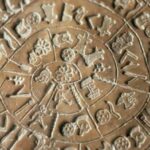
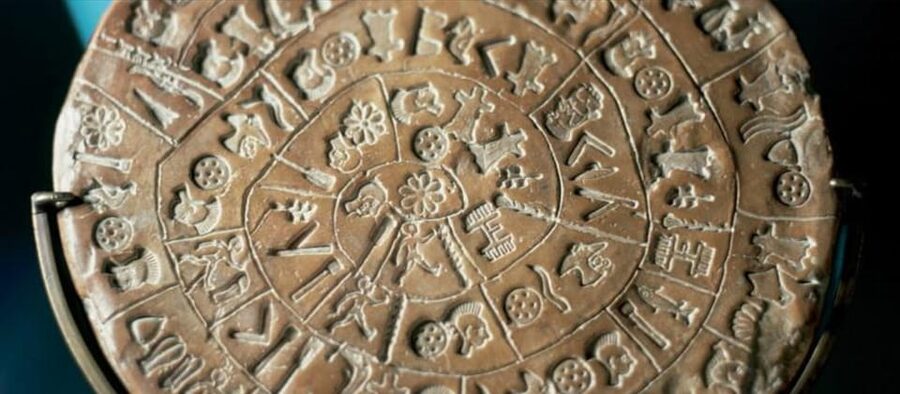
- The Phaistos Disc: When a Small Object Steals the Day
- Sculpture, Figurines, Jewelry, and Tools: Craft Meets Everyday Life
- Neolithic to Roman Rooms: Why You Should Not Stop at Minoans
- Using the Included City Audio Tour on the Same Day
- Timing Your Day: A Simple Plan That Works
- Price and Value: Is $18 Worth It?
- Who This Works Best For
- Practical Tips That Make a Big Difference
- Should You Book This Heraklion Museum Ticket?
- FAQ
- What does the ticket include?
- Is there a live guide included?
- Do I get an audio tour for the museum itself?
- Where do I meet for the activity?
- What are the entry rules for my time slot?
- Is this booking refundable?
- Is the attraction wheelchair accessible?
Key Highlights You’ll Feel Right Away
- Time-slotted entry that’s meant to save you time at the door
- Minoan fresco highlights like the Sacred Grove, the Dolphin, and bull-leaping
- The Phaistos Disc, one of Crete’s most intriguing objects
- Gold, tools, and jewelry showing how skilled Minoans really were
- A long Neolithic-to-Roman sweep so the story doesn’t stop at the Minoans
- Included Heraklion City self-guided audio, great for linking what you see to what’s around you
Entering Heraklion Archaeological Museum Without Wasting Your Morning

Your starting point is simple: go to the museum entrance and enter on your own with your ticket. No group wrangling. No waiting for a guide to collect you. That’s ideal when you like to start strong and move at your own pace.
The one rule that matters most is the entry window. Since the monument uses time slots, you must plan around that. You’ll be allowed to enter only at your chosen time slot or within 15 minutes before or after. Also, the entry time can’t be amended for any reason. In practical terms: pick a slot that matches your day, not the slot that looks best “on paper.”
And if you’re counting on last-minute flexibility, don’t. This is one of those activities where being on time is part of the deal.
You can also read our reviews of more tours and experiences in Heraklion.

What You’re Really Buying With This Ticket
This ticket is basically two things:
- Regular entry to the Heraklion Archaeological Museum, with free time to explore
- A self-guided audio tour of Heraklion City
You’re not getting a live guide, and you’re not getting a museum audio guide. That matters because it changes the vibe. You’ll do this in your own rhythm: reading labels, studying objects, and using your time where your interests pull you.
For many people, that’s a plus. It lets you linger with the Minoan art when it grabs you—and skip ahead when you’re not feeling it. But it also means you’ll want a plan for how you’ll structure the museum. If you hate aimless wandering, you should at least decide which highlights you want first.
Price-wise, you’re paying $18 per person. For a major museum collection that spans thousands of years, it’s a straightforward cost. The real value is that your time in there is flexible, and you’re not paying extra for a live guide you may or may not need.
Minoan Frescoes: The Bull-Leaping Scene Is Only the Start
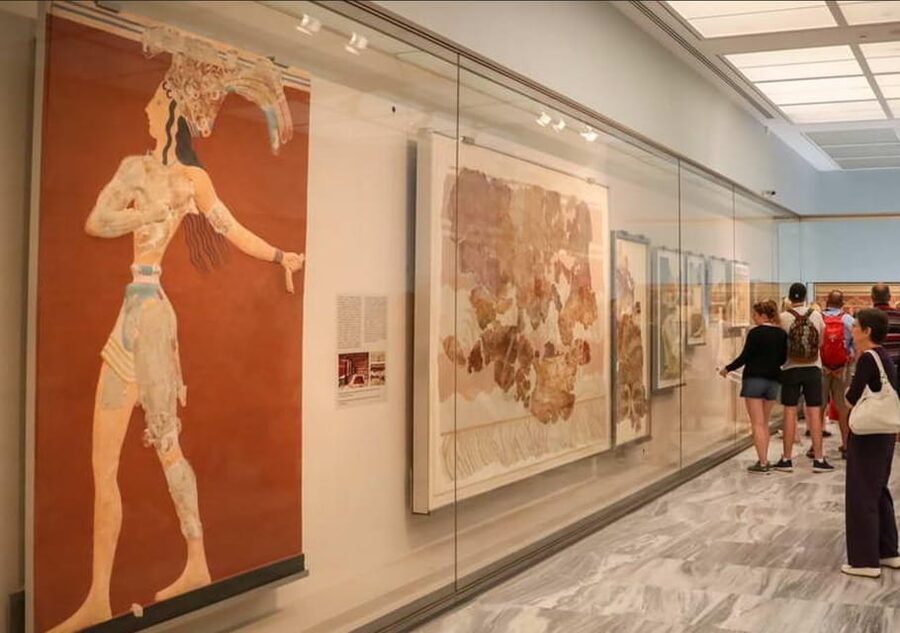
If you care about art that looks alive, the museum’s Minoan frescoes are the headliner. This is where Crete stops being a history lesson and starts becoming a visual world—detailed figures, dynamic motion, and scenes that feel oddly modern in their storytelling.
Among the standout frescoes are the Fresco of the Sacred Grove and the Fresco of the Dolphin. Then there’s the bull-leaping scene, one of those images that people talk about because it’s such a strong mix of skill, drama, and motion. Even if you don’t know the context, your eyes will get it: someone planned these scenes carefully, and the artists weren’t going for decoration only.
Here’s how I’d approach it in real life: don’t rush from fresco to fresco like it’s a checklist. Spend a few minutes in front of each one and look for patterns—poses, direction of faces, how limbs are shown, and how the scene is organized. In a museum like this, the thrill is often noticing the decisions. You’re not just seeing art; you’re seeing craftsmanship and storytelling at once.
The Phaistos Disc: When a Small Object Steals the Day
The Phaistos Disc is tiny compared to wall-sized frescoes, but it has big presence. You’ll see why quickly: it’s one of those objects that feels like it’s still arguing with the world about what it means.
This disc is famous partly because it’s so different from what people expect to find in the ancient Mediterranean. And partly because it’s mysterious. You don’t need to “solve it” to enjoy it. In a museum packed with clear archaeological categories, the Phaistos Disc brings uncertainty—and that’s what makes it memorable.
If you’re the type who likes puzzles, give it extra time. Read the label slowly. Stand in the spot where you can see the markings clearly. Then look again after you’ve seen a few other objects, because your brain starts making connections on its own.
Sculpture, Figurines, Jewelry, and Tools: Craft Meets Everyday Life
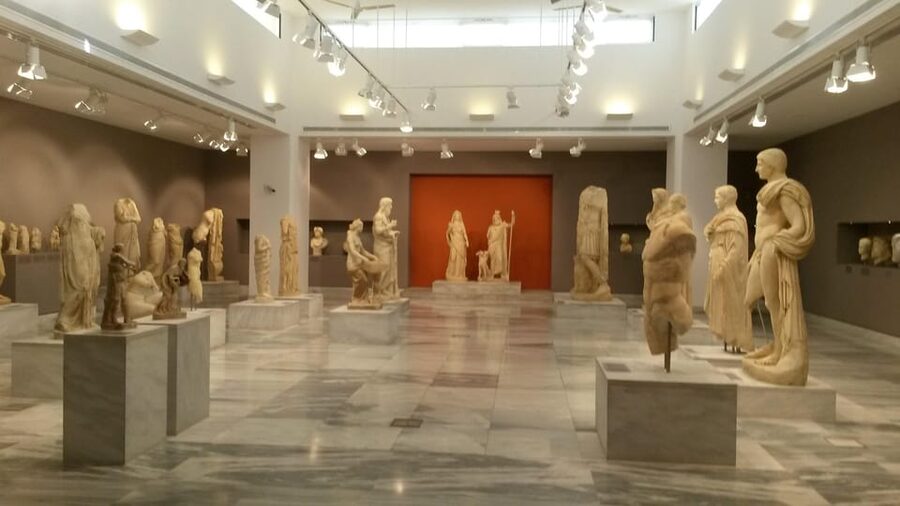
The museum doesn’t just show big ceremonial art. It also gives you a sense of daily life and belief through sculpture and figurines—including figures connected to gods, goddesses, and everyday scenes.
What I like about these collections is the balance. You get myth and ritual on one side, and human-scale objects on the other. The figurines help you imagine what people held, used, and honored.
Then comes the “wow” factor in a different form: Minoan gold jewelry and tools. These pieces show advanced craftsmanship. Even without reading every detail, you can feel the precision and care in how items were made. It’s not just wealth for the sake of wealth; it’s skill.
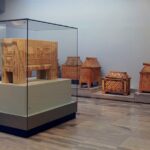
And don’t miss the Heraklion Treasure—a significant group of gold artifacts, weapons, and jewelry that points to the island’s wealth during the Minoan period. This section helps you connect art to power and organization. It’s not just objects on stands. It’s evidence of a society that knew what mattered and invested in it.
Neolithic to Roman Rooms: Why You Should Not Stop at Minoans
It’s easy to treat Heraklion Museum like a “Minoan only” stop. But the museum’s strength is that it continues beyond that era. You can see the shift from the Neolithic and Early Bronze Age periods all the way through Roman times.
That broader span is valuable because it helps you understand the museum as a long story, not a single chapter. If you only focus on Minoan art, you might leave with the impression that Crete was only relevant during one peak. The later rooms correct that. They show change over time—culture evolving, influences shifting, and how older foundations carried forward.
In other words: even if Minoans are your main interest, the later galleries help the whole picture make sense. You’ll likely come away feeling less like you “saw a section” and more like you mapped the timeline.
Using the Included City Audio Tour on the Same Day
Your ticket includes a self-guided audio tour of Heraklion City. Since you’re also paying for museum entry with free time, the smart move is to plan a “two-track day”:
- Use the museum time for the objects that can’t be replaced
- Use the city audio tour to connect the museum themes to real places you walk by
Because this is self-guided, you’ll need your own setup. The tour doesn’t include a smartphone or headphones. So bring a charged phone and plan to use headphones you already own (or bring cheap ones). You’ll also want to download or access whatever audio format you’re instructed to use before you start, because you don’t want to waste your walking time debugging tech.
Also note: there is no museum audio guide included. So the audio tour is separate. Treat it as your extra layer for the day, not your replacement for reading museum labels.
Timing Your Day: A Simple Plan That Works
You have “one day,” but the best schedule depends on how you like museums. Here’s a practical approach that fits this ticket style:
1) Start with your strongest interest (Minoan frescoes, then the Phaistos Disc, for example).
2) Spend focused time where the museum gives you the most impact. The frescoes and treasure sections are the points that can turn a museum visit into something you remember for months.
3) After that, loosen the pace for figurines and gold, then finish with the broader timeline rooms so the story clicks into place.
Then, once you’ve had your museum time, switch to walking and audio around Heraklion. If you’re tired after the museum, do the city tour at a calmer pace. If you’re still energized, use the audio to fill gaps as you stroll.
The museum’s collection covers more than 5,500 years, so you’ll never see everything with the same intensity. Your goal is to let your top interests drive the sequence.
Price and Value: Is $18 Worth It?
At $18 per person, this is priced like a standard entry ticket experience—but with one helpful bonus: you also get a self-guided city audio tour included. That can make the day feel longer and more connected, especially if you’re not hiring a live guide.
The trade-off is what you do not get: no live guide, and no museum audio guide. If you’re the kind of traveler who wants guided interpretation step-by-step, you may feel like you’re doing more reading yourself. On the other hand, if you’re happy to explore and let objects lead, this format is efficient and cost-conscious.
Also, because entry is time-slotted and non-changeable, you should book a time you truly can keep. That doesn’t raise the cost, but it protects the value. A cheap ticket that you can’t use on the right day is still expensive.
Who This Works Best For
This ticket shines for:
- People who want a self-paced museum visit with time to linger
- Travelers especially interested in Minoan art, including fresco scenes
- Visitors who like to pair a museum stop with a walkable city activity
- Anyone who prefers not to pay for a live guide and would rather spend time with artifacts
If you hate museum labels and need spoken guidance to enjoy history, you might feel under-supported. In that case, you’d probably want a guided option instead of this self-guided format.
Practical Tips That Make a Big Difference
A few rules and details will help you avoid friction:
- No pets and no smoking are allowed.
- If you qualify for free admission under the rules listed (EU under 25, or non-EU under 18, starting April 1, 2025), plan to bring the right ID to show at the ticket booth.
- For people with disabilities, free admission applies with a Disability Certificate at the ticket booth.
- Since there’s no included smartphone or headphones, bring your own. This matters because your city audio tour depends on it.
One more practical note: because entry is tied to a time slot and you can enter only within the allowed window, check how long it realistically takes you to get to the museum entrance. Build in buffer time.
Should You Book This Heraklion Museum Ticket?
Yes—if you want a strong museum day without paying for a live guide, and you’re excited by Minoan frescoes and key objects like the Phaistos Disc. The inclusion of the Heraklion City audio tour gives you extra value, turning your museum visit into a fuller day instead of a single-room stop.
Hold off if you need museum audio guidance or you’re worried your schedule might run late, because the time slot rules are strict and entry can’t be adjusted.
If you can keep your slot, this is a clean, good-value way to experience one of Crete’s most important collections—on your terms.
FAQ
What does the ticket include?
It includes a regular entry ticket to the Heraklion Archaeological Museum, free time to explore the museum, and a self-guided audio tour of Heraklion City.
Is there a live guide included?
No. This experience does not include a live guide.
Do I get an audio tour for the museum itself?
No. The ticket includes a self-guided audio tour of Heraklion City, but it does not include museum audio.
Where do I meet for the activity?
The meeting point is the entrance of the museum, and you enter on your own.
What are the entry rules for my time slot?
Entrance is permitted only at the selected time slot or 15 minutes before or after. The entry time slot cannot be amended.
Is this booking refundable?
No. The activity is non-refundable.
Is the attraction wheelchair accessible?
Yes, the activity is wheelchair accessible.