REVIEW · DIJON
Dijon with an Archaeologist: A Self-Guided Audio Tour
Book on Viator →Operated by VoiceMap Audio Tours · Bookable on Viator
Dijon is more than mustard once you walk it. This self-guided VoiceMap tour turns major sights into a story of medieval power, daily life, and street-level details. I like the offline audio and maps option, and I like how you can pause and explore at your pace. One thing to consider: the route is fairly short, so a few areas may feel like quick highlights rather than deep, slow study.
You start near Place de la Libération, then circle the core of historic Dijon: the Palace area, an indoor market hall, old streets like Rue des Forges and Rue Verrerie, and standout buildings such as Hotel Aubriot and Hotel de Vogue. You’ll also get a special bit on why the owl became Dijon’s emblem, plus context around the Church of Our Lady.
This is an English-only audio experience. You’ll be on your own with your smartphone and headphones, so plan a little tech time before you set off.
In This Review
- Key Highlights You’ll Actually Notice
- Why Dijon’s Stone Walls Work So Well for Audio
- Price and What $9.99 Buys You (Value, Not Just Cost)
- How VoiceMap Keeps You Moving: Offline, Maps, and Your Pace
- Place de la Libération to the Palace Area: Setting the Dijon Story
- Museum-Adjacent Finale: A Walk That Doesn’t Drag
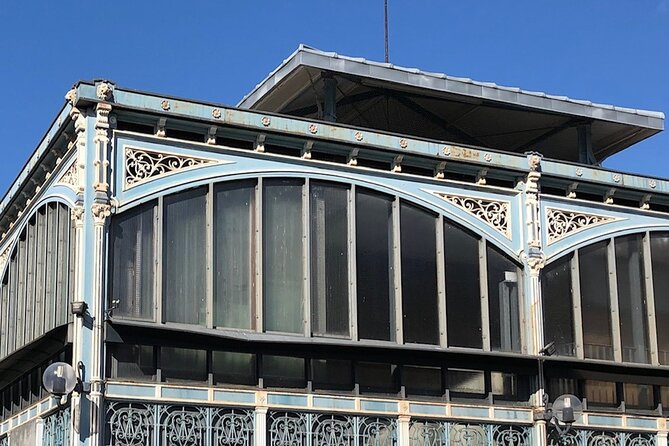
- The Central Indoor Market Hall: Where Daily Life Becomes History
- Rue des Forges and Rue Verrerie: Old Streets, Real Explanations
- Hotel Aubriot and Hotel de Vogue: Read the Halls Without Entering
- Notre-Dame (Church of Our Lady) and the Owl Emblem Moment
- Common Snags to Plan Around (So Your Walk Stays Smooth)
- Who This Tour Fits Best in Your Dijon Trip
- Should You Book Dijon With an Archaeologist on VoiceMap?
- FAQ
- How long is the audio tour?
- Where does the tour start and end?
- Do I need an internet connection during the walk?
- What language is the tour in?
- What app do I use to listen?
- What should I bring?
- Is transportation included?
- Can I cancel if my plans change?
Key Highlights You’ll Actually Notice
- Offline access for audio and maps, so you can keep moving without hunting for signal
- Self-paced walking, with room to stop, look, and start again when you’re ready
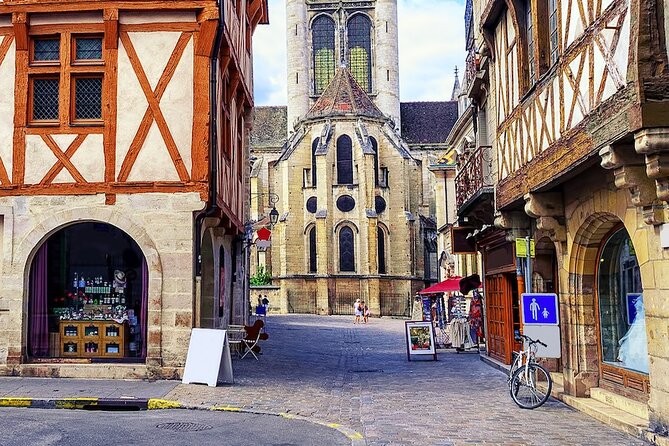
- A tight, walkable core route around Dijon’s historic center
- Streets and buildings with explanations, not just names stuck on a screen
- The owl emblem story, a fun payoff for paying attention to small details
- Clear narration, with pacing that works well for adults and teens
Why Dijon’s Stone Walls Work So Well for Audio
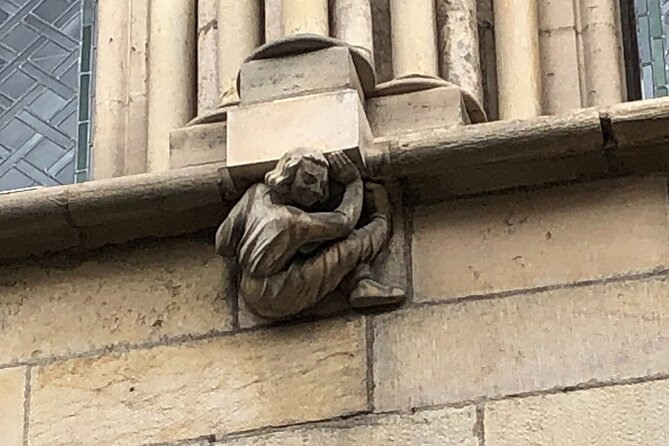
Dijon is a city where the past shows up in the cracks. You don’t need a fancy pass or a tour guide holding a microphone. You just need to walk slowly enough to let the buildings talk.
That’s exactly the strength of this audio format. It’s built around architecture and “why this matters” anecdotes as you move from stop to stop. You’ll spend about an hour to an hour and 15 minutes on foot, which is perfect when you want a first look that still leaves energy for later meals and museums.
I also like the structure. Instead of one long speech, you get bite-sized recordings that match what you’re standing in front of. That makes it easier to connect the dots between the Dukes of Burgundy, the city’s medieval identity, and how people lived in streets and markets—not just in palaces.
Price and What $9.99 Buys You (Value, Not Just Cost)
At $9.99 per person, this sits in the “small price, big flexibility” category. You’re paying for time with a competent city narrative, not for a timed entry ticket. Since you get lifetime access to the tour, the price keeps paying you back after the walk—especially if you’re the type who replays audio while planning your next day.
The tradeoff is also clear: you don’t get a live human standing with you. If you want Q&A, this won’t replace that. But for many trips, a self-guided route is exactly the sweet spot. You can go when you want, slow down when something catches your eye, and skip the parts you’re not feeling.
Also, this isn’t a food or ticket tour. Admission fees (if any come up on your own side plans) aren’t included, and food/drink isn’t part of the experience. So I recommend bundling it with your normal Dijon day: walk with the audio first, then eat and explore on your schedule.
How VoiceMap Keeps You Moving: Offline, Maps, and Your Pace
This tour runs through the VoiceMap app on Android and iOS. The big win here is offline access: audio, maps, and geodata can be downloaded so you can keep going even if your phone struggles with connection.
Here’s the practical approach I’d use if I were planning your day:
- Download the tour content before you start walking, so you’re not standing around waiting in the open.
- Bring a pair of wired or wireless headphones. Headphones and a smartphone aren’t included.
- Expect that you’ll pause often. The design works best when you treat it like a guide with breaks, not like a podcast you have to finish in one go.
One more tip: if you switch away to use your camera mid-walk, the app may not restart automatically. When that happens, just manually start the audio again and carry on. It’s a small annoyance, but it can be avoided by starting photo-taking between recordings.
Place de la Libération to the Palace Area: Setting the Dijon Story
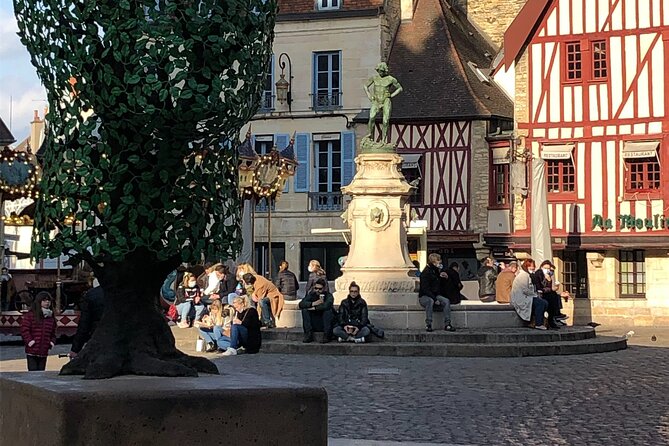
You begin at Place de la Libération, and from there the tour orbits Dijon’s historic center with a clear theme: Dijon beyond mustard. The opening moments matter because they frame what you’re about to see—Dijon as the Burgundy capital and a city tied to the Great Dukes of the West in the Middle Ages, with modern Dijon showing the same pride in its art and architecture.
Then you land back outside the Palace of the Dukes area. Even without stepping inside, being at the palace perimeter tells you something. This is where power meets stone, and the tour helps you read that. You’ll get historical context that makes the rest of the walk feel less random.
Also, using the palace area near the start and near the finish is smart. It gives you an easy “home base” feeling. You don’t end somewhere confusing. You finish back in the central zone near the Museum of Fine Arts Dijon, close enough to keep planning the rest of your day without backtracking.
Museum-Adjacent Finale: A Walk That Doesn’t Drag
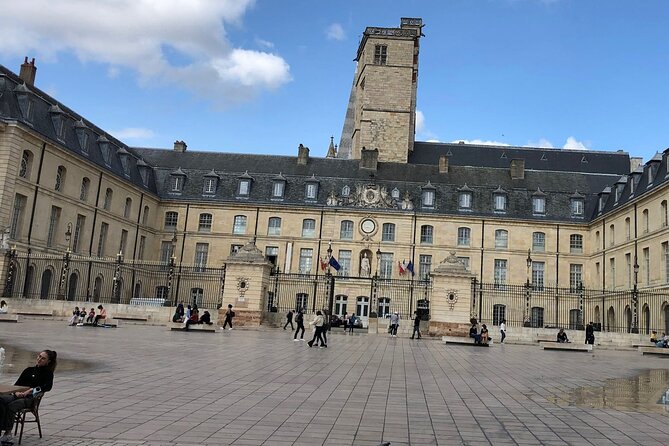
The tour ends near the Museum of Fine Arts Dijon, in the general palace complex zone (Palais des ducs et des Etats de Bourgogne, near Pl. de la Sainte-Chapelle). This is practical because it turns the final minute into a real decision point.
After the audio stops, you can:
- continue toward the museum if it fits your mood,
- or simply head out for coffee and a calmer route home.
Because the whole experience is designed to take about 1 hour to 1 hour and 15 minutes, it’s easier to use as your “first circuit” in Dijon. You get enough context to choose what to see later, without committing your entire day.
The Central Indoor Market Hall: Where Daily Life Becomes History
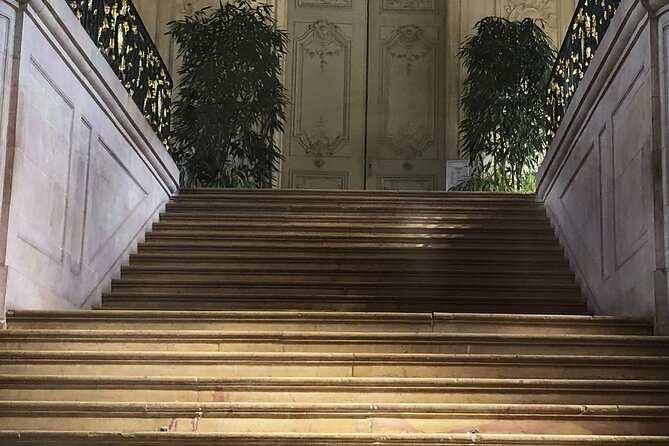
One of the most useful parts of this tour is the stop at the central indoor market hall. Markets are where cities feel human. Even if you don’t shop, the building type already says: people gather here, trade happens here, and routine repeats here.
The audio adds history as you walk, so the market becomes more than just a place to pass through. You’re not only seeing the space—you’re also learning what it meant over time. That’s the kind of detail that makes later museum visits click too, because you understand the city’s rhythms, not just its portraits and monuments.
If you’re traveling in a season when the weather can swing, an indoor market stop is also a handy reset. You can listen while sheltered, then continue your walk when you’re ready.
Rue des Forges and Rue Verrerie: Old Streets, Real Explanations
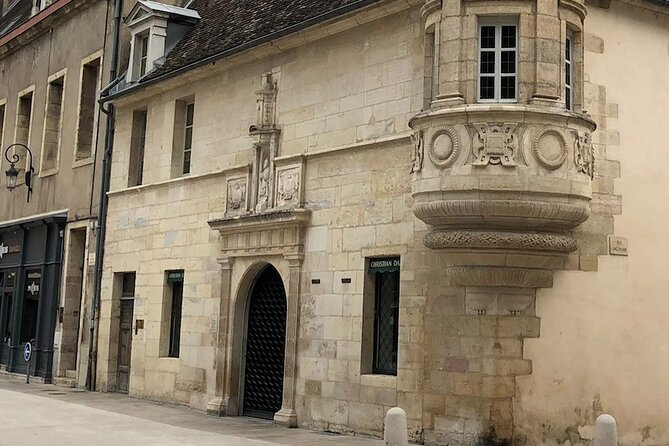
The tour takes you down historic streets like Rue des Forges and Rue Verrerie. These aren’t the biggest attractions on most postcard lists, but they’re exactly the kind of street Dijon does well: narrow enough to slow you down, old enough to make you think.
What makes these sections work is that the audio doesn’t treat streets like scenery. You get anecdotes as you walk. The goal is to help you understand how Dijon’s medieval world translated into the city layout you can still see today.
Practical tip: if you tend to walk fast, force yourself to slow down for these segments. You’ll get more out of the narration, and you’ll notice the building proportions, street bends, and small architectural quirks that otherwise disappear at pace.
Hotel Aubriot and Hotel de Vogue: Read the Halls Without Entering
Passing Hotel Aubriot and Hotel de Vogue is a great way to understand the “why” behind Dijon’s grand architecture without needing to buy separate tickets just to admire façades.
These are the kind of buildings that look like they should be explained. The tour does that job. You’ll hear about their history while walking by, and the information helps you connect them to the larger theme: the Dukes of Burgundy and the status culture tied to the city’s power centers.
If you like architecture but don’t want a full-on architectural tour, this is a sweet compromise. You get background that makes the buildings meaningful, and you still keep moving at a pace that fits your day.
Notre-Dame (Church of Our Lady) and the Owl Emblem Moment
One of the most memorable stops is outside Notre-Dame, also referred to here as the Church of Our Lady. The audio guides you around the exterior, so you’re focusing on what you can actually see from the street—forms, placement, and the way such a church shapes a city’s identity.
And then comes the payoff: you’ll hear why the owl became Dijon’s emblem. This kind of emblem story is often more fun than it sounds. It turns your attention to small symbols, and it gives you something to look for as you keep walking.
If you want a reliable “wow” moment in an hour-long walk, this is one of the strongest candidates. The church stop provides seriousness, and the owl bit gives you the human-scale curiosity that keeps the tour from feeling like a textbook.
Common Snags to Plan Around (So Your Walk Stays Smooth)
This tour is designed for easy use, but a few practical realities can affect your experience:
- Headphones are required for comfortable listening, and they aren’t included.
- Download time matters. You’ll want to start with the audio content ready so you don’t waste daylight waiting on your phone.
- The app may hiccup if you jump into another app (like the camera). If playback doesn’t resume, start it manually.
- The route is short. If you love deep detail and long explanations, you might wish for more time at certain buildings or streets.
None of these are deal-breakers. They just shape how you should approach the tour: treat it as a focused introduction and a planning tool, not the only source of Dijon knowledge you’ll ever need.
Who This Tour Fits Best in Your Dijon Trip
I’d point this tour toward you if:
- you’re visiting Dijon for the first time and want a quick, coherent orientation,
- you like history tied to places you can actually stand in front of,
- you’re traveling with teens or mixed ages and want a pace that works for both attention spans,
- you prefer self-guided walking over group tours and don’t want to wait for others,
- you want something repeatable later, thanks to lifetime access.
It can also work well if Dijon is part of a bigger route through Burgundy and you want something that doesn’t steal a full day. Most people can participate, and the start point is near public transportation, which helps if your schedule is tight.
Just remember: this is an audio walk, not a museum day. If you want indoor tickets, you’ll need to plan those separately.
Should You Book Dijon With an Archaeologist on VoiceMap?
Book it if you want a low-cost, self-paced way to get your bearings fast and learn why Dijon looks the way it does. The best reason is the balance: enough context to make the center feel connected, without taking over your whole day.
Skip it (or pair it with other plans) if you want long, slow, deeply detailed explanations or you hate relying on an app and your own tech. Also, since it’s English only, make sure that fits your group.
If you’re the kind of traveler who enjoys walking, noticing, and learning in small stops, this is a good match for Dijon’s size and vibe.
FAQ
How long is the audio tour?
It takes about 1 hour to 1 hour 15 minutes.
Where does the tour start and end?
It starts at Place de la Libération (Pl. de la Libération, 21000 Dijon) and ends near the start location, not far from the Museum of Fine Arts Dijon.
Do I need an internet connection during the walk?
No. The tour includes offline access to audio, maps, and geodata.
What language is the tour in?
The tour is offered in English.
What app do I use to listen?
You use the VoiceMap mobile app for Android and iOS.
What should I bring?
You’ll need your smartphone and headphones. Food and drink aren’t included.
Is transportation included?
No, transportation is not included.
Can I cancel if my plans change?
Yes. You can cancel for a full refund if you cancel at least 24 hours before the experience’s start time (cut-off is based on the local time).