REVIEW · ARCHAEOLOGICAL SITE OF MYCENAE
Archaeological Site of Mycenae: E-Ticket with Audio Guide
Book on GetYourGuide →Operated by Clio Muse Tours · Bookable on GetYourGuide
Mycenae feels big the moment you start moving through the grounds. With a timed e-ticket and a self-guided audio guide, you can focus on the places that matter—without waiting for anyone else’s pace. And because the tour content works offline, you’re not stuck rushing or guessing while you stand in front of stone walls.
I really like two things about this setup: first, the pre-booked entry to the site and museum (plus timed access to Treasure of Atreus) helps you show up and go straight to the key stops. Second, the audio tour is built for quick storytelling—so you’re not just reading labels, you’re getting context while you walk.
One thing to consider: the day-of experience depends on your phone behaving well. If your connection is spotty, you’ll want to have everything downloaded and ready before you arrive, because access to your ticket can get messy when there’s poor internet at the site.
In This Review
- Key highlights in plain terms
- What this Mycenae e-ticket + audio guide really gets you
- Starting at the entrance: how the route flows
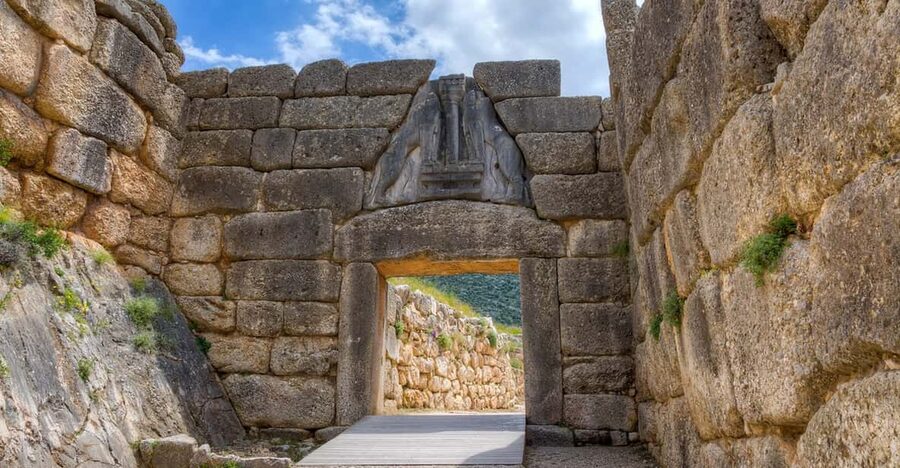
- Lion Gate and Cyclopean Walls: the moment it clicks
- The Palace / Megaron area: seeing power in layout
- The passage to the beehive-shaped Tomb of Agamemnon
- Treasure of Atreus: a timed stop you should plan around
- The Mycenae museum: artifacts and fresco stories
- The audio guide experience on your phone (and why it’s praised)
- Practicalities that affect your day (more than you’d think)
- Download and ticket readiness
- Phone requirements and storage
- What to bring
- What not to bring
- Price and value: is $41 a good deal?
- Who should book this Mycenae audio e-ticket?
- Should you book it?
- FAQ
- What’s included with the e-ticket and audio guide?
- Do I need a live guide?
- Which languages are available for the audio guide?
- Do I need internet during the visit?
- What phone do I need for the audio tour?
- How much storage space is needed on my phone?
- Where does the audio tour start?
- Is this accessible for wheelchairs?
Key highlights in plain terms
- Timed entry to the archaeological site and museum (and Treasure of Atreus on your slot)
- Clio Muse self-guided audio tour with offline maps, text, and narration
- Phone-first experience: you download the app and tour content before visiting
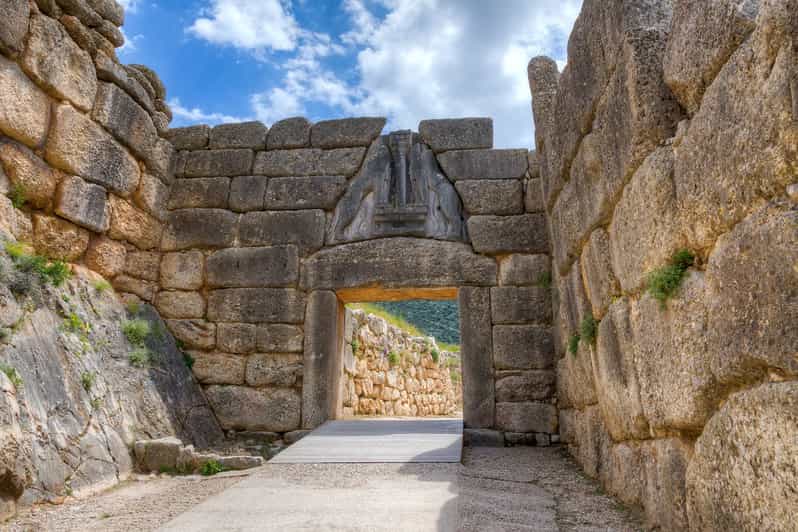
- Top Mycenae stops on foot: Lion Gate, Cyclopean Walls, the Palace/Megaron area, and the passage to the beehive-shaped Tomb of Agamemnon
- Museum viewing that connects you to artifacts and Bronze Age fresco themes
- Clear limits: no live guide and no strollers, luggage, large bags, or backpacks
What this Mycenae e-ticket + audio guide really gets you
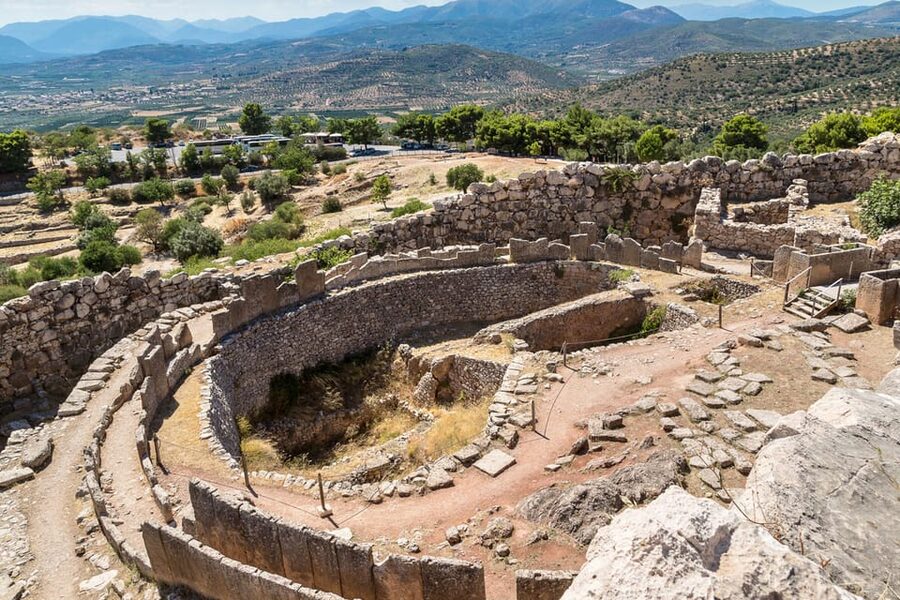
This is a one-day, self-guided visit built around two key pieces: an e-ticket for Mycenae (archaeological site + museum) and an audio tour you listen to on your smartphone through the Clio Muse app. There’s no live guide. Instead, you’re given a structured route and story-based commentary, and you control the speed—slow for details, fast when you want to keep moving.
At $41 per person, the value is mostly about friction control. You’re paying for two things that matter at busy heritage sites: a guaranteed entry slot and a guided experience that’s ready on your phone. If you’ve ever visited a major site and spent more time figuring out what you’re looking at than actually seeing it, you’ll appreciate that this format nudges you into the right order and keeps you company while you walk.
Also, the tour is designed for repeat listening. The content is offline and described as usable indefinitely, so you’re not stuck with a one-time “listen once” model.
Starting at the entrance: how the route flows
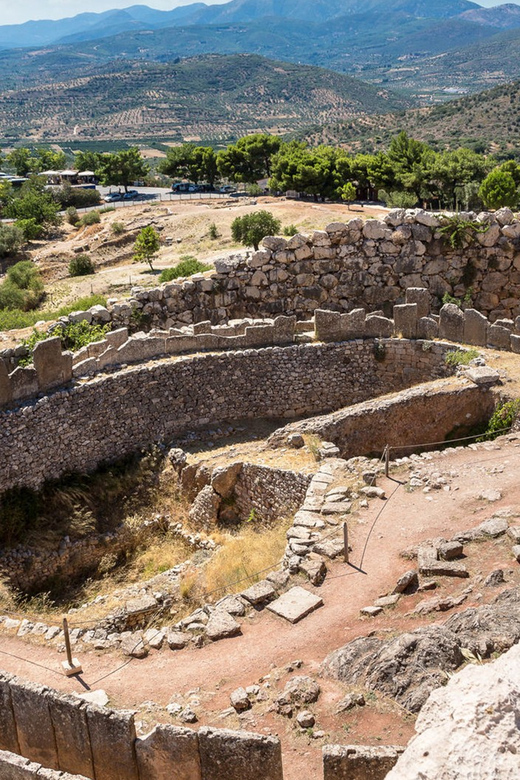
The audio tour is designed to start at the entrance of the archaeological site of Mycenae. Practically, that means you should arrive ready to begin, headphones on, with your phone charged. The site itself isn’t wheelchair accessible, so if mobility is an issue, plan around that—while the museum is wheelchair accessible, the archaeological grounds aren’t.
Once you’re in, the experience is structured around walking the most famous parts at a natural pace. You’ll follow the audio prompts as you move from the big entrance landmark into the walls and palace area, then toward the tomb passage.
What I like about this “you walk, you listen” approach is that it matches how you actually understand ruins. Up close, stone and layout can look confusing. The narration helps you connect the layout to the stories you’re hearing—especially when you’re standing at gate structures and wall lines, where context changes what you notice.
Lion Gate and Cyclopean Walls: the moment it clicks
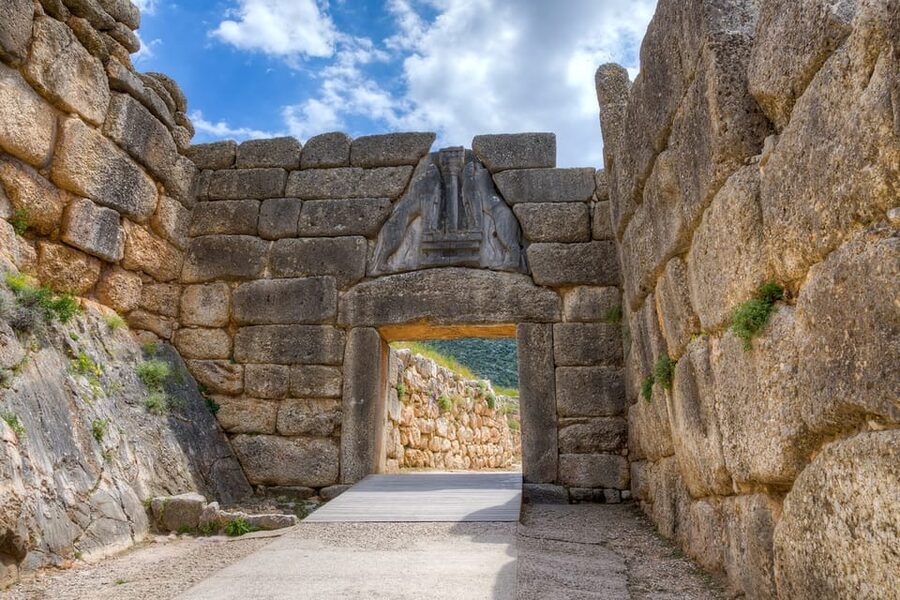
You’ll hear about the Lion Gate, then move into the area of the Cyclopean Walls as you continue through the site. These are the kinds of features where photos can be misleading. They look impressive in pictures, but on-site you start noticing the scale and the way the structures channel movement.
The audio tour’s strength here is that it stays story-driven without turning into a lecture. You’re guided through what you’re looking at, and the commentary focuses on legend and Bronze Age life themes rather than just technical trivia. That matters because Mycenae is legendary, and the stones earn that reputation only when you understand the role they played.
If you tend to read slowly, you’ll like this. If you tend to skim, you can still get something useful because the narration is described as well-researched but kept brief—enough to keep momentum.
The Palace / Megaron area: seeing power in layout
Next comes the Megaron (the palace area concept). Here, the audio guide helps you interpret the space—how the building worked and why it’s a key part of why Mycenae mattered as a major center of Greek civilization.
This stop is also where self-guided tours either succeed or fail. With no live guide, you need the content to do the explaining. Based on the way the audio is described (brief stories, historical information, and uncommon anecdotes), it’s built to give you a reason to care while you’re physically surrounded by ruins.
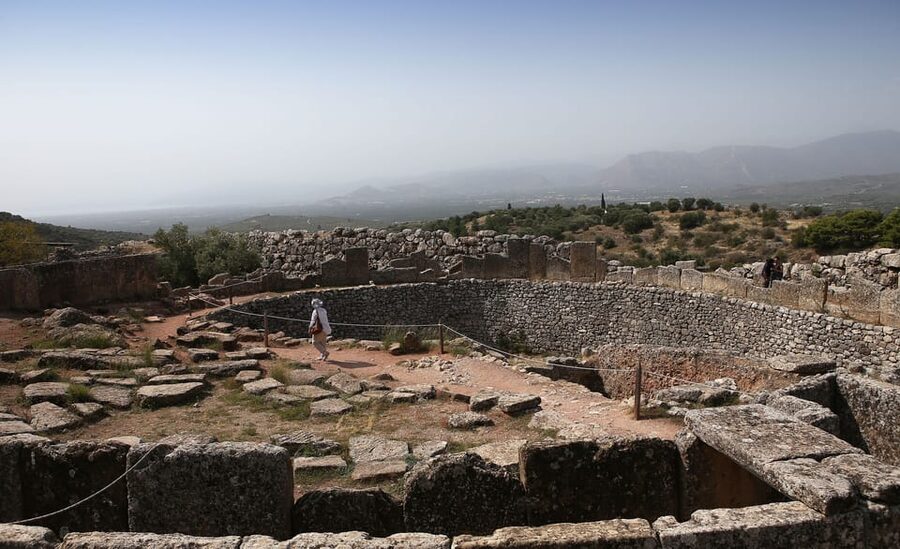
One practical tip: wear comfortable shoes and expect uneven ground. It’s not a museum floor, so your listening pace should match your walking pace.
The passage to the beehive-shaped Tomb of Agamemnon
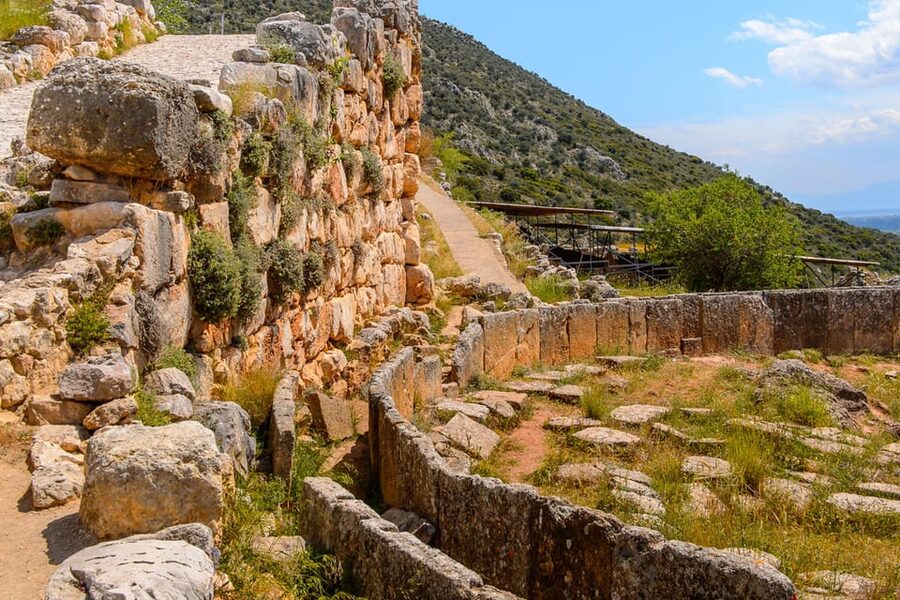
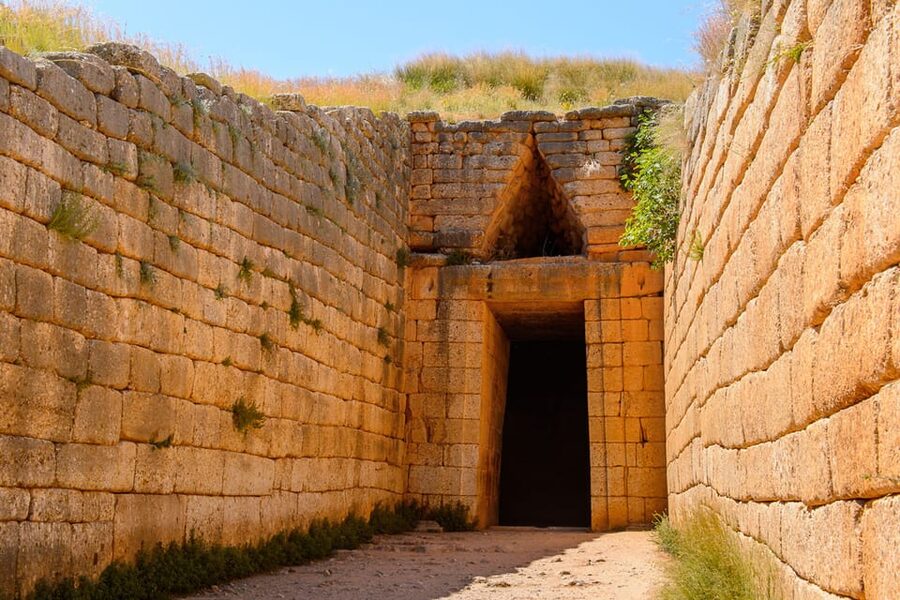
A major highlight is the route that leads you to the beehive-shaped Tomb of Agamemnon. The experience is framed as following a passage to reach this massive tomb area, which is exactly the kind of “you walk there, then the scene changes” moment that audio tours handle well.
Why this matters: tombs at places like Mycenae aren’t just sights. They’re part of a whole story about power, identity, and remembrance. The narration is meant to connect the monument to the legendary world you’re touring, so the tomb isn’t just impressive—it feels meaningful.
This is also one reason to download everything before you arrive. When you reach a high-stakes moment like this, you don’t want to be troubleshooting your phone.
Treasure of Atreus: a timed stop you should plan around
Your ticket includes entrance to the Treasure of Atreus on your selected date and time slot. Since it’s specifically timed, treat this like your anchor appointment.
Plan to arrive with enough margin that you can get your bearings and start the audio tour without panic. If you’re jumping between timed entry areas, a little buffer keeps the day calm instead of stressful.
Even if you’re the type who likes to linger, try to match your listening pace to your slot. The audio tour encourages a steady flow, and the timed entry means the day has at least one moment where you’ll want to be on time.
The Mycenae museum: artifacts and fresco stories
After the outdoor site, the visit shifts to the Museum of Mycenae. The museum portion is included with your e-ticket and is where you’ll see artifacts found in the complex, plus Bronze Age fresco themes.
The big value here is that you can connect what you saw outside with what’s preserved inside. Frescoes are a perfect example: the tour messaging focuses on frescoes showing plants, griffins, lions, bull-leaping, battle scenes, warriors, chariots, boar hunts, and more. Instead of treating these as random decorations, you’re given the chance to understand what they might have meant in the world of Bronze Age Mycenae.
This is also where I’d slow down the most. Museum time is often rushed because people think the outdoor site is the main event. Here, the museum feels like the place where the audio tour helps you hold the story in your head. If the narration is doing its job, you’ll walk through thinking in themes, not just names.
The audio guide experience on your phone (and why it’s praised)
The audio tour is self-guided through the Clio Muse app and comes with offline content: text, audio narration, and maps. It’s available in English, German, Spanish, French, and Italian.
The format is designed for “put on your headphones and go.” You download the app and the audio tour prior to your visit, then you use it on-site. The tour is meant to be a bank of short stories: enough historical information to orient you, plus uncommon anecdotes to keep you interested while you’re looking at stone and fragments.
This is also the part that tends to get the highest praise. One clear takeaway from the feedback is that people like the explanation of the remains and the quality of the audio guide itself. If you’re the type who hates silent ruins, this is the best reason to book.
Practicalities that affect your day (more than you’d think)
Download and ticket readiness
After booking, you get an email with instructions to download the ticket and the audio tour. One real-world caution: coverage at the archaeological site can be unreliable. That means you should treat the download step as non-negotiable.
Before you go, make sure:
- your app and audio tour are fully downloaded for offline use
- your ticket is ready to show without relying on mobile data
It’s a small task that can save a lot of frustration once you’re standing at the entrance.
Phone requirements and storage
You need an Android (version 5.0 and later) or an iOS smartphone. The audio tour isn’t compatible with Windows phones. The tour content needs 100–150 MB of storage, so check that you’ve got room.
What to bring
Bring:
- comfortable shoes
- hat and sunscreen
- headphones
- a charged smartphone
What not to bring
No baby strollers, luggage or large bags, or backpacks. If you’re traveling light, great. If you’re carrying a lot, you’ll want to rethink what’s with you.
Price and value: is $41 a good deal?
For $41 per person, you’re paying for a combo: entrance to the site and museum plus a self-guided audio tour on your phone. That’s not just a “download” purchase—the entry component and the timed Treasure of Atreus slot are part of what you’re buying.
Here’s how I think about the value:
- If you’d otherwise show up without a plan, the pre-booked entry and the guided audio reduce wasted time and confusion.
- If you love using your phone for audio and you’ll actually listen, you’ll get extra value because the experience is built to interpret what you’re seeing.
- If you don’t care about narration and you mostly wander, you might feel like you paid for something you didn’t fully use.
In other words: this price is fair when you’re the kind of traveler who wants context while you walk.
Who should book this Mycenae audio e-ticket?
This fits best if you:
- want a self-paced visit (no group timing pressure)
- enjoy audio storytelling and want context for major stops like the Lion Gate and tomb area
- plan to listen with headphones and have your phone ready offline
- like building a day around a timed entry anchor (Treasure of Atreus)
If you want a human guide explaining as you go, this isn’t that. It’s a smart audio setup, not a docent experience.
Should you book it?
I’d book this if you’re excited by Mycenae as a legendary Bronze Age site and you want a guided-feeling visit without paying for a live guide. The biggest strengths are the pre-booked entry and the offline Clio Muse audio tour, which is built to help you understand the major landmarks and museum pieces in the time you have.
Skip or rethink it if you know your phone storage is always tight, you can’t reliably download content before you arrive, or you have mobility constraints that make the archaeological grounds hard to navigate.
If your day includes comfortable shoes, a charged phone, and headphones, this is one of those “show up, press play, and let the stones make sense” kinds of visits.
FAQ
What’s included with the e-ticket and audio guide?
You get entrance to the Treasure of Atreus on your selected date and time slot, entrance to the Mycenae archaeological site and the Museum of Mycenae on your selected date, plus a self-guided audio tour on your smartphone with offline content (text, audio narration, and maps).
Do I need a live guide?
No. This experience is self-guided with an audio tour on your smartphone.
Which languages are available for the audio guide?
The audio guide is available in English, German, Spanish, French, and Italian.
Do I need internet during the visit?
The tour includes offline content (text, audio narration, and maps). Still, you should download your ticket and tour before you go, since mobile internet at the site can be unreliable.
What phone do I need for the audio tour?
You need an Android smartphone (version 5.0 and later) or an iOS smartphone. The audio tour is not compatible with Windows phones.
How much storage space is needed on my phone?
You’ll need about 100–150 MB of storage space for the audio tour content.
Where does the audio tour start?
The audio tour is designed to start at the entrance of the archaeological site of Mycenae.
Is this accessible for wheelchairs?
The archaeological site of Mycenae is not wheelchair accessible, but the museum is wheelchair accessible.