REVIEW · MATERA
Matera: Sassi di Matera Historical Self-Guided Audio Tour
Book on GetYourGuide →Operated by ITGUIDES · Bookable on GetYourGuide
Sassi di Matera is unlike anywhere else. This self-guided Matera Sassi di Matera Historical Audio Tour lets you explore UNESCO-listed stone neighborhoods across two valleys while an ITGUIDES audio guide points out what you’re standing near.
I like that the route is built for real pacing. You get geolocated audio for 30+ outdoor points, and you can follow it when you want, not when a group decides. I also love the mix of topics, from natural caves and underground architecture to cisterns and church spaces. One drawback to plan for: you need a smartphone and a good signal or Wi‑Fi to download the content before you start, and the guide is more focused on what you can see than on giving the deepest history everywhere.
In This Review
- Key points before you go
- Matera’s Sassi: what the audio guide helps you notice
- How the ITGUIDES self-guided tour works (no meeting point)
- Natural caves, ravines, and the underground architecture you’ll hear about
- Rock churches and Byzantine frescoes: understanding the stone worship spaces
- Cisterns and daily life: why underground storage feels important here
- Walking it your way: timing, pace, and what 365 days of access means
- Price and value: what $4.70 buys you
- The main trade-offs I’d plan around
- Who this self-guided tour fits best
- Should you book the Matera Sassi di Matera Historical Audio Tour?
- FAQ
- How do I start this self-guided audio tour?
- Do I need a smartphone?
- What languages are available?
- Does the audio guide work outdoors?
- Do I need earphones?
- How much content is included?
- Are entrance tickets included?
- Can I use the audioguide later?
- Is the tour wheelchair accessible?
- Can I cancel for a refund?
Key points before you go
- Geolocated stops for 30+ points across the Sassi, so you can trust you’re in the right spot
- Four languages (English, French, German, Italian) for an easier, calmer visit
- Caves, ravines, cisterns, and underground architecture explained in plain, on-site audio
- Rock churches and Byzantine fresco context for understanding what you’re viewing
- No meeting point and 365-day validity, so you can fit it to your own schedule
- Entrance tickets not included, so some sites may cost extra if you want to go inside
Matera’s Sassi: what the audio guide helps you notice
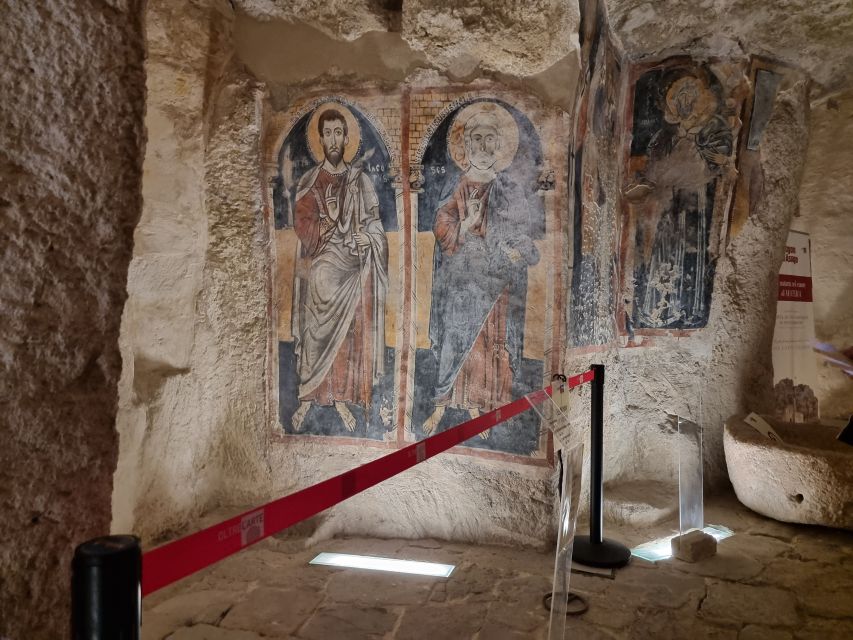
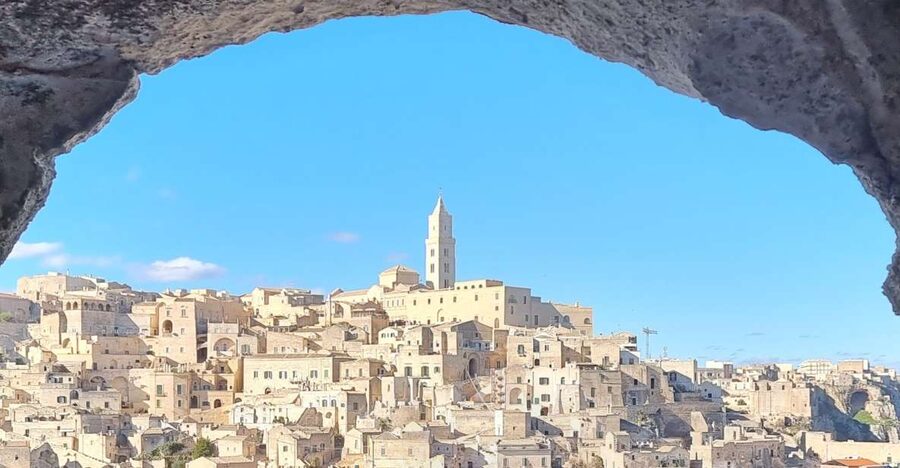
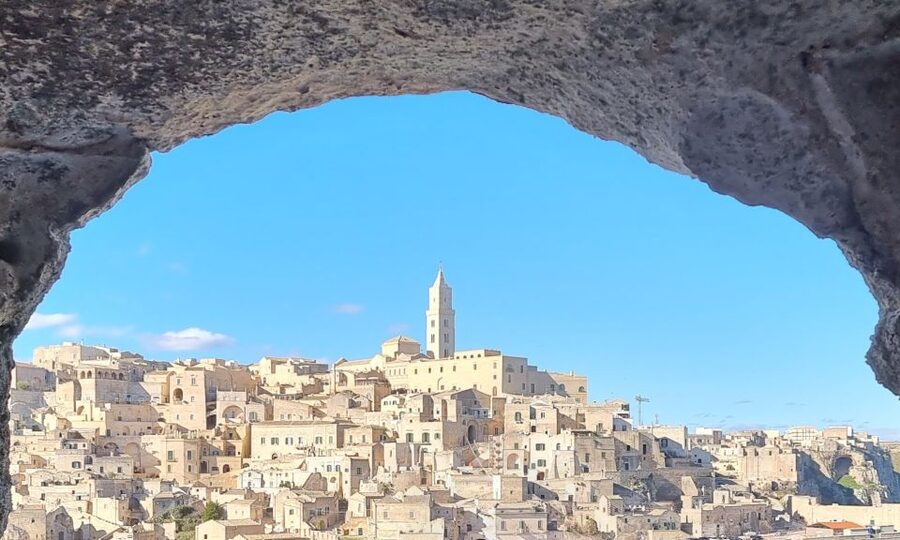
The Sassi are called Stones in Italian, and that label feels right the moment you’re among the homes carved into rock. The area spreads over two valleys and isn’t a single monument you tick off. It’s a whole urban maze where natural caves were used long ago, then enlarged over time by people who needed shelter, storage, worship spaces, and refuge.
What I like about this audio approach is that it helps you slow down without forcing you to stand still. Instead of reading signs that only cover the basics, you’re getting an explanation timed to your location. That matters in a place like Matera, where the setting itself carries the story: Neolithic cave use, later Middle Ages housing, and then the religious era when persecuted communities found sanctuary in rock-cut spaces.
You’re also learning to look at the stones as records. The Sassi weren’t just homes. They were shelters, natural refuges, and places for worship. And in this area, rock art reaches its peak, with dozens of rock churches linked to the Byzantine influence you’ll hear about through the guide.
How the ITGUIDES self-guided tour works (no meeting point)
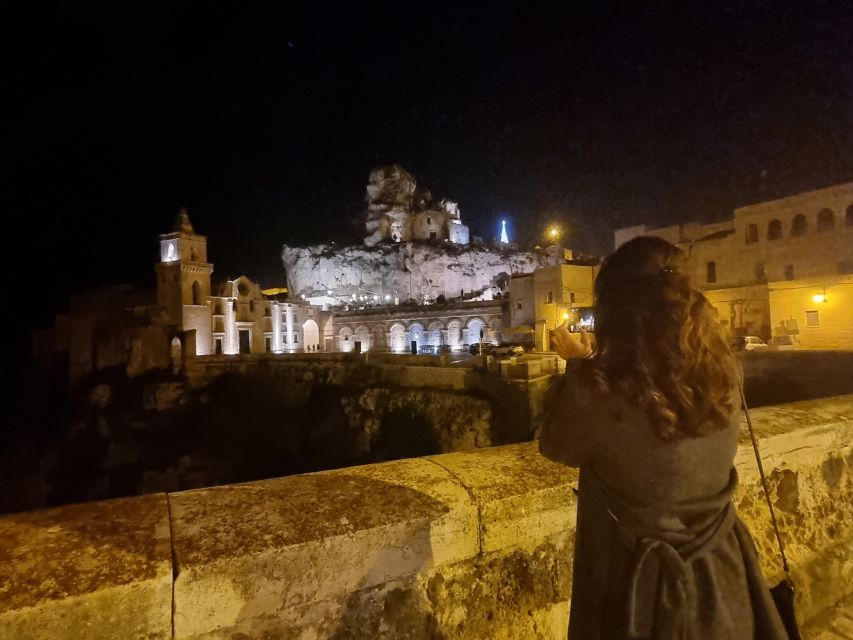
This is a smartphone audio tour, delivered through the ITGUIDES app. There’s no meeting point and no need to line up with a guide. That’s perfect if you like to wander first and understand second.
Here’s how to make it work smoothly:
- Download the app and the audioguide before you begin, ideally with a solid cellular signal or Wi‑Fi.
- Follow the geolocated prompts outdoors. The guide is designed so you don’t have to guess which stop you’re at.
- Earphones are recommended (not required), but they make it much easier when you’re near streets and other visitors.
- The voucher instructions tell you how to redeem your audioguide in the app.
A small practical tip: if you’re the type who likes to start fast, check you’ve downloaded everything before you hit the stones. Once you’re in the Sassi, you don’t want to lose audio just when you’re close to a church facade, an overlook, or one of the underground spaces.
Natural caves, ravines, and the underground architecture you’ll hear about
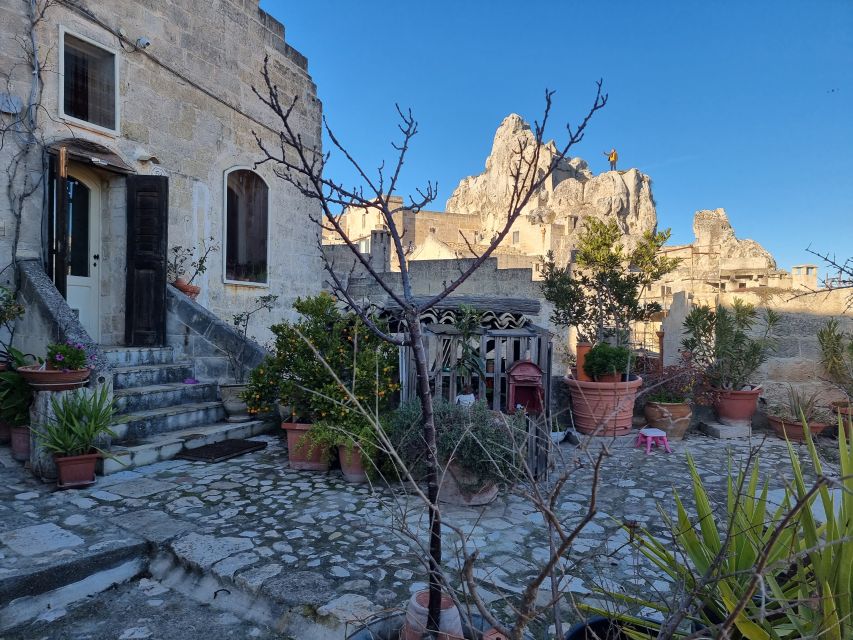
One of the best reasons to choose an audio tour here is that the Sassi are built to be noticed from multiple levels. Even when you’re walking above ground, you can often feel how the neighborhood connects downward—into cavities, cutaways, and sheltered zones that shaped daily life.
The guide spends time on:
- natural caves and how people used them over time
- ravines and shelter logic in the landscape
- the way humans expanded these spaces into a working underground world
This is where I think the audio format shines. You’re not just being told that caves existed. You’re being helped to interpret what you’re seeing right now: why these shapes look the way they do, and how a cave becomes more than a hollow by turning into housing, worship, or storage.
It also gives you language for what might otherwise feel random. Matera can look like a jumble of stone steps and carved rooms unless you understand the pattern: caves used first by early communities, then continuously through the Middle Ages and beyond. When you hear that continuity explained, the place clicks into focus.
Rock churches and Byzantine frescoes: understanding the stone worship spaces
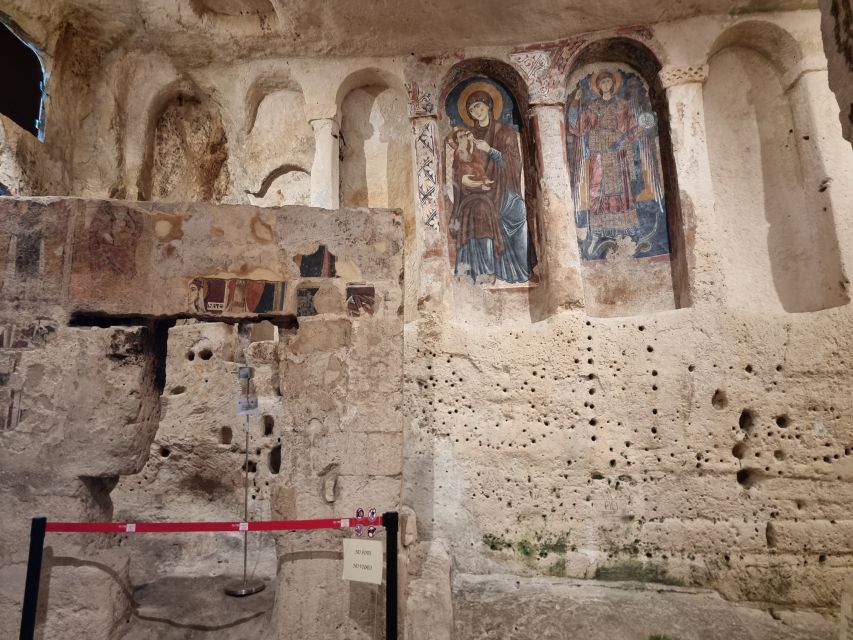
Matera’s story gets especially meaningful when the guide moves into rock churches and fresco context. During the Middle Ages, small communities and monks from regions including Armenia, Syria, Cappadocia, and Asia Minor took refuge in these caves. The guide connects that to worship spaces decorated with Byzantine frescoes, and to the broader “oriental art and culture” influence you’ll hear referenced.
This is not just trivia. In a setting carved into rock, religious art and architecture aren’t separate from life. The worship spaces are literally part of the stone neighborhood. The audio guide helps you see the rock-cut church as a response to history: a way to survive, and a way to keep faith in difficult times.
One detail that stands out in the information you’ll be hearing: in the Matera area, there are 155 rock churches. That’s a lot. It means you shouldn’t expect every stop to feel equally elaborate, but you should expect meaning. The guide frames rock art and churches as the area’s signature at the intersection of faith, refuge, and carving skill.
Practical note: your audio experience may focus more on the outward and general interior features than on deep art-historical study. If you’re hoping for a full museum-level commentary for every single church, you might feel like you want extra reading. The fix is simple: use the audio to get oriented and then decide which sites merit extra time or additional information on the spot.
Cisterns and daily life: why underground storage feels important here
Matera wasn’t only about survival; it was about building a neighborhood that could function. That’s why I’m glad this tour includes explanations for cisterns and other underground architecture. Underground spaces tell you how people dealt with basic needs—water, storage, and shelter—without needing to reinvent the entire environment.
Audio helps you understand these spaces as infrastructure, not just unusual rooms. When a cistern is explained as part of the system, you’ll start noticing scale and placement. And when the guide ties caves to long-term use—from Neolithic times through the Middle Ages into modern eras—you get a clearer idea of how daily routines shaped the stone.
It’s also a good kind of break from pure scenery. Yes, you’ll be surrounded by dramatic stone views, but the cistern and underground architecture stops give you a different angle: how the neighborhood worked.
Walking it your way: timing, pace, and what 365 days of access means
The “Duration” here is listed as 365 days, which is how long your purchase remains valid. That’s useful if you’re still locking down your travel calendar. You don’t have to squeeze the tour into one frantic afternoon; you can match it to good weather, early mornings, or calmer light depending on your plans.
Because the experience is self-guided, your main “schedule” is your own walking rhythm. You’re covering a stone neighborhood across two valleys with 30+ geolocated points. That’s the sort of place where stopping often is the secret weapon. If you try to rush, you’ll miss the meaning of why spaces sit where they do.
A realistic way to plan is to think in blocks:
- Spend time outdoors, following the geolocated audio prompts as you move through the Sassi
- Slow down around viewpoints and churchfronts
- Give extra minutes to anything underground-related, since access and movement can feel different than open streets
Also, this product is listed as wheelchair accessible. Still, the Sassi are carved, uneven, and full of architectural surprises, so go at a comfortable pace and be ready to adjust if you encounter tighter or steeper passages.
Price and value: what $4.70 buys you
At $4.70 per person, the value is mostly about convenience and independence. You’re paying for:
- smartphone access to audio content
- support for multiple languages
- geolocated guidance for 30+ points
- the flexibility of doing it in your own time over a 365-day window
What you’re not paying for: entrance tickets. So if you want to go into ticketed sites or special exhibits, you’ll need to budget separately.
Is this tour worth it if you already plan to read everything on the plaques? It depends on your style. If you like stopping, listening, and moving on with fewer decisions, the price can feel like a no-brainer. If you enjoy detailed research and want deep art history at every stop, you might treat the audio as an overview and add a little extra info where you care most.
From the feedback pattern, a big win is how easy the route is to follow at your own pace. That’s exactly what makes low-cost audio tours work: they reduce the mental load so you can focus on the stones.
The main trade-offs I’d plan around
This experience has an overall “easy and clear” vibe, but here are the practical considerations to keep you from getting disappointed:
- You need your phone. No smartphone, no audio guide.
- You need downloads to stick. A good signal or Wi‑Fi helps you load the content before you wander.
- The guide aims for essential, on-site descriptions. Some stops may explain exterior and interior only in a limited way, and the history focus may feel more general than ultra-detailed in certain moments.
- Some key stops might have extra entrance costs, because tickets are not included.
If you go in expecting orientation and context, you’ll get a lot. If you go in expecting museum-grade interpretation at every point, you may need to add your own reading or pick only the most important sites for longer attention.
Who this self-guided tour fits best
This is a great match if you want:
- a low-pressure way to explore Matera at your own speed
- audio in English, French, German, or Italian
- geolocated guidance across multiple outdoor points
- a flexible schedule, with the ability to revisit later thanks to 365-day access
It may be less ideal if:
- you want a strictly guided timetable with a person leading the narrative
- you dislike smartphone-based experiences
- you prefer very detailed, deep-dive explanations at every stop and aren’t interested in supplementing with other info
Should you book the Matera Sassi di Matera Historical Audio Tour?
Book it if you want a simple, affordable way to understand what you’re looking at while you walk the Sassi. The combination of geolocated audio, multiple languages, and a focus on caves, cisterns, and rock churches is exactly what helps you appreciate Matera without getting lost in guesswork.
Skip it or plan to supplement if you’re determined to learn ultra-specific details for every church interior, or if you expect entrance tickets to be covered. Since tickets aren’t included and some audio descriptions may stay general, treat this tour as your route-and-context backbone, not the only source of information.
If your goal is to walk slowly, listen as you go, and leave with a clear sense of why these stones matter, this is a smart use of your time in Basilicata.
FAQ
How do I start this self-guided audio tour?
There’s no meeting point. You start on your own, using the ITGUIDES app on your smartphone and following the geolocated audio points as you move through the Sassi.
Do I need a smartphone?
Yes. You need an Android or Apple smartphone to access the audio guide through the ITGUIDES app.
What languages are available?
The audio guide is available in English, French, German, and Italian.
Does the audio guide work outdoors?
Yes. The audio is geolocated, which is especially helpful for outdoor attractions and points of interest.
Do I need earphones?
Earphones are best but not mandatory. You can still use the audio without them, but earphones make it easier to hear clearly.
How much content is included?
The tour includes more than 30 geolocated points of interest with audio description.
Are entrance tickets included?
No. Entrance tickets are not included.
Can I use the audioguide later?
Yes. The product is valid for 365 days.
Is the tour wheelchair accessible?
The activity is listed as wheelchair accessible.
Can I cancel for a refund?
Yes. Free cancellation is available up to 24 hours in advance for a full refund.