REVIEW · TIRANA
12 Day Self-guided Tour: Peaks of the Balkans
Book on Viator →Operated by Choose Balkans · Bookable on Viator
Border-hopping hikes with unforgettable mountain quiet. This 12-day self-guided trek in the Accursed Mountains takes you through Albania, Montenegro, and Kosovo, with 11 nights in simple homestays and shepherd huts, plus help from Choose Balkans to keep you moving. You’ll start in Tirana, then get shuttled north early, and later you’ll reconnect with the world only at the end—when the bus finally shows up.
I especially like the real rural stays: in Cerem, for example, you’re told there’s no Wi-Fi and no electricity, so the day slows down and the hospitality does the talking. I also love the big-view hikes packed into the route—Blue Eye (with water around 5°C), Valbona Pass, Lake Hrid, and Talijanka’s dramatic grey peaks and border views.
The main thing to consider is that this is not a casual walk. You carry your belongings, you’ll start very early (including a 5:00am start time), and you need strong physical condition for long days and steep sections.
In This Review
- What Makes Peaks of the Balkans a Standout Hike Route
- Key Points You’ll Care About Before Booking
- Day 1 in Tirana: Meet, Reset, and Plan Your Footsteps
- Early Transport to Qafë thore and Theth: The Quick Fade into Mountain Life
- Theth Area: Blue Eye, The Old Church, and the Lock Tower
- Hiking to Blue Eye: stunning, cold, and time-dependent
- Reconciliation Tower and the Old Church: quick culture stop with real meaning
- Valbona Pass to Valbona Valley: The Big Day That Earns Its Reputation
- Valbona to Cerem: Forests, Meadows, and the Chance to Add Zla Kolate
- Cerem to Doberdol: Bear Country, Lynx Survival, and Shepherd-Hut Evenings
- Tromedja and the Border Zones: A Tripoint Moment in the High Country
- Babino Polje to Plav and Lake Hrid: Alpine Water and a Legend
- Vusanje to Talijanka: Grey Peaks, Dramatic Views, and One More Border Cut
- Back to Theth via Vuthaj, Arapi, and Jezerca Views
- Final Day: Qafa e Thores Zig-Zags into Tirana or Shkodra
- Price, Value, and What You’ll Actually Spend
- Fitness, Packing, and Trail Realities (So You Don’t Get Beat Up)
- Who Should Book This (and Who Should Skip It)
- Should You Book Peaks of the Balkans with Choose Balkans?
- FAQ
- How much hiking experience do I need?
- Are meals included or do I pay for them?
- What kind of accommodation will I have during the trek?
- Is there support for crossing borders between Albania, Montenegro, and Kosovo?
- How do transfers work on the first and last days?
- Can I upgrade to a private room?
- What happens if the weather is bad?
What Makes Peaks of the Balkans a Standout Hike Route
This trip has one job: get you away from crowds and into the borderlands that define the Dinaric Alps. The route stitches together Albania’s northern Alps (Theth and Valbona), Montenegro’s Prokletije region (Plav and Vuthaj), and Kosovo’s rugged high country. It’s a “walk between worlds” kind of itinerary, not just a sequence of viewpoints.
And it’s built around small-scale stays. Instead of a hotel chain, you’re sleeping in traditional guesthouses, lodge-style rooms, or shepherd huts—places where the basics matter: warm food, a dry spot for your boots, and someone who knows the mountain rhythm. Even the support structure feels human. In feedback from the same tour operator, you’ll see names like Daniel, Ergi, Redon, Brikena, Simra, and Anxhelo tied to day-to-day help and careful guidance on the walking days.
A useful mindset for you: think of this as a guided-in-spirit trek that’s logistically supported, even if you’re not always following a person with a microphone. The included transport, cross-border pass, and assistance mean you focus on walking, not figuring out every connection.
Key Points You’ll Care About Before Booking
- 11 nights in small homestays and shepherd huts means more local life, fewer tourist comforts
- Blue Eye of Theth is stunning but cold (about 5°C), and the hike can be long depending on where you start
- Valbona Pass is the headline climb, with roughly 6 to 8 hours and about 1050m of elevation
- Cerem is quiet by design—no electricity and no Wi-Fi, so you’ll rely on conversation and the view
- Cross-border walking is part of the experience, with passes included and tripoint viewpoints like Tromedja
You can also read our reviews of more tours and experiences in Tirana.
Day 1 in Tirana: Meet, Reset, and Plan Your Footsteps
You land in Albania’s capital, and the tour handles the first move. There’s an airport pick-up/transfer in Tirana on day 1, and you’ll have time to rest before anything hiking-related happens. This is a true meet-and-greet day: you’ll meet the team at their office, get instructions, and then explore at your own pace.
What I like about this start is how practical it is. Jet lag and fatigue are real, especially when the next morning is early. Use your free time to do the boring stuff well: buy any last snacks, confirm your packing is truly light, and do a quick route sanity check so you’re not rummaging later.
If you’re hoping to sightsee like a city break, temper expectations. Tirana gives you a baseline, but the real reward is north. Think of day 1 as your launch pad.
Early Transport to Qafë thore and Theth: The Quick Fade into Mountain Life
On day 2 the departure is intentionally early—based on the meeting point timing you’ll get at booking. You’ll ride with shared local transport through northern Albania, switching modes in Shkodra and then heading toward Theth.
This drive is more than transfer time. The route climbs from lake and fields into rugged mountains with fewer cars, more wild nature, and a sense that you’re entering a different pace. There’s also a seasonal detail worth keeping in mind: in May–June, the area around medicinal herb cultivation can include aromatic lavender fields, and the tour description even compares the vibe to Provence.
The only drawback here is simple: early mornings are non-negotiable. If you’re not a morning person, plan for it now, not later.
Theth Area: Blue Eye, The Old Church, and the Lock Tower
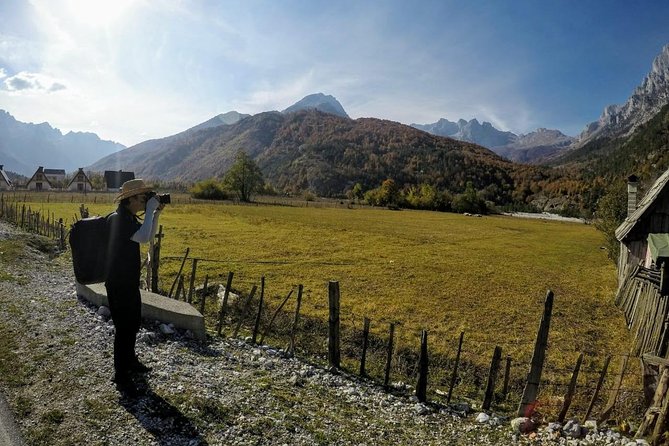
Theth is where this itinerary gets its emotional pull. The day’s walking starts with a hike toward the Blue Eye—created by erosion from melting snow, so the water comes from high up in the Albanian Alps.
Hiking to Blue Eye: stunning, cold, and time-dependent
The Blue Eye trail is described as easy to moderate, but that label depends on how you arrange your start point. The base route from the village area is about 18 km round trip with around 700m of elevation, and the hike time is roughly 3 hours one way. If you choose local transport from Theth Village to Nderlysaj (not included in the base package), the hike time becomes about 1 hour each way, with the transport costing roughly 5–7 euros per person.
The water temperature is listed around 5°C. So yes, you’ll see people talk about diving—but you’ll also understand why it’s such a question mark. Even if you don’t go in, the color and setting are the payoff.
Reconciliation Tower and the Old Church: quick culture stop with real meaning
After the hike, you head back to the village center for the Old Church and the “Lock in” Tower, a local symbol of Theth. The point isn’t to turn this into a museum day. It’s that small stop makes the hiking feel grounded in a place with history you can sense when you’re done climbing.
One more practical note: after a long hike to a cold pool, you’ll want a warm meal and a dry layer. Build that into your energy plan.
Valbona Pass to Valbona Valley: The Big Day That Earns Its Reputation
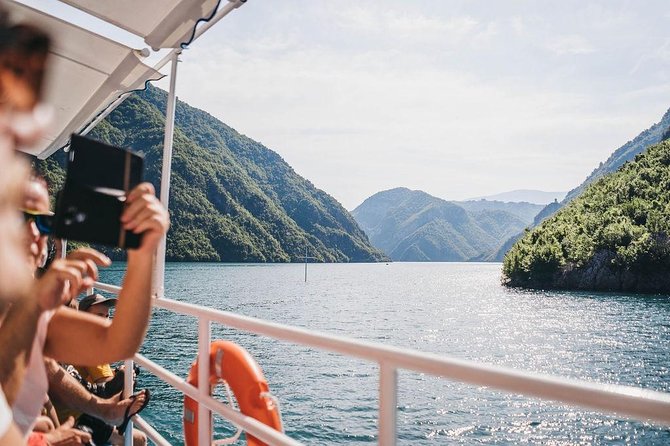
Day 3 is the intense highlight. You trek from Theth to Valbona over Valbona Pass, estimated at about 6 to 8 hours with around 1050m of elevation. This is remote terrain, and it’s the kind of day where your pace matters more than speed.
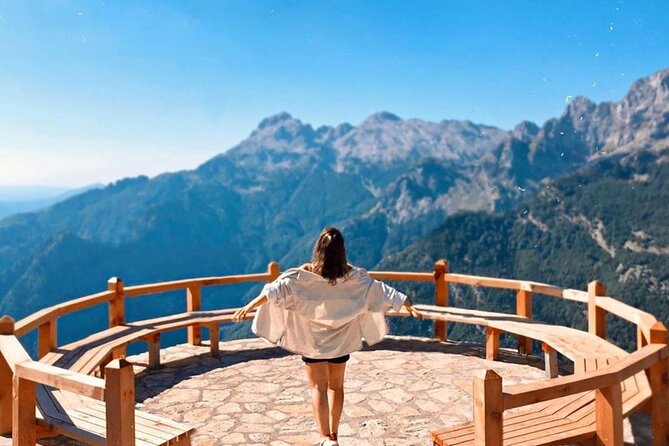
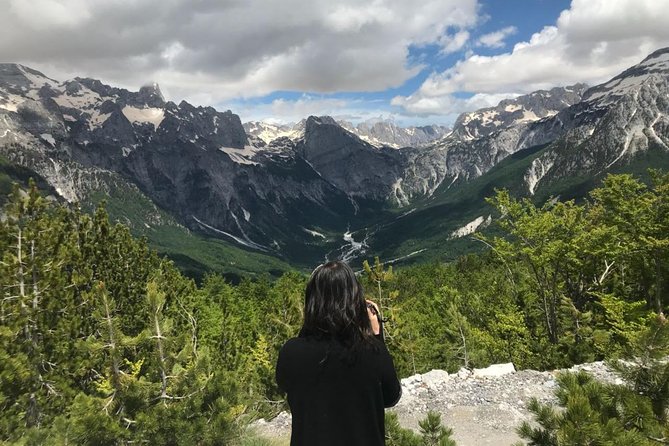
At the top, you get the big payoff: views toward the Peaks of the Balkans and the Accursed Mountains, and a real adrenaline moment described as a dramatic viewpoint that lets you see both sides of the valleys. It’s a short break opportunity—and a photo window—before you descend into Valbona Valley.
What I’d tell you: treat this as a “controlled effort” day. Start steady. Long climbs punish you if you go too hard early.
Valbona to Cerem: Forests, Meadows, and the Chance to Add Zla Kolate
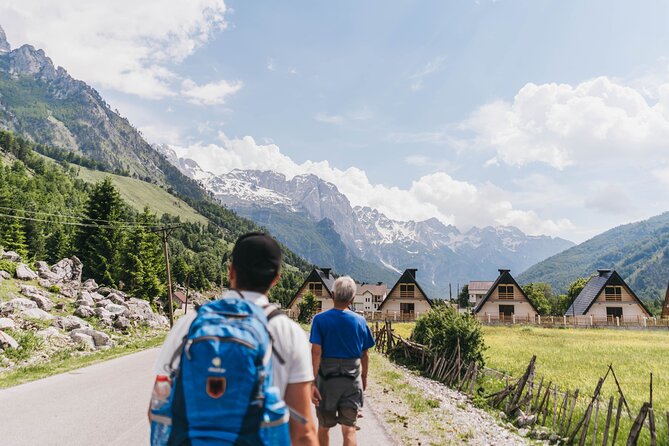
Day 4 keeps you hiking into higher, wilder terrain. The route moves through forests and meadows, with a canyon-like area where snow can linger even in summer.
Then there’s an optional extra: a hike to Zla Kolate peak, which adds about 3 more hours if you’re up for it. That option matters because it lets you tune the day to your fitness and mood. If you want the full summit experience, go for it. If you’ve already worked hard, you’ll still have major views without the extra climb.
You’ll arrive at shepherd’s huts in Cerem at around 1300m above sea level. The big detail here is the lack of civilization: no Wi-Fi, no electricity. In plain terms, it’s the kind of place where you’ll hear yourself think—and where the quality of food and hospitality becomes the main entertainment.
That simplicity is a strength, not a compromise, if you’re comfortable with basics.
Cerem to Doberdol: Bear Country, Lynx Survival, and Shepherd-Hut Evenings
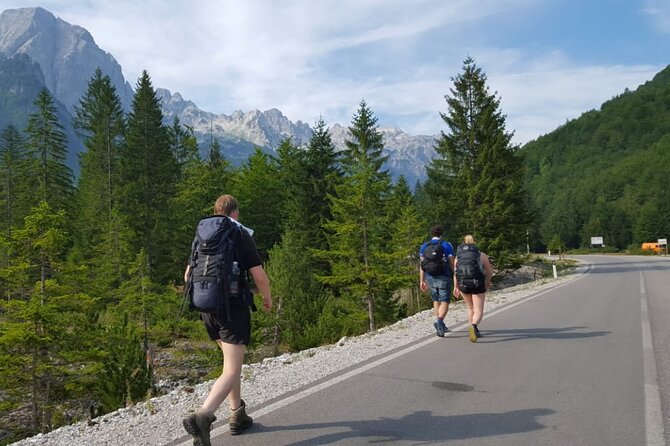
Day 5 is another long walking day, described at about 8 hours from Cerem toward Doberdol via a mule track. You pass through an area noted as Albania’s only national reserve, with brown bears and the last population of approximately 40 lynxes in the Balkans.
Even if you don’t spot wildlife, the walk through a protected reserve changes how you feel outdoors. You’re in a place managed for survival, not just tourism photos.
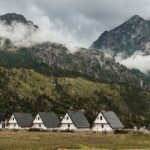
The highest point on this section is listed around 2100m. Doberdol itself is about 1800m above sea level, and again you’ll sleep in a shepherd hut village. These villages are populated during summer by shepherds, which means you’re likely stepping into the seasonal rhythm of the region rather than a permanent tourist outpost.
For food, the tour notes the option to enjoy coffee or other drinks at shepherd hut villages along the way. The meals you eat on the route are not guaranteed to be what you’re used to at home—so keep your expectations flexible.
Tromedja and the Border Zones: A Tripoint Moment in the High Country
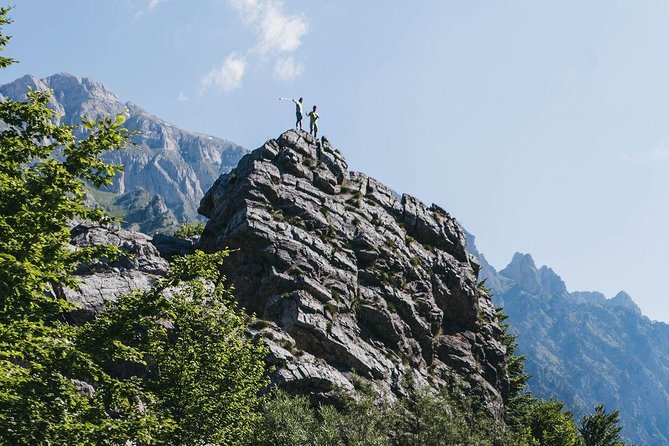
Days 6 and 7 sit in the borderlands between Kosovo and Montenegro. Day 6 begins with a climb to Tromedja Mountain, with a memorable description: at a point on the summit, you stand in Albania, Montenegro, and Kosovo at the same time. That’s not just geography trivia. It’s the kind of marker that makes the walking feel bigger than your own itinerary.
After the viewpoint, you continue following the border trail, described with views of endless meadows and Bogicevica National Park. You cross into Kosovo and keep walking through mountainous terrain. Then you descend to Roshkodol for overnight in a local guesthouse.
What matters practically: border trails in this region can mean changing terrain and constant attention to route and timing. That’s one reason the included assistance and company support are valuable. In the operator’s own feedback, named guides like Ergi and Redon show up for keeping people on track and managing day-to-day needs like rehydration and refueling.
If you’re worried about navigation, don’t be. Just remember: you still carry your own belongings, so keep your routine simple: water, snacks, and layers that match the climb.
Babino Polje to Plav and Lake Hrid: Alpine Water and a Legend
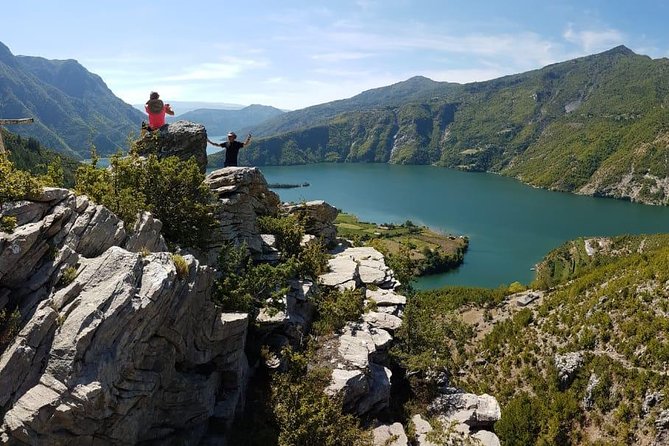
Day 8 brings you toward Plav with Lake Hrid as the emotional anchor. The hike from Babino Polje to Plav is described as moving through untouched forests and leading to Lake Hrid, noted as the most beautiful lake in Montenegro in the tour description.
Lake Hrid sits in a thick pine forest, and the setting is intentionally isolated. There’s a local legend that swimming in this alpine lake brings good health and good luck in marriage. Whether or not you take the story literally, the practical truth is that it’s a cool-down stop in a place that feels far from phones and noise.
You’ll get time at the lake (not just a quick look), with the lake visit included, and then continue to Plav for overnight.
Plav is a base town tucked between the Prokletije Mountains, part of the Dinaric Alps. You’ll get your first real sense of how the hiking route ties into a living community rather than only a trail system.
Vusanje to Talijanka: Grey Peaks, Dramatic Views, and One More Border Cut
Day 9 moves you to Vusanje after a long hike (about 7 hours), transitioning from dense forest sections into an alpine paradise of panoramic views across rugged valleys and expansive meadows. That shift is one of the subtle skills of this route: you don’t just “walk longer.” You walk through changing altitude and vegetation.
Day 10 then sends you to Talijanka peak (Mount Talijanka / Maja e Vajushes). Here you cross the border from Montenegro back to Albania. The description highlights the U-shaped Grbaje Valley and grey sharp peaks surrounding it, with Talijanka called one of the most beautiful peaks in the Balkan Peaks list.
You’ll also get views out to Lepushe Village in Albania and Lake Plav in Montenegro. Then you continue the hike back to Vuthaj.
This is a day where your weather sense matters. Grey peaks can mean fog or wind, and you’ll want layers that work. Bring them even if the morning seems mild.
Back to Theth via Vuthaj, Arapi, and Jezerca Views
Day 11 returns you to Theth through more dramatic terrain. From Vuthaj, you trek toward Theth and cross the border back to Albania. Along the way you’ll visit a hidden water place that’s hard to find on your own without knowing the exact spot.
You also pass near Arapi peak (2217m) and next to Jezerca Peak (2694m). You’ll spot multiple shepherd’s huts in the Albanian Alps, which reinforces the main theme of the trip: this is mountain life, not a theme park.
The day ends with overnight in a guest house in Theth.
Final Day: Qafa e Thores Zig-Zags into Tirana or Shkodra
On day 12 you start with that post-hike glow: waking up to mountain views and a little free time. Then you drive back through steep hillside terrain, including a zig-zag road down toward Qafa e Thores.
The route eventually smooths out toward Shkodra or Tirana. You’ll be dropped at the bus station, and from there you handle your own transfer to your hotel by bus or taxi (not included).
If you want a smooth ending, plan your return ride. You don’t want to be negotiating a last taxi with tired legs and sore calves.
Price, Value, and What You’ll Actually Spend
The price is listed at $1,186.10 per person for the 12-day program. That might sound high until you break down what’s being carried for you.
What’s included:
- shared accommodation for 11 nights in guesthouse/lodge-style rooms or shepherd huts
- airport pick-up/transfer in Tirana on day 1
- local transport for the route segments (including between Tirana/Shkodra and Theth, and Theth to the bus terminal on day 12)
- cross-border pass
- Choose Balkans Assistance and tourist taxes
- breakfast for 10 days
What’s not included (and where you should budget):
- lunches, dinners, drinks, and snacks
- the tour states one meal costs about 12–15 euros
- transfer from the bus terminal to your hotel on day 12
- other local transfers not mentioned
Also, private rooms are possible for an extra 40 euros per night per room based on availability. If you value sleep quality and privacy, this can be a smart upgrade—especially after longer hikes.
My practical take on value: the included structure saves you time and confusion across three countries and a trail route that’s not set up for easy independent logistics. If you’ve ever tried to stitch together border passes, rural transport, and small lodging on your own, you’ll feel why this costs what it costs.
Fitness, Packing, and Trail Realities (So You Don’t Get Beat Up)
This is a hike-first trip. The tour explicitly asks for strong physical fitness and some hiking experience. You’ll also carry your belongings during the trek, so the “pack light” advice isn’t a slogan.
Here’s how to prepare with what’s known:
- Start times are early, with a listed 5:00am start time and day 2 departures very early.
- Some hikes are longer and steeper than they sound on paper. Valbona Pass is about 1050m elevation over 6 to 8 hours.
- Blue Eye is easy to moderate, but distance can be substantial depending on whether you arrange local transport to shorten it.
- Cerem includes an optional 3-hour peak add-on to Zla Kolate, so you can overachieve if you’re having a good day.
- Weather matters. This experience requires good weather, and changes can be offered if the tour can’t run as planned.
Packing tip: bring layers and a rain plan. Mountain weather can shift quickly, especially around passes and peaks. Also bring a strategy for cold-water moments. You might not jump in the Blue Eye, but you will appreciate having dry socks afterward.
Who Should Book This (and Who Should Skip It)
This tour is a great match for you if:
- you want a multi-country hiking route without the burden of planning each transport segment
- you’re comfortable with basic lodging and simple mountain food
- you like long walks, strong views, and the feeling of distance from crowds
- you can handle early starts and steep climbs
You may want to rethink it if:
- you’re looking for mostly flat trails and short hikes
- you need modern comforts every night (Cerem is specifically described as no electricity and no Wi-Fi)
- you’re not comfortable carrying your bag for multiple days
Should You Book Peaks of the Balkans with Choose Balkans?
If you’re the type who gets excited by cold water at Blue Eye, pass views at Valbona, and a legend tied to Lake Hrid, then yes—you should book. The value is in the connected logistics, the included border pass, and the fact that you sleep in places that feel like the mountain’s own calendar.
My final advice is to be honest about your fitness. This isn’t a stroll between scenic spots. If you bring steady energy, light packing, and a flexible attitude about meals and basics, you’ll likely come away with the kind of trip you talk about for years.
And if you’re curious about how support shows up on the ground, look at the named help in past experiences—Daniel, Ergi, Redon, Brikena, Simra, and Anxhelo. That’s a sign the operator actually cares about the walking day, not just selling a route.
FAQ
How much hiking experience do I need?
The tour requires strong physical fitness and good physical condition, and it mentions that some routes like the Blue Eye walk are easy to moderate but still need some hiking experience. Expect long walking days and carry your belongings with you.
Are meals included or do I pay for them?
Lunches, dinners, drinks, and snacks are not included. The tour notes that one meal costs about 12–15 euros.
What kind of accommodation will I have during the trek?
You’ll have 11 nights in traditional and simple guesthouse or lodge-style accommodation, or shepherd’s huts. The description specifically notes that in Cerem there’s no Wi-Fi and no electricity.
Is there support for crossing borders between Albania, Montenegro, and Kosovo?
Yes. The tour includes a cross border pass, and it also includes Choose Balkans Assistance.
How do transfers work on the first and last days?
On day 1, there’s an airport pick-up/transfer to accommodation in Tirana. On day 12, you’re driven to a Tirana or Shkodra bus station; transfer from the bus terminal to your hotel is not included.
Can I upgrade to a private room?
Private rooms are possible for an extra 40 euros per night per room, based on availability.
What happens if the weather is bad?
The experience requires good weather. If it’s canceled due to poor weather, you’ll be offered a different date or a full refund.