REVIEW · SAMARKAND
The Golden City of Samarkand: A Self-Guided Audio Tour
Book on Viator →Bookable on Viator
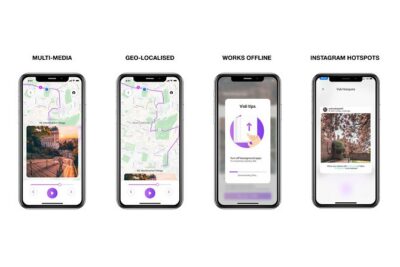
Samarkand’s sites start talking. A low-cost GPS audio walk turns big-name places like Registan into a slower, more personal experience, with folklore and practical context as you move. I also like that it’s offline-ready, so you’re not stuck hunting for signal in the middle of a historic neighborhood. One thing to keep in mind: the VoiceMap system can feel a bit fussy at the start until you find the exact place to begin and learn how to pause and restart.
What really makes this tour worth your attention is the pacing. The recordings are tied to GPS locations, so you can stop, look, and take photos without the pressure of a rigid group schedule. I also appreciate the mix of blockbuster architecture and everyday street life, including time at Siab Bazaar to see how locals shop and snack between monuments.
The main drawback is not the content. It’s the app experience: at first, you might spend a few minutes getting oriented to the correct starting point and figuring out controls. Once it clicks, the whole thing flows much better.
In This Review
- Key highlights worth your attention
- A simple, offline way to tour Samarkand
- Entering Shah-i-Zinda from the street (and understanding why it matters)
- Siab Bazaar: the market stop that gives Samarkand a pulse
- Bibi Khanym Mosque: Timur’s scale, India’s spoils, and the architect’s warning
- Registan: how to experience a “holy grail” square at your own speed
- Sher Dor: the photographer-friendly quirk near Ulugbek’s shadow
- Price and value: $6.99 for a lifetime-access audio guide
- Practical tips that make the GPS tour feel smooth
- Who this tour suits best (and who might prefer something else)
- Should you book The Golden City of Samarkand audio tour?
- FAQ
- How long is The Golden City of Samarkand self-guided audio tour?
- Does this tour work offline?
- What device do I need to use the tour?
- Where does the tour start and where does it end?
- Are tickets or museum entrance fees included?
- Is this a group tour with other people?
Key highlights worth your attention
- GPS-timed playback keeps the narration aligned with where you are, not just what time it is.
- Lifetime access means you can revisit Samarkand later without paying again.
- Offline maps and geodata let you follow the route even without connectivity.
- Registan and companion stops are explained with names, dates, and the bigger story behind the stones.
- Local chaikhana culture and bazaar stops add a human layer beyond sightseeing.
- Your pace, your pauses are a real plus, especially when sights are crowded.
A simple, offline way to tour Samarkand
If you like to wander but still want the facts (and a bit of legend), this format fits well. You load the VoiceMap app and then let the tour guide you by location. The big win here is offline access: audio, maps, and geodata are included, so you’re not relying on roaming data.
The tour is listed at about 1 hour, which is a sweet spot. It’s long enough to feel like you did more than a quick photo loop, but short enough to keep your feet from turning into complaints. It’s also private in the sense that it’s just your group using the audio at your own pace.
One more practical note: you’ll need your own smartphone. The tour doesn’t provide one, and that matters because all the offline audio and map guidance live on your device.
Entering Shah-i-Zinda from the street (and understanding why it matters)
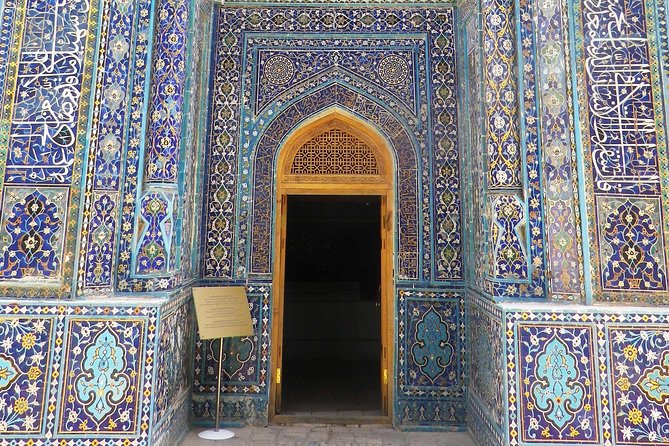
The walk starts on Shah-i-Zinda Street, at the complex known for its series of mausoleums. The narration focuses on details that most first-timers miss, like the way tiny doorways shape the visitor’s posture. The tour explains that bowing to Allah is built into the design, turning architecture into a kind of instruction.
I love that the stop doesn’t treat the complex like a museum display. It frames the place as a lived pilgrimage space, where those plain white graves are tied to gifts left by pilgrims. That small shift in perspective makes your photos feel less like trophies and more like evidence you stood in a place people still respect.
A potential wrinkle: this is a place where you may want to slow down and look carefully at entrances and transitions between mausoleums. If you rush, you’ll miss the story of the layout.
Siab Bazaar: the market stop that gives Samarkand a pulse
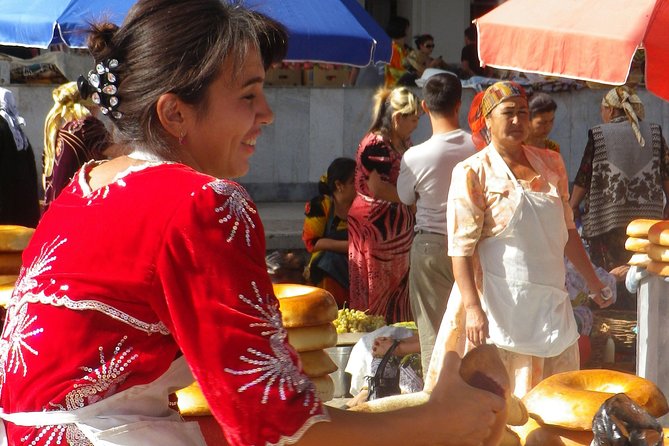
The tour then pivots to Siab Bazaar, and it’s one of the smartest choices in the whole route. The narration describes the roof as a two-tier structure with girders holding up a corrugated canopy above traders gathered under bleached gazebos and parasols. Even without a guide, that kind of visual description helps you understand what you’re seeing.
I like market stops in audio tours when they’re more than a quick glance. Here, the emphasis is on the fact that so much is available in one place, from everyday trading to a lively street scene. It’s also where the tour brings in the idea of local chaikhanas—Uzbek teahouses—so you’re not just walking through a bazaar, you’re imagining how people actually take breaks and socialize nearby.
If you’re visiting during hotter parts of the day, plan for shade and water breaks. Markets can be sun-heavy, and the tour format encourages you to linger.
Bibi Khanym Mosque: Timur’s scale, India’s spoils, and the architect’s warning
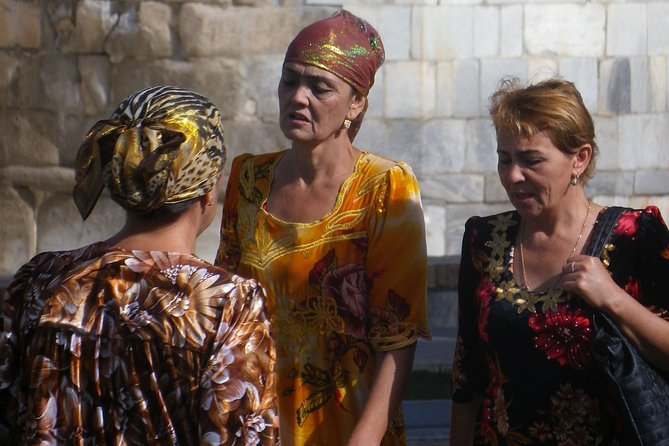
Next up is the Bibi Khanym Mosque, commissioned by Timur after his campaign in India in 1399. The audio connects that moment of conquest to what you see in front of you: the mosque was built using treasures plundered from the subcontinent. That context changes the way you read the building’s ambition.
The stop also points out tension in the story. It notes Timur ignored his architect’s advice and includes the idea that this disagreement is part of the mosque’s personality. I don’t need every technical detail to feel what that means: grand projects have tradeoffs, and history leaves marks.
Here’s where the audio tour helps you most. Instead of treating the mosque as only a pretty stop, you get a narrative about power, wealth, and decision-making that shaped the construction. If you’ve ever wondered why some monuments feel like monuments and others feel like statements, this is the place where you’ll sense the difference.
Registan: how to experience a “holy grail” square at your own speed
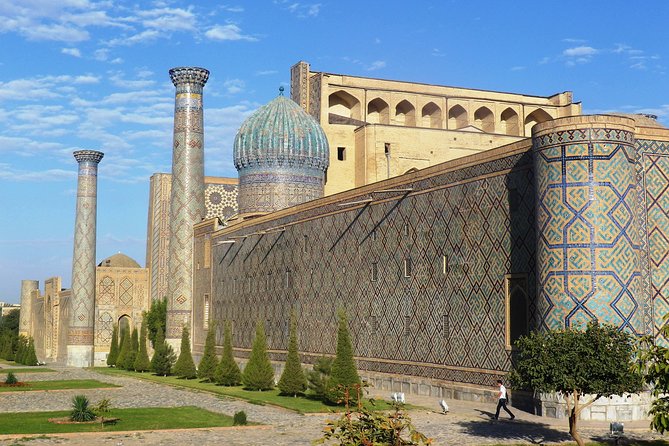
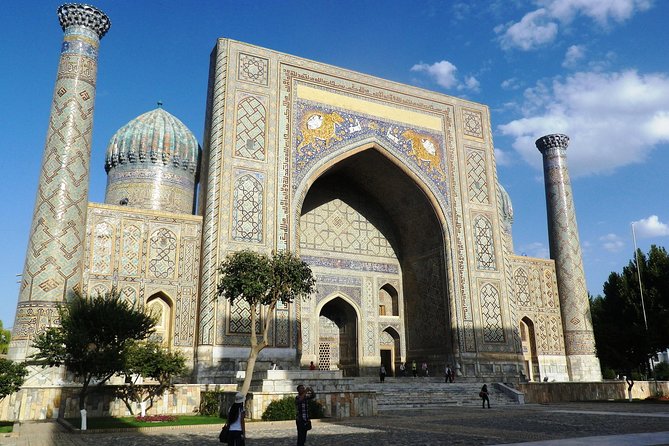
People often call Registan the holy grail of Uzbekistan sightseeing, and this route earns that label by giving you structure. The narration ties the square to the region’s intellectual life, including Al-Khorezm, the mathematician whose name echoes in modern terms. Even if you know little math history, hearing the connection while you stand in the square makes the architecture feel larger than itself.
What I like most is the pacing. Since the recordings are tied to GPS, you’re not forced to shuffle with a crowd at the wrong moment. You can step back to get the full composition, then move in for close details when you’re ready.
Real talk: Registan can get busy. The audio format helps because it gives you a reason to pause, not just a reason to move. If you can, try to watch the square change as you relocate around it.
Sher Dor: the photographer-friendly quirk near Ulugbek’s shadow
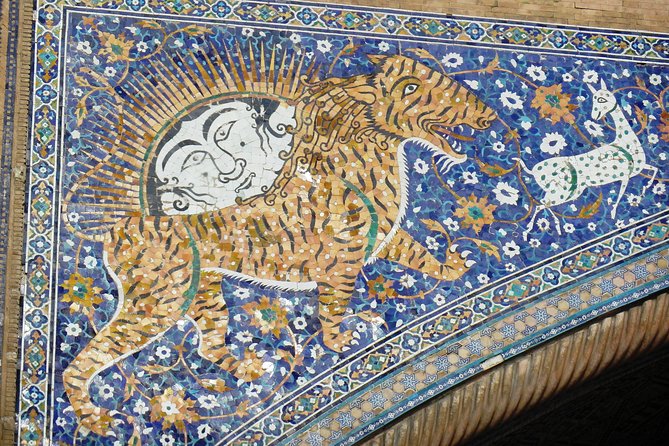
The tour includes Sher Dor, described as an imitation of the original Ulugbek Madrassa, but with a twist that makes it a favorite for photos. The narration also notes the mosque was completed in 1636 under Shaybanid Emir Yalangtu. Dates matter here, because they tell you this isn’t a single era of building—it’s a layered story.
I enjoy when an audio tour doesn’t just tell me what a building is. This one points out what makes Sher Dor different, which helps you look smarter. When you reach it, you’re not just scanning for symmetry; you’re hunting for the detail that photographers seem to chase.
One caution: if you’re the type who needs every building labeled perfectly, remember you’re self-guiding. Use the app’s guidance as your anchor, but don’t be surprised if you still want a quick check of your phone to confirm you’re looking at the exact face of the complex described.
Price and value: $6.99 for a lifetime-access audio guide

At $6.99 per person, this tour is priced like a snack, not like a formal guided day. The value isn’t only the audio either. You’re also paying for lifetime access, plus offline maps and geodata inside VoiceMap.
A lot of “cheap” audio tours fail because you spend more time dealing with your phone than learning something. Here, the concept is strong: GPS-timed recordings reduce the constant stop-and-go of guessing where you are. That matters in Samarkand, where monuments sit close together but not always in a straight line.
The main thing you’re buying, realistically, is time saved and context gained. If you do the whole route carefully in about an hour, you’ll feel like you got more than your money’s worth.
Practical tips that make the GPS tour feel smooth
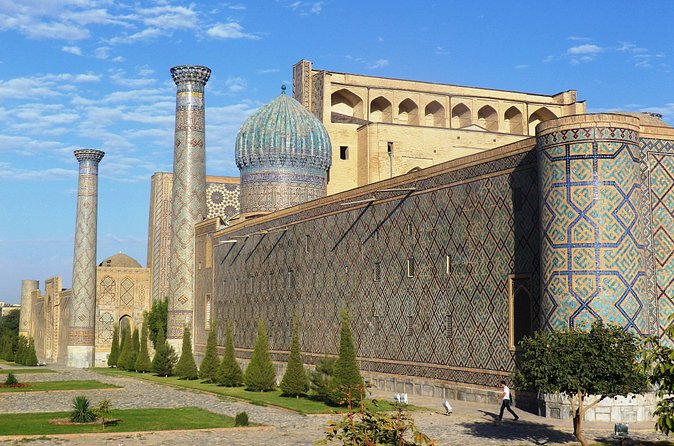
This experience works best when you treat it like a walk with a local narrator, not like a rigid checklist.
- Start at the right spot on Shah-i-Zinda Street. If you’re even a few steps off, the app’s GPS may not trigger what you expect.
- Expect a learning curve. The system can be a bit clunky at the beginning until you learn how to pause and resume.
- Use offline once you’re loaded. Plan to download or prepare before you lose signal.
- Give yourself room to linger. Since the narration is location-timed, you can pause for photos without feeling like you’re falling behind.
- Plan for your route to end near Tashkent Road. That matters if you’re trying to catch a bus or arrange a later stop.
Also, the experience is listed as near public transportation and available throughout the day. That makes it easier to slot in between other plans.
Who this tour suits best (and who might prefer something else)
This self-guided audio tour fits best if you like:
- architecture with stories, not just facts
- a route that mixes landmark sites with a market stop
- learning at your pace, including pausing when crowds get loud
It may be less ideal if you:
- want a human guide answering questions on the spot
- dislike any phone-based navigation or app setup
- need absolute simplicity from minute one
If you’re traveling with family or want a private, low-pressure way to move through Samarkand, the private setup helps. The tour also lists service animals as allowed and indicates most people can participate, which is reassuring for planning.
Should you book The Golden City of Samarkand audio tour?
Book it if you want a cost-effective, offline GPS-guided way to experience Samarkand’s top sights and at least one real-life market moment in about an hour. The combination of Registan-focused context, Shah-i-Zinda’s pilgrimage atmosphere, and the Siab Bazaar break is a smart balance. The lifetime access is the cherry on top—you’re not just paying for one afternoon.
I’d hesitate only if you know you’ll hate the app setup. If you’re the type who wants everything to work instantly, you might find the VoiceMap starting experience slightly annoying. Still, once you get past the initial orientation and learn how to pause and restart, the tour’s structure becomes one of its strengths.
FAQ
How long is The Golden City of Samarkand self-guided audio tour?
It’s listed at about 1 hour.
Does this tour work offline?
Yes. Offline access includes audio, maps, and geodata.
What device do I need to use the tour?
You need your own smartphone. The tour includes the VoiceMap application and offline content, but the phone is not included.
Where does the tour start and where does it end?
It starts on Shah-i-Zinda Street and ends on Tashkent Road (with the end point listed as Toshkent yo’li in Samarkand).
Are tickets or museum entrance fees included?
No. Tickets or entrance fees to museums or other attractions en route are not included.
Is this a group tour with other people?
It’s a private experience, meaning only your group participates.