REVIEW · TARRAGONA
Tarragona Walking Tour: An Audio Guide to Tarraco
Book on Viator →Operated by VoiceMap Audio Tours · Bookable on Viator
Roman Tarragona comes with a soundtrack. This self-guided GPS audio walk strings together standout views and major Roman stops, with offline audio and maps ready for the streets. I also like the pace control, so you can pause, look back, and keep moving when you feel like it. One small catch: you’ll need to bring your own smartphone and headphones to make it work.
I’m also drawn to the no-stress format. You get unlimited playback of the tour (before and after your booking), plus a virtual option if you want to preview the route from anywhere. It’s a great fit for an English-speaking walk, but don’t expect museum-entry tickets bundled into the price.
In This Review
- Key highlights to look forward to
- Starting at Balcón del Mediterráneo: setting your bearings
- Miracle Beach views, then straight into the Roman amphitheater
- The unfinished cathedral (since 1348): why the stop matters
- Chariot racing imagination at the Roman circus
- Artifacts and exhibits: where Tarraco’s story becomes tangible
- A medieval defensive tower: reading the walls after Rome
- The city gate walk-through: envisioning life beyond the walls
- The heart of ancient Tarraco: civic and social life
- The iron forge mogul’s palace: seeing the wealth side
- Ending at the Roman forum, then finishing at Mercat Central
- Price, pacing, and how to get your money’s worth
- Should you book this Tarragona audio walk?
- FAQ
- How long is the Tarragona Walking Tour?
- What language is the audio guide offered in?
- Where do I start and where does it end?
- Do I get audio and maps offline?
- Do I need a smartphone and headphones?
- Are entry fees included for museums or attractions?
- Can I cancel and get a full refund?
Key highlights to look forward to
- Offline-first audio and geodata so the route keeps working when signal drops
- GPS self-guided pacing that lets you linger at views and skip ahead when you want
- A full circuit through Tarraco with a logical start at Balcón del Mediterráneo and a finish near Mercat Central
- Narration that stays engaging without dragging on at each stop
- Real-world navigation support with maps and directions to help you start in the right spot
- A mix of Roman + medieval layers from an unfinished cathedral to a defensive tower and city gate
Starting at Balcón del Mediterráneo: setting your bearings
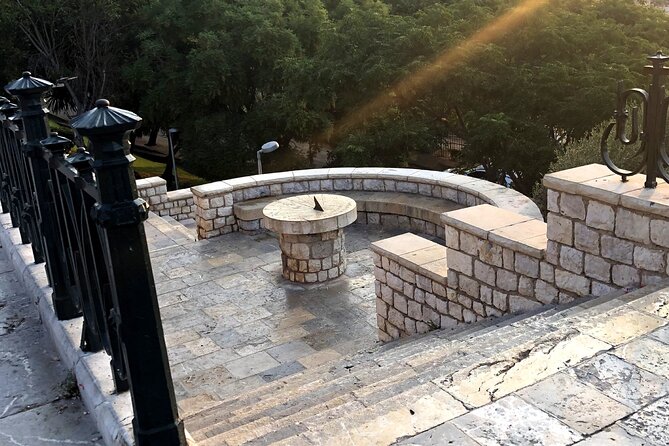
The tour kicks off at Balcón del Mediterráneo, Passeig de les Palmeres, s/n, 43004 Tarragona. The first thing I like about this start is that it gives you a view right away, so you’re not hunting for context. You get directions to the starting point, and once you’re there, the audio experience is ready to begin.
This is also a format where “finding the route” matters. You’ll be using a self-guided GPS tour, so it helps to bring a fully charged phone and keep it in airplane mode if you want to save battery. If your GPS struggles in tight lanes, the good news is that the route is designed to be followed with the on-screen guidance, and the walking circuit makes sense step by step.
One more practical note: because it’s a private activity for your group, you won’t have to match a larger crowd’s rhythm. That’s ideal if you like photos, short breaks, or moving at a slower walking pace.
You can also read our reviews of more tours and experiences in Tarragona.

Miracle Beach views, then straight into the Roman amphitheater
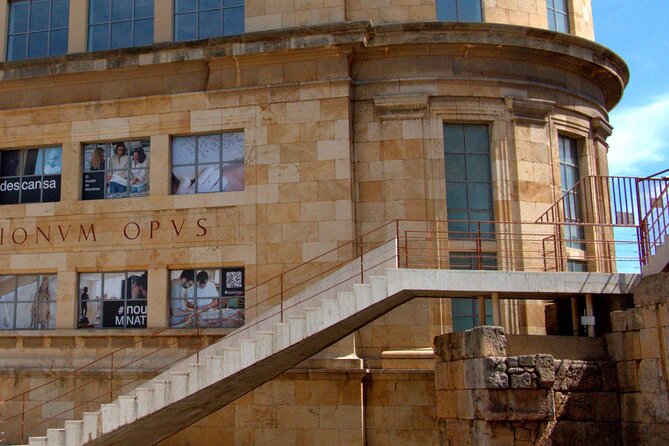
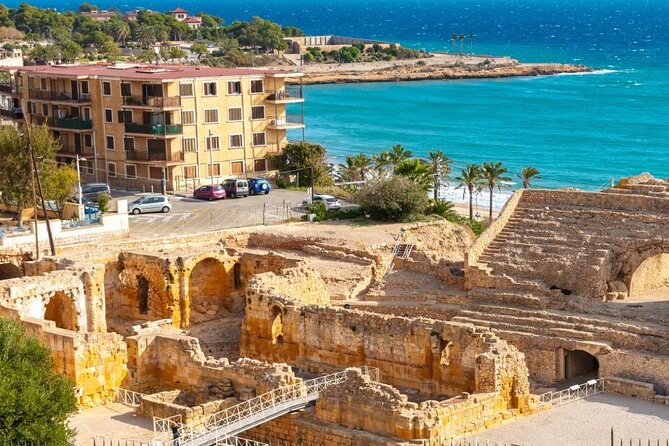
The first major stop spotlights breathtaking views overlooking Miracle Beach. This is a smart warm-up. Before you get into stone and dates, you get the big-picture feeling of Tarragona facing the sea. Use this moment to reset your senses and get oriented for the rest of the walk.
Then the route moves to the ancient Roman amphitheater. Here, the audio guides you to imagine the spectacles and events that once took place in the same space. This is the kind of narration that helps you “read” ruins instead of just passing them. You’re not stuck with a long lecture; you can listen in chunks and look around between segments.
A drawback to keep in mind: with audio-guided walking, your attention gets split between listening and watching your footing. Tarragona’s older streets can be uneven, and you’re going to be outdoors. So I’d treat this as an easy-to-moderate walking route and plan for a few slower moments where you concentrate on both the ground and the story.
The unfinished cathedral (since 1348): why the stop matters
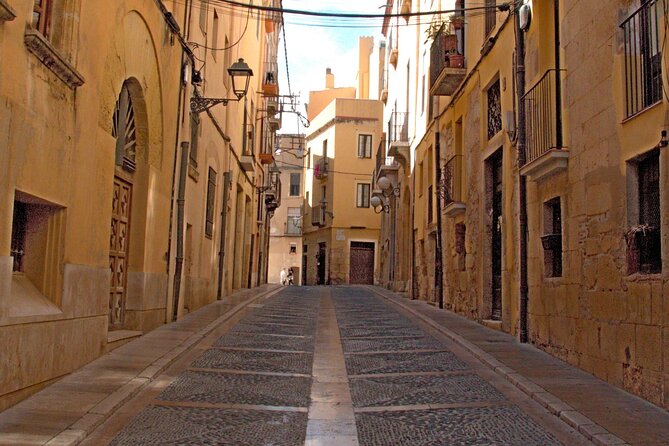
Next comes the unfinished cathedral, described as a symbol of Tarragona since 1348. Even if you’ve seen lots of churches, this one can feel different on site because it carries an ongoing story—unfinished, but still powerful in the skyline.
What I like in this kind of stop is that it adds contrast to the Roman portion of the walk. You start with a Mediterranean view and Roman entertainment, then you shift to a landmark that represents later eras and long timelines. The audio helps you understand why people keep pointing at it, instead of treating it as just another facade on the route.
Because you’re exploring at your own pace, you can spend time on whatever visually pulls you in. Some people will want to look at the structure from different angles; others will prefer to listen once and move on. Either way works here, because the tour is designed to be self-guided with audio tied to specific stops.
Chariot racing imagination at the Roman circus
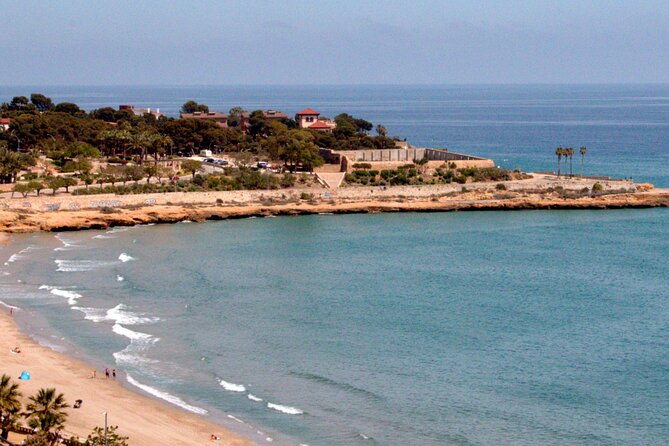
After the cathedral, you step into the world of Roman chariot racing at an iconic circus. The guide frames this as entertainment—one of those parts of Roman life where crowds, speed, and drama were the point.
This is a great audio stop because it benefits from your imagination. You can stand where the racing atmosphere would’ve lived, then listen to what happened there. Even without technical details, the audio cueing helps you connect the physical layout to the idea of competition and spectacle.
Practical tip: at this stage of the walk, your phone battery might be under pressure (audio + GPS). If you’re planning to take photos and wander a bit, it’s smart to lower screen brightness and let the audio run while you walk rather than constantly checking the map.
Artifacts and exhibits: where Tarraco’s story becomes tangible
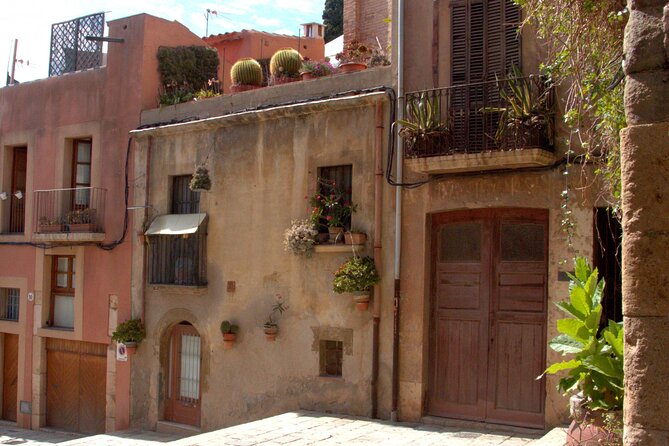
The route includes a stop where you can discover artifacts and exhibits tied to Tarragona’s ancient past and its role in Roman history. This is one of those segments where audio does more than explain—it helps you decide what to pay attention to once you’re in front of objects.
One thing to watch for: entry fees to museums or attractions mentioned en route are not included. That means you might face an extra decision on the day—either pay to access a specific exhibit space, or use the audio to learn from what you can see on site. The tour is still useful either way, but you should budget extra if you want to go inside every stop tied to artifacts.
If you like your information short and direct, this part is set up well. The overall approach keeps explanations engaging and not overly long, so you can take in the material and keep walking without feeling stuck in one spot.
A medieval defensive tower: reading the walls after Rome
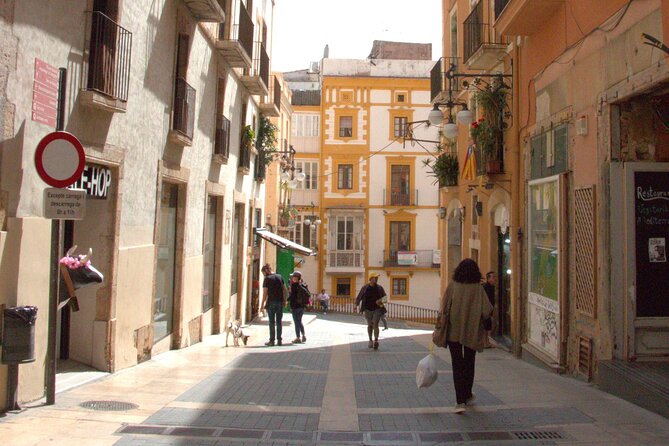
Then you get a historical tower that was once part of Tarragona’s defenses, with insights into its medieval era. This stop is valuable because it shows how layers of power and protection evolved after the Roman period. You’re no longer thinking only about arenas and forums; you’re thinking about control, safety, and the shape of the city.
For me, towers are easiest to understand when you slow down and look around from the base. The audio helps you connect the vertical structure to the idea of defense—less about decoration, more about function. And because it’s self-paced, you can spend time comparing lines, openings, and sightlines without rushing.
Also, since the tour is a walking circuit, you’ll likely feel the route “click” into place. Each stop is meant to be a chapter, and the tower is one of the key pages that bridges Roman ruins to later urban life.
The city gate walk-through: envisioning life beyond the walls
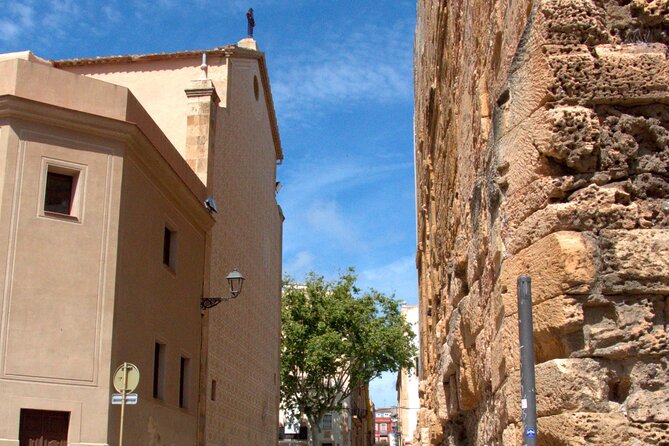
Next you pass through an ancient city gate and are invited to envision the bustling medieval life beyond the walls. This stop is less about a single artifact and more about perspective. When you move through a gate, you can feel the shift from inside to outside—who entered, who left, and what the city might’ve looked like day to day.
It’s also a great place to pause your pace. Audio walks can feel like you’re always moving, but gates naturally create a natural “stand here for a minute” moment. I’d take advantage of it and listen to the narration fully before you step on.
One caution: GPS in older districts can be imperfect. The guidance is designed to help, but narrow passages can confuse positioning. If the dot looks off, don’t panic—stay oriented using street shape and follow the direction cues. The route is meant to be understandable even when GPS takes a moment to catch up.
The heart of ancient Tarraco: civic and social life
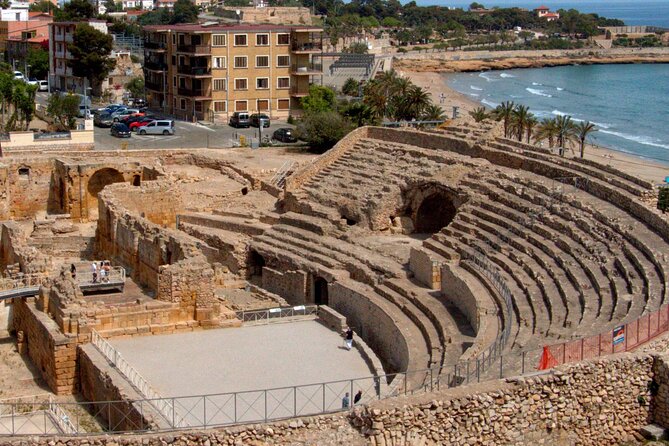
Now you move into the heart of ancient Tarraco, described as the place where important civic and social activities happened in Roman times. This is one of the big storytelling beats of the walk because it shifts from entertainment and landmarks into the everyday engine of the city.
When you listen here, think beyond spectacle. You’re being guided to see this as a social and civic space: places where people met, discussed, conducted business, and made decisions that affected daily life. This is where the tour’s structure pays off. You’ve toured entertainment, symbolism, and defenses—now you get the “how the city worked” angle.
A practical perk: because you can explore at your own pace, you can choose how long to stay in this kind of central-feeling area. If you want a faster rhythm, you can listen quickly and move along. If you prefer photos and a longer look, nothing forces you to keep moving.
The iron forge mogul’s palace: seeing the wealth side
One of the more surprising stops is the opulent palace of an iron forge mogul. It gives you a glimpse into affluent life during Tarragona’s history—another reminder that big Roman sites weren’t only about public arenas. Some areas reflected wealth, industry connections, and social standing.
This stop is a nice emotional change from the civic core. You go from the shared life of the city to something more personal and status-driven. The audio helps you understand what you’re looking at in a way that feels connected to people, not just buildings.
If you’re traveling with someone who loves architecture, this is a good segment to share. Even if the palace details don’t grab you instantly, the audio framing makes it easier to notice the differences between ordinary structures and this type of power-and-wealth statement.
Ending at the Roman forum, then finishing at Mercat Central
The tour ends with the Roman forum, reflecting its central role in governance and commerce in ancient Tarraco. This ending is satisfying because it’s a natural culmination of the themes you’ve been hearing: city organization, public space, and how trade and decisions intersected.
From there, the walk finishes at the Central Market of Tarragona (Mercat Central), Pl. de Corsini, 43001 Tarragona. This is a strong way to wrap the experience because it gives you a real-world reason to stop: you can grab a meal, snack, or drink right after the last audio segment.
One more helpful detail: the market’s listed hours show 12:00 AM to 11:59 PM for the date range provided. So it’s an option for late-day wandering too, assuming you’re there within that window and the market operation matches what’s listed.
Price, pacing, and how to get your money’s worth
The price is $14.99 per person, and for me the value comes from how flexible the format is. You’re not paying only for a set audio track. You’re paying for unlimited, lifetime use of the tour before and after your booking date, plus offline access to audio, maps, and geodata.
That means you can reuse it later. Maybe you want to revisit Tarraco without paying again, or you’d like to guide a friend on a future trip using the same route. This is one of the best parts of audio tours when they work well: they stay useful beyond one day.
The time window is about 3 to 4 hours. That’s a realistic chunk for a Roman-and-medieval circuit on foot, without turning into an all-day grind. It’s also long enough to get the “connected story” feeling, but short enough that you can still plan a second activity afterward.
A small reality check: you’ll need your own smartphone and headphones. That’s not unusual, but it’s essential. If you forget, the tour becomes just a walking route with no narration. Bring a backup charging option if you’re the kind of person who checks your phone screen a lot for photos.
Also, since this is offered in English, it’s an easy choice if you prefer to understand the details rather than rely on quick signage.
Finally, reservations are popular—this tour is booked on average 56 days in advance. If your dates are firm, don’t wait until the last minute. You don’t need to stress, but it’s wise.
Should you book this Tarragona audio walk?
I think you should book if you want a self-paced way to see major Tarraco highlights without the pressure of a group schedule. This route makes sense as a circuit, and the audio approach helps you connect Roman entertainment, medieval landmarks, and civic life into one walkable storyline.
You might skip or reconsider if you want a tour that includes museum entry fees. Since those aren’t included, you may decide not to enter every exhibit stop, or you’ll need to budget for add-ons. And if you don’t want to rely on your smartphone for navigation, this format may feel less comfortable than a live guided tour.
If you like wandering, pausing for views, and listening in your own rhythm, this is a strong buy for $14.99—especially because you keep it for the long term.
FAQ
How long is the Tarragona Walking Tour?
The tour runs about 3 to 4 hours.
What language is the audio guide offered in?
The experience is offered in English.
Where do I start and where does it end?
You start at Balcón del Mediterráneo, Passeig de les Palmeres, s/n, 43004 Tarragona, and it ends at the Central Market of Tarragona (Mercat Central), Pl. de Corsini, 43001 Tarragona.
Do I get audio and maps offline?
Yes. You get offline access to audio, maps, and geodata.
Do I need a smartphone and headphones?
Yes. The tour requires you to bring your smartphone and headphones.
Are entry fees included for museums or attractions?
No. Entry fees for museums or attractions mentioned along the way are not included.
Can I cancel and get a full refund?
Yes. You can cancel for a full refund if you cancel at least 24 hours before the experience start time.