REVIEW · SPICY S GEWURZMUSEUM
Spicy’s Gewürzmuseum Entry Ticket and Audio Guide
Book on GetYourGuide →Operated by Spicy's Gewürzmuseum · Bookable on GetYourGuide
Spices hit your nose fast. That’s the whole point at Spicy’s Gewürzmuseum in Hamburg: you don’t just look, you touch, smell, and taste your way through herbs and spices. I really like the mix of sensory tasting and an audio guide you can control on your phone, so learning fits your pace. One thing to keep in mind: it isn’t suitable for wheelchair users, so plan accordingly.
This is a compact, focused 1.5-hour visit, built around an original storage building and a collection of over 900 exhibits spanning centuries of spice history and production. I also like that the “learn” part doesn’t stay theoretical—there are examples of how spices go from cultivation to finished product using antique equipment and machinery. The main drawback is practical: you’ll want a fully charged smartphone, because the experience depends on using the audio guide app.
If you’re curious about how kitchen herbs, spice seeds, and classic spices differ, this is an easy, good-value outing. And if you’ve ever worried that museum spices might smell weak, the tasting approach helps you understand what’s still aromatic—and why strong and subtle notes both matter.
In This Review
- Key Highlights You’ll Actually Feel on Arrival
- Spicy’s Gewürzmuseum in Hamburg: What the 1.5 Hours Feels Like
- Voucher to Headphones: Your Quick Start Before the Clock Runs
- Original Storage Building and the 50+ Spices You Can Smell and Touch
- Audio Guide on Your Phone: Learn Without Waiting for a Group
- Pepper Samples, Gummy Bears, and the Taster Table Rules
- 900+ Exhibits and Antique Spice-Making Machines: From Seed to Jar
- Who This Works Best For (and Who Might Skip It)
- Value Check: Is the $8 Ticket Worth It?
- Should You Book Spicy’s Gewürzmuseum Ticket With Audio Guide?
- FAQ
- How long is the Spicy’s Gewürzmuseum entry ticket experience?
- What’s included with the ticket?
- Do I need to bring anything with me?
- Where do I exchange my voucher?
- What languages are available for the audio guide?
- Is this experience suitable for wheelchair users?
Key Highlights You’ll Actually Feel on Arrival
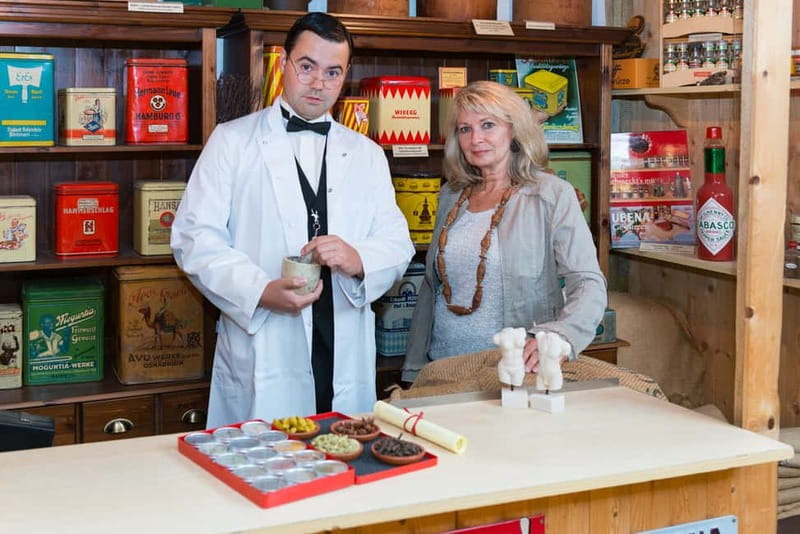
- Touch-and-smell tasting across more than 50 spices on interactive displays
- Phone or tablet audio guide in German, English, and French
- Original storage building setting for the museum’s exhibits
- Taster tables with samples presented in containers and clay bowls
- Included pepper spice sample for adults and gummy bears for children
- Antique production equipment showing spices from cultivation to finished product
Spicy’s Gewürzmuseum in Hamburg: What the 1.5 Hours Feels Like
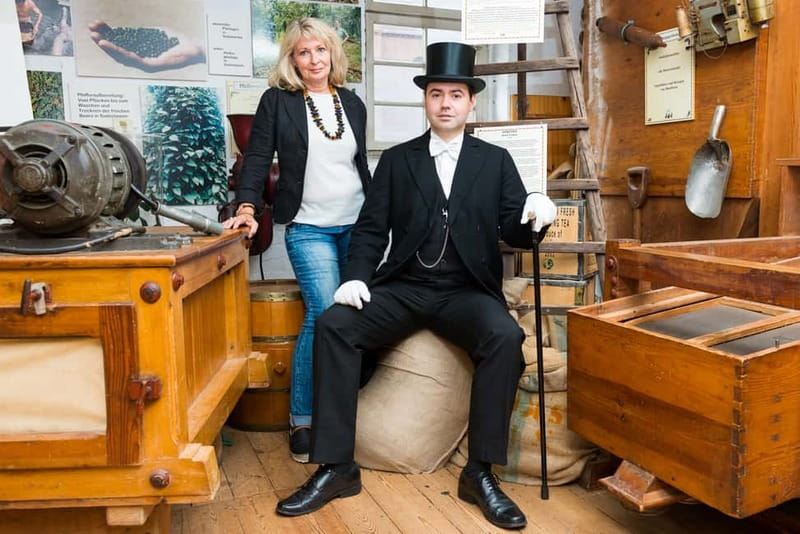
I like museums where the rules are simple and you can move at a real walking pace. Here, the visit is set for about 1.5 hours, which means you get enough time to enjoy the interactive spice area without feeling rushed. You’ll focus on a fairly tight route through themed displays, guided by the audio track instead of a live group tour.
The overall vibe is practical and sensory. You’ll be close to the exhibits, often using your hands, nose, and sometimes your tongue—so bring your curiosity more than your patience.
Because it’s a spice-focused museum, you’ll also notice how quickly aromas change. Some scents hit immediately, while others build. That’s part of what you’re learning.
Voucher to Headphones: Your Quick Start Before the Clock Runs
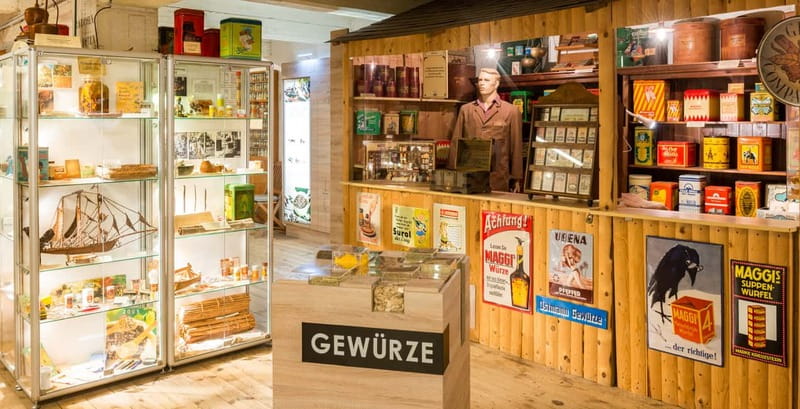
You start by exchanging your voucher at the ticket counter at Spicy’s Gewürzmuseum before you go in. That exchange matters because the museum runs on a “get your audio ready, then start exploring” rhythm.
Next, plan to use your charged smartphone. The audio guide is accessible via an app on your phone or tablet, and it’s included with your ticket. If your battery is low, you’ll spend your visit searching for outlets instead of learning spice stories.
The easiest way to enjoy this experience is to arrive with a clear 90 minutes in your schedule. Since it’s not described as a guided tour with a group leader moving everyone together, you’ll get the most out of it by controlling your own timing.
Original Storage Building and the 50+ Spices You Can Smell and Touch
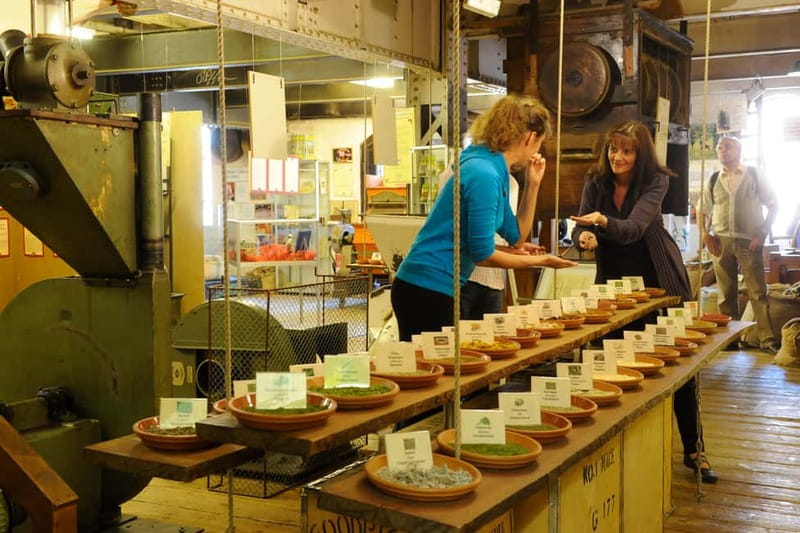
One of my favorite parts of this museum’s setup is that it’s generously built on an original storage floor. That matters because the space feels like a working, functional home for goods—not a blank white room. It supports the “spices as trade” idea, which shows up again and again in the exhibits.
You’ll encounter more than 50 spices through displays designed for touch and smell. This is where the museum stops being just educational text and becomes a real practice session for your senses. For many spices, the difference between “recognizing the name” and “recognizing the aroma” is huge, and that’s exactly what you’re training here.
You’ll also learn about kitchen herbs, spice seeds, and classic spices, with items partly presented in containers and partly arranged at taster tables. The clay bowls and small presentation format make it easier to focus on one scent at a time. That reduces the “everything blends together” problem you get in larger, noisier exhibits.
Audio Guide on Your Phone: Learn Without Waiting for a Group
I like the audio guide format because it lets you move like a serious museum visitor, not like you’re stuck in a line. The guide is included, downloadable, and accessible in the app on your phone or tablet. Languages listed are German, English, and French, so you can pick what fits you best.
The audio guide is also the best way to connect what you’re touching to what you’re hearing. As you walk between herbs and spice seeds and the pepper-focused tasting area, the audio helps you connect the scent to what it’s used for and where it fits in the broader spice story.
Since the museum experience is built around sensory stations, the audio guide helps you understand what you’re noticing. Instead of just smelling things, you learn the production logic behind what you’re smelling.
Pepper Samples, Gummy Bears, and the Taster Table Rules
This ticket isn’t only for adults. You’ll get a pepper spice sample for adults, and children receive gummy bears. That’s a thoughtful setup because it keeps the visit moving for families—kids can participate without needing to “power through” spice notes that might not land for them yet.
The tasting part centers on you using your nose first, then—where allowed—trying samples. You’ll come across pepper spice samples and other tasting options presented at taster tables, including spices in clay bowls. It’s built to help you compare differences in smell and intensity, not just to check a box.
One practical note: because aromas build quickly, give yourself short resets. If you smell three strong spices back-to-back, your nose will get tired. I’d treat it like wine tasting—one station, a small pause, then move on.
There’s also a hint of a take-home feel. One visitor noted that some spices can be taken along, which can make the visit feel more useful after you leave—especially if you want to remember a scent you liked.
900+ Exhibits and Antique Spice-Making Machines: From Seed to Jar
This is where the museum earns its seriousness. You’re looking at over 900 exhibits, with a focus on spice history across the last five centuries. That’s not just a timeline. It’s presented as a practical chain: how spices are cultivated, processed, and turned into finished products.
The museum also shows the entire production process for a variety of international spices. You’ll see antique equipment and machinery used in the production journey. If you like old tools, this part is especially rewarding. It turns “spices have a supply chain” into something tangible.
A useful way to think about this for your visit: the tasting stations teach you how spices behave as aromas, and the machinery displays explain how those aromas become products. Put together, you start to understand why pepper, herbs, and spice seeds aren’t interchangeable flavors.
You’ll also notice how the museum presents spices as both local and international. The audio guide and display themes help you connect kitchen seasoning to trade routes and different culinary traditions without making it feel like trivia.
Who This Works Best For (and Who Might Skip It)
This is an easy win if you fall into any of these categories:
- You like hands-on museums where your senses lead
- You cook, garden herbs, or want to understand spice basics
- You travel with kids and want a place that won’t feel too abstract
- You enjoy audio guides that give context while you walk
I’d think twice if you’re a strict “no smelling required” visitor. The museum is built on tasting and scent, so even if you don’t go all-in on samples, the aromas are part of the atmosphere. Also, it’s not suitable for wheelchair users, so plan an alternative if that matters for your group.
If you’re worried the spices in a museum setting might smell weak, here’s a practical mindset: fresh intensity isn’t the only goal. Even subtle notes can teach you. The tasting approach is designed to show what different strengths and scent profiles can still communicate.
Value Check: Is the $8 Ticket Worth It?
At $8 per person for about 1.5 hours, this ticket is strong value if you’re the kind of traveler who likes learning by doing. You’re paying for multiple things in one package: entry, an audio guide app experience, and included tasting elements (pepper for adults and gummy bears for children).
The big value driver is the combination of sensory access and guided explanation. Many small museums either show objects behind glass or give you a generic audio loop. Here, the experience is meant to be active—touch and smell stations, taster tables, plus an audio guide that keeps you from guessing what you’re looking at.
Another value boost is scale. With more than 50 touch-and-smell spices and 900+ exhibits, you’re not stuck with a tiny display. It gives you options for what to focus on, which helps if your group has different interests.
Should You Book Spicy’s Gewürzmuseum Ticket With Audio Guide?
Book it if you want a compact, flavorful experience that uses your senses and keeps you moving. The phone audio guide is a great fit when you like to pause, rewind, and read the world through your own pace. The tasting parts and family-friendly extras make it easier to keep everyone interested.
Skip or choose something else if your priorities are mainly outdoor sights or large-scale city landmarks. This museum doesn’t compete with that. It competes with attention, aromas, and hands-on learning.
If you have a smartphone that stays charged and you’re okay with a not-wheelchair-friendly venue, this is a very practical stop in Northern Germany—especially if you want something memorable that still feels educational after you’ve left the building.
FAQ
How long is the Spicy’s Gewürzmuseum entry ticket experience?
The duration is listed as 1.5 hours.
What’s included with the ticket?
The ticket includes entry, a pepper spice sample for adults, gummy bears for children, and a downloadable audio guide.
Do I need to bring anything with me?
Yes. You should bring a charged smartphone, since the audio guide is accessed through an app.
Where do I exchange my voucher?
You must exchange your voucher at the ticket counter at Spicy’s Gewürzmuseum before the experience begins.
What languages are available for the audio guide?
The audio guide is available in German, English, and French.
Is this experience suitable for wheelchair users?
No. It is listed as not suitable for wheelchair users.