REVIEW · TOMATO INDUSTRIAL MUSEUM
Santorini: Tomato Museum Admission Ticket with Audio Guide
Book on GetYourGuide →Operated by Tomato Industrial Museum "D.Nomikos" · Bookable on GetYourGuide
Some trips feel like looking at things. This one feels like time-travel by way of tomato factories. I love that you get an audio guide and can move through the site at your own pace, and I also love the cherry-sized tomato tasting plus the chance to buy products made from it. The only drawback to consider is that it is not a live, back-and-forth guided tour, so you’ll get the most out of it if you enjoy self-guided storytelling.
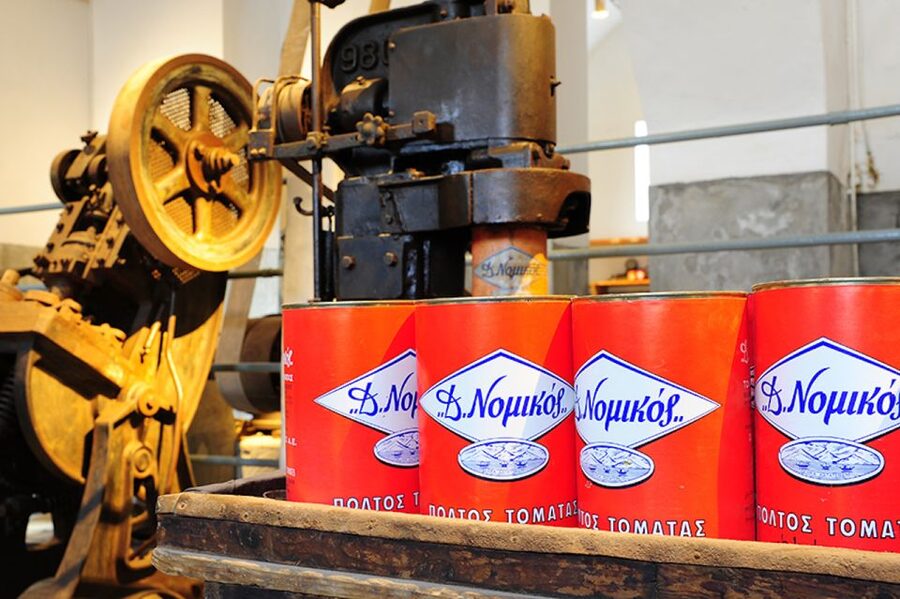
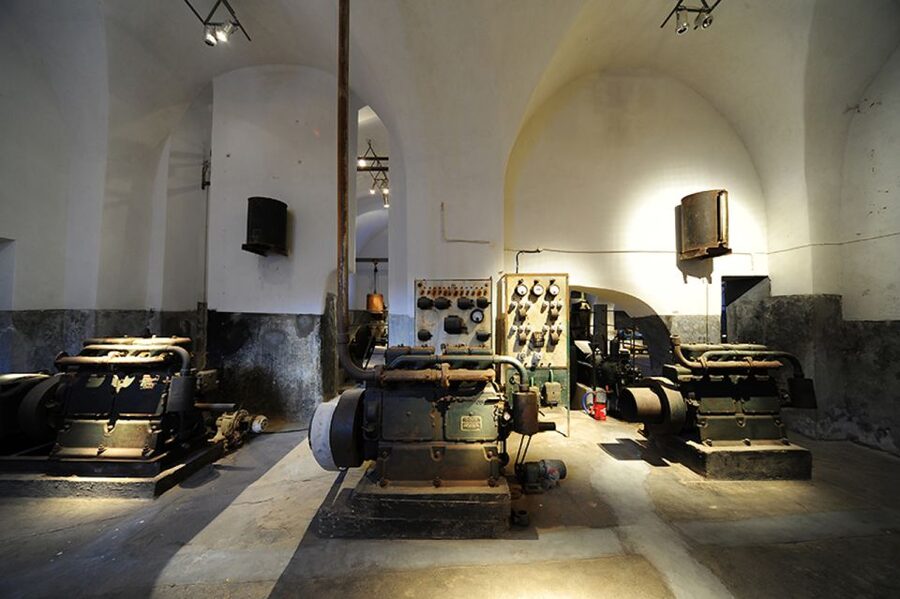
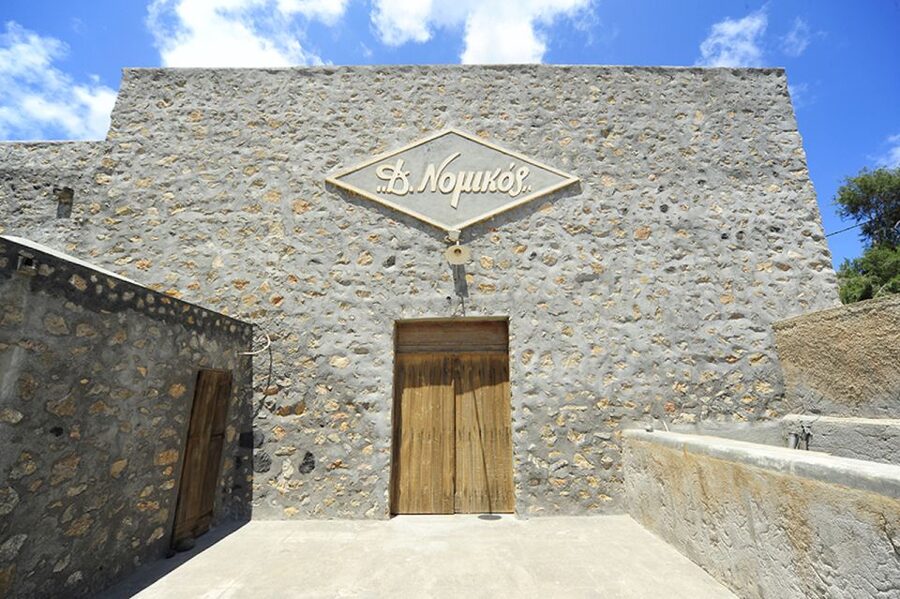
You’ll visit the old industrial tomato factory of D. Nomikos in Vlychada, focused on how Santorini’s famous cherry tomato became a big deal at the end of the 19th century. The complex is set up in clear areas, with exhibits ranging from processing machinery to video-style material from former factory workers. Go in with headphones ready, because the audio guide is the heart of the experience.
If you’re short on time on Santorini, this is a smart add-on. The ticket is modest for what you get, and it’s easy to fit between other plans around Fira.
In This Review
- Key Things to Know Before You Go
- Why the Tomato Industrial Museum Feels Different Than a Typical Museum
- Getting There From Fira: Taxi or the Every-2-Hours Bus
- Start With the Audio Guide: How to Use It Without Feeling Rushed
- Inside the Complex: The 3 Areas That Turn the Tomato Into a Story
- Area 1: Cultivation and Early Methods
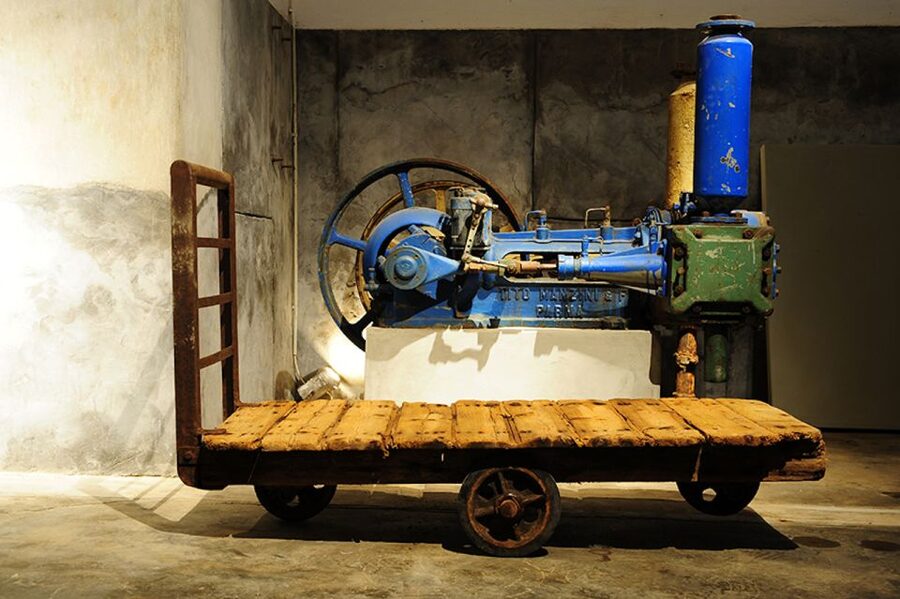
- Area 2: Processing and Factory Machinery
- Area 3: Production, Workers, and Audio-Visual Stories
- The Tasting Moment: How Santorini Cherry Tomatoes Earn Their Reputation
- Museum Shop: Turning Your Experience Into Something You Can Eat Later
- Value and Timing: Is $14 Worth It for a Day Trip?
- What I’d Watch Out For Before Booking
- Should You Book the Santorini Tomato Museum Ticket?
- FAQ
- Where is the Tomato Industrial Museum in Santorini?
- How can I get there from Fira?
- What’s included with the admission ticket?
- What languages are available on the audio guide?
- Do I need to bring anything?
- Can I buy products made with the Santorini tomato?
- Is the museum wheelchair accessible?
Key Things to Know Before You Go
- Audio guide in 5 languages lets you explore at your own speed and return to what interests you most
- 3 big areas of the complex help you follow the story from growing to processing to production
- Tomato tasting gives you a real sense of why Santorini cherry tomatoes have a distinctive flavor
- Factory-era exhibits include machinery and audiovisual material from former workers
- Museum shop access means you can take home products made with the local tomato
Why the Tomato Industrial Museum Feels Different Than a Typical Museum

Santorini is famous for white villages and sunsets. But this museum flips the script and focuses on something practical: industrial-scale tomato production on a Greek island. You get to see how an everyday crop became a local identity, long before it was a tourist “thing.”
I like that the museum is built around a clear theme instead of scattered rooms. You’re basically walking through the tomato’s life cycle, then finishing with tasting and buying options. And because the audio guide drives most of the experience, you can spend extra time where you care most.
A heads-up: if you want a live expert to answer questions as you go, this isn’t that kind of visit. The audio guide is excellent, but it’s still self-guided.
Getting There From Fira: Taxi or the Every-2-Hours Bus
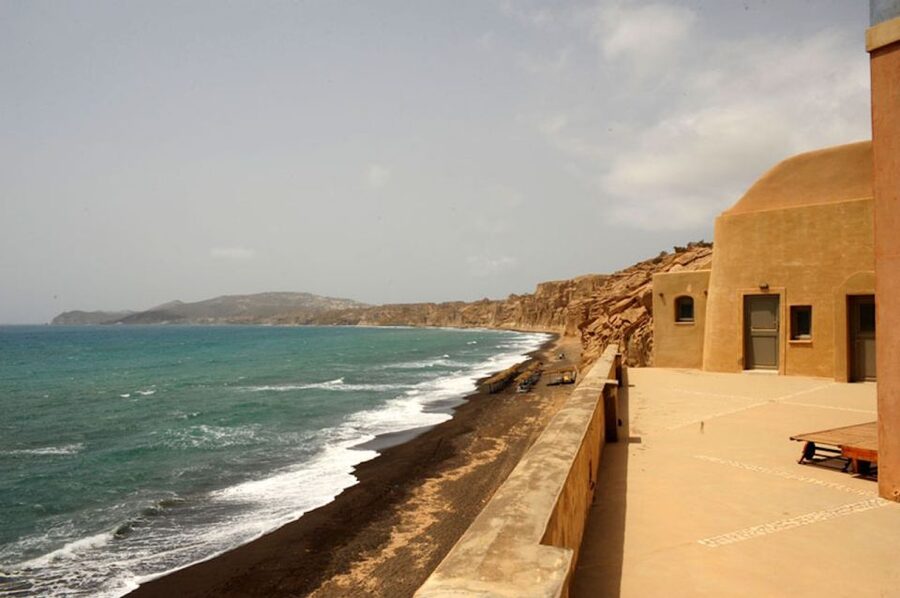
The meeting point is at the Tomato Industrial Museum, D. Nomikos in Vlychada. From Fira, you can reach it by taxi or by public bus, which runs every 2 hours.
For most people, the best strategy is simple:
- If your day is packed or you hate waiting, take a taxi and protect your schedule.
- If you like saving money and you don’t mind working around the bus timing, use the bus and plan your other stops accordingly.
Because the bus runs on a set rhythm, give yourself buffer time. Santorini days can move fast, and you don’t want the last leg to scramble your pacing.
Start With the Audio Guide: How to Use It Without Feeling Rushed
You’ll enter with an admission ticket and a handheld audio guide device. The guide covers multiple languages—English, French, German, Italian, and Greek—so you can match it to your comfort level right away.
Bring headphones, because the audio guide depends on you having a way to listen clearly. Also, don’t treat this as a “grab it and go” museum. The audio guide is how the story stays connected as you move between areas.
Here’s what works well in practice: listen first to get the big picture, then pause to look closely at exhibits (especially machinery). The site is set up so you can return to parts you care about. That’s the advantage of audio-guided pacing.
Inside the Complex: The 3 Areas That Turn the Tomato Into a Story
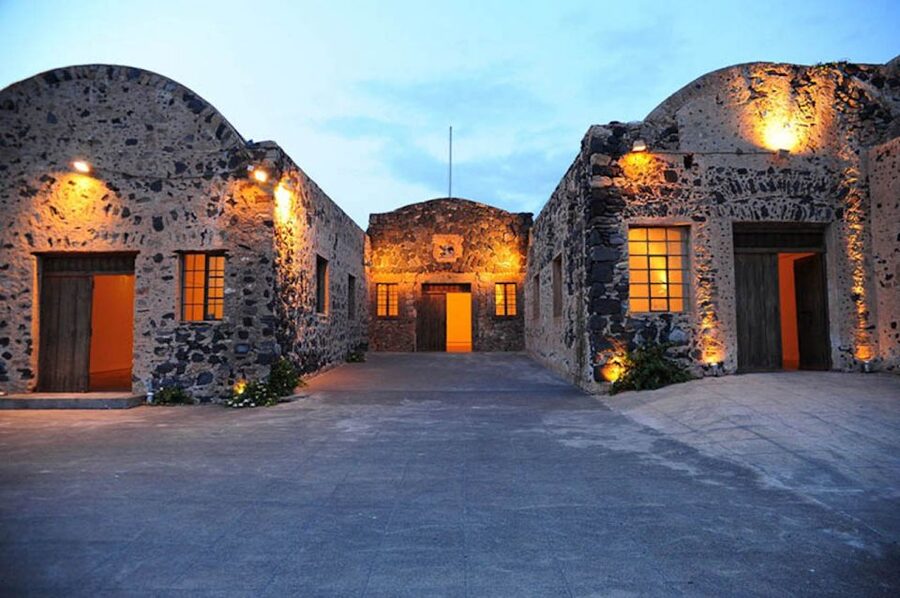
The museum complex is arranged into three large areas, and you explore them at your own pace. The overall arc is about Santorini cherry tomatoes—how they were cultivated, then processed, then produced as an industrial product.
Area 1: Cultivation and Early Methods
This starting section sets the stage. You’ll learn how the tomato was cultivated on the island since the end of the 19th century, plus what traditional methods looked like.
Why this matters: the museum isn’t just showing machines. It’s showing why the tomato mattered in the first place. If you’ve ever wondered why certain foods develop strong regional identity, this section gives you a grounded answer.
You can expect exhibits that explain the process and help you connect farming decisions to what later happens in the factory.
Area 2: Processing and Factory Machinery
Next comes the industrial side—processing, equipment, and the physical world of production. This is where the museum feels most “hands-on” as a concept, even though you’re not touching the machinery.
You’ll see processing-related exhibits and learn how the production line worked. The goal isn’t to overwhelm you with technical details. It’s to show what industrial tomato production looked like in the past and why the process required planning.
If you like industrial design, old tools, or how food moves from farm to factory, this is where you’ll probably slow down.
Area 3: Production, Workers, and Audio-Visual Stories
In the final area, you get more of the human side of the factory era. The museum includes audiovisual material of former factory workers, sharing firsthand experiences from a bygone industrial time.
This section is valuable because it adds context. A factory isn’t just a sequence of steps. It’s people, routines, and work culture. When you pair these worker stories with the machinery exhibits, you understand the museum’s theme as something real, not just an object collection.
I also appreciate that you can spend time here even if you’re not a total tomato nerd. The worker materials make the history feel practical.
The Tasting Moment: How Santorini Cherry Tomatoes Earn Their Reputation
The tasting experience is one of the best reasons to go. The museum is built around the cherry-sized sweet tomato, and you get to try it so the exhibits become more meaningful.
This is the kind of stop that helps your brain connect “information” to “taste.” After you’ve walked through cultivation and processing, sampling the tomato gives you a direct payoff. And if you’re thinking about taking something home, you’ll be able to choose based on flavor rather than just curiosity.
If you’re visiting with kids, this tasting can also make the museum feel more like an activity than a lesson. The overall pacing is friendly, so families can do it without turning the day into a test of patience.
Museum Shop: Turning Your Experience Into Something You Can Eat Later
Once you’re done exploring, you can visit the product boutique. The museum shop sells different items made using the Santorini tomato, so it’s not just souvenirs.
I like this part because it’s optional but useful. If you enjoyed the tasting, the shop is an easy next step. If you’re unsure, you can browse without pressure and let your own taste preferences decide.
Tip: if you’re trying to pack light, plan which items you can realistically carry. The value comes from products that actually connect back to what you learned and tasted.
Value and Timing: Is $14 Worth It for a Day Trip?
At about $14 per person, this ticket is priced like a solid add-on rather than a big full-day attraction. For that money, you get admission to the complex plus an audio guide device (in five languages) and access to the museum shop.
Here’s why I think it’s good value:
- You’re getting a complete story experience, not just a room full of objects.
- The audio guide adds structure, so you don’t need a live guide to make it meaningful.
- The tasting and shop access make the visit feel like it ends with something real.
Duration is listed as 1 day, and you’ll use the audio guide to move at your own pace within the complex. In practice, that usually means you can fit it into a day without sacrificing your whole schedule, as long as you build in time for the different areas and the tasting.
Who should go:
- Food lovers who want more than restaurant reviews
- People who like local industry and how products are made
- Families looking for a museum that doesn’t feel too heavy
- Anyone staying around Fira and wanting a practical, memorable detour
What I’d Watch Out For Before Booking
Even though this experience is straightforward, there are a couple things that can shape your enjoyment.
First, it’s self-guided. That’s great for pacing, but it means you should lean into the audio guide and take your time reading what’s in front of you.
Second, plan around transport. With the bus every 2 hours from Fira, your time windows matter. If you’re the type who wants zero schedule tension, a taxi can keep your day smooth.
Finally, bring headphones. It sounds basic, but without them you’ll miss the main feature of the museum.
Should You Book the Santorini Tomato Museum Ticket?
I’d book it if you want a Santorini experience that’s less postcard and more “how things are made.” For the price, you get a structured self-guided visit, a real tasting moment, and a chance to shop tomato products that actually connect to the theme.
Skip it (or rethink) if you strongly prefer live commentary or if you’re not interested in food production history at all. This works best when you’re curious about local products and you’re happy using an audio guide as your main storyteller.
If your time is limited, this is also an efficient choice. It’s focused, it’s easy to fit into a day, and it ends with something you can taste and take home.
FAQ
Where is the Tomato Industrial Museum in Santorini?
The meeting point is the Tomato Industrial Museum at D. Nomikos in Vlychada.
How can I get there from Fira?
You can reach the museum from Fira by taxi or by public bus. The public bus connection runs every 2 hours.
What’s included with the admission ticket?
The ticket includes admission to the complex, an audio guide device, and access to the museum shop.
What languages are available on the audio guide?
The audio guide device is available in English, French, German, Italian, and Greek.
Do I need to bring anything?
Yes. You should bring headphones so you can listen to the audio guide.
Can I buy products made with the Santorini tomato?
Yes. You can access the product boutique and buy different tomato-based items in the museum shop.
Is the museum wheelchair accessible?
Yes, the experience is listed as wheelchair accessible.