REVIEW · HONOLULU
Pearl Harbor Aviation Museum Ticket with Audio Tour and Shuttle
Book on Viator →Operated by Pearl Harbor Aviation Museum · Bookable on Viator
Ford Island weighs on your mind fast.
I like how this visit lets you stand in two WWII survivor hangars and hunt for bullet holes up close, and I also like the audio tour that turns the aircraft collection into a story you can follow at your own speed. One key consideration: people sometimes book the museum by mistake when they meant the USS Arizona experience, so double-check what you’re actually reserving.
I also love that you get a “not just planes” day: there’s WWII attack footage, a short documentary called East, Wind, Rain, and plenty of context on the Pacific war. My only heads-up is practical—this can easily run long in the sun and between hangars, so plan water and good walking shoes.
You’ll start at 9:00 am, use a mobile ticket, and ride a complimentary shuttle to Ford Island. Then you’ll spend the day working through aircraft inside Hangar 37 and Hangar 79, plus the museum’s MiG Alley displays and more.
In This Review
- Key highlights I’d plan around
- Ford Island survivor hangars: Hangar 37 and Hangar 79
- Your $29.99 ticket: shuttle, priority entry, and the audio headset
- What you’ll see first: WWII aircraft, hangar details, and the attack footage
- MiG Alley and the Cold War turn: fighters beyond WWII
- The documentary stop and how the audio tour guides your pacing
- Inside details that make it memorable: veterans, cockpit moments, and the control area
- Food, souvenirs, and comfort tips on Ford Island
- What’s not included (and what that means for your day)
- Who this fits best (and who might want a different plan)
- Should you book: quick decision guide
- FAQ
- How long does the Pearl Harbor Aviation Museum experience last?
- What does the ticket include?
- What audio tour languages are available?
- Where is the museum located?
- Is there a shuttle included?
- What time does the experience start?
- What’s not included with the ticket?
- Is there food on site?
- Are there age limits for children?
- Can I cancel and get a refund?
Key highlights I’d plan around
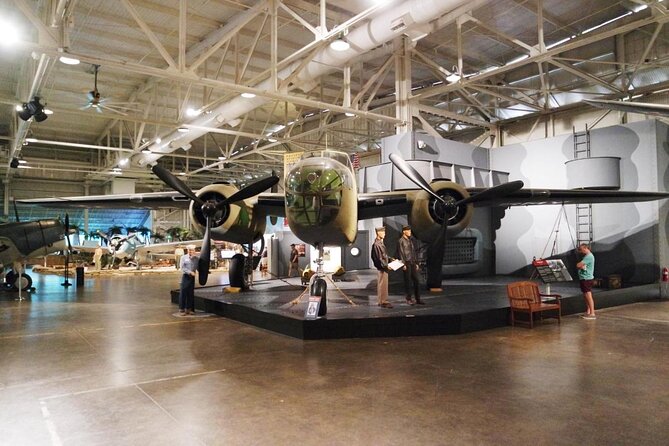
- Hangar 37 and Hangar 79: two former seaplane hangars that survived December 7, 1941
- Bullet holes: look for marks from the attack as you move through the exhibits
- MiG Alley: Korean War fighter planes in a dedicated section
- Battle of Midway: you’ll get the story as you check out the dive bomber displays
- Audio headset in 6 languages: English plus Spanish, Japanese, French, Korean, and Mandarin
- Priority entrance plus shuttle: skip much of the waiting, then move straight into the hangars
Ford Island survivor hangars: Hangar 37 and Hangar 79
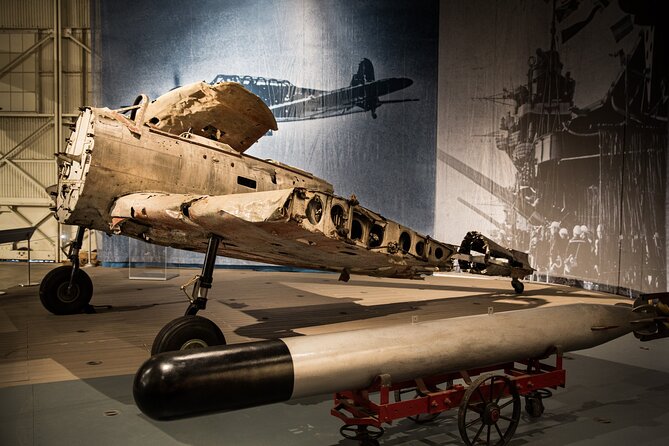
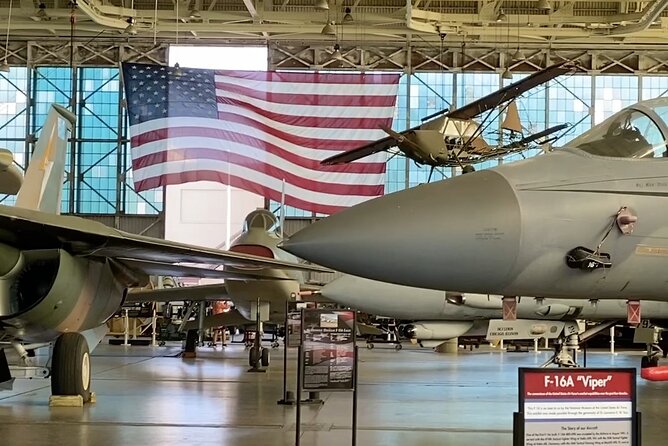
This museum is built into a place with memory. The collection lives inside two WWII-era seaplane hangars on Ford Island—Hangar 37 and Hangar 79—that survived the attack on December 7, 1941. When you walk in, it feels less like a big warehouse and more like evidence you can circle and study.
I like that the aircraft displays are not tucked away in generic exhibit rooms. You move through long hangar spaces and start spotting the physical clues—like the bullet holes—that connect the aircraft to what happened here in 1941.
If you only have one shot at Pearl Harbor area history, this is a strong way to do it because you’re not relying solely on boards and artifacts behind glass. You’re seeing the planes in the kind of building they were meant to be in—hangar-shaped, not gallery-shaped.
Your $29.99 ticket: shuttle, priority entry, and the audio headset
The price is $29.99 per person, and you should think of it as paying for three things: getting onto Ford Island easily, getting into the museum with priority entrance, and having an audio tour headset included.
You’ll also get access to more than 70 years of Pacific aviation history, and the ticket is provided as a mobile ticket. When you arrive, pick up your audio headset at the front desk (it’s available in English, Spanish, Japanese, French, Korean, and Mandarin).
The shuttle is part of the deal: it runs to and from Ford Island. That matters because Ford Island is an operating military-adjacent area, so having the transport handled for you cuts down on stress and timing games.
One more small but real value point: the ticket approach fits your style. If you want to move fast, you can. If you want to slow down and read more around specific aircraft, the audio tour keeps you from feeling lost.
What you’ll see first: WWII aircraft, hangar details, and the attack footage
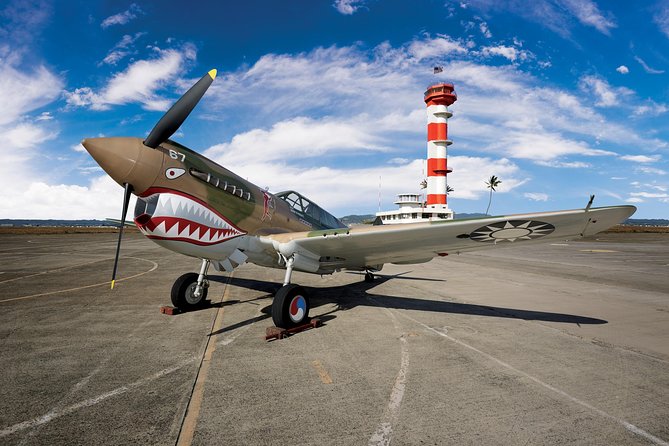
Your visit starts with general admission to the Pacific Aviation Museum Pearl Harbor, and then you work inside the WWII hangars. Plan to spend real time here because this museum doesn’t just show aircraft—it shows aircraft in context, including what they were built to do and what they endured.
In the early part of your self-guided route, you’ll find the museum’s film showing actual footage of the December 7, 1941 attack, narrated by Pearl Harbor survivors. Seeing that footage as part of a room full of aircraft hits harder than watching it on a screen somewhere else.
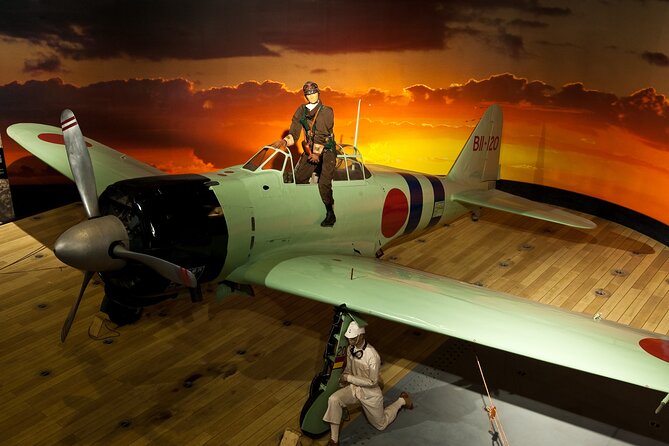
From there, you’ll transition from the attack story to the aircraft that represent the wider fight in the Pacific. That’s one reason I like this museum: the aircraft aren’t floating in a vacuum. They’re tied to decisions, raids, defenses, and losses, which makes the models and restored planes feel more grounded.
MiG Alley and the Cold War turn: fighters beyond WWII
After you’ve soaked in the WWII hangars, the museum expands your timeline. Look for MiG Alley, where you can see fighter planes from the Korean War.
This is one of the better parts of the day if you’ve ever felt Pearl Harbor history getting stuck in 1941 forever. Here, you get aircraft linked to later conflicts, so the museum reads more like Pacific aviation history than a single-day memorial.
You’ll also run into displays connected to the Battle of Midway as you check out dive bomber exhibits. The museum doesn’t treat this as an abstract chapter; it links the aircraft and their roles to the story of the battle.
If you care about aviation design and how airframes evolved, this “beyond 1941” shift is exactly where your brain starts clicking.
The documentary stop and how the audio tour guides your pacing
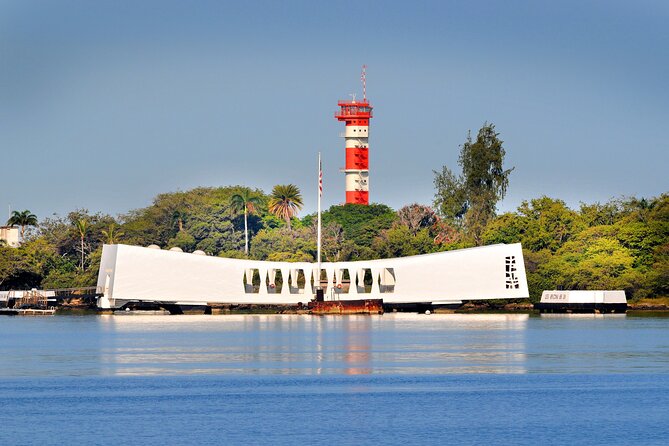
Along the route, you’ll have the option to watch the short documentary East, Wind, Rain. It’s one of those short films that helps stitch together what you’re seeing—planes, hangar spaces, and the human timeline behind them.
The audio tour is included with each ticket and is available in multiple languages. You’ll get the headset when you enter, and then you can follow the guided narration as you move through the exhibits.
I like that the format is self-guided. It means you’re not forced to keep up with a group pace that’s too fast for reading or too slow for people who want photos and close looks. If you’re the type who tends to “power through” museums, the audio tour helps you slow down at the right spots without losing your momentum.
Typical visit length is listed as about 9 hours. In practice, it’s best to treat that as a “start early and you won’t be rushed” window. Use the audio tour to set your rhythm, and don’t feel bad about circling back once you realize which aircraft you care about most.
Inside details that make it memorable: veterans, cockpit moments, and the control area
There’s a human side here that can make the experience feel more alive than you expect. In past visits, people have highlighted conversations with volunteer veterans and the stories shared behind specific aircraft displays.
You may also run into immersive-style exhibit moments, including a control tower video and an opportunity to sit in a cockpit display for an F111. Those aren’t the kind of details you can guarantee in advance, but they’re the sort of “how did they even fit in there?” moments that stick.
Also, pay attention to the way the museum connects aircraft roles to the people who flew them. When you see the planes and then hear the narration tied to their missions, it makes the technical details easier to understand.
One extra angle I appreciate: the museum includes material about the wider war effort, and some displays focus on contributions connected to Disney-created wartime work. That’s a reminder that the Pacific war wasn’t only fought with aircraft—it was fought with information, morale, art, and communication too.
Food, souvenirs, and comfort tips on Ford Island
You’ll find a museum store for gifts and souvenirs. If shopping is part of your plan, set aside time after you’ve done the hangar circuit so you’re not doing it with tired feet.
For food, there’s a Hangar Café on site. The ticket includes access to the museum and the audio headset, but restaurant costs are not included. Still, having an on-site place to grab a meal or drink is a big advantage on a long day.
Comfort matters on Ford Island. It can be warm while you’re walking around the aircraft spaces outside and inside hangar transitions. I’d treat this like a “bring water and wear a hat” outing. One practical detail from a prior visit: you may need to store bags at the entrance for a fee of about $8. If you can travel light, you’ll save time and avoid extra handling.
Also, start with a simple mindset: you’re going to spend hours moving. Comfortable shoes are not optional here.
What’s not included (and what that means for your day)
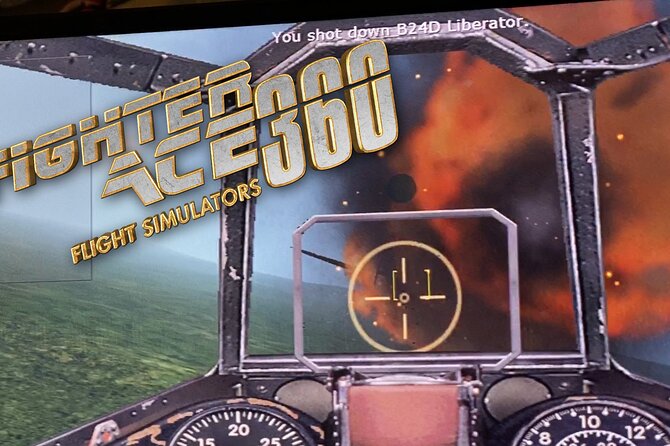
The ticket includes the audio headset and museum admission plus shuttle and priority entrance. It does not include restaurant meals, shopping purchases, combat flight simulators, or the Top of the Tower tour.
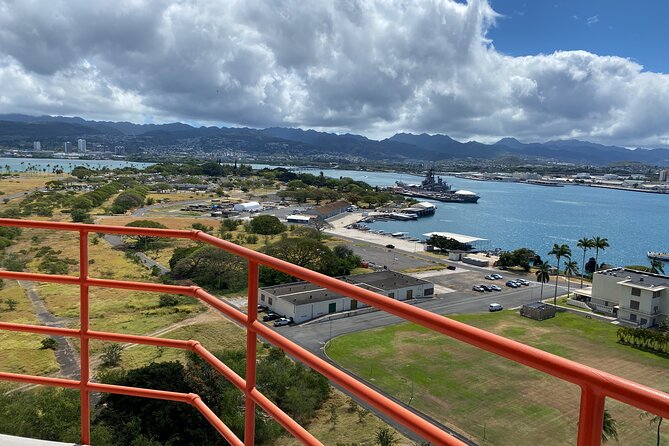
That’s not a problem—you can still have a full day—but it changes how you should plan if you’re chasing specific add-ons. If you’re hoping for tower views, treat the tower visit as something you might need to book separately or arrive with in mind, since it isn’t listed as included.
Similarly, if combat flight simulators are a must for your group, you’ll want to plan that cost separately. The core value of the ticket is aircraft access in the hangars, the audio tour, and the shuttle.
Who this fits best (and who might want a different plan)
This museum is a great fit for anyone who likes aircraft, military aviation, or Pacific War history—and especially for people who want something more than a single memorial stop. The hangar setting and the bullet-hole details make it feel physical, not just educational.
It’s also a good option if you want structure without a strict guided schedule. With the headset in your language, you can explore at your own speed and spend longer on the aircraft that grab you.
If you only want one “iconic Pearl Harbor moment,” make sure you’re choosing the right experience. This museum is aircraft-focused, while the USS Arizona area has a different emotional and historical centerpiece.
Should you book: quick decision guide
Book it if you want a long, aircraft-focused history day on Ford Island, with priority entrance, an audio headset in multiple languages, and a shuttle that keeps you from stressing about transport. The hangar survivor setting, the WWII attack footage, and MiG Alley together make this more than a one-note stop.
Skip it or pair it differently if you’re mainly chasing the USS Arizona experience, or if you know you want simulator time and tower access and you don’t want to add extra steps. Still, even then, you’ll likely appreciate the aircraft collection—just plan the rest of your day with the missing add-ons in mind.
If you can, arrive with enough time to be warm, to walk, and to stop whenever a plane model or story catches your eye. This is the kind of museum where taking your time is part of the payoff.
FAQ
How long does the Pearl Harbor Aviation Museum experience last?
It’s listed at about 9 hours.
What does the ticket include?
Your ticket includes admission, an audio tour headset (available in select languages), and complimentary shuttle service to and from Ford Island.
What audio tour languages are available?
The audio tour is available in English, Spanish, Japanese, French, Korean, and Mandarin.
Where is the museum located?
It’s on Ford Island in Honolulu, with exhibits inside Hangar 37 and Hangar 79.
Is there a shuttle included?
Yes. The shuttle is complimentary and runs to and from Ford Island.
What time does the experience start?
Start time is listed as 9:00 am.
What’s not included with the ticket?
Restaurant meals, shopping purchases, combat flight simulators, and the Top of the Tower tour are not included.
Is there food on site?
There is a Hangar Café on site, but restaurant costs are not included.
Are there age limits for children?
Children must be accompanied by an adult. Children under 4 years old are free.
Can I cancel and get a refund?
Yes. You can cancel up to 24 hours in advance for a full refund.