Old Nessebar feels like a choose-your-own-holiday. This self-guided audio walk lets you explore UNESCO streets at your pace, with audio history and a map built for wandering, not herding. I like that you can start when you want and pause as often as you need, and I also like that the route targets specific sights like Church of St. Sofia and Church of St. Stephen. One thing to consider: it is not a live guide in the way a group tour is, so you need your phone to work smoothly.
What makes this worth your attention is the freedom. You get an electronic guide you can load on every device, plus an audio guide in English, Russian, or Bulgarian, with explanations focused on the old town’s structures and churches. It is easy to fit into a short visit too, with timing that can be as quick as about an hour depending on how much you linger. The possible drawback is that tech and language quality can vary, especially if you expect German text to be perfect or if map links do not load.
For people who like to walk and read at the same speed they eat, this setup is a strong value. The price is $22.11 per person, and what you are really paying for is independence: no set itinerary, no memorized chatter, and no pressure to keep moving. If you want a back-and-forth conversation, though, you may find a self-guided format less satisfying.
In This Review
- Key things to know before you go
- What You Actually Get: Audio, Map Pins, and a Route That Works on Your Schedule
- Your Best Time Plan: How Long You Need and When to Start
- Start in Staria Grad: Meeting Point and the Simple Way Back
- Byzantine Fortifications and Baths: What the Audio Adds Beyond a Lonely Stroll
- The Church of St. Sofia Ruins: A Major 5th-Century Anchor
- The Church of St. Stephen: 11th-Century History at Walking Distance
- How the Route Feels in Real Life: Flexible, but You Own the Pace
- Price and Value: What $22.11 Buys You (and What It Doesn’t)
- Tech and Language: English, Russian, Bulgarian, and Possible Hiccups
- Who This Self-Guided Tour Suits Best
- Getting the Most From It: How to Walk the Route Like You Mean It
- Should You Book the Old Nessebar Self-Guided Tour?
- FAQ
- What language is the audio guide available in?
- Do I have to follow a fixed itinerary?
- Where do I start the tour?
- Where does the tour end?
- How long does the tour take?
- Is there an entrance fee included?
- What is included in the price?
- Is this a private tour?
- Is service animal access allowed?
- When can I start the tour?
Key things to know before you go
- Self-paced route: Start anytime in the opening window and pause whenever you like
- Audio + live-style mapping: Listen on the spot and follow Google map dropped pins
- Targeted church stops: Built around major ruins and Byzantine-era landmarks
- Quick visit possible: You can likely do it in about an hour if you move efficiently
- Support is included: You have access to support staff specifically for you
What You Actually Get: Audio, Map Pins, and a Route That Works on Your Schedule
This experience is built around one simple idea: you should spend your energy looking at Old Nessebar, not tracking a group. After you book, you receive an electronic guide plus an audio track and map support so you can navigate the historic lanes on your own. The tour is private, meaning it is just you (and your group), not strangers you did not choose.
The practical win is flexibility. You can begin at your preferred moment and pause whenever you need a break, which matters in places where you might stop for photos, shade, or a snack. The whole thing is designed for walking, so the timing is approximate and you control how fast you go.
Another plus is the way the guide is delivered. The audio guide is available in English, Russian, or Bulgarian, and the electronic guide is described as loadable on every device. That’s helpful if you switch from phone to tablet, or if you want to keep one screen for the map and another for reading.
You can also read our reviews of more tours and experiences in Nessebar.

Your Best Time Plan: How Long You Need and When to Start
The duration is listed as about 1 to 6 hours, depending on how you pace yourself. One route plan is around 3 hours, but that is not a hard rule. If you’re the type who likes to linger at viewpoints and read every sign, you can stretch it; if you want the highlights, you can do it fast.
Opening hours run essentially all day, 12:00 AM to 11:30 PM every day across the listed season window. That means the bigger decision is not when you can go, but when Old Nessebar feels best to you. If you care about comfort, you’ll likely prefer midday less than early morning or later in the day—though the tour itself does not force a schedule.
Because you finish back at the starting point, you do not have to solve an end-of-tour logistics puzzle. You just turn the route into a loop you can manage, then circle back when you’re done.
Start in Staria Grad: Meeting Point and the Simple Way Back
The meeting point is at Staria Grad, ul. Andzhelo Ronkali 8231, 8231 Nessebur, Bulgaria. The activity ends back at the meeting point, so you can treat it as a guided walking loop without the typical “where do we meet again” stress.
This also makes planning easier if you’re combining Old Nessebar with other activities in town. You do not need to estimate where you’ll end up, because the tour is structured to bring you back to where you started. If you’re taking public transportation, it’s described as near public transportation, which is useful if you are staying along the resort area and want to avoid complicated transfers.
Byzantine Fortifications and Baths: What the Audio Adds Beyond a Lonely Stroll
Old Nessebar’s streets can be gorgeous, but stone alone can get repetitive unless someone gives you a thread to follow. This guide is designed to do that without locking you into a group pace.
The tour includes explanations about the history of Nessebar and introduces Byzantine-era fortifications and baths. That matters because these are not always the kind of ruins you can instantly read with your eyes. When you know what you’re looking at—why a wall segment is where it is, or how a bath structure fits into the settlement—you get more out of the stop.
One detail I like from the feedback: the content can be quite focused on the architecture of churches. That can be a real positive if you love details like building style, layout, and the way structures evolved. It can feel less “story-driven” if you’re expecting a lot of personality-based narratives or conversation-style interpretation.
A quick note on the interactivity: it is often described as not interactive in the way people expect from guided tours, but the response from the provider says it includes an electronic guide and live maps. In practice, that means you interact with the route by tapping into audio and following pins, not by asking questions of a human.
The Church of St. Sofia Ruins: A Major 5th-Century Anchor
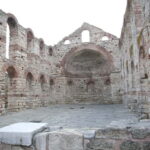
One of the biggest historical anchors on the route is the ruins of the 5th-century Church of St. Sofia. Even if you’ve seen churches in a dozen countries, older ruins can be hard to place emotionally. A good audio guide helps because it gives context when your brain wants to label what it’s seeing.
In this case, the guide is set up to explain what you’re looking at and to connect the ruins to the broader picture of the old town. If you’re the type who likes to pause and take your time, this is likely where your route slows down. Ruins reward patience.
The practical challenge is simple: ruins also tempt people to rush for photos. If you want the audio to do its job, try not to jump between stops too fast. Give yourself time to stand still for the key points and to read the surrounding cues.
The Church of St. Stephen: 11th-Century History at Walking Distance
Another named highlight is the 11th-century Church of St. Stephen. If you’re comparing styles or eras, this stop helps you see how Old Nessebar’s religious footprint kept changing over centuries.
Because the guide is self-paced, you can do a slower, more “observe first, listen second” approach. That can make the church feel less like a checkbox and more like a place you understood. If you’re moving quickly, you might catch the essentials but miss some of what makes the architecture interesting.
Again, based on the feedback, the audio has a strong architecture focus. That’s a good match for people who want to learn how buildings tell time. If you’re expecting more about myths, legends, or modern-day church life, you may find you need to complement with your own reading.
How the Route Feels in Real Life: Flexible, but You Own the Pace
The big promise here is independence: no set itinerary and no memorized commentary tied to a group schedule. That freedom is real, and it changes the feel of the visit. You can spend 10 minutes at a spot that you love and 30 seconds at a spot that doesn’t grab you. You can also stop for rest without feeling like you’re slowing anyone down.
A downside to owning the pace is that you also own the tech. You’ll want your phone charged and ready, especially because the map uses Google map dropped pins. One user reported that a map link did not work once, so I would plan to download or save what you need before you start walking.
If you prefer a human guide for on-the-spot explanations, this format can feel too quiet. But if you enjoy hearing history while you walk—at the speed you naturally choose—this is a smooth match.
Price and Value: What $22.11 Buys You (and What It Doesn’t)
At $22.11 per person, you are not paying for a live guide’s time. You are paying for a digital package: audio guide, electronic guide, and mapping support. In return, you get the freedom to use the tour whenever it fits your day, not when a bus decides.
Value here is less about “getting a bargain” and more about “buying flexibility.” If you’re already planning to walk Old Nessebar anyway, the guide turns wandering into a structured experience without the cost of full guided group time.
What it does not include is entrance fees to sights inside, plus personal expenses. In other words, the tour helps you understand what you’re seeing, but you still decide what to pay to enter. The good part is you can allocate your money based on your interests, not because a guided tour schedule demands it.
Tech and Language: English, Russian, Bulgarian, and Possible Hiccups
The audio guide is listed in English, Russian, or Bulgarian. That’s clear and helpful if you’re one of those language speakers.
However, one piece of real feedback flags a risk: a user described German text as very poorly translated and hard to understand. Another user said they received only a mobile ticket and no link to the audio guide or interactive map, and only sorted it out after contacting support. Those issues do not mean the product is broken, but they do mean you should take a couple precautions.
My practical advice:
- Download or access your guide materials before you walk into Old Nessebar.
- Double-check that you actually have the audio guide and map pins ready on your device before you rely on them outdoors.
- If your language needs are not in the listed audio options, plan to use any available guide text with a little extra caution.
The provider’s support response mentioned Dropbox for file delivery and said you should not need to register—so if you run into missing links, it’s worth checking your delivery method and confirming where files are stored. The support contact signature you’ll see is from Hristo, which at least suggests there’s a real person behind the troubleshooting.
Who This Self-Guided Tour Suits Best
This tour is best for travelers who like to control their time. If you prefer to walk, stop for photos, and listen when you feel ready, you’ll likely enjoy the structure without the pressure.
It also suits people who want to learn but hate group logistics. You can fit it into a short visit to Nessebar because it can take as little as about an hour, depending on your pace. And because it’s private, you avoid the “wait for everyone” rhythm.
If you are traveling with someone who likes history and someone who likes casual wandering, this format can work well. One person can listen and one can explore freely, then meet back at the map pins when you feel like it.
If you want a two-way conversation, this won’t replace a live guide. But if you want a low-stress way to make Old Nessebar make sense, it’s a strong choice.
Getting the Most From It: How to Walk the Route Like You Mean It
Self-guided tours succeed or fail based on your attention habits. Here are a few ways to make this one land better.
First, treat each church stop as a mini lesson, not a quick photo turn. Stand where you can see key angles, then let the audio guide the rest. If you race, you lose the point of having explanations in the first place.
Second, use the map pins as anchors rather than strict commands. If you spot something interesting off-route, you can pause and connect the dots later. The guide is meant to help you navigate, not to trap you in a line.
Third, give yourself enough time for the “in-between” moments. Old Nessebar’s charm is in the slow scenes between major stops—small streets, old stone, and the sense of walking through layers of time. The guide helps you notice those layers.
Should You Book the Old Nessebar Self-Guided Tour?
Book it if you want independence in a UNESCO old town and you’re happy to learn through audio and maps. The price is reasonable for a digital guide, and the stop list is strong: Byzantine-era features plus major church ruins like St. Sofia and St. Stephen.
Skip it or think twice if you need a live conversation or if you rely on non-listed languages. Also consider planning carefully if your device and connectivity can be spotty, since at least one reported experience involved map or link issues.
If your idea of a great travel day is walking at your own speed with history in your headphones, this one fits.
FAQ
What language is the audio guide available in?
The audio guide is available in English, Russian, or Bulgarian.
Do I have to follow a fixed itinerary?
No. The tour is self-guided with no set itinerary, so you can choose when to start, where to pause, and how fast to move.
Where do I start the tour?
The tour starts in Staria Grad on ul. Andzhelo Ronkali 8231, 8231 Nessebur, Bulgaria.
Where does the tour end?
The activity ends back at the same meeting point where you started.
How long does the tour take?
The duration is approximately 1 to 6 hours, with the route plan listed as around 3 hours.
Is there an entrance fee included?
Entrance fees for sights inside are not included, but the tour information indicates an admission ticket included for the Old Nessebar stop.
What is included in the price?
You get electronic personalized guidance with info and logistics, plus an audio guide for the sight. Support staff are also included for your group.
Is this a private tour?
Yes. It is private, meaning only your group participates.
Is service animal access allowed?
Yes, service animals are allowed.
When can I start the tour?
It lists daily hours from 12:00 AM to 11:30 PM within the operating date range.