REVIEW · MONTREAL
Old Montreal self-guided walking tour & scavenger hunt
Book on Viator →Operated by Tourist Scavenger Hunt · Bookable on Viator
Old Montreal works better when it’s a game trail. This self-guided walk uses an easy smartphone mobile site with 30+ challenges, so you’re not just sightseeing—you’re solving. You’ll start on the west end of Old Montreal and get your bearings before your first (not-so-easy) clue kicks off your route.
What I like most is the way the hunt gets you to notice details you’d normally speed past. You’ll hit a long list of landmarks—from Place Royale to city institutions—while staying in motion at your own pace. The second big win is that it’s a simple format: you walk, you read the clue, you look around, you answer, repeat.
One thing to consider: you’ll need an internet data connection on your phone, not just Wi‑Fi, and the app-style setup can take a bit of time at the start. Also, some clues may not line up perfectly, so expect a small chance of detours as you interpret directions.
In This Review
- Key highlights and what makes them fun
- Price and value: $44.85 per group, up to 6
- Getting started: phone setup and the internet you’ll need
- What kind of day this is: a “walk and solve” route, not a museum marathon
- The full route, stop-by-stop: where the clues lead you
- Place Royale
- Pointe-à-Callière, Montreal Archaeology and History Complex
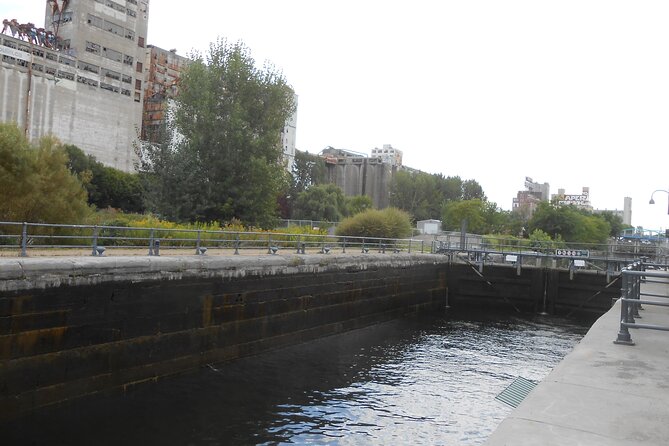
- Lieu Historique National du Canal-de-Lachine
- Old Port of Montreal
- Habitat 67
- Alexandra Pier
- Parc Lineaire de la Commune
- Montreal Science Centre
- Jacques-Cartier Pier
- Terrasses Bonsecours
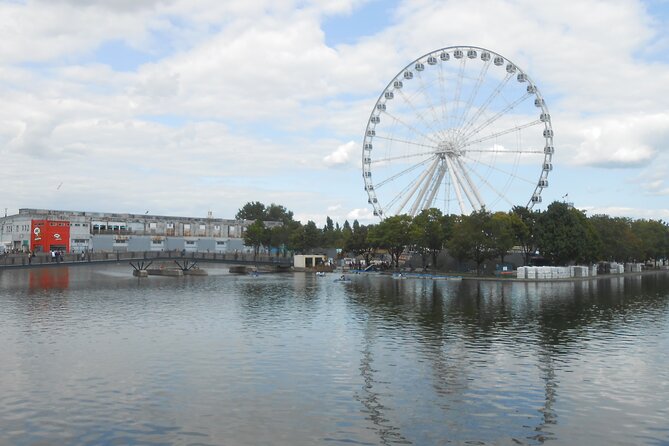
- La Grande Roue de Montreal
- Montreal Clock Tower
- Clock Tower Beach
- Sos Labyrinthe
- Notre-Dame-de-Bon-Secours Chapel
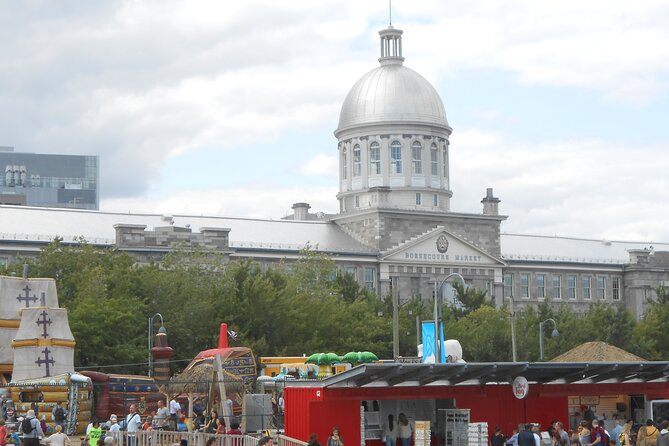
- Bonsecours Market (Marche Bonsecours)
- Chateau Ramezay Historic Site and Museum of Montreal
- Montreal City Hall
- Nelson Monument
- Place Jacques-Cartier
- Marguerite Bourgeoys Park
- Notre-Dame / Saint-Gabriel
- La Presse
- Place d’Armes
- Notre-Dame Basilica
- Maisonneuve Monument
- Place d’Youville
- MEM – Centre des Memoires Montrealaises
- Site archeologique du Parlement du Canada-Uni / marché Sainte-Anne
- Square Victoria-OACI
- Montreal World Trade Centre
- Montreal Convention Centre
- Theatre St-James
- Bank of Montreal Museum
- Parc de Dieppe
- The good stuff: why this hunt feels better than a map
- The possible downsides: start-up friction and occasional clue confusion
- Who should book this, and who should skip it
- Should you book Old Montreal self-guided scavenger hunt?
- FAQ
- How long does the Old Montreal self-guided walking tour take?
- Is this tour offered in English?
- Do I need an app to do the scavenger hunt?
- Do I need internet access on my phone?
- Are admission tickets included for the stops?
- Is this a private tour?
Key highlights and what makes them fun
- 30+ smartphone challenges that turn landmark-spotting into a low-pressure puzzle
- Mostly outside viewing (no entry fees included), so you’re free to keep moving
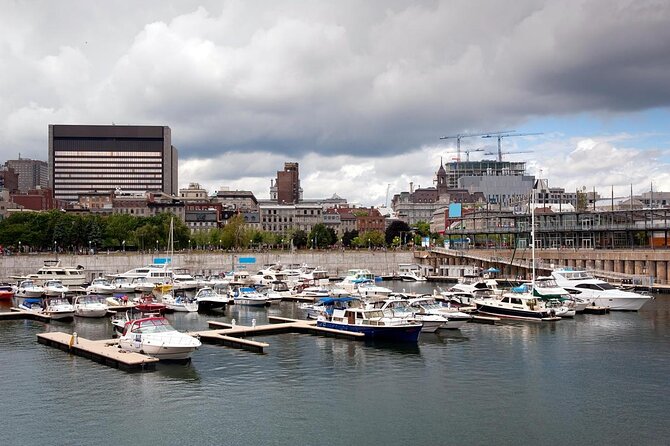
- A long, scenic route through Old Montreal docks, parks, markets, and major downtown sights
- A clear end-to-end walk plan with 34 named stops to keep you from wandering aimlessly
- Good value for groups since pricing is per group up to 6 people
- Flexible pace because it’s self-guided, not a timed group tour
Price and value: $44.85 per group, up to 6
At $44.85 per group (for up to 6 people), this is priced like an activity, not a traditional guided tour. That matters, because you’re paying for the scavenger hunt experience—the phone-based challenges and the route logic—not for a guide escort or timed admission tickets.
If you’re visiting Old Montreal with 2–4 people, the per-person cost can feel reasonable, especially because the walk pulls you beyond the handful of obvious postcard stops. The best value comes when you actually engage with the clues and take time between questions to look closely and explore side streets.
Where value can feel weak is if you want a straightforward highlights tour with lots of inside access. This is a walking route that takes you around sites, not into them. If your ideal day is paid museum time or guided explanations inside buildings, you’ll likely want to pair this with separate ticketed stops.
You can also read our reviews of more tours and experiences in Montreal.

Getting started: phone setup and the internet you’ll need
This hunt runs on a smartphone mobile site, and it isn’t a downloadable app. You should also plan for internet access on your phone—Wi‑Fi alone may not be enough.
Before you set off, give yourself a cushion to sync things properly. The route is designed to work smoothly once you’re in, but the start can be a little fiddly. In plain terms: don’t plan this as something you’ll launch instantly during a tight schedule.
Practical tip: if your phone is prone to weak signal near waterfronts or busy blocks, consider turning on location services and keeping battery health in mind. This is a 2-hour estimate on paper, but your real time depends on how long you pause to solve, snack, and detour.
What kind of day this is: a “walk and solve” route, not a museum marathon
The core idea is simple: you’re walking a big loop through Old Montreal and nearby downtown corners while completing 30+ challenges. Because no entry fees are included, you’ll be mostly doing what you can from the outside—observing, reading clues, and answering on your phone.
That style is great if you like an active day that still feels playful. It’s also easier to manage when you’re traveling with a mixed group: the route keeps everyone moving, but you’re not all forced to stand and listen to the same script.
It’s also a walking plan that assumes moderate physical fitness. One review clocked about 7 miles at a leisurely pace with stops for shops and cafés, even though the tour is listed as around 2 hours. So think of it as a flexible half-day stroll with plenty of chances to slow down.
The full route, stop-by-stop: where the clues lead you
Below is the route in order. Think of each stop as a prompt to look around and find what the challenge is asking for. If you love reading signs, spotting architectural details, and turning a walk into a scavenger game, this route fits your style.
Place Royale
You begin here to get your bearings. Expect an early push into problem-solving—this tour doesn’t wait until you’re warmed up.
Pointe-à-Callière, Montreal Archaeology and History Complex
This is one of those landmark anchors that helps keep the hunt grounded in real places. Since entry isn’t included, your time here is about observing nearby clues and matching what you see to the question.
Lieu Historique National du Canal-de-Lachine
You’ll move through another major themed area. Your challenge at this point is likely about noticing how history shows up in the built environment around you, not about paying for inside exhibits.
Old Port of Montreal
The Old Port section is where the walk starts to feel distinctly waterfront. It’s a good area for slow down moments—look for what the clue points to before you rush onward.
Habitat 67
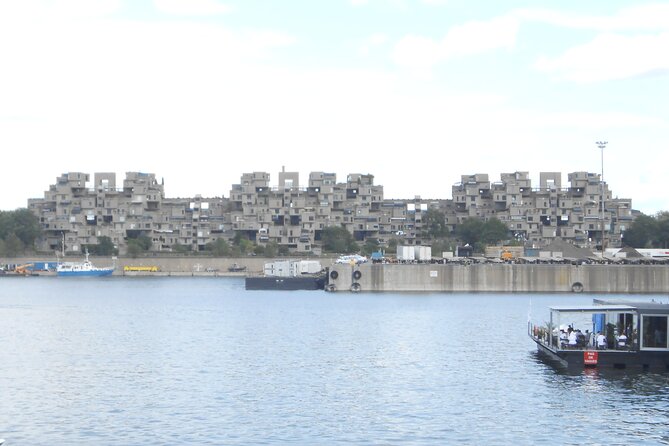
This stop adds a modern architectural beat to a route that otherwise feels historic. When your clue asks you to identify something specific, a place like this can make the hunt feel extra fun because there’s visual information to work with.
Alexandra Pier
Pier time is ideal for a scavenger hunt because lines, edges, and views give you lots to cross-check. If your direction sense is a little rusty, take your time here—this is where a wrong turn can cost minutes.
Parc Lineaire de la Commune
You’ll shift from hard edges to an open green stretch. Parks are often where clues feel more “walk-and-think” than “read-and-spot,” so keep your eyes up as you move.
Montreal Science Centre
Another stop that signals you’re not doing only Old Montreal scenery. Since the hunt keeps you outside, your goal is to connect the clues with what you can see around the exterior area.
Jacques-Cartier Pier
Waterfront views return. This is a good moment to reset your phone and make sure you’re still getting signal if you’ve moved away from busier streets.
Terrasses Bonsecours
Terraces and prominent facades are clue-friendly. Expect questions that reward careful looking instead of quick guessing.
La Grande Roue de Montreal
A landmark like this tends to make the hunt feel more like a true quest—your clues can be easier to confirm because the object is unmistakable from a distance.
Montreal Clock Tower
Clock towers are prime scavenger-hunt material: clear shapes and strong visual cues. If your challenge involves directions, this is the kind of stop where the surrounding context can help you double-check.
Clock Tower Beach
This is where your route adds a playful, relaxing pause area. If the directions in a clue feel confusing, this kind of open space can make it easier to orient yourself.
Sos Labyrinthe
A labyrinth-themed stop fits the “scavenger” concept nicely. Even if the clue doesn’t require you to enter anything, it can still push you to interpret what you see and follow directions precisely.
Notre-Dame-de-Bon-Secours Chapel
Religious architecture often has recognizable angles and signage details. Your clue here should reward patience, not speed—take the extra few seconds to match the question to the scene.
Bonsecours Market (Marche Bonsecours)
Markets are clue magnets. Even without entry fees, you can still use the area’s setup—signs, entrances, and layout cues—to solve what the hunt asks.
Chateau Ramezay Historic Site and Museum of Montreal
A historic-site name adds gravitas to the route. Since you’re not paying museum admission as part of this experience, use this stop as an outdoor photo-and-observation checkpoint tied to your next challenge.
Montreal City Hall
Major civic buildings are great anchors for a self-guided route. Your clue likely pushes you to identify features around the building so you’re not relying on guesswork.
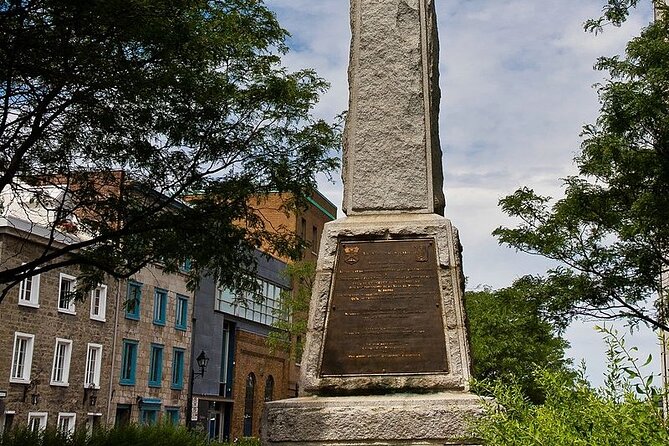
Nelson Monument
Monuments work well in puzzle walks because they’re prominent. If you’re ever unsure you’re in the right place, a stop like this helps confirm you stayed on course.
Place Jacques-Cartier
A square stop is perfect for a pause. If you’re hungry or your legs are thinking, this is a reasonable place to slow down while you finish the current challenge and regroup.
Marguerite Bourgeoys Park
Parks give your brain a break between question-heavy sections. Use this moment to check your phone, make sure the next clue loads, and keep your pacing comfortable.
Notre-Dame / Saint-Gabriel
This area likely ties together prominent older-street zones with clue prompts. When directions get tricky, it helps to take in the bigger streetscape view before you decide which way to go.
La Presse
Downtown media-related landmarks add a different flavor to the hunt. This is a point where the route shifts from “only Old Montreal” into broader Montreal blocks.
Place d’Armes
A well-known square-style stop keeps you centered. It’s also a place where you can compare what you see with what the clue is asking for before you move on.
Notre-Dame Basilica
A big-name religious landmark gives your scavenger hunt a strong visual payoff. Since entry isn’t included, your challenge is about exterior observation and precise answering.
Maisonneuve Monument
Monuments are good at reducing confusion. If you feel like you’ve wandered earlier, this is the kind of stop that helps you reset your bearings.
Place d’Youville
Another square stop that works as a natural transition point. If you’ve been walking for a while, this is a logical checkpoint to take a breath and confirm your next clue direction.
MEM – Centre des Memoires Montrealaises
This brings the hunt into a museum-named stop—again, outside viewing only. Treat it as a clue moment tied to Montreal’s story, not as a timed ticketed visit.
Site archeologique du Parlement du Canada-Uni / marché Sainte-Anne
This combined area name suggests a place where history and market energy overlap. Since you’re walking through, your best move is to slow down, scan your surroundings, and answer carefully.
Square Victoria-OACI
By the time you reach this square, the hunt has likely made you more alert to street details. That’s the goal: you stop “walking through” and start noticing.
Montreal World Trade Centre
This stop signals you’re deep enough into the downtown core that the vibe changes. It’s also a useful anchor if you’re someone who likes routes that feel like a real cross-section of the city.
Montreal Convention Centre
A large, recognizable venue makes it easier to confirm you’re in the correct area when the clue is location-specific.
Theatre St-James
Theatre stops tend to reward careful attention to signage and entrances. Also, this is one of those moments where a little extra patience helps if directions in a clue are ambiguous.
Bank of Montreal Museum
Another institution-named stop. Since this hunt does not include entry fees, your experience here is about what you can observe outside and how the clue ties to that exterior look.
Parc de Dieppe
You finish with a final open area to catch your breath. If you timed your day well, this is where you feel the sweep of the route—historic corners, waterfront sections, and downtown landmarks all in one long walk.
The good stuff: why this hunt feels better than a map
What makes this experience worth considering is the way it turns navigation into learning. Instead of checking a list and moving on, the challenges push you to look harder at what’s right in front of you.
I also like that it’s designed for pacing at your speed. You can treat it as a quick run through clues, or stretch it into a slower day with shops and cafés in between questions. One review mentioned leisurely breaks and interspersed stops, and that’s exactly how this kind of scavenger hunt works best.
And for groups, the format can be a win. Everyone can take turns reading clue text, pointing at details, and debating directions. It’s a low-stress way to keep people engaged without splitting into multiple mini-tours.
The possible downsides: start-up friction and occasional clue confusion

No experience is perfect, and this one has a couple of predictable rough edges.
First, the start can be slower than you want. There’s a setup step that may require syncing a purchase with the scavenger-hunt website, and that can eat time if you’re already tired or hungry when you begin.
Second, you should be open to a small number of clue inaccuracies. One person ran into wrong street wording and a confusing direction (mix-ups like east versus west, or left versus right). If you hit a confusing clue, don’t panic—take a breath, look at the broader streetscape, and give yourself a little slack.
Who should book this, and who should skip it
This is a great fit if you:
- like walking and want a playful day instead of a lecture
- enjoy figuring things out with clues and taking breaks along the way
- want to see a wide swath of Old Montreal and nearby downtown sights in one go
- are traveling in a group where puzzle-solving will keep people from splitting up
It may not be ideal if you:
- want guaranteed smooth phone performance with no setup time
- expect museum entry fees to be included
- get annoyed by puzzles that sometimes feel slightly off
- prefer a simple map-based sightseeing plan without questions
Should you book Old Montreal self-guided scavenger hunt?
I’d book it if you want a practical, low-cost way to turn Old Montreal into an active treasure hunt. The big strength is the structure: 34 named stops and 30+ challenges keep your day from feeling random, and the outside-focused route means you’re not locked into ticket lines.
I’d hold off if you hate phone-based challenges, you’ll be traveling with weak internet access, or you’re expecting a traditional guided experience with flawless directions. If that’s you, a map plus a basic walking route might suit you better.
If you do book, go in with the right mindset: expect a bit of setup time, plan for some wandering if a clue seems unclear, and treat the route like a fun puzzle stroll rather than a strict timed tour.
FAQ
How long does the Old Montreal self-guided walking tour take?
It’s listed at about 2 hours, but your actual time can vary depending on how long you take with challenges and breaks.
Is this tour offered in English?
Yes, it’s offered in English.
Do I need an app to do the scavenger hunt?
No. The scavenger hunt runs on a smartphone mobile site, not an app.
Do I need internet access on my phone?
Yes. Internet access is required; Wi‑Fi is not enough on its own.
Are admission tickets included for the stops?
No entry fees are included. You’ll walk around the sites rather than go inside as part of the tour.
Is this a private tour?
Yes. It’s private, and only your group participates.