REVIEW · MARIENPLATZ
Munich: Scavenger Hunt Self-Guided Tour
Book on GetYourGuide →Operated by Stadtspiel Schnitzeljagd GmbH · Bookable on GetYourGuide
Puzzles beat the usual Munich sightseeing grind. This self-guided hunt turns old-town landmarks into a low-stress game, with 16 envelopes that nudge you from spot to spot while you pick up background on the city as you go.
I love how flexible it feels: you can pause for photos, take breaks, or slow down when a church interior (or any facade) catches your eye. The notes you get along the way can add real context, not just directions, so the walk stays interesting even if you are not racing.
One possible drawback: some people find the stations tight together and the tasks pretty similar, with puzzles that can feel too easy if you are craving a bigger brain workout.
In This Review
- Key things to know before you play
- How the mailed box turns Munich into a game
- Starting in Munich: from Hauptbahnhof toward Stachus and Karlstor
- Neuhauser Straße and the church stop: solving near St. Michael
- Frauenkirche: a landmark you will actually notice
- Marienplatz and the town halls: the classic Munich square stretch
- Viktualienmarkt: puzzles end, real Munich begins
- What 270 minutes feels like on your feet
- Price and value: $52 per group up to 10
- Who should book this scavenger hunt
- Should you book this Munich scavenger hunt?
- FAQ
- What is the duration of the Munich scavenger hunt?
- How much does it cost, and how many people can go?
- Do I need a tour guide?
- Where does the scavenger hunt start?
- What is included in the box?
- How do I get the game box?
- Can I cancel?
Key things to know before you play
- You’re driving the pace. No guide means you decide when to start, pause, and move on.
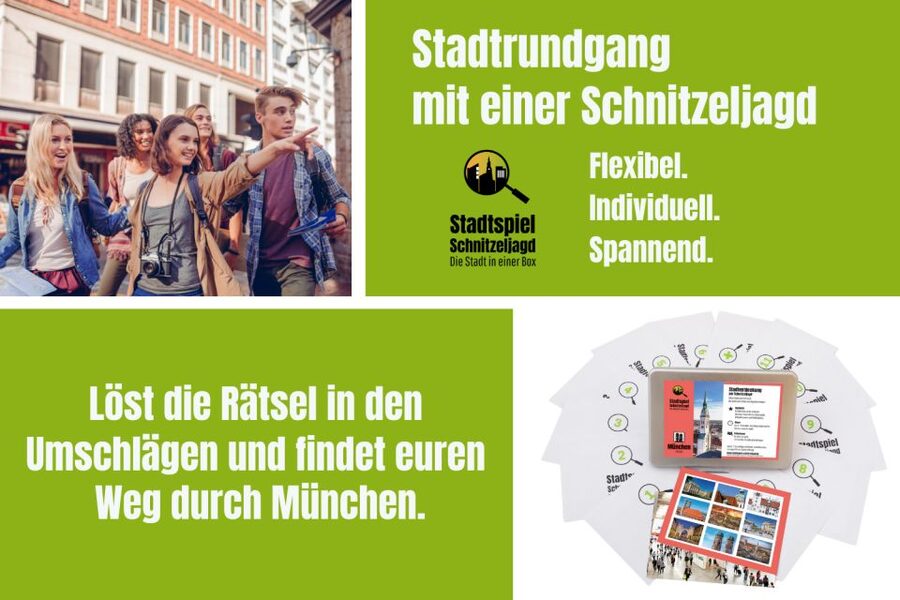
- 16 envelope missions. Each stop has riddles, directions, and short facts to keep you oriented.
- Big sights, reasonable walking. The route hits Hauptbahnhof, Karlstor at Stachus, the church streets, then Marienplatz and Viktualienmarkt.
- Emergency support is built in. There’s an emergency envelope with solutions if you get stuck.
- Quality depends on your puzzle mood. If you want tougher challenges, you may wish it went deeper.
How the mailed box turns Munich into a game
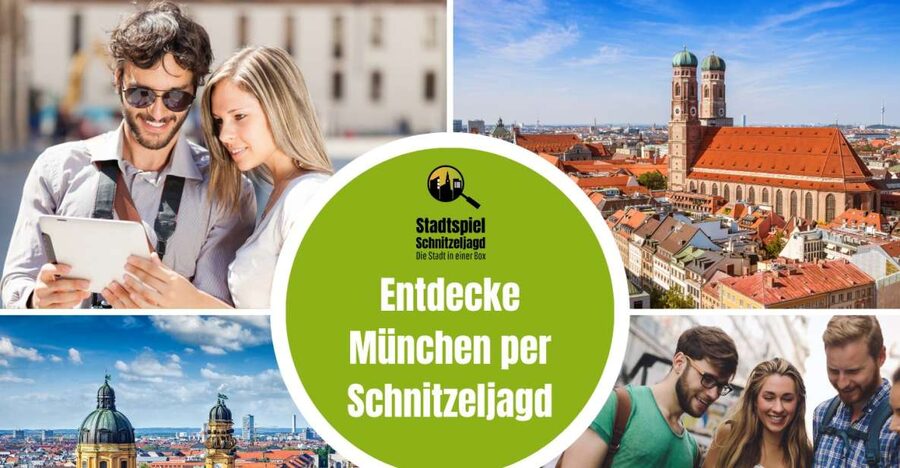
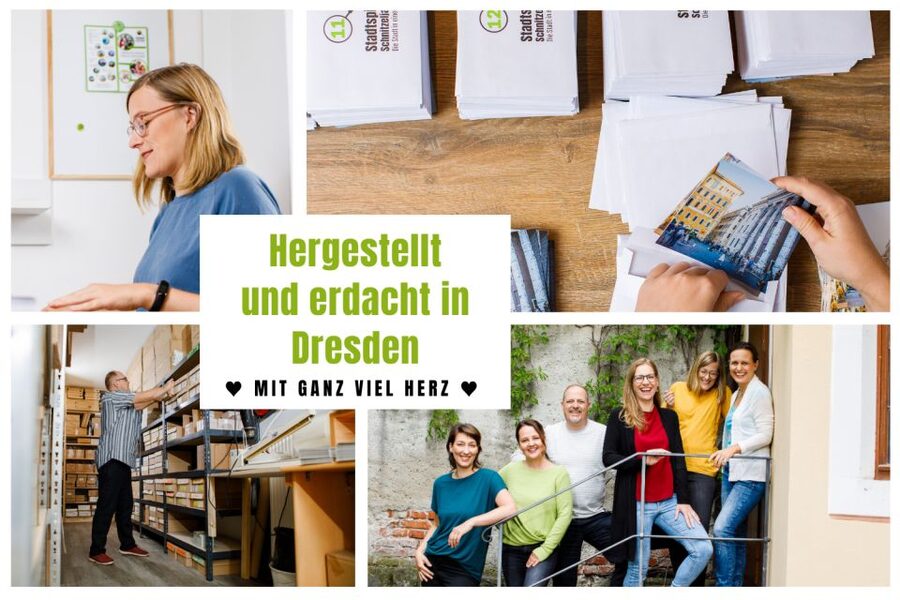
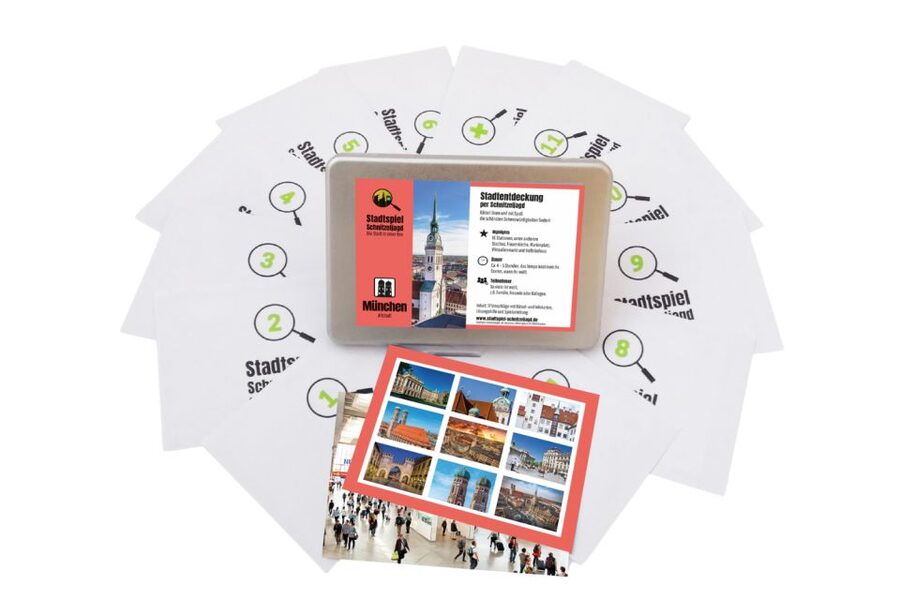
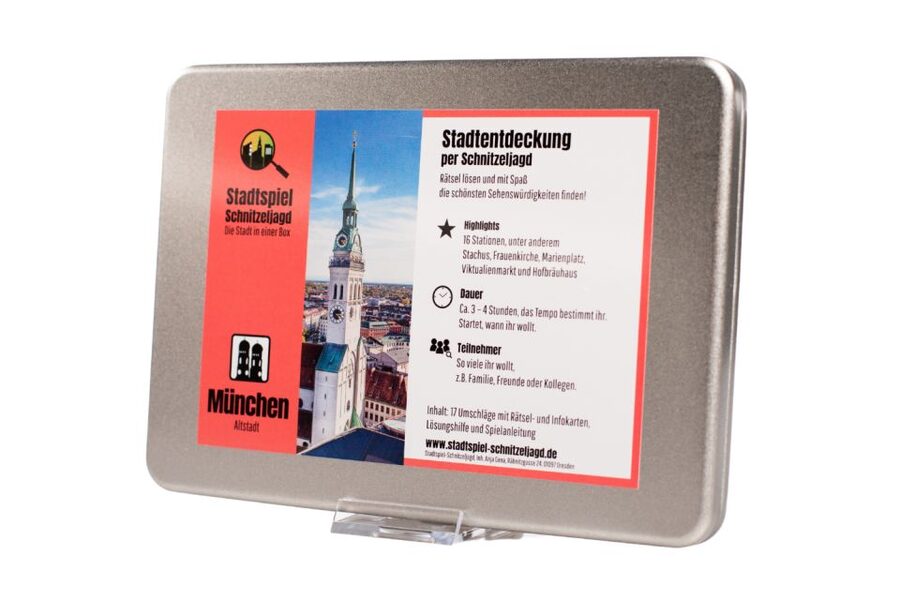
This experience is built around a simple idea: you get a scavenger hunt box in the mail, and inside you have a stack of numbered envelopes. Each one guides you to the next target with a mix of riddles, directions, and short info so you are not just wandering between famous spots.
The setup is part of the fun. The game comes in a metal-style box that feels like you actually own a real activity, not just a link on your phone. Since there is no tour-guide, you also avoid the usual problem of being herded too fast. You and your group can read at street level, solve at a sidewalk café table, then keep moving when you feel ready.
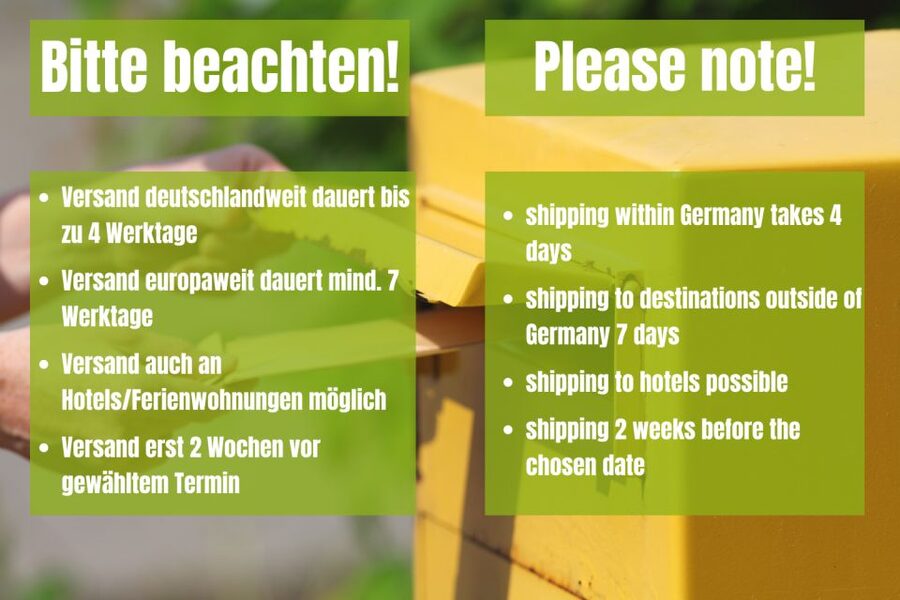
One practical note that matters: the box ships within Germany and shipping can take up to four working days (and it ships no earlier than about two weeks before your selected date). If you are traveling soon, give yourself a buffer so you do not end up hunting for a mailbox while you are on your vacation schedule.
Starting in Munich: from Hauptbahnhof toward Stachus and Karlstor
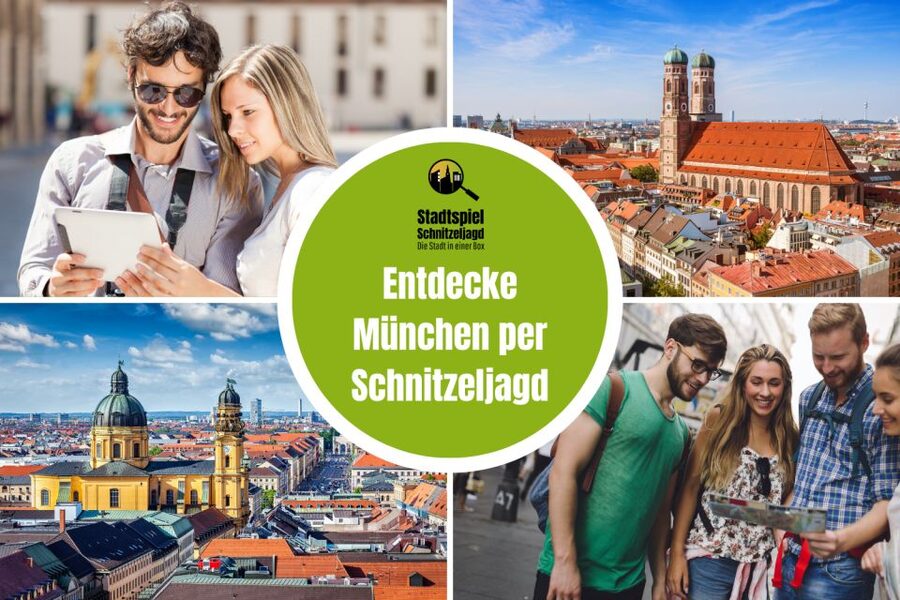
Your hunt starts at the main station area. From there, you head toward Karlstor, also tied to the Stachus area (Karlplatz). This is a smart first move because it gets you away from the transportation hub quickly and into the part of Munich where walking feels rewarding.
You’ll likely find the early stages good for getting your head around the city grid. Even if you have been to Munich before, the riddles help you notice details you would normally blow past. And if your group is a mixed crew, this opening section is usually where people warm up to the format: follow directions, read the clue, locate the next numbered stop, then check the small facts for quick context.
If your group is expecting a guided history lecture, set your expectations a notch. The experience is not structured like a museum tour. Instead, it’s more like short bursts of background you can carry with you as you walk.
Neuhauser Straße and the church stop: solving near St. Michael
One of the route highlights is St. Michael’s Church (Kirche St. Michael) on Neuhauser Straße. Another key stop is the citizen’s hall (Bürgersaal). These locations matter because they sit right in the flow of central Munich, so the walk feels like real city time, not a chore.
What you should expect here is a mix of practical clue-solving and light interpretation. The envelopes are designed to get you to look up, look closer, and read the surroundings rather than speed past them. For many people, that’s the payoff: you end up paying attention to architecture and street-scale landmarks that you might normally treat as background.
That said, a potential drawback shows up with some puzzle types at this stage. Some players reported that the church-related hints can be pretty general, along the lines of it is worth looking inside. If you know Munich well and want more precise, tougher clues, you might feel the challenge stays at a basic level.
Frauenkirche: a landmark you will actually notice
Next up is the Frauenkirche (Munich’s famous cathedral). This is the kind of stop that benefits from a game format because it forces you to slow down in a way a camera snapshot usually does not. When you’re solving a riddle here, you tend to circle, line up, and stare long enough to understand why the landmark is where it is.
The scavenger hunt format also nudges you to connect the place to the city story. The envelopes include information about the sights or Munich history, so you get short context alongside the location itself. That combination is why the history-and-meaning moments can land well for people who like learning without sitting through a lecture.
If you are traveling with kids, this stop can work especially well. It gives a big, recognizable target with enough time around it to figure out the clue and then take a breather before moving on.
Marienplatz and the town halls: the classic Munich square stretch
Then you arrive at Marienplatz, the heart of Munich’s old town. The hunt specifically points you to the old town hall (Altes Rathaus) and the new town hall (Neues Rathaus). Marienplatz is one of those squares where you could easily spend an hour just watching people. The scavenger hunt keeps you focused, but it still lets the square breathe.
This section is a strong choice because it mixes scale and atmosphere. Even without deep architectural details from the hunt itself, standing at Marienplatz makes it clear why it is a focal point of the city. The envelopes turn that feeling into a sequence of mini-missions, so the time passes faster than a self-guided wandering session.
One thing to watch: some players found that the envelope tasks felt similar from station to station, and the stops can be fairly close together. If you start to feel that pattern, Marienplatz is a good place to intentionally slow down—take photos, reset your brain, and treat the clue as a reason to look at the square from a new angle.
Viktualienmarkt: puzzles end, real Munich begins
The route finishes with Viktualienmarkt. This is a natural landing spot because it shifts you from monument mode into everyday city life. Even if you do not buy anything, the market setting helps you decompress after the more structured puzzle stations.
This is also where the scavenger hunt can feel most rewarding for groups that like variety. You get big-city landmarks earlier, then you end with something that feels like Munich in motion. In practice, it can be a good moment to stretch, snack, or just walk slowly while you verify you really completed every envelope.
Keep in mind that some players reported a small hiccup: a couple of stops (like a museum or a fountain) were not available, and the experience moved forward using the solution card. That kind of change can happen when businesses close, renovations occur, or exterior views change. If something looks different on your route, stay calm and keep going with what the box provides rather than wasting time hunting for a vanished location.
What 270 minutes feels like on your feet

The stated duration is 270 minutes, so plan on about 4.5 hours of walking time plus puzzle-solving. In real life, that range depends on your group’s style:
- If you read every clue carefully and compare notes as a team, it can stretch closer to the full time.
- If you solve quickly and keep a steady pace, you may finish earlier. Some people reported around 1.5 hours, especially when they felt the tasks were straightforward and the stations were close together.
Because you can pause anytime, you can also shape the pace to your energy. If your group includes slower walkers, build in breaks before you start to feel rushed. If you have a tight schedule, starting early in the day helps because central Munich gets busy.
In other words: treat 270 minutes as a generous upper frame, not a strict timeline. You’re in control.
Price and value: $52 per group up to 10
At $52 per group (up to 10 people), this hunt can be a great value if you are a small group or a family. The price is per group, not per person, which makes a big difference when you travel with kids, friends, or multiple generations.
What you’re paying for is a bundle of practical things:
- the mailed scavenger hunt box
- 16 envelope missions
- an emergency envelope with solutions
- and the built-in structure that takes you through major sights without a guide.
The value question mostly comes down to difficulty and freshness. If you want a tougher puzzle challenge or more distinct, detailed clues at every station, the experience may feel inexpensive for the time but disappointing in depth. If you want a fun, independent way to learn a little while you stroll, the price-to-experience ratio can feel very fair.
Who should book this scavenger hunt
This is a good fit if you want:
- a flexible Munich walk with major sights covered
- a straightforward activity that keeps everyone engaged
- short background info that makes landmarks feel less random
- the option to stop for photos without asking anyone for permission
It may not be the best fit if:
- you crave harder riddles that take real effort to crack
- you prefer a guide to explain details that the envelopes only hint at
- you are traveling during a period when outdoor stops or nearby venues are in flux and you want a perfectly consistent route every time
If your group loves puzzles, think of this as a light team activity rather than a mystery thriller.
Should you book this Munich scavenger hunt?
Book it if you want a self-paced way to see Marienplatz, Frauenkirche, and Viktualienmarkt while your time feels structured. The mailed box format, the envelope missions, and the ability to pause make it practical for families and groups who don’t want to follow a strict guide pace.
Skip it or think twice if you are the type who finishes quickly and then wonders what was missing. The puzzles can run on the easy side, and some stations may have changes that require you to rely on the provided solutions card.
If you like learning in small bites and turning sightseeing into an activity, this one is worth putting on your Munich plan.
FAQ
What is the duration of the Munich scavenger hunt?
The tour duration is 270 minutes.
How much does it cost, and how many people can go?
It costs $52 per group, up to 10 people.
Do I need a tour guide?
No. There is no guide at the meeting point, and you start on your own.
Where does the scavenger hunt start?
You start at the main station and then explore toward Karlstor at Stachus and the central old-town sights on foot.
What is included in the box?
You get a scavenger hunt box (shipped to you), 16 envelopes with riddles, directions, information, and interesting facts, plus an emergency envelope with all solutions.
How do I get the game box?
The box is shipped via mail to your address. Shipping can take up to 4 working days within Germany, and it will be shipped at the earliest about 2 weeks before your selected date.
Can I cancel?
Yes. Free cancellation is available up to 24 hours in advance for a full refund.