REVIEW · ONTARIO
Layers of Natural History: Picton Nature Self-Guided Audio Tour
Book on Viator →Operated by VoiceMap Audio Tours · Bookable on Viator
Picton sounds different when you walk slowly. This self-guided GPS audio tour in Picton, Ontario uses VoiceMap tech to guide you from park views to harbour edges, while Ewa’s narration connects natural history and town stories. You’ll move at your pace, pausing as often as you like.
I love the way the audio blends ecology with on-the-ground local detail, and I love that it feels more like a conversation than a lecture. You’ll get specific “look here” moments—like turtle logs—and you’ll hear terms and facts that stick, including solastalgia and a stat about 30% forest coverage being a bare minimum for biodiversity protection.
One drawback to plan for: this is a phone-based walk, so you’ll need your own device and the time to start listening when you reach each spot. Keep an eye on battery life, especially if you’re using map features and stopping often.
In This Review
- Key points worth knowing before you go
- Where the tour starts: Queen Elizabeth Park and easy GPS navigation
- Town Hall to limestone and wildflowers: Picton Nature in plain language
- European settlement in the 1700s: learning Picton’s story while you walk
- Harbour walk and wetlands: fish, birds, and watching for turtle logs
- Flooding, water conditions, and Big fish in the park loop
- Delhi Park’s shift from garbage dump to thriving wetland
- Glenwood Cemetery at the finish: a park-like setting with burial sites
- Price and value: why $9.99 feels fair here
- Timing, route flow, and what to bring
- Who should book this Picton Nature audio walk
- Should you book this self-guided Picton Nature tour?
- FAQ
- How long is the Picton Nature self-guided audio tour?
- Where does the tour start and where does it end?
- Does the tour work offline?
- What do I need to bring?
- What language is the tour available in?
- What’s the cancellation policy?
Key points worth knowing before you go
- Ewa narrates the walk with ecological + local historical context that stays easy to follow
- Offline audio, maps, and geodata mean you can wander without hunting for signal
- Wetlands focus comes through with stories about fish and bird species
- Delhi Park’s “dump to wetland” story adds a smart way to think about land change
- Geology and water talk includes limestone and even mention of fault lines
- Your walk ends at Glenwood Cemetery, a park-like setting with burial sites and major tree shade
Where the tour starts: Queen Elizabeth Park and easy GPS navigation
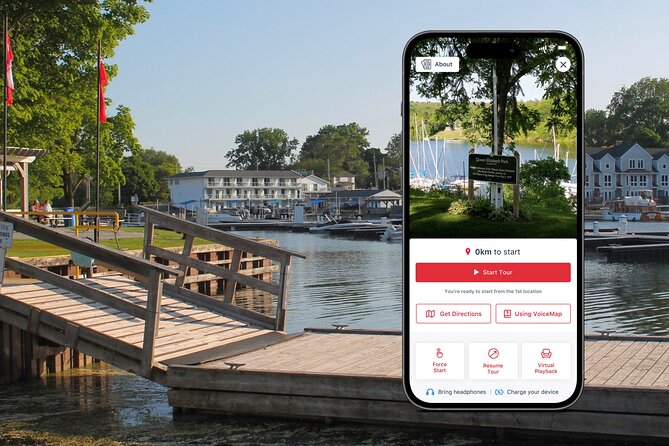
You begin at Queen Elizabeth Park, 17 Hill St, Picton. The tour is designed to start when you’re in the right place, which is a huge quality-of-life win in a small town: you’re not guessing which corner you’re supposed to be on.
The first stretch is intentionally calm. You’re in a tranquil park with a harbour overlook, so your brain gets the right mindset fast—quiet, open, and ready to notice the details the audio points out.
This is also a good place to set yourself up. Before you press play, make sure your phone is charged, volume is set to what you’ll want while walking, and you’ve downloaded the offline content (the app supports offline audio, maps, and geodata).
Town Hall to limestone and wildflowers: Picton Nature in plain language
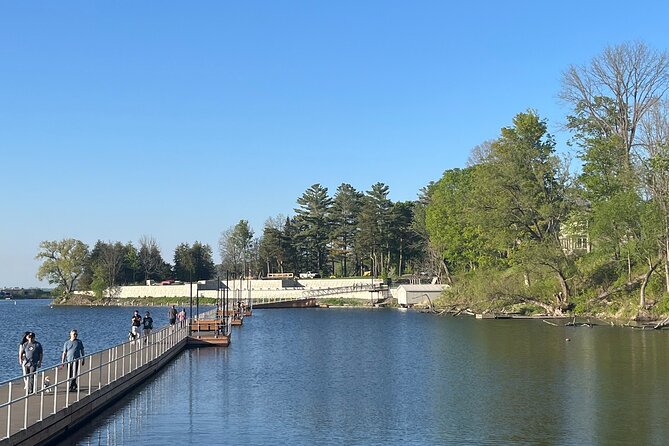
Next you’ll pass Picton’s Town Hall and get the tour’s first strong nature lesson: Picton Nature, from limestone to wildflowers. It’s a smart way to start because it gives you a “why does this look like this?” framework—geology drives soil, soil drives plants, and plants drive animals.
This part works well even if you’re not a plant person. You’re not asked to memorize Latin names or anything like that. Instead, you learn what to look for, and why those natural elements matter along the shoreline.
You’ll also hear the kind of local geology talk that makes you see the ground differently. In the narration, Ewa even references fault lines, which turns a casual walk into something you’ll remember when you glance at the ground later.
European settlement in the 1700s: learning Picton’s story while you walk
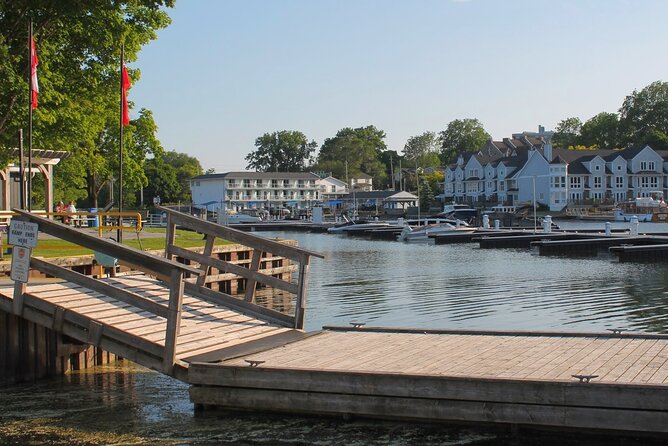
As you keep going, the audio shifts from plants and geology to how Picton formed—specifically including European settlement in the 1700s. The walk is the method here. You’re moving along sidewalks and paths, so the story lands in context rather than feeling like a textbook page.
The best part is that the tour doesn’t treat history and nature as separate topics. It keeps reminding you that people arrived, used resources, and reshaped the land—then nature adapted again. That makes the later wetland stops feel more grounded.
A small caution: because it’s self-guided, you control your pace. If you rush, you may miss some of the slower “look around” beats that give the town-story meaning.
Harbour walk and wetlands: fish, birds, and watching for turtle logs
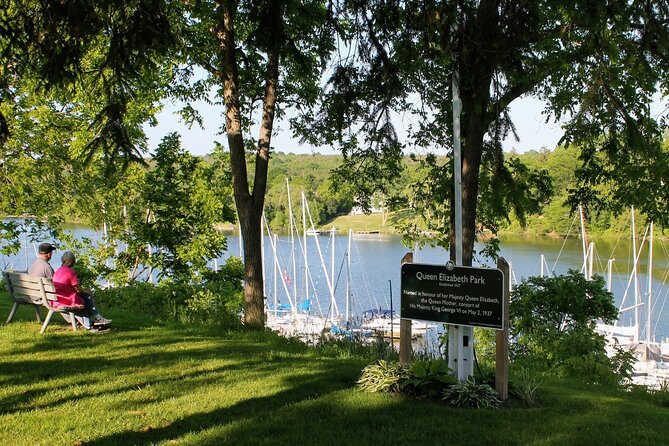
When the route reaches the harbour area, the narration leans hard into wetlands—and that’s where the tour really starts to feel like a nature course you can take outdoors. You’ll hear facts about wetland function and the local fish and bird species the area supports.
This is also the part where you’ll want to slow down for short photo breaks. Not because you need perfect shots, but because the audio often nudges you to look at the edges of the water and places where logs and debris gather.
One of the funniest and most memorable moments is the instruction to watch for turtle logs. Even if you don’t spot one, you’ll still start scanning the shoreline like a pro, which is the point of this kind of audio guide.
Flooding, water conditions, and Big fish in the park loop
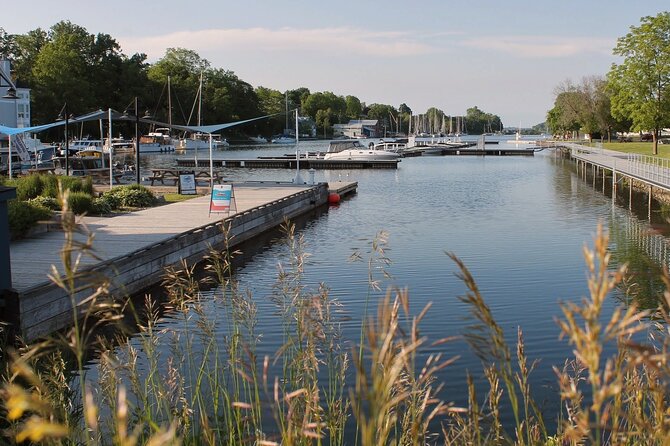
Another park stop brings you into the more practical side of local ecology: Picton’s flooding, water conditions, and something the tour calls Big fish. I like this section because it makes the wetland story feel less abstract. Instead of only “birds live here,” you get “here’s how water behaves and why that matters.”
This part is also a reminder that nature works on schedules and systems. Water levels change, shorelines evolve, and the places animals use are shaped by those shifts. The audio helps you connect that logic while you’re walking through the open spaces.
If you’re the type who likes to understand how things work, this is your highlight. If you prefer purely scenic walks, you can still enjoy the vibe—but you’ll likely find yourself stopping to listen more than you planned.
Delhi Park’s shift from garbage dump to thriving wetland
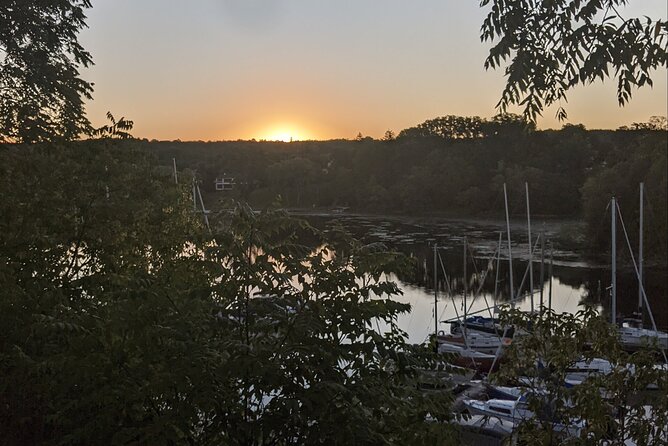
Next up: Delhi Park. The tour explains its transformation from a garbage dump to a thriving wetland. That storyline lands better than you’d expect, because you’re not reading a sign while sitting still. You’re walking through the space, and the audio tells you to think about how land recovery works.
This is a rare type of nature lesson: the emphasis is on change over time. Instead of viewing the wetland as a fixed postcard, you learn how messy inputs can evolve into functioning habitat.
If you’re visiting with family or friends who think “parks are just parks,” this is a good section to share. The contrast is clear, and the message is hopeful without pretending change is instant.
Glenwood Cemetery at the finish: a park-like setting with burial sites
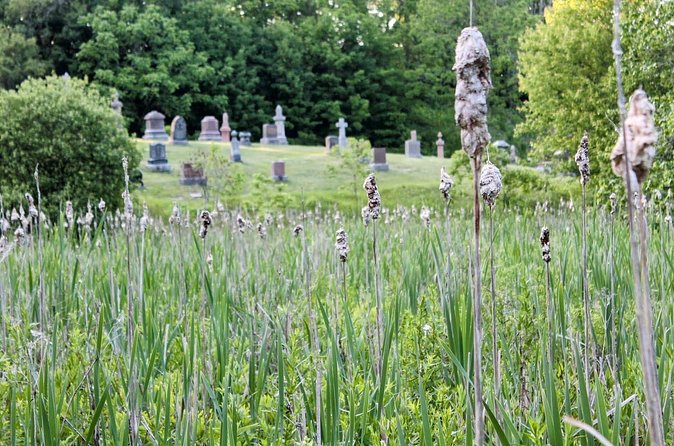
The walk ends at Glenwood Cemetery, 47 Ferguson St. The setting is described as a garden cemetery in a park-like arrangement, with many burial sites, glamorous trees, and rolling topography.
This is a surprisingly effective ending for an audio tour. Instead of finishing at a parking lot or a generic viewpoint, you end someplace that encourages slow attention. The audio structure also helps: you’ve moved from shoreline ecology to land change to human settlement, and then you arrive at a place that holds memory in a landscaped setting.
Practical tip: plan a few extra minutes at the end. Even if you’re listening all the way through, you’ll probably want to look around after the final audio segment fades out.
Price and value: why $9.99 feels fair here
At $9.99 per person, this is priced like an impulse-friendly activity. But what makes it good value is what you’re getting alongside the walking route: lifetime access to the English audio, plus offline maps and geodata in the app.
You’re also not paying for “standing around with a guide.” This is self-paced. So you’re buying flexibility, not tight timing. If you want to stop longer at the harbour, you can. If you’re a quick listener, you’ll still finish within the typical 1 hour 15 minutes to 1 hour 45 minutes window.
One more value angle: you’re in a private setup, meaning only your group participates. That matters even for self-guided experiences because it tends to reduce the friction of trying to coordinate many people at multiple stops.
Timing, route flow, and what to bring

The route takes about 1 hour 15 minutes to 1 hour 45 minutes, counting walking and passing the stops along the way. If you’re the kind of person who pauses often—especially near water—give yourself the longer end of the estimate.
Start at Queen Elizabeth Park and finish at Glenwood Cemetery. This one-way flow is helpful, because you’re not retracing the whole route like a loop. The trade-off is simple: you’ll want a plan for getting back from the cemetery.
You’ll also want to bring your own smartphone and headphones. The tour doesn’t include them. Make sure you can run the VoiceMap app comfortably, and download your offline content before you head out for the day.
The tour is listed as available Monday through Sunday, 12:00 AM to 11:59 PM within the 06/18/2025–02/16/2027 window. So you can fit it into nearly any schedule, as long as you’re within that date range.
Finally, if you’re traveling in peak season, note that it’s commonly booked about a week in advance on average. Booking early saves you from last-minute “we’ll see what’s left” stress.
Who should book this Picton Nature audio walk
This is a great fit if you like your travel with a dose of science and a sense of place. The tour moves through parks, harbour areas, and cemetery grounds without requiring a car hop between far-flung sites.
I’d also book it if you enjoy learning by watching. The audio doesn’t just tell you what exists; it nudges you toward what to notice—wetland edges, local species connections, and natural changes over time.
If you’re in town for a short visit and want to stretch your time outdoors, the format is efficient. You can complete the walk in about 75 to 105 minutes, and you still get real content in that window.
And if you’ve been living in the area and think you know the neighbourhood, this still works. The narration is built to reveal details that don’t usually show up unless someone points them out first.
Should you book this self-guided Picton Nature tour?
If you want a low-cost, offline-friendly way to understand Picton—wetlands, water behavior, and how the town connects to its natural base—this one is an easy yes. Ewa’s narration is a major strength, with gentle humour and clear, place-based facts that make the walk feel longer in the best way.
I’d skip it only if you hate using your phone while walking, or if you prefer a traditional live guide where questions can steer the experience. Otherwise, this is a smart pick for an enjoyable, self-paced outdoor afternoon that ends in a calm, memorable way at Glenwood Cemetery.
FAQ
How long is the Picton Nature self-guided audio tour?
The experience runs about 1 hour 15 minutes to 1 hour 45 minutes, including walking the route and passing by the stops.
Where does the tour start and where does it end?
It starts at Queen Elizabeth Park, 17 Hill St, Picton, ON K0K 2T0, Canada, and ends at Glenwood Cemetery, 47 Ferguson St, Picton, ON K0K 2T0, Canada.
Does the tour work offline?
Yes. The app includes offline access to audio, maps, and geodata.
What do I need to bring?
You’ll need your smartphone and headphones. Food and drink and transportation are not included.
What language is the tour available in?
The tour is offered in English.
What’s the cancellation policy?
Free cancellation is available up to 24 hours in advance for a full refund. If you cancel less than 24 hours before the start time, the amount paid is not refunded.