REVIEW · KATAKOLO
Katakolo Port: Transfer to Ancient Olympia and VR Audio Tour
Book on GetYourGuide →Operated by SIGHTS OF ATHENS-GRAY LINE · Bookable on GetYourGuide
Ancient Olympia, minus the stress. This Katakolo shore excursion is built around cruise timing, with a smooth air-conditioned bus ride and a VR audioguide that lets you wander and learn at your own pace. I love that the starting point is close to the port area, so check-in doesn’t eat your day.
Two things I especially like: you get roundtrip transport without the headache of independent driving, and you’re able to choose how you handle the history—either using the on-phone guide in multiple languages or relying on the site’s signage and plaques. The visit includes time for the main archaeological area plus an on-site museum experience, all within a tight cruise-friendly window.
One possible drawback to plan for: the VR part runs through your smartphone (not glasses), and the app can be fussy. If you hate troubleshooting tech while walking, consider using the audio mostly as a support tool and let the ruins do the talking.
In This Review
- Key Points to Know Before You Go
- Katakolo-to-Olympia By Air-Conditioned Bus That Respects Cruise Schedules
- Getting Set Up With the VR Audioguide on Your Phone (Not Separate Glasses)
- Ancient Olympia Ruins: What You’ll Do During the 3-Hour Visit
- A fair heads-up about the ruins and the map
- The Museum Stops: A Quick Orientation Before You Wander
- Olympia Village: Where You Can Reset and Refill
- Price and Value: Why $13.55 Can Feel Like a Deal (and When It Won’t)
- Bus Staff and On-the-Ground Help: What You Can Expect From the People
- Who Should Book This Olympia Transfer With VR (And Who Might Want a Different Style)
- Should You Book This Katakolo Transfer and VR Tour?
- FAQ
- How long is the transfer and visit?
- What’s included in the tour price?
- Are entrance tickets to the monuments included?
- Do I need my phone for the VR audioguide?
- Does the tour provide headphones?
- Where do we meet and where do we end?
Key Points to Know Before You Go
- A cruise-friendly transfer that gets you from Katakolo to Olympia and back without long, wandering logistics
- Phone-based VR audio in 10 languages, activated on Android or Apple devices or tablets
- About 3 hours at Olympia to do the museum and ruins at your own speed
- Two entry-ticket paths (included or extra), which affects whether you’ll wait in line
- VR coverage is limited, and the site has more to see than the app’s featured stops
- Comfortable, modern transport with air-conditioning and generally on-time running
Katakolo-to-Olympia By Air-Conditioned Bus That Respects Cruise Schedules
The best part of this excursion is the basic premise: you’re not figuring out how to get to Ancient Olympia from Katakolo on your own. You jump on a modern, air-conditioned coach right after check-in, then you’re on the road fast—about a 30-minute drive through the countryside.
This matters on a cruise day. The ride is direct, and the return is planned so you can get back to the port without doing the stress math of buses, taxis, and timing risk. Even the little details help: the meeting point is kept simple, and people are there to help you get sorted.
Also, the bus experience is not just a “means to an end.” In the reviews, the vehicle is consistently described as comfortable and cool in hot weather—exactly what you want before and after a lot of walking.
You can also read our reviews of more tours and experiences in Katakolo.

Getting Set Up With the VR Audioguide on Your Phone (Not Separate Glasses)
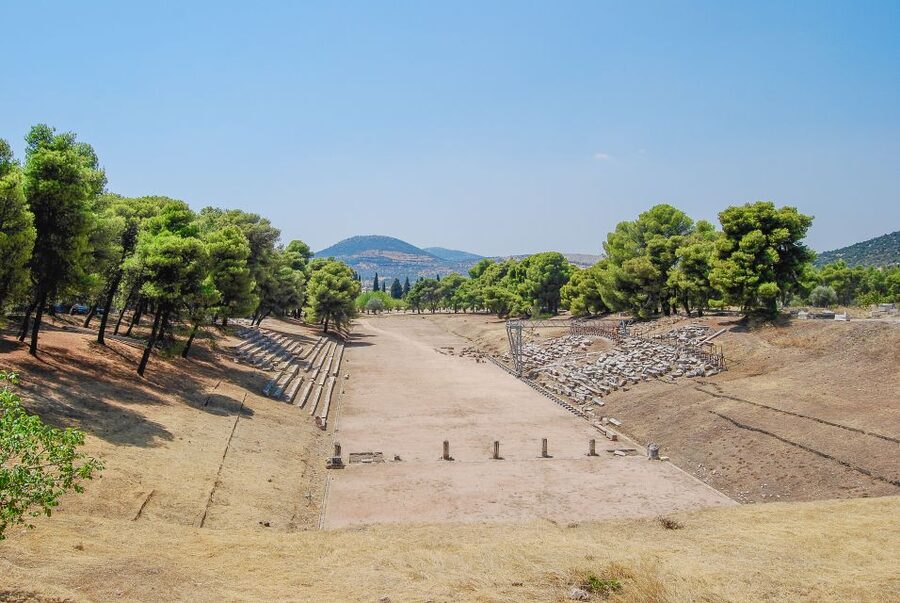
The VR system is a phone app that uses your screen, not a headset you carry around. The tour description is clear about this, and the reviews back it up: there’s no separate VR device handed to you. You just use your Android or Apple phone (or a tablet), then activate the Virtual Reality Audiotour.
You should know what that means in real life:
- Your phone battery becomes your “gear.” Bring a charged device and keep it protected.
- You’ll likely want personal headphones, because the tour does not provide them (and you probably don’t want to blast audio in public).
- The app can be tricky to navigate at first, especially around a large archaeological site where signage is limited.
What I like about the setup is that it lets you control the pace. You can listen while you walk, pause when you stop for photos, and replay a spot if you miss it. What I’d watch for is the “tech overhead”: some people say the audio can fail or the app needs restarting, and a few found it confusing until they got their bearings.
And yes, the VR experience sounds futuristic, but the real win is practical. It gives you a way to understand what you’re seeing without paying for a full guide inside the ruins.
Ancient Olympia Ruins: What You’ll Do During the 3-Hour Visit
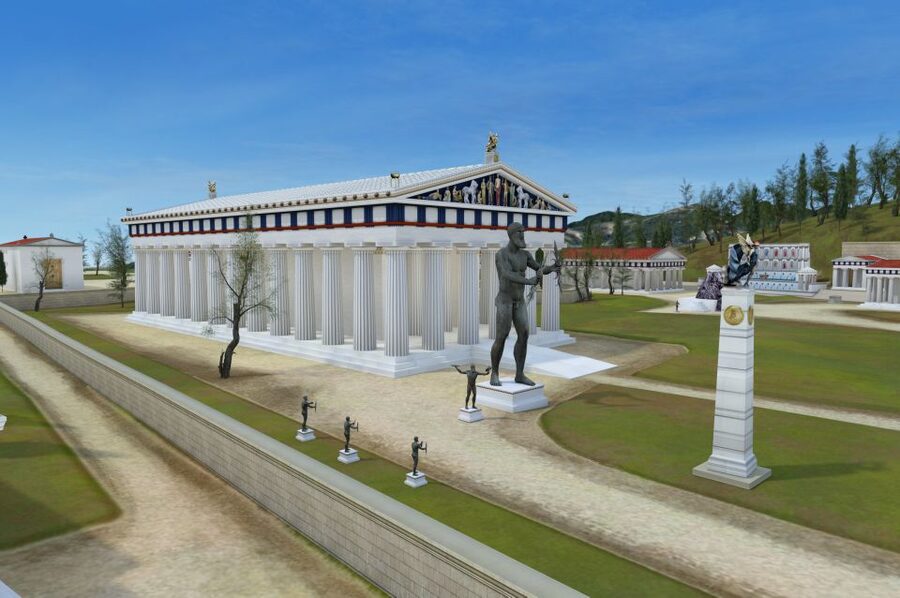
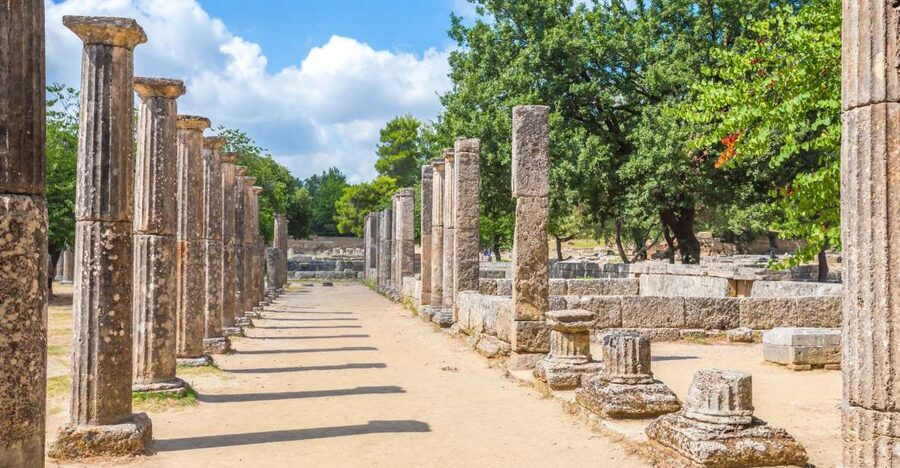
At Olympia, you’re given time to explore the archaeological site and do it largely on your own. The structure is simple: you start with a museum break area and then move through the main ruins, using plaques and the audio/VR guide to understand what each spot meant.
You’re not crammed through everything in 30 minutes. You have about 3 hours, which is long enough to get the “wow” factor and still breathe between stops.
Here’s what you should expect to focus on at the ruins:
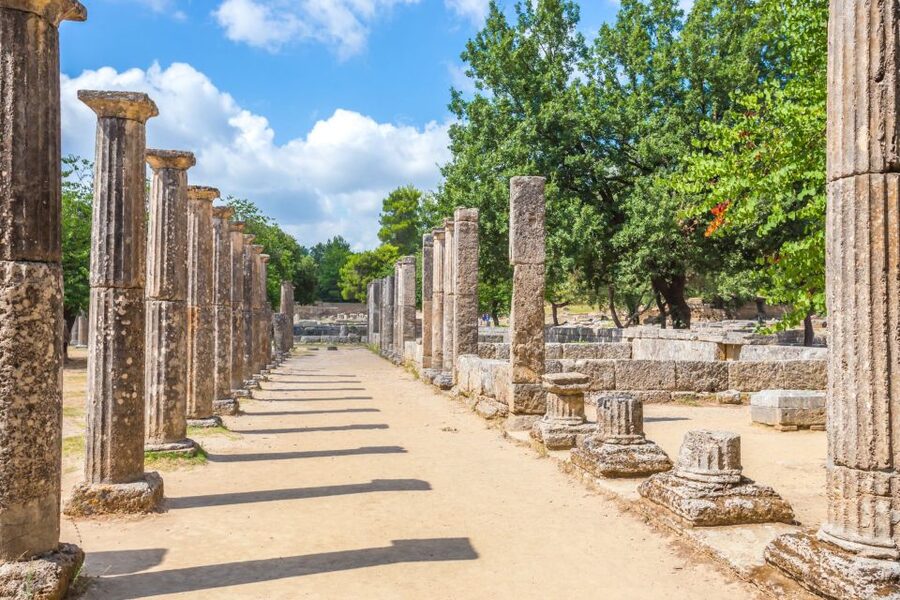
- Temple of Hera, in front of which the Olympic Flame is lit in modern Olympic Games
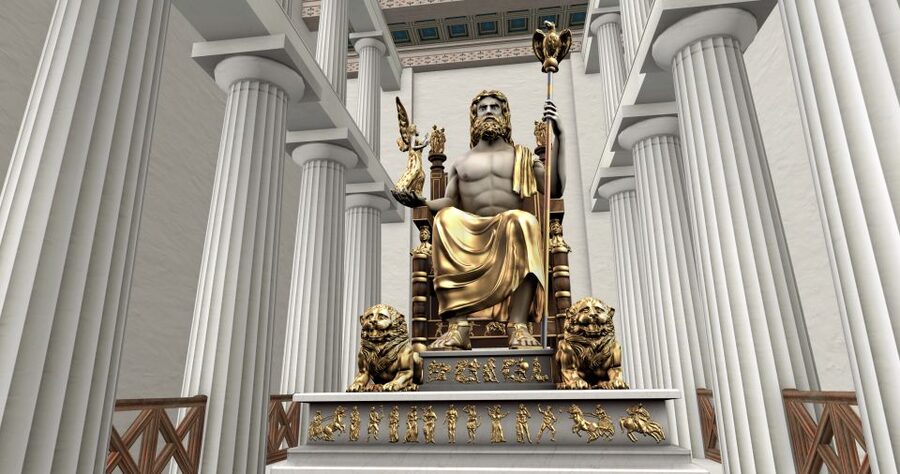
- Temple of Zeus, once home to the famed statue of Zeus (described as one of the Seven Wonders of the Ancient World)
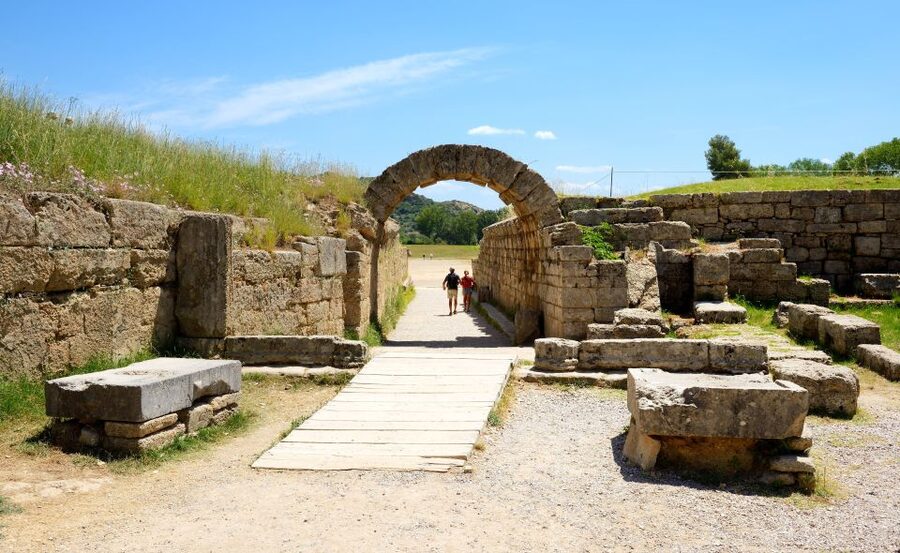
- The original Stadium, where the athletic competition energy took shape
- The Bouleuterion, a key meeting space where competitors swore an oath to follow the rules
The pacing is the big deal. The VR/audio component helps you connect dots, but you’re still seeing the bones of the place: stone, scale, and layout. Many visitors get the most out of the experience by slowing down at major locations instead of trying to “collect” every photo angle.
A fair heads-up about the ruins and the map
The app focuses on about 10 featured spots, but the grounds offer much more than that. If you walk in expecting the app to cover the entire site like a guided route, you’ll feel it’s incomplete.
Also, some reviews say the printed map wasn’t enough to guide an order cleanly. If you’re the type who likes a clear path, you might want to take a few minutes early to figure out where you are, then stick to the main anchors (museum first, then the big temples/stadium areas).
The Museum Stops: A Quick Orientation Before You Wander
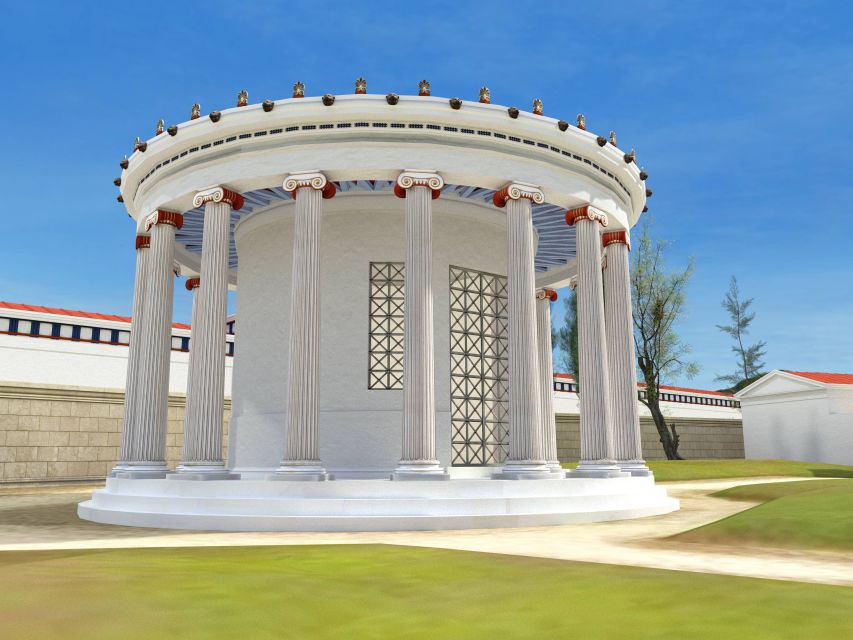
This excursion isn’t only outdoor walking. You get museum time as part of the Olympia experience, and the reviews describe it as a useful start.
Most importantly, the on-site museum helps you understand what you’re about to see. You’ll get context for the games and the site, and you’ll have a weather-friendly break if the heat pushes you.
A couple of reviewers note the museum of the Olympics can feel shorter and lighter than you might expect, with fewer artifacts. That doesn’t make it bad—it just means it’s not a multi-hour museum marathon. In the time you have, it’s more like a smart primer.
If you want value from the museum, do this:
- Look for the sections that explain how the games worked and why Olympia mattered.
- After you step outside, use that context while listening to the guide at major ruins.
Olympia Village: Where You Can Reset and Refill
Time isn’t just for stone. Near the archaeological site is the modern village of Olympia, and you can reach it easily from the area. This is where you can shop for souvenirs, grab lunch, and find a café stop for coffee and snacks.
I like giving myself a “soft landing” after the ruins. Ancient Olympia can be intense—big ideas, huge spaces, and lots of time outside. The village break gives you the chance to sit, cool down, and choose what you actually want next: shopping, gelato, or just wandering without listening to anything.
Some reviews suggest the overall free time in the Olympia area feels well matched to what you can realistically see. That’s the key. You won’t be stuck looking for food at the exact wrong moment.
Price and Value: Why $13.55 Can Feel Like a Deal (and When It Won’t)
The listed price is $13.55 per person, and the value case is pretty clear: you get roundtrip transport from Katakolo and access to a VR audio guide in 10 languages. That’s a lot included for a cruise day where transportation alone can be pricey.
But the fine print you need to plan around is entrance fees. Monument entry is not automatically included unless you pick the option that includes tickets. The excursion offers two options: one with entry tickets included and one without.
This affects your experience immediately:
- If you don’t have tickets included, you may face a wait in line when you arrive.
- If you do have tickets included, you’ll spend more of your limited time exploring instead of queuing.
Also, this isn’t a fully guided museum walkthrough with a professional guide inside the monuments. The audio/VR and the staff on the bus help, but you’re still doing the majority of the monument exploration independently.
Where this price really shines is for travelers who:
- want transport handled,
- don’t mind self-guided ruins,
- and can use a phone-based audio tool without getting frustrated.
Bus Staff and On-the-Ground Help: What You Can Expect From the People
The excursion includes an English-speaking driver and escort in the bus. In reviews, names that show up include Chrisy (described as a facilitator), and George and George (driver and guide). You’ll also see guides like Mehmet and Ethmet, plus Tanya, depending on the day and language group.
What I take from those mentions is that the human help tends to be practical rather than performance-based. People are there to:
- guide you to the shop/check-in point,
- help you with VR app setup,
- answer questions during the ride,
- and tell you exactly when and where to meet for the return.
That last part matters more than you think. In a self-paced ruins visit, clear meeting instructions are the difference between a smooth day and a frantic one.
Who Should Book This Olympia Transfer With VR (And Who Might Want a Different Style)
This is a strong match if you like structured transport with free time at the destination.
You’ll likely enjoy it if you:
- are on a cruise and need a reliable schedule,
- want to see Olympia without booking a longer, higher-priced guided tour,
- like learning through audio while walking,
- and travel with a charged phone and patience for tech.
You might want to think twice if:
- you hate apps and would rather have a human guide holding the whole experience together,
- you don’t want to troubleshoot audio if the app acts up,
- or you need a fully covered, step-by-step route across every corner of the site.
One more practical note from the reviews: some people say phone service can interfere with the audio/VR experience. You can still walk using signage and plaques, but if you’re counting on the app to work perfectly, plan for a backup approach in your head.
Should You Book This Katakolo Transfer and VR Tour?
I’d book it if your priority is easy cruise logistics plus learning tools that are built for self-guided exploring. At around $13.55, roundtrip air-conditioned transport and a VR audio option in 10 languages is hard to beat—especially when you can spend your on-site time where you want, not where a group forces you.
Just book with eyes open:
- If you choose the ticket option without entrance included, budget time for possible lines.
- Bring a charged smartphone, consider bringing headphones, and expect the VR app to be helpful but not magical.
- Plan to use the museum + ruins together: museum first for context, then ruins for the real atmosphere.
If you want to leave Olympia feeling like you understood what you saw—without paying for a full guided tour—this is a smart way to do it from Katakolo.
FAQ
How long is the transfer and visit?
The total experience runs about 4 hours, including transport time and roughly 3 hours at the Ancient Olympia archaeological area.
What’s included in the tour price?
You get roundtrip transportation by air-conditioned coach, an audio/VR application, and an audioguide in 10 languages. There’s also an English-speaking driver and escort on the bus.
Are entrance tickets to the monuments included?
Entrance to monuments is not included by default. The tour offers two ticket options—one with entry tickets included and one without—so check what you select before you go.
Do I need my phone for the VR audioguide?
Yes. The Virtual Reality Audiotour requires an Android or Apple phone (or a tablet) to activate the application.
Does the tour provide headphones?
The reviews indicate headphones are not provided, so bringing your own is a good idea if you want discreet audio.
Where do we meet and where do we end?
The meeting point can vary depending on the option booked, and the tour ends back at the meeting point for the return to Katakolo Port.