REVIEW · WHITE MOUNTAINS
Kancamagus Scenic Byway Self-Guided Audio Driving Tour Guide
Book on Viator →Operated by Stories with Action · Bookable on Viator
A drive that talks back to you. The Kancamagus Scenic Byway audio tour adds real meaning to the White Mountains, with offline GPS-based playback that starts stories when you reach each stop.
I especially like the hands-free, auto-progressing narration, so I could focus on views, pull-offs, and quick photo breaks instead of messing with my phone.
The second big win is value. At $16.99 per group (up to 4), you get a full road-trip guide you can replay later, including all the route details and story content.
One consideration: you must plan your phone setup. Download the tour on strong Wi‑Fi/cellular before you head out, and audio performance can vary by device (there’s at least one reported Android compatibility issue, and a few reports of occasional playback glitches).
Key highlights worth your time
- Offline maps and story playback help when service drops on the byway
- Automatic location-based audio means you don’t have to tap at every stop
- 40+ story stops on a 35+ mile drive keeps the whole route feeling purposeful
- Narration that mixes scenery with history and legends (from tribal leaders to mountain myths)
- Great flexibility: start anytime, pause for photos, skip stops, or revisit later
In This Review
- Why the Kancamagus Audio Tour Feels Better Than Just Driving
- Price and Value: $16.99 Per Group Works for Real Road Trips
- Before You Go: Download the Tour on Strong Signal
- Timing the Drive: The Route Takes About 2–3 Hours
- Stop 1: White Mountains Visitor Center and the Best Way to Start a Scenic Drive
- Otter Rocks Day Use Area and Hancock Overlook: Small Pull-Offs, Big Moment Energy
- Mount Osceola to Pemigewasset Overlook: Why Names Matter Here
- CL Graham Wangan Overlook to Sabbaday Falls: Meeting Places and Emerald Pools
- Russell-Colbath House and Mount Chocorua: Ghosts and Mountain Mystery
- Rocky Gorge Scenic Area and Albany Covered Bridge: Waterfall Drama and Beaver Chaos
- Saco Ranger Station Finale: Turn the Drive Into the Next Chapter
- How to Pace It Without Missing the Good Stuff
- Who Should Book This Kancamagus Audio Driving Tour
- Should You Book This Kancamagus Scenic Byway Audio Tour?
- FAQ
- How long is the Kancamagus Scenic Byway self-guided audio driving tour?
- What does it cost, and how many people can use it?
- Is the tour available in English?
- Will it work without cell service or Wi‑Fi?
- When do I need to download the app and tour?
- Where do I start, and does it end at the same place?
- Do I need a parking pass for pull-offs along the byway?
- Do I need to reserve any attractions or pay entry tickets?
- Can I pause and resume the tour whenever I want?
Why the Kancamagus Audio Tour Feels Better Than Just Driving
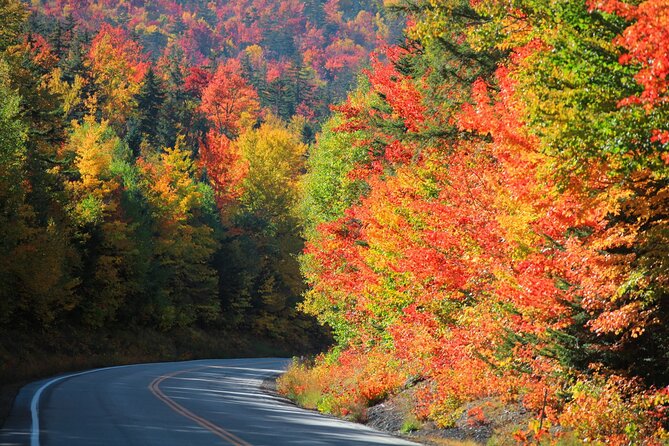
This is a self-guided audio drive for the Kancamagus Scenic Byway in the White Mountains. The road is famous for scenery, but the audio layer adds why those places matter and how the names and legends connect to the land.
The magic here is practical: your phone’s GPS triggers each story as you reach the next point. That makes it feel guided without forcing you into a fixed schedule or a bus window. You can slow down for waterfalls, pull into a lookout, and still keep moving when you’re ready.
And because it’s designed for offline use, you aren’t stranded when cell signal disappears. That matters on this kind of remote drive where maps can get flaky and “I’ll just check later” turns into “oops.”
Price and Value: $16.99 Per Group Works for Real Road Trips
At $16.99 per group (up to 4 people), this is priced like a couple of coffees, not a full-day guided tour. If you’re traveling with others, the per-car structure is the key value driver. It can be cheaper than paying for multiple guided seats, and you still get control over where you stop.
The best part is how long it stays useful. The tour is sold with no expiry and lifetime access, so you can reuse it on a different season trip or when you drive the highway again. Fall foliage fans will appreciate that, and so will anyone who wants to learn more on a second pass.
Also, this one won’t weigh you down with extra tickets and reservations. You’re paying for the audio experience, not for entry fees or guided access that you might already have.
Before You Go: Download the Tour on Strong Signal

Do this part early. After booking, you’ll receive an email/text with setup instructions and a password, and you’ll need to download the separate Action’s Tour Guide App while you have strong Wi‑Fi or cellular. After that, the tour works offline.
If you try to download once you’re already parked in a spot with weak signal, you risk getting stuck. One reviewer issue was exactly that—no signal at the park—so the fix is simple: test your download and playback before you commit your drive time.
When you’re ready to start, no one meets you. You open the app onsite, enter the password, then launch the tour version that matches your planned starting point and direction. After that, you follow the audio cues from story to story.
For sound in the car, the tour audio can play through your car setup using Bluetooth, USB, or AUX. If your car supports CarPlay, playback is compatible there too.
Timing the Drive: The Route Takes About 2–3 Hours
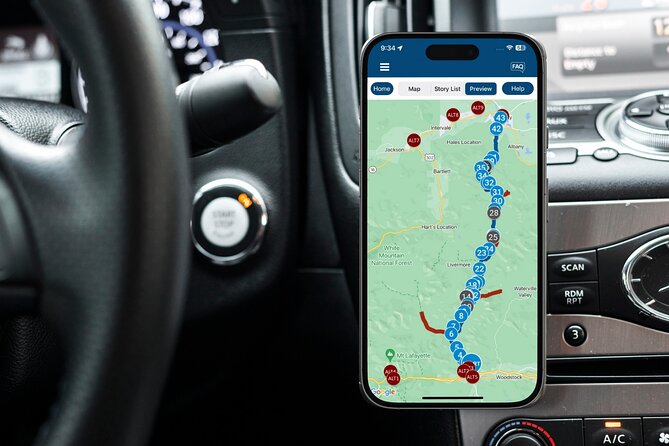
Plan for 2 to 3 hours for the full experience. The tour route is 35+ miles long and built around around-the-byway stop points, with each main segment designed around roughly 10 minutes at a stop.
You don’t have to treat it like a race. I like using it as a flexible “theme park of pull-offs”: drive a stretch, listen to a story, stop for a viewpoint or a quick walk, then roll again. If you want to stretch it, you can linger longer at waterfalls like Sabbaday Falls or take more time at overlooks.
Also note the tour official hours listed are 6:00 AM to 9:00 PM. Start earlier if you’re chasing calm roads and softer light.
Stop 1: White Mountains Visitor Center and the Best Way to Start a Scenic Drive
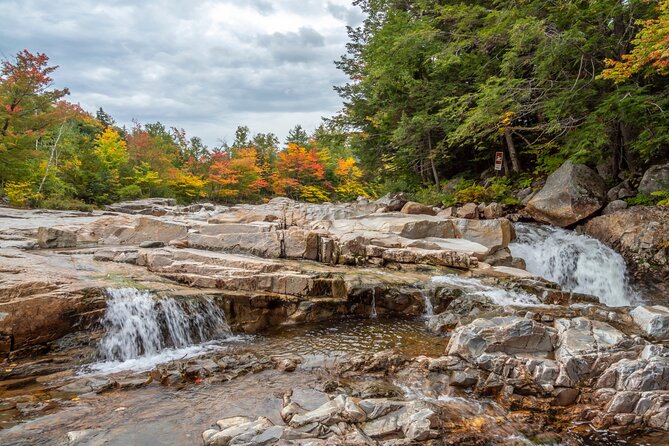
The tour kicks off at the White Mountain Visitor Center. This is where you’ll get oriented—what to expect on the highway and how to read the land as you drive through it.
The opening stories cover the land’s history and the Native American tribes who lived here, plus a set of legends tied to the region. You’ll start with the famous Old Man of the Mountain, then hear about how the highway’s fall colors became legendary. There’s also a fun astronomy-style legend about a celestial bear creating the Milky Way galaxy.
If you’re the type who wants your first stop to teach you how to look, this section does that. You’ll also get practical tips for moose spotting and bird-watching, which is useful for the rest of the drive.
Then you’re off—ready to turn “pretty road” into “story road.”
Otter Rocks Day Use Area and Hancock Overlook: Small Pull-Offs, Big Moment Energy
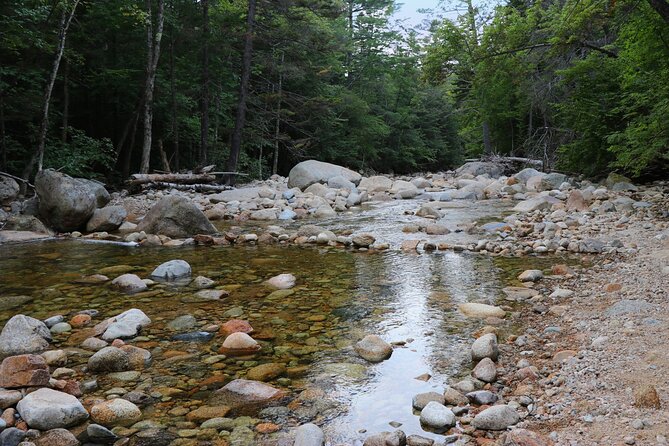
Next up is the Otter Rocks Day Use Area. The name is the whole pitch: broad flat rocks that otters love to lounge on after the sun does its work. If you slow down your driving and keep your eyes up, this is the kind of stop where you might actually catch wildlife without needing a hike.
After that comes an optional detour to Hancock Overlook. Think of it as your first big-mountain payoff: a solid glimpse that sets the tone for everything ahead. If you’re short on time, you can treat this as a “go or skip” moment, but I’d lean toward doing it because the view is the reward for continuing.
These stops are short by design, so you can keep momentum while still getting those quick “worth it” breaks.
Mount Osceola to Pemigewasset Overlook: Why Names Matter Here

The route continues to Mount Osceola, another photo-friendly moment with deeper context. You’ll hear about Osceola as a famous tribal leader and hero, including his resistance to colonial encroachment and attempts to strip away tribal lands.
If you like your sightseeing with meaning, this is the spot where the audio tour feels most like a lesson—without getting heavy. It gives you a reason to pay attention to a view beyond just scenery.
Then there’s an optional detour to Pemigewasset Overlook. Here the focus shifts to the Pemigewasset River and why it mattered to the tribes who lived in the area. It’s a good reminder that you’re driving through a lived-in region, not just a scenery set.
CL Graham Wangan Overlook to Sabbaday Falls: Meeting Places and Emerald Pools
This stretch is built around two different kinds of magic: place and water.
At CL Graham Wangan Overlook, the audio connects the overlook to what local tribes call The Wangan Ground—a meeting place. You’ll also hear about Chief Passaconaway, including his goal of uniting 18 of New Hampshire’s tribes. After that, the story moves to Chief Kancamagus, Passaconaway’s successor, and the struggle against European colonists.
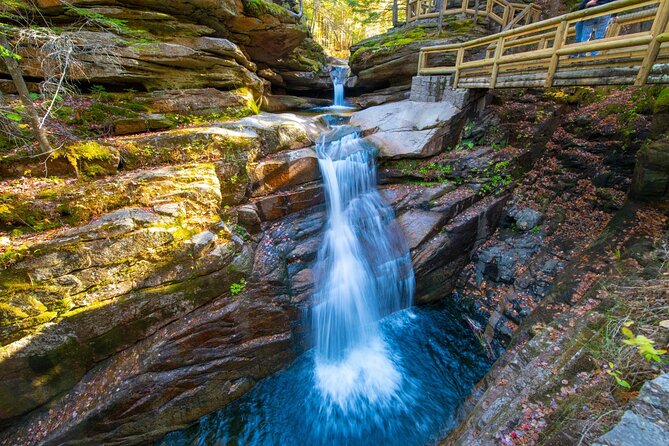
Then you’ll get to Sabbaday Falls, a series of cascades in a narrow flume. This stop is where people slow down for real. Depending on the season, pools below the falls can take on a deep emerald look, which is one of those things that sounds like a travel brochure until you actually see it.
If you want one “stretch” stop on the whole drive, this is the one.
Russell-Colbath House and Mount Chocorua: Ghosts and Mountain Mystery
As you resume your drive, the audio brings you to Russell-Colbath House. This is where the tone turns spooky: the story of Thomas, who went out on an errand one night and was never seen again. The audio doesn’t claim a final answer, but it shares the rumors and uncertainty that kept the tale alive.
Then comes Mount Chocorua, another peak with a named-story connection. You’ll learn about the chief for whom the mountain is named, plus a mystery that surrounds him. It’s a nice balance after the house story—back to nature, but still with narrative gravity.
This part is great if you like myth and history braided together, because it keeps the drive from becoming repetitive.
Rocky Gorge Scenic Area and Albany Covered Bridge: Waterfall Drama and Beaver Chaos
At Rocky Gorge Scenic Area, you’ll find a standout: a 15-foot waterfall tumbling into a gorge. The audio builds tension with an intense true story—about a young woman who vanished in the rapids, the efforts of friends to rescue her, and an unexpected outcome.
If you’re riding with kids or anyone who likes a good plot, this is the story segment that keeps attention. It also helps you pay attention to the water and terrain, not just the photo angle.
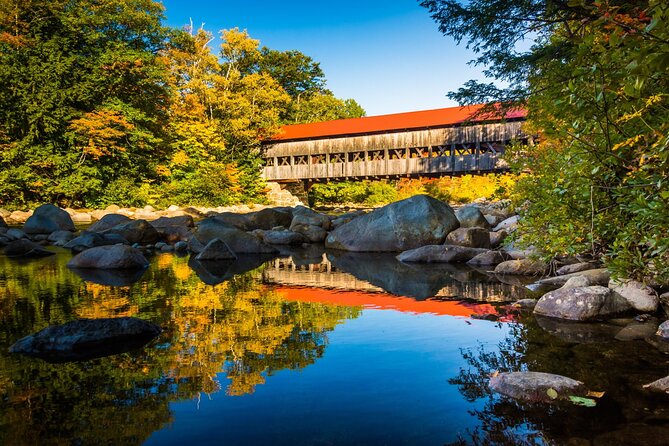
Next is Albany Covered Bridge, which is humble on the outside and fascinating in what it represents. You’ll hear how small structures mattered to settlers moving through wilderness.
From there, the audio covers myths and legends, including the truth about wigwams and the Saco River Curse. You also get a memorable feud story involving one of America’s richest families and beavers, plus the tale of the last member of the Pennacook tribe. It’s a fun way to end a scenery sequence with something you can’t quite forget.
Saco Ranger Station Finale: Turn the Drive Into the Next Chapter
The tour ends at the Saco Ranger Station, which oversees recreational activities across the area. The audio doesn’t just stop at the last story; it points you toward what you can do next—hiking, camping, biking, fishing, skiing, and more.
This is a good finish because it turns your drive from a one-off outing into a launchpad. Even if you don’t plan a long hike that day, you’ll leave knowing what kind of terrain the region offers.
And since the activity ends back where it began, you don’t have to figure out an end-of-route logistics puzzle.
How to Pace It Without Missing the Good Stuff
Here’s how I’d run it for a smooth drive.
Start by committing to the story flow. When the audio cues kick in, plan your next stop around what you hear. The tour works best when you stay on the tour route and respect speed limits.
If you’re short on time, prioritize the stops that match your priorities:
- For wildlife odds: Otter Rocks
- For big scenery breaks: Hancock Overlook (optional detour)
- For story-heavy nature and culture context: CL Graham Wangan Overlook
- For the most “let’s get out of the car” water moment: Sabbaday Falls
- For plot-driven audio: Rocky Gorge
The tour is also designed so you can pause and start whenever you want. That means you can stop for snacks, stretch, or wander briefly without breaking the experience.
One more practical tip: if the goal is better audio clarity, connect your phone to the car stereo using Bluetooth/USB/AUX. Driving with speakers instead of a quiet phone speaker tends to keep the narration enjoyable.
Who Should Book This Kancamagus Audio Driving Tour
I think this works best for three kinds of travelers.
First, you if you want a self-guided road trip that still feels like you have a knowledgeable companion in the car. The stories make the drive feel planned, not random.
Second, you if you’ll drive through areas with weak signal. The offline setup is the point, and it helps a lot on highways where service can vanish.
Third, you if your group includes people who don’t all want the same pace. One person can be out hunting for otters while another focuses on photo stops, and the audio keeps you coordinated without anyone needing to ask questions.
The main reason you might skip is simple: if your phone/setup is a problem. There’s at least one reported compatibility complaint for Android audio, and some people also reported occasional playback issues. If you’re on Android, be ready to troubleshoot, or plan a quick offline test before the drive.
Should You Book This Kancamagus Scenic Byway Audio Tour?
Yes—if you want your money to turn into time-saving sightseeing and better context. At $16.99 per group, you’re buying a low-effort way to add history, legends, and wildlife tips to a classic New Hampshire drive. The offline design is a big deal, and the ability to pause, skip, and revisit the stories later is the kind of flexibility you’ll actually use.
I wouldn’t book if you expect a fully hands-free experience without any phone prep. Download ahead, verify playback before you hit the byway, and make sure your audio setup works in your car. Do that, and this turns the Kancamagus Highway from just pretty into memorable.
FAQ
How long is the Kancamagus Scenic Byway self-guided audio driving tour?
It takes about 2 to 3 hours to complete, depending on how much time you spend at each stop.
What does it cost, and how many people can use it?
It costs $16.99 per group and the group limit is up to 4.
Is the tour available in English?
Yes, the tour is offered in English.
Will it work without cell service or Wi‑Fi?
Yes. You’ll get offline maps and the tour is designed to work without cellular or Wi‑Fi after you download it.
When do I need to download the app and tour?
You need to download the tour while in strong Wi‑Fi/cellular. After that, it works offline.
Where do I start, and does it end at the same place?
You start at the White Mountains Visitor Center and the activity ends back at the meeting point.
Do I need a parking pass for pull-offs along the byway?
A day-use pass is required for parking at most developed day-use areas along the Kancamagus Scenic Byway. Holders of the America the Beautiful interagency pass are covered at these sites.
Do I need to reserve any attractions or pay entry tickets?
No. The tour includes the audio experience, but it does not include attraction passes, entry tickets, or reservations.
Can I pause and resume the tour whenever I want?
Yes. You can start anytime and pause anywhere, then continue at your own pace.