REVIEW · HVERAGERDI
Hellisheiði Geothermal Exhibition: Entry and Audio Tour
Book on GetYourGuide →Operated by Geothermal Exhibition · Bookable on GetYourGuide
Geothermal energy turns into a hands-on story. I like how the audio guide keeps things clear, and the interactive exhibition makes the plant beneath Mount Hengill feel understandable; just know it’s self-guided, so you might not get the sort of full guided walk some people expect.
One stop I love is the Carbfix room, where the climate angle is explained through the plant’s partnership with Carbfix. I also appreciate that you can ask questions on-site, and staff members like Antonia have been specifically mentioned for giving solid answers.
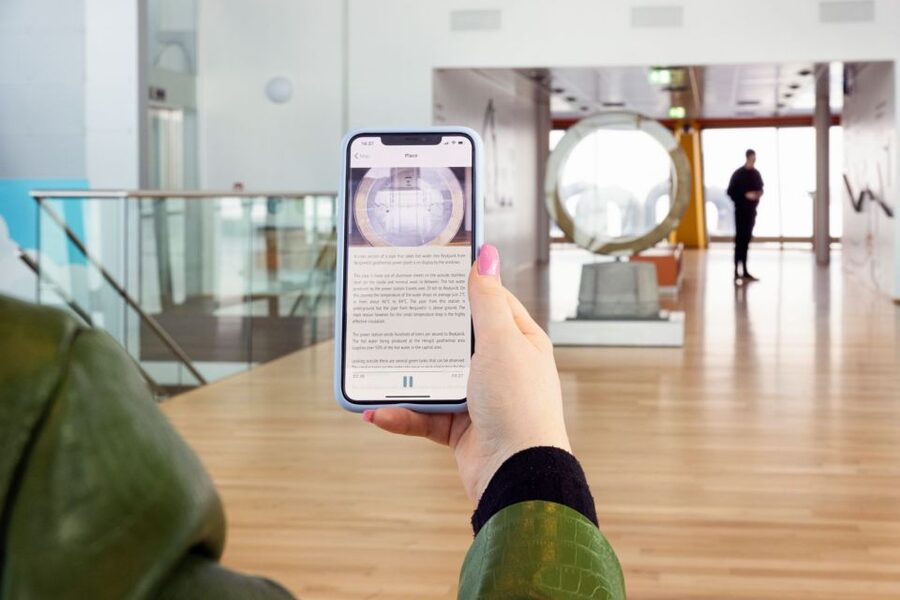
Bring headphones and a charged smartphone, since the tour runs through your device. The pace is self-paced, which is great, but the audio can feel a bit disjointed at times, so plan to slow down at the exhibits rather than rushing.
In This Review
- Key highlights worth planning for
- Where the Hellisheiði Power Plant sits (and why the setting helps you learn)
- Entry, audio guide, and the self-paced flow inside
- Interactive exhibits and viewing platforms that keep you oriented
- Carbfix Room: the climate connection beyond just electricity
- Production Process (Exhibit Stop 9) is the anchor point
- Staff questions, comfort, and family-friendly tips
- Price and value: what $21 buys you (and why it’s fair)
- Who should book this geothermal exhibition
- Should you book Hellisheiði Geothermal Exhibition?
- FAQ
- What is included with the Hellisheiði Geothermal Exhibition ticket?
- Do I need to bring anything for the audio tour?
- Where exactly do I go for the tour?
- How long is the visit, and can I stay after I enter?
- What are the opening hours?
- Is the exhibition wheelchair accessible?
Key highlights worth planning for
- Largest single-site geothermal plant focus: Learn how Iceland turns underground heat into usable energy.
- Audio guide built for real understanding: Explanations come through your phone, with English and Icelandic options.
- Carbfix room: Get the story of how the plant ties into climate solutions.
- Viewing platforms: Look at equipment and the facility layout from better angles without craning your neck.
- Production Process stop: Spend real time here so the rest of the exhibition clicks.
- All-ages interactivity: Great for curious kids, teens, and science-minded adults, with a little parent-guided help for younger visitors.
Where the Hellisheiði Power Plant sits (and why the setting helps you learn)
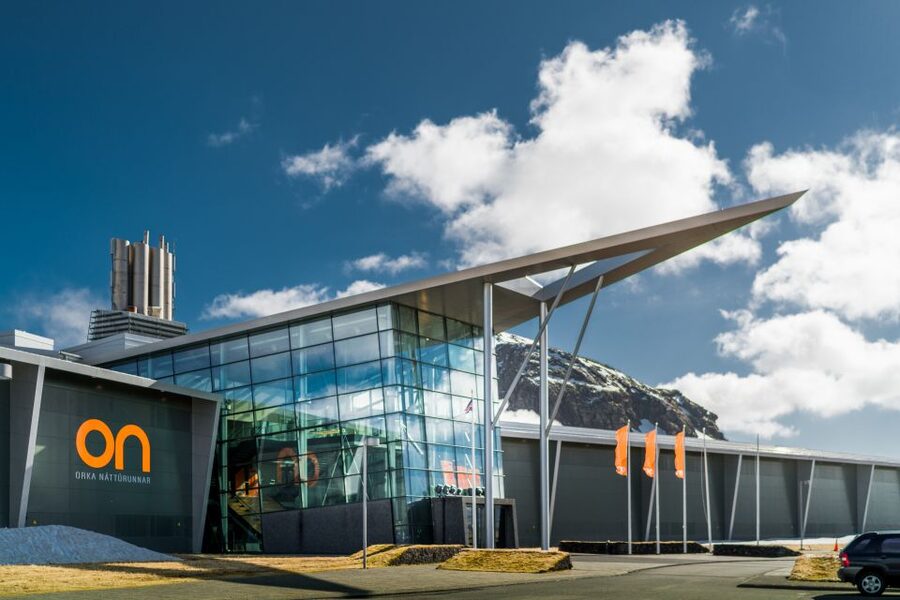
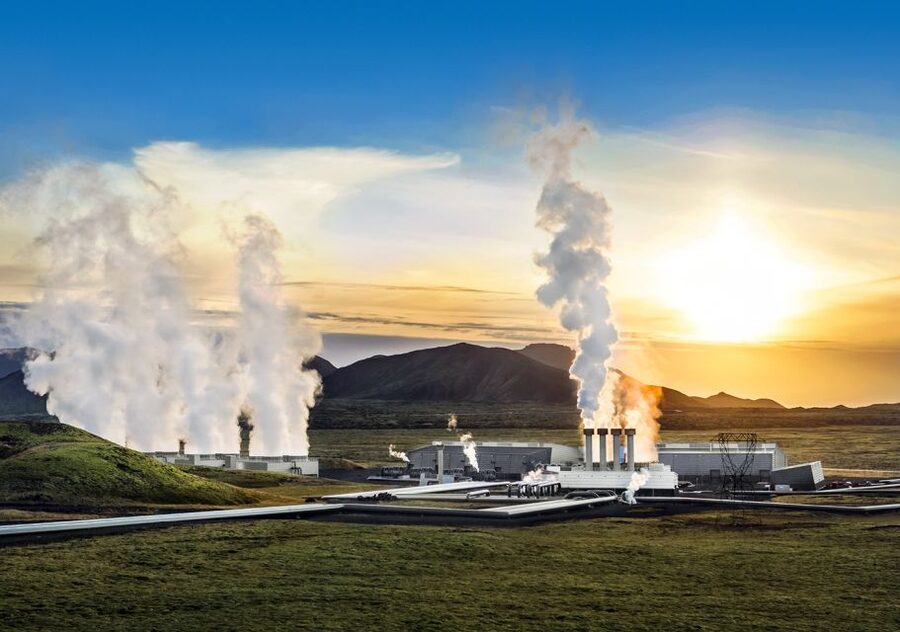
The Hellisheiði Geothermal Energy Exhibition is just outside Reykjavík, roughly 20 minutes away, at Hellisheiðarvirkjun near Selfoss. The power plant setting matters because you’re not reading about geothermal energy in some far-off lab. You’re looking at it in the real environment where it’s produced.
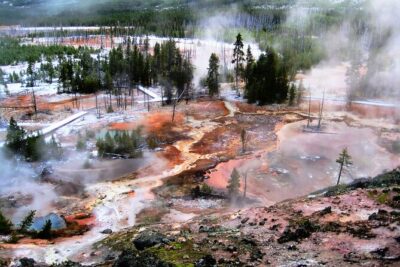
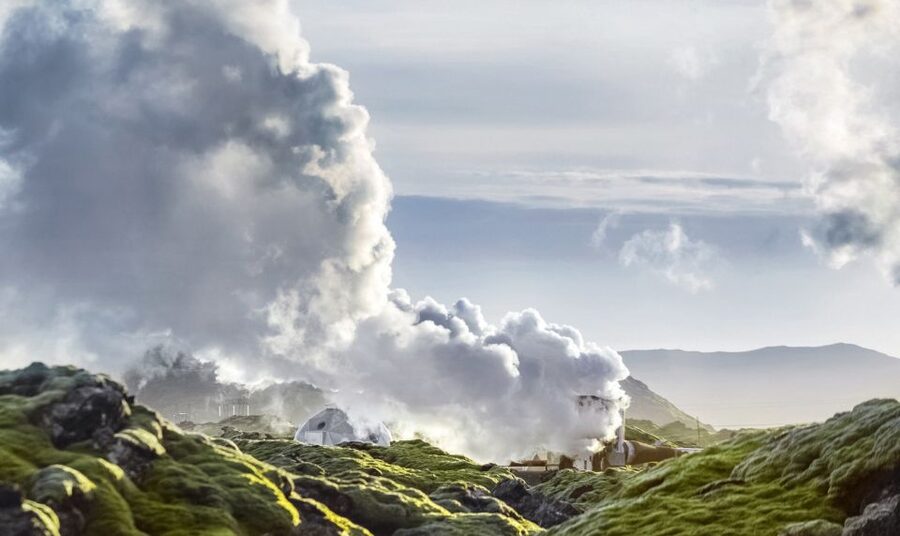
This site sits beneath Mount Hengill and around you you’ll see the kinds of ground textures that Iceland is famous for: lava fields, moss, and dramatic mountain scenery. Even if you’ve only seen geothermal steam in photos, being on-site makes it feel less abstract. It also helps you understand why this technology fits Iceland’s geography so well.
The exhibition itself is designed to guide you through what you’re seeing. That matters, because geothermal plants can look like industrial infrastructure at first glance. Here, you’re given the context to connect the machinery with the science and the real-world purpose.
Entry, audio guide, and the self-paced flow inside
Your day starts by going straight to the entrance of the Geothermal Energy Exhibition at Hellisheiðarvirkjun, 801 Selfoss. Once you enter, the format is simple: you follow the exhibition at your own speed using the included audio tour on your phone.
A key practical detail: you bring the headphones. The tour uses an audio guide available for Android and iOS, and the languages included are English and Icelandic. That means you can keep your device setup consistent with your own comfort level, and you won’t be stuck with a single narration style.
Start times are flexible, and you can stay as long as you like after entering. Hours vary by season—winter runs 9:00 AM to 4:00 PM (Nov 1–Mar 31), and summer runs 9:00 AM to 5:00 PM (Apr 1–Oct 31). In plain terms: you don’t have to sprint through. Plan to take your time, because the exhibition is built around stopping, watching, and reading in short chunks.
If you’re visiting with kids, the self-guided style is a mixed blessing. It lets kids linger on interactive pieces, but it also means adults need to help translate what they’re seeing. The best results happen when you treat it like a guided conversation, not like a quick museum stop.
Interactive exhibits and viewing platforms that keep you oriented
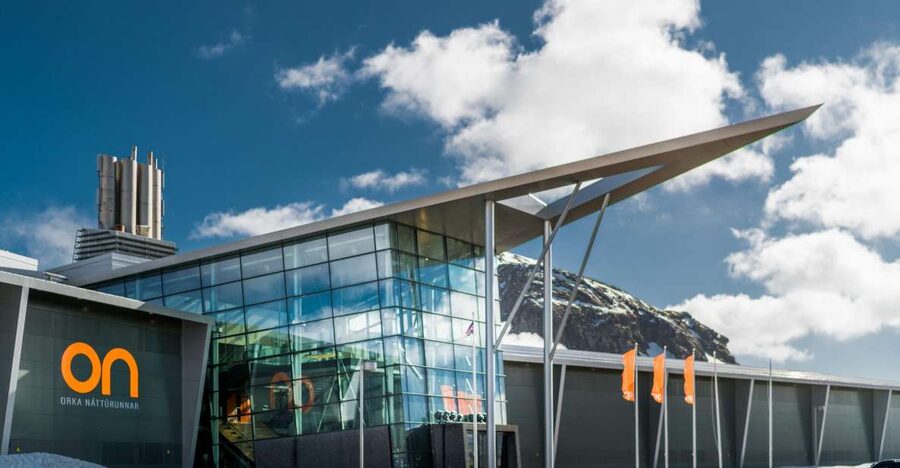
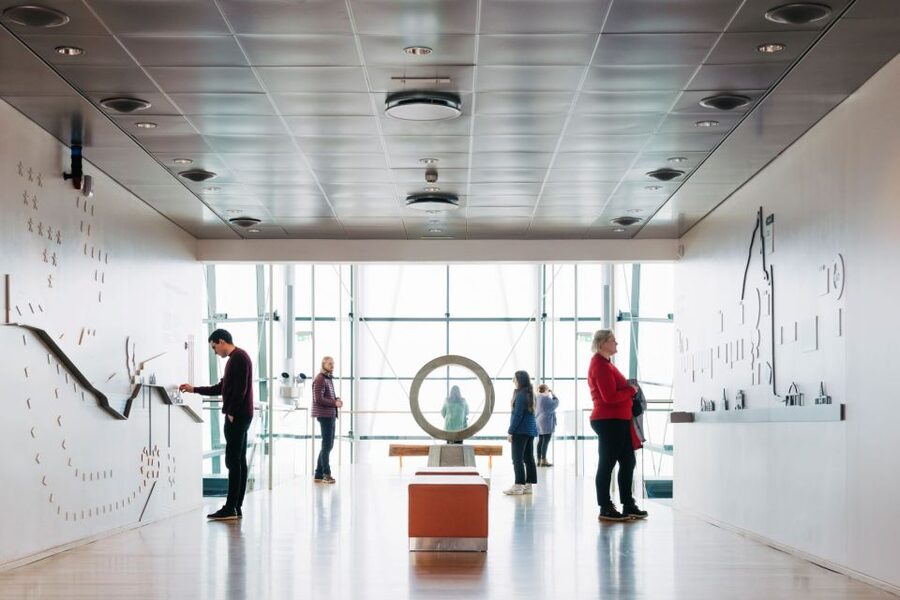
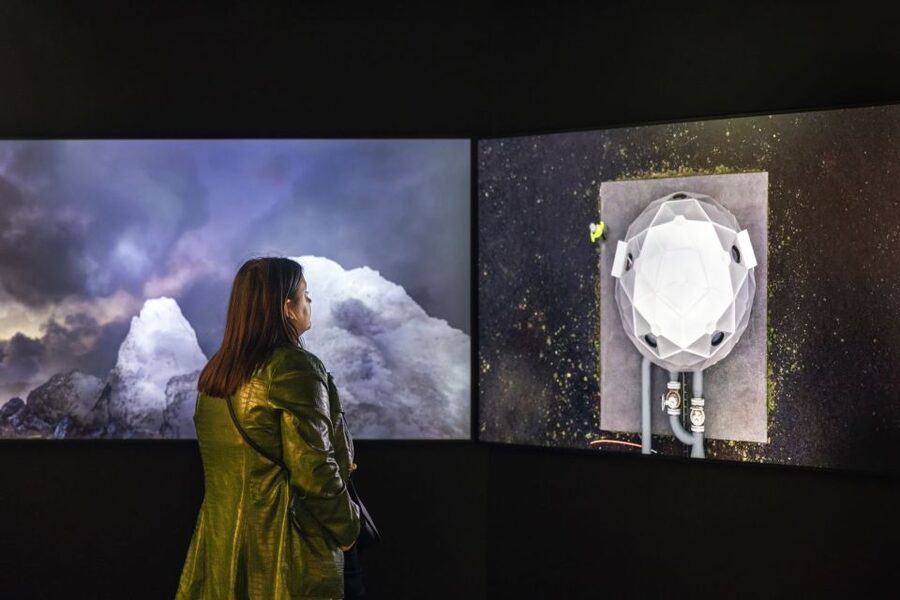
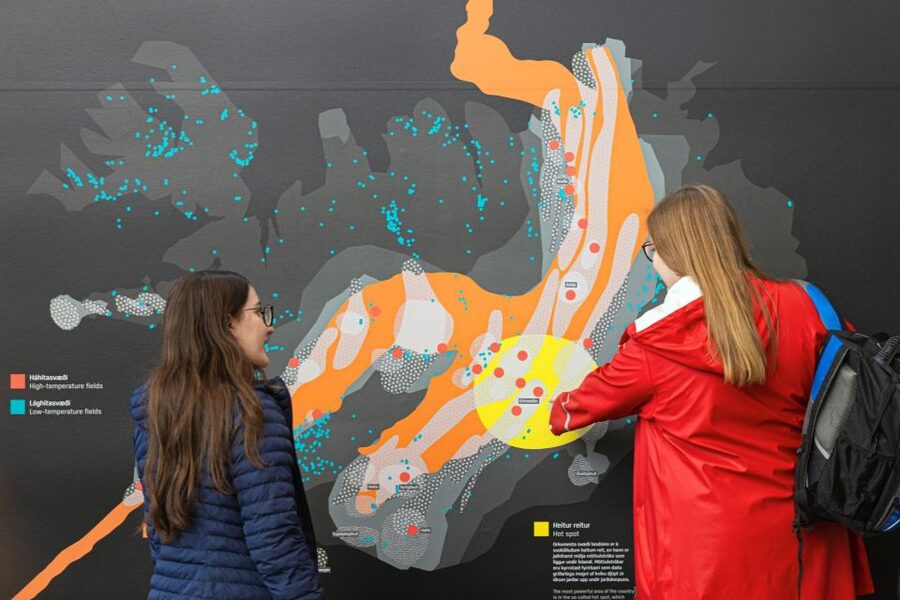
Inside, the exhibition is set up like an interactive science course, not like a lecture hall. You’ll move through different stations with displays and supporting audio commentary. This is one of the most praised parts of the experience: it’s informative without feeling heavy, and the interactivity helps you stay switched on.
You’ll also notice the facility leans into good presentation. The audio-and-video components are especially well done, with A/V material that makes the process easier to picture. That helps a lot because geothermal energy involves systems you can’t fully “see” with the naked eye. Strong visuals and sound descriptions bridge that gap.
Don’t skip the viewing platforms inside. They’re there for a reason: better sightlines. If you rush the route, you’ll miss angles where equipment and system layout make more sense. I recommend you pause, look first, then press play again on the audio guide for that section. It’s a small rhythm shift that turns confusion into understanding fast.
Carbfix Room: the climate connection beyond just electricity

One of the most memorable parts is the stop in the Carbfix room. This is where the exhibition connects geothermal energy to climate solutions, through the plant’s partnership with Carbfix.
Why this matters for you: many people travel to Iceland thinking geothermal is only about clean power for homes and industry. Here, you get to see a broader concept—how geothermal infrastructure can connect to efforts aimed at tackling emissions and the climate crisis. Even if you’re not a science specialist, the message is clear and the stop is designed to be understandable.
This is also a good place to slow down and ask questions if you’re curious. The exhibition includes on-site staff who can answer things during your visit, and staff members like Antonia have been specifically mentioned for providing helpful responses. If you want a little extra clarity on how the partnership works in practical terms, this is a solid moment to do it.
Production Process (Exhibit Stop 9) is the anchor point
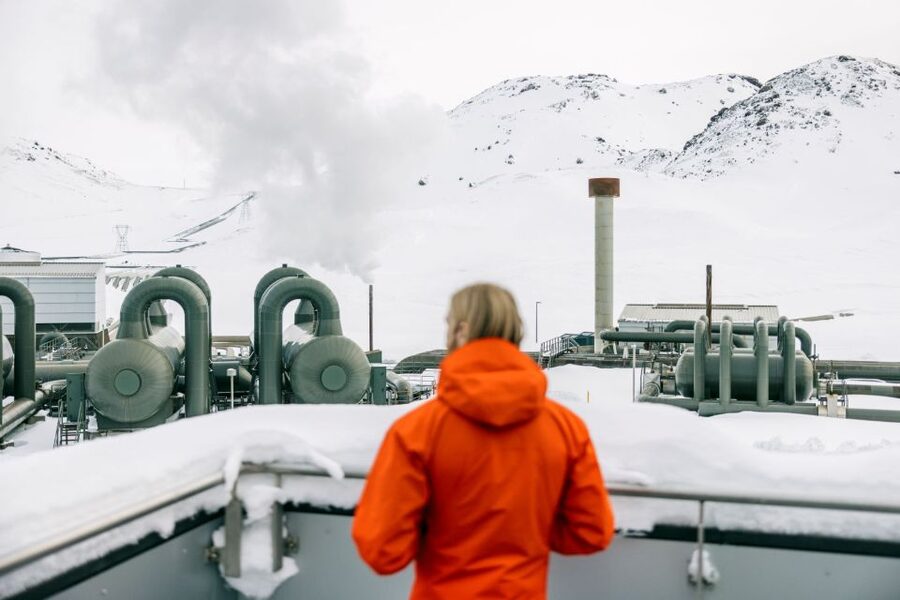
If you remember one thing about the exhibition, make it this: the Production Process section is the anchor stop. One of the clearest pieces of advice is to go directly to that part and spend enough time there for it to sink in.
Why it deserves time: it explains the industrial process behind extracting thermal power and hot water from the earth. It also frames what it takes to make it work—engineering, research, and the investment needed for success. When you understand the “how,” the rest of the displays become easier to interpret instead of feeling like disconnected facts.
A practical approach that works well: after you do the Production Process stop, go back to nearby exhibits with your new context. You’ll likely find you can connect what you saw earlier to what you just learned. It’s the difference between passive looking and real comprehension.
Staff questions, comfort, and family-friendly tips
The exhibition is self-guided, but you’re not totally on your own. On-site staff are there for questions, and the experience is set up so you can pause and get help when something doesn’t make sense.
For families: this experience is suitable for all ages, but younger kids may need you to guide them through the complexity. If your child is early in science learning, don’t assume they’ll automatically connect the machinery to the idea of geothermal heat. Instead, treat it like a scavenger hunt: point to the equipment, ask what they think is happening, then let the audio answer.
Comfort-wise, the facility is wheelchair accessible. If you’re traveling with mobility needs, it’s a good sign that access is built in. You’ll still want to take your time between exhibits—self-guided tours are best when you don’t feel pressured.
Also, keep your phone charged. The audio tour depends on it, and there’s nothing worse than getting halfway through an explanation when your battery hits the red zone.
Price and value: what $21 buys you (and why it’s fair)
At about $21 per person, the ticket price feels reasonable for what you get: entrance to the Geothermal Exhibition, a self-guided audio tour for Android and iOS, plus free parking.
That “plus free parking” detail matters in Iceland, where you’re often paying for convenience. Here, you can drive in, park easily, and focus on the experience without adding extra logistics costs.
You’re also not paying for a live guide who may or may not match your language preferences. Instead, you get an audio guide that you can control—start when you want, stop when you want, and replay sections if you missed something. For science-curious people, that flexibility is a real value.
This is also a good use of time because the experience works as a standalone visit near Reykjavík. It’s one day, it’s focused, and it has a clear theme: geothermal energy, explained in a way you can actually remember.
Who should book this geothermal exhibition
Book it if you want an authentic, on-site look at how geothermal energy works in Iceland, without needing heavy technical background. You’ll especially enjoy it if you like:
- science, engineering, or climate tech topics
- hands-on, interactive museum experiences
- a structured visit that still lets you go at your own speed
It’s also a great fit for teens and adults who want something educational but not dull. For families, it’s doable for kids, but bring a little patience and plan for extra explanation from you.
If you’re the type who needs a guide to walk you through everything step-by-step, consider that this is primarily self-guided. The exhibition is strong at explaining the process, but you should expect to do the guiding part of the guiding yourself—especially if you were hoping for a more hands-on, staff-led plant walk.
Should you book Hellisheiði Geothermal Exhibition?
Yes, if you want a smart, science-forward stop near Reykjavík that’s worth the trip and easy to schedule. The audio guide and interactive exhibits do a lot of the work for you, and the facility is built so you can look, listen, and connect the dots.
Skip or rethink if your #1 goal is a highly guided, hard-hat style access experience inside the plant with a staff member leading every step. This visit is about the exhibition and the process explanations, not a guided, in-plant adventure.
If you can go with a relaxed mindset and plan to linger—especially at Production Process and the Carbfix stop—you’ll leave with a much clearer picture of how geothermal energy and climate solutions can intersect in Iceland.
FAQ
What is included with the Hellisheiði Geothermal Exhibition ticket?
Your ticket includes entrance to the Geothermal Exhibition, a self-guided audio tour (Android and iOS), and free parking.
Do I need to bring anything for the audio tour?
Yes. Bring headphones and a charged smartphone for the audio guide experience.
Where exactly do I go for the tour?
Go directly to the entrance of the Geothermal Energy Exhibition, Hellisheiðarvirkjun, 801 Selfoss, Iceland, using your ticket.
How long is the visit, and can I stay after I enter?
The experience is valid for 1 day. Start times are flexible, and you are welcome to stay as long as you like after entering.
What are the opening hours?
Winter hours (Nov 1–Mar 31) are 9:00 AM to 4:00 PM. Summer hours (Apr 1–Oct 31) are 9:00 AM to 5:00 PM.
Is the exhibition wheelchair accessible?
Yes, the exhibition is wheelchair accessible.