REVIEW · EPIDAURUS
Epidaurus: Temple of Asclepius E-ticket & Audio Tour
Book on GetYourGuide →Operated by Clio Muse Tours · Bookable on GetYourGuide
Epidaurus is where Greek medicine turns into real atmosphere. With an e-ticket and an on-phone audio tour in English, you can move at your own pace through the Theater of Epidaurus, the museum, and the archaeological site while the stories guide your eyes. Two things I really like are how the audio connects objects to meaning (like the Asclepius figurine and the Katagogion) and that the content works offline with maps so you can actually wander. One drawback to plan around: the audio is English-only, and the app/activation can be glitchy on the wrong device or with an email issue—so prep matters.
If you have ever seen a huge ancient site and wished someone would help you notice the right details, this format solves that. You start at the site entrance, you follow numbered points on your phone, and you end up at the theatre—without waiting for a group. And yes, it’s a serious place: the whole visit is built around the healing sanctuary tied to Asclepius.
In This Review
- Key Things to Know Before You Go
- E-ticket + Audio Tour: Why This Works Better Than a Rush-Through
- Getting Your Phone Ready: The Most Important Step
- Start Point Reality: Museum-Entry Time Slot vs. Archaeological-Site Freedom
- Propylaea, Tholos, and the Ancient Theatre: Reading Epidaurus Like a Story
- Propylaea (reconstruction): The “front door” feeling
- Tholos: Why the shape grabs your eye
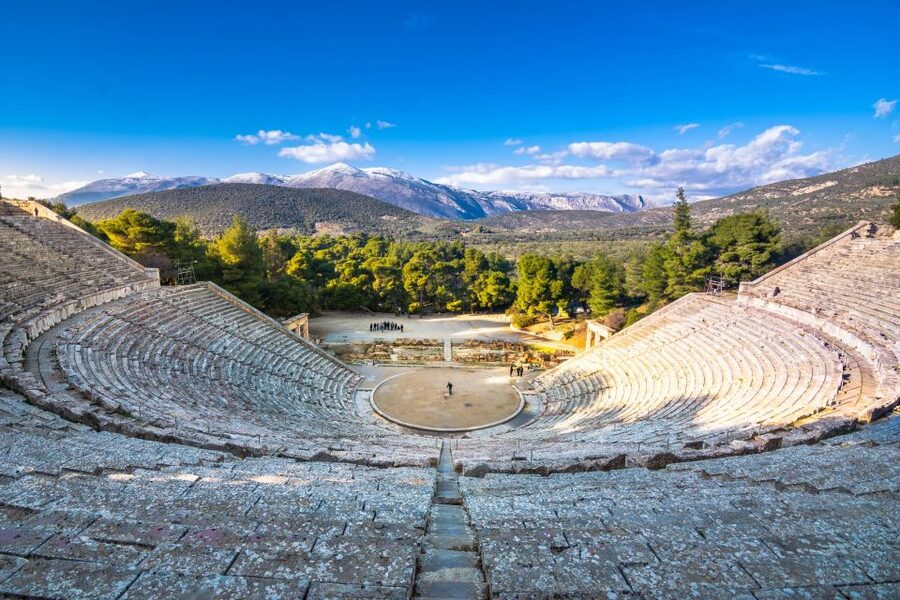
- Ancient Theatre: The final anchor
- The Healing Sanctuary Stops: Asclepius Stories You’ll Actually Remember
- The Asclepius figurine: A small object with big meaning
- Katagogion and Odeum: Lesser-known parts with purpose
- Museum Time: Better Objects, Better Context
- Armored Aphrodite Sculpture, Greek Baths, Stadium: Turning Ruins Into a Route
- Armored Aphrodite: Art that changes the vibe
- Greek Baths: Functional space with a healing angle
- Stadium: A place for movement and scale
- Price and Value: Is $41 Worth It?
- Comfort, Timing, and Practical Tips for a Smooth Day
- Who This Tour Suits Best (and Who Might Skip It)
- Should You Book It?
- FAQ
- Where does the self-guided audio tour start?
- Where does the tour end?
- What’s included in the price?
- Is there a live guide?
- What language is the audio tour?
- Can I download the content for offline use?
- Does the museum have a specific entry time?
- Do I need headphones?
- What devices are compatible?
- Is it wheelchair accessible?
- What footwear is not allowed?
- Can I get a refund if I cancel?
Key Things to Know Before You Go
- Start at the archaeological site entrance and work your way toward the Ancient Theatre at your own pace.
- Offline audio + offline maps help you avoid roaming charges and keep moving without signal.
- Museum time slot is binding for entry to the museum only; the archaeological site can be entered anytime that day.
- English audio only, with storytelling focused on specific artifacts and structures (not just general facts).
- You must bring headphones and a charged smartphone; the tour won’t run hands-free.
E-ticket + Audio Tour: Why This Works Better Than a Rush-Through
Epidaurus is a big day even when you move quickly. This experience stays sane by letting you control the tempo, which matters because the site is spread out and the details aren’t obvious from one single viewpoint.
The value here is not just the ticket. You’re buying two practical tools: admission plus an audio guide designed to be reusable before or after your visit. That means you can review the stories on the drive there, then switch back to walking mode once you arrive. Offline maps also help you keep orientation—especially because the audio is built around points and locations.
That said, you need to treat the phone like part of the tour. If your battery is low or your device isn’t compatible, you lose the main benefit. One important logistical note: storage space on your phone is listed at roughly 100–150 MB, so make sure you can actually download the offline content.
Getting Your Phone Ready: The Most Important Step
Do your prep before you leave home. The tour instructions are clear: download the app and download the audio tour to your smartphone prior to your visit, then use headphones on site.
Here’s what you should plan for based on the device rules and the way the system is set up:
- Supported phones: Android (version 5.0 and later) and iOS (with some older models not supported).
- Not supported: Windows phones, and older iPhone/iPod/iPad models listed in the activity details (for example, iPhone 5/5C and older; iPad 4 and older; iPad Mini 1st gen).
- One booking is per device, not per person, so if you’re traveling with someone and each person wants a separate audio track, each device needs its own access.
Also watch the email that you get. The ticket and activation access come by email, and if the email instructions don’t match what you expect, pause and resolve it before you drive to Epidaurus. In at least one reported case, an activation problem made the tour useless, so don’t treat the message as optional.
Finally, bring what the site asks for: a sun hat, sunscreen, and a charged phone. High heels aren’t allowed, so plan for sturdy walking shoes. You’ll be happier if your feet and phone both survive the day.
Start Point Reality: Museum-Entry Time Slot vs. Archaeological-Site Freedom
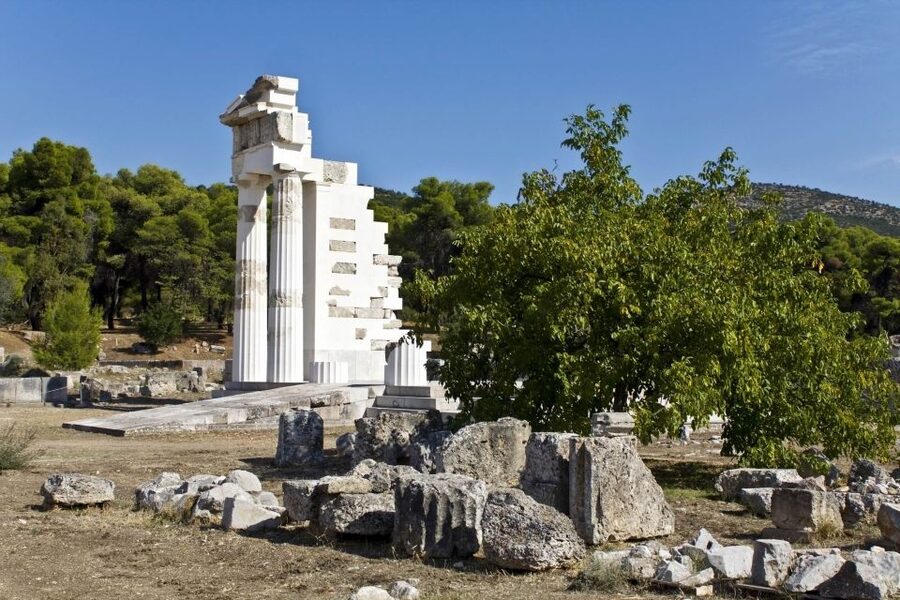
This tour is designed to start at the entrance of the archaeological site of Epidaurus. The meeting point address is listed as Epidaurus 210 52, and the audio flow ends at the Ancient Theatre at the same area.
There’s one timing detail that can trip people up: your time slot is binding for museum entry only. You can enter the archaeological site anytime on your chosen date, but if you miss the museum slot, you may have to wait or re-plan within the site’s rules.
So I’d suggest this approach:
- Arrive early enough to settle in at the archaeological site entrance.
- Use the audio to build context before you hit the museum.
- Then treat the museum slot like an appointment.
This style is especially good if you don’t want to sprint. Epidaurus rewards attention, not speed.
Propylaea, Tholos, and the Ancient Theatre: Reading Epidaurus Like a Story
As you follow the audio, you’ll cover the ceremonial flow that makes Epidaurus feel different from a typical ruin. The experience highlights the Propylaea (reconstruction), the Tholos, and the Ancient Theatre, and that trio matters because it shows you how people moved from place to place—almost like stages in a ritual.
Propylaea (reconstruction): The “front door” feeling
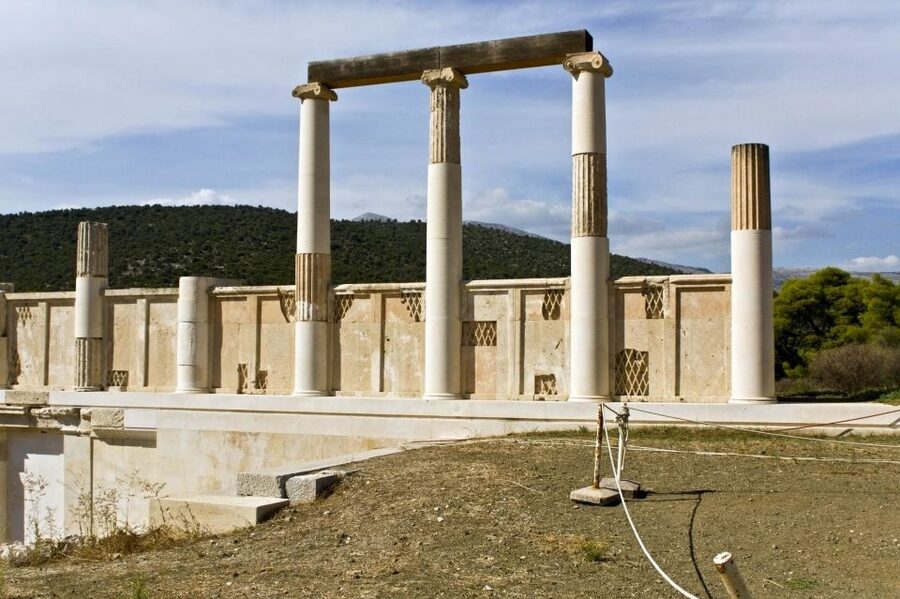
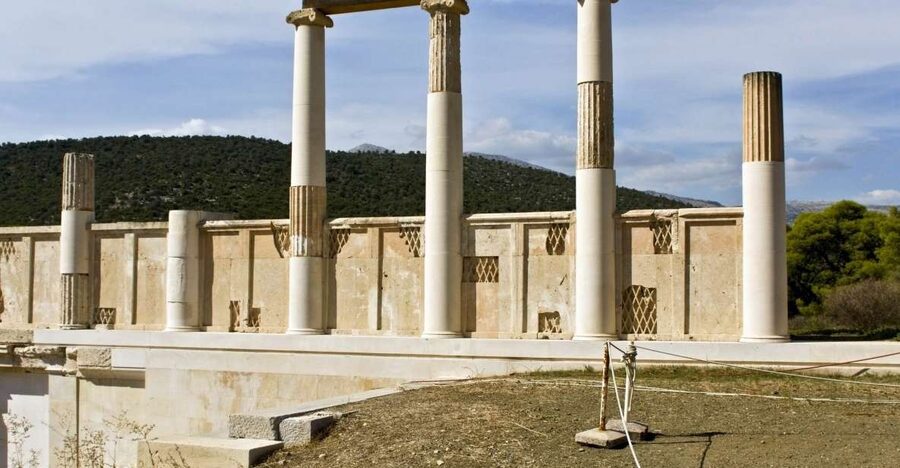
The Propylaea is reconstructed, but that doesn’t make it less useful. It helps you picture the approach: where visitors enter, how the sanctuary sets a tone, and why the space feels intentional. Even if you’re standing in modern conditions, the audio’s storytelling approach helps the reconstruction read like a clue, not just a rebuilt wall.
Tholos: Why the shape grabs your eye
The Tholos is a special structure to notice because the form is hard to ignore. The audio tour uses storytelling around key elements of the healing sanctuary, so the Tholos becomes more than an architectural detail. You start to think about how ancient Greeks might have experienced the sanctuary as a sequence of spaces meant to change your state of mind.
Ancient Theatre: The final anchor
The theatre is where the audio experience ends, so you get a built-in finish line. It’s a strong way to pace the day: start at the site entrance, build meaning as you go, then cap it at the theatre where the scale and design become unforgettable.
One practical tip: plan to spend time looking before you sit. The audio is useful, but your eyes need a minute to connect seating, stage area, and the surrounding layout.
The Healing Sanctuary Stops: Asclepius Stories You’ll Actually Remember
This is where the tour earns its keep. Instead of throwing generic descriptions at you, the audio focuses on specific stories and objects, including the Asclepius figurine wearing a himation, the Katagogion, and the Odeum.
The Asclepius figurine: A small object with big meaning
The audio’s attention to the Asclepius figurine is a smart move. When you understand who you’re looking for—Asclepius, the god connected with medicine—you start seeing the sanctuary as a place people sought, not just a place they visited. The himation detail matters because it grounds the figure in real visual culture instead of vague symbolism.
Katagogion and Odeum: Lesser-known parts with purpose
The Katagogion and the Odeum are exactly the kind of stops that can otherwise feel forgettable to visitors who don’t know what they’re looking at. With a self-guided audio format, you don’t need a guide to tell you why the spaces matter. You get short, research-informed stories and then you can stand in place and let the explanation attach itself to the ruins.
This is also one reason the “at your own pace” setup is so valuable. If a story clicks, you may want extra time at that point. If something feels less relevant, you can move on without breaking the rhythm of the day.
Museum Time: Better Objects, Better Context
The tour includes an adult entry ticket to the museum and archaeological site, and it’s built around the idea that objects and structures work together. The museum part is important because the outdoor areas can be large and sometimes visually similar—standing in one spot may not instantly show what you’re meant to notice.
One theme from real visitor feedback is that the museum holds beautiful objects and that preservation can be relatively good. Translation note: the audio is English, and the info you’ll rely on is voice narration rather than French text. If you prefer French, this may be a limitation.
Also, don’t assume you’ll be handed a paper plan. One person noted they didn’t receive a site map at the entrance, so the offline maps inside the tour become your best friend. If you like to anchor yourself with a visual guide, confirm your offline maps load correctly before you start walking.
Armored Aphrodite Sculpture, Greek Baths, Stadium: Turning Ruins Into a Route
The highlights list includes the Armored Aphrodite Sculpture, the Greek Baths, and the Stadium. These stops matter because they widen your view of what the sanctuary world included: art, daily rhythms, and public spaces.
Armored Aphrodite: Art that changes the vibe
Aphrodite is often linked with love, but here the audio frames the sculpture as part of the sanctuary environment. When you see the “armored” detail in context, it can shift how you read the place—less purely medical, more cultural and ritual at the same time.
Greek Baths: Functional space with a healing angle
The baths can feel like a routine ancient feature, but in a healing sanctuary context, they come alive. With the audio on, you’ll connect the physical space to the idea of care and restoration.
Stadium: A place for movement and scale
The stadium helps with something important: scale. It gives you a different lens than temple walls and theatre seating. It’s a reminder that ancient Greeks didn’t treat health as only spiritual or only architectural. The sanctuary world likely included bodily activity and the routines of daily life.
Price and Value: Is $41 Worth It?
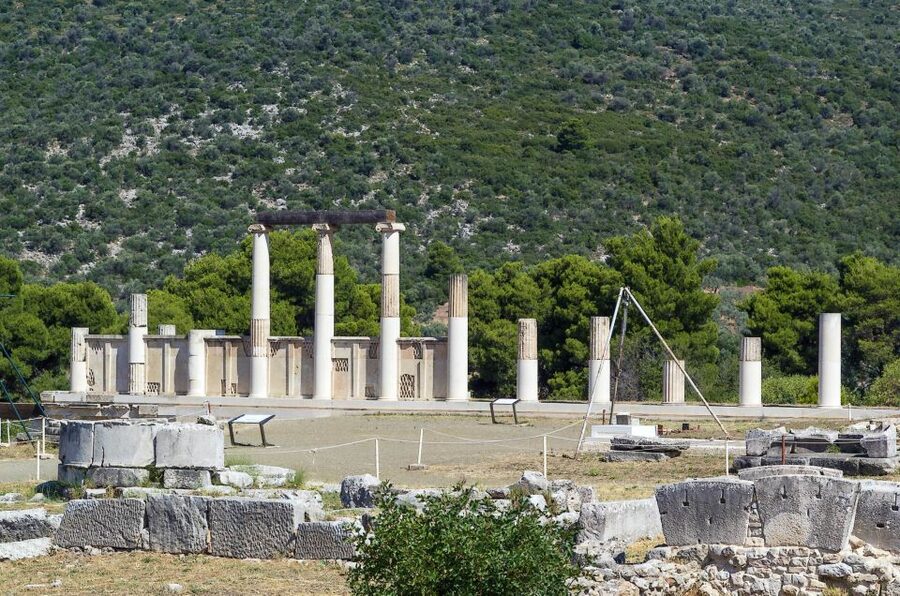
At about $41 per person (as listed), you’re paying for: the museum/archaeological entry plus the self-guided audio. The audio itself is a big part of the value because it turns “standing near rocks” into a guided, story-based walk—even if you never meet a live guide.
But here’s the practical side: the value depends on whether your phone setup is smooth. If the app works and you use headphones, you’ll get a lot out of the day. If the activation email or device compatibility fails, you may feel like you paid for something you couldn’t use.
There’s also a fair comparison to consider. One reported experience found that people who didn’t prebook paid less on site (around 6€), while the prebooked route was more (about 14€ in that example). You can’t treat that as a guaranteed rule for everyone, but it does suggest you should check on-site ticket options if you’re price sensitive and comfortable managing it yourself.
Bottom line on value:
- Great value if you want structure without a guide and you’ll use the offline audio.
- Less value if you’re worried about phone compatibility, or you’d rather rely on your own reading and photos.
Comfort, Timing, and Practical Tips for a Smooth Day
You’re out walking. The site details say high heels aren’t allowed, and the “bring sunscreen and a sun hat” advice strongly hints you’ll want protection from sun.
A few practical moves that help a lot:
- Download everything at home, then test playback with headphones before you leave.
- Bring a power bank if you have one. The tour depends on a charged phone.
- Wear shoes you can walk in for a while. The site is open-air and you’ll likely shift positions often.
- Follow the audio in order, but don’t feel chained to it. If you want to linger near the theatre after your story point, do it.
One more small logistics note: there’s no live guide and no hotel pickup. The easiest way to get there is by car, and the tour is designed around your self-paced entry.
Who This Tour Suits Best (and Who Might Skip It)
This is a strong fit if:
- You like historic sites but want story context without a group schedule.
- You’re comfortable using your phone as part of the experience.
- You want offline guidance and you’re fine with English narration.
It’s not ideal if:
- You rely on a device that might not match the compatibility rules.
- You strongly prefer French interpretation.
- You hate the idea of headphones and screen-based navigation.
If you’re traveling with someone, also make sure you understand the per-device nature of the booking. Two people with one phone may not match what you expect.
Should You Book It?
Book it if you want Epidaurus to feel like a guided walk, not a puzzle. The audio focuses on concrete features—the Asclepius figurine (including clothing details), the Katagogion, the Odeum, plus major landmarks like the Propylaea reconstruction, Tholos, and Ancient Theatre—so you’ll leave with a clearer mental map.
Don’t book it blindly if your phone situation is uncertain. Make sure your device is compatible, download the offline content, charge fully, and plan for headphones. If you do that, the $41 price starts to feel fair because you’re buying admission plus a thoughtful narrative route you can replay anytime.
If you want, tell me your phone model (Android version or iPhone/iPad model) and what time of year you’re going, and I’ll help you sanity-check compatibility and a smart day plan.
FAQ
Where does the self-guided audio tour start?
The audio tour is designed to start at the entrance of the archaeological site of Epidaurus (Epidaurus 210 52).
Where does the tour end?
The tour ends at the ancient theatre of Epidaurus.
What’s included in the price?
You get an adult entry ticket to the museum and archaeological site, plus a self-guided audio tour on your smartphone (Android & iOS), including an activation link and offline content (text, audio narration, and maps).
Is there a live guide?
No. This is a self-guided audio experience with no live guide.
What language is the audio tour?
The audio tour content is in English.
Can I download the content for offline use?
Yes. The tour includes offline content (text, audio narration, and maps) to help you avoid roaming charges.
Does the museum have a specific entry time?
Yes. Your time slot is binding for entry to the museum only, while you can enter the archaeological site anytime on your selected date.
Do I need headphones?
Yes. Headphones are not included, so you’ll need your own.
What devices are compatible?
Android (version 5.0 and later) and iOS are required. Windows phones are not compatible, and certain older iPhone/iPod/iPad models (listed in the activity details) are not supported.
Is it wheelchair accessible?
Yes, the tour is wheelchair accessible.
What footwear is not allowed?
High-heeled shoes are not allowed.
Can I get a refund if I cancel?
This activity is non-refundable.