REVIEW · CORINTH
Corinth: 3D Representations & Audiovisual Self-Guided tour
Book on GetYourGuide →Operated by Culture App · Bookable on GetYourGuide
Ancient Corinth is easier to picture than you think. The 3D reconstructions and 360 panoramic views help you see how the site looked in its prime, not just how it looks today. One catch: you’ll want reliable internet and your own earphones or it won’t feel as smooth.
This is a self-paced way to tour a layered place, with ancient Greek, Roman, and Christian references built right into the stories. The price is low enough that you can spend your time (and money) on the physical experience of walking the ruins. The trade-off is that you’re navigating on your own, so give yourself time at the start to get oriented.
In This Review
- Key things to love about Corinth’s 3D & Audiovisual tour
- Corinth through 3D and audio: why this format works
- Price and value: what $7.89 buys you
- Getting to Ancient Corinth: parking and a no-meeting-point start
- What’s inside the app: maps, 3D, audio, and navigation you should plan for
- The Temple of Apollo: using 3D to understand what’s missing
- The Bema and Apostle Paul: standing where a defense was made
- Peirene Fountain and the sound of water in myth
- Acrocorinth viewpoints: letting the site become a whole
- Using the tour like a local: 5-day validity and a smart download plan
- Monuments coverage: what you can realistically do in one visit
- What to bring: the small gear list that makes the day better
- Language options: audio where you need it
- Who this Corinth 3D tour is best for
- Should you book this Corinth 3D & Audiovisual self-guided tour?
- FAQ
- Is the archaeological entrance fee included in the tour?
- Do I need a smartphone and headphones to use the tour?
- Is internet access required?
- How much storage does the tour need on my phone?
- What languages are available for the audio guide?
- How long is the tour valid after purchase?
- Is there a meeting point or transportation provided?
- What’s included for the monuments at Corinth?
Key things to love about Corinth’s 3D & Audiovisual tour
- 360 panoramic views from 13 viewpoints to help you understand the site’s layout
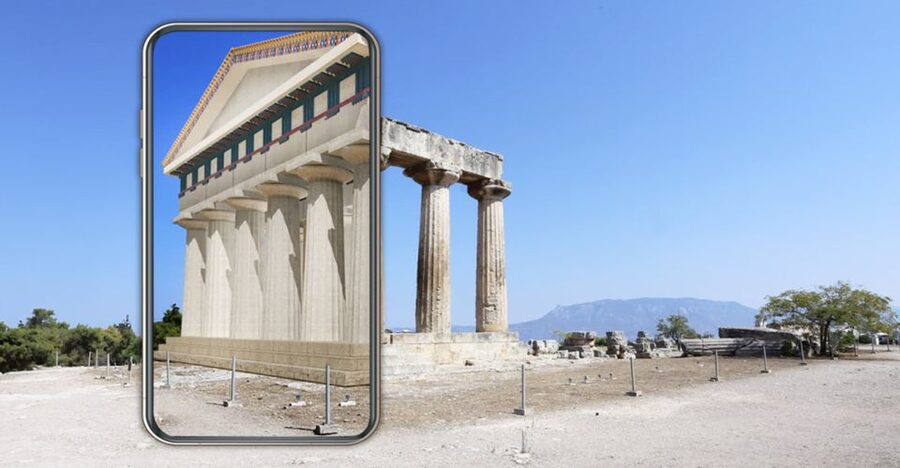
- 3D models for major stops like the Temple of Apollo and the Bema
- Audio + written info for 15 monuments, plus related stories for 8
- A travel-over-time approach, linking monuments through cultural routes
- A bonus library with 68 extra written and audio pieces about ancient Greece
Corinth through 3D and audio: why this format works
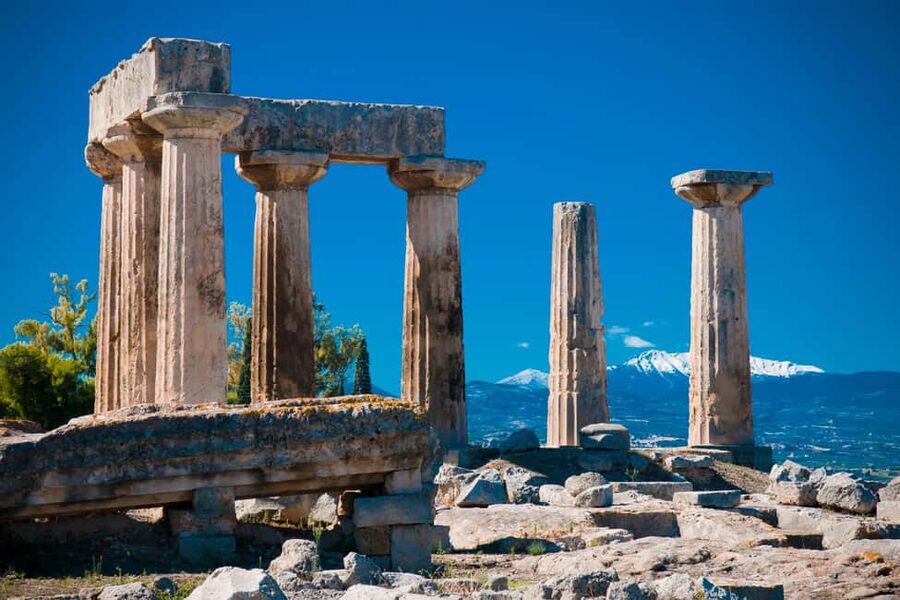
Ancient sites can be frustrating. You look at a stone wall, then you stare at it longer than you meant to, waiting for the pieces to click.
This tour makes the clicking happen faster. You get 3D presentations of monuments so you can compare what’s left with what once stood there. You also get 360 panoramic views from above at multiple spots, which is a huge help when your brain is trying to map a site you can’t fully grasp from ground level.
I also like the balance of interpretation and space to wander. The experience points you toward iconic anchors like the Bema and Temple of Apollo, then lets you use the view and narration to connect the rest of the area on your own. That matters at Corinth, where the stories jump between eras.
Price and value: what $7.89 buys you
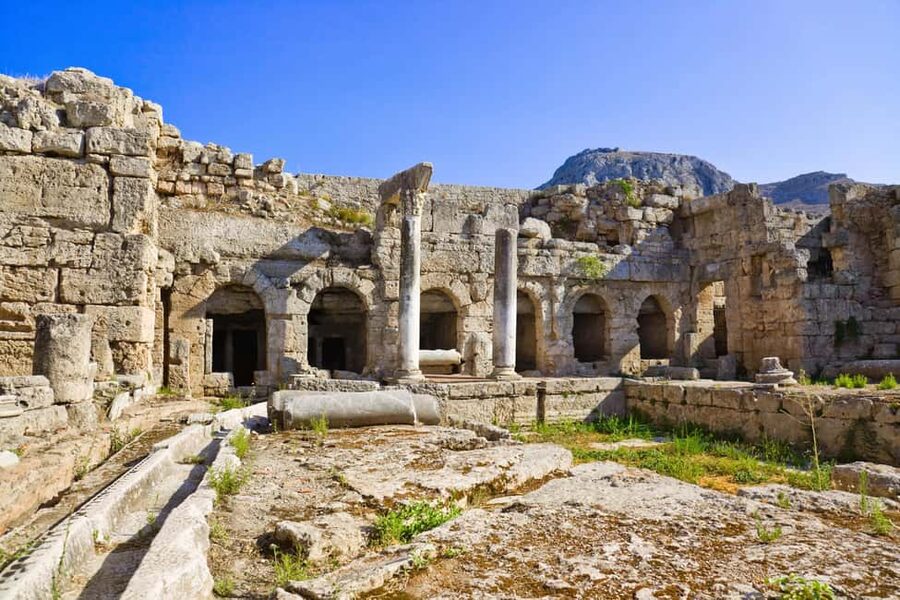
At $7.89 per person, you’re paying for interpretation, not for an expensive guided program. Entrance fees are not included, and you bring your own phone, but the content is the main value.
Here’s what you’re getting for the money, in practical terms:
- Written historical info for 15 monuments
- Audio historical info for 15 monuments
- 3D models for 13 monuments
- 360 panoramic views from 13 monuments
- Video reconstructions for 13 monuments
- Related stories for 8 monuments
- Plus a gift: 68 written and audio culture facts for ancient Greece
That’s why this can feel like a good bargain if you like learning while walking. It’s especially worth it when you want structure but don’t want to worry about group timing, language matching, or chasing a guide.
If you’re the type who only wants the basics at archaeological sites, you might feel the value depends on how much time you give the app. But if you enjoy context while you explore, this is priced to fit.
Getting to Ancient Corinth: parking and a no-meeting-point start
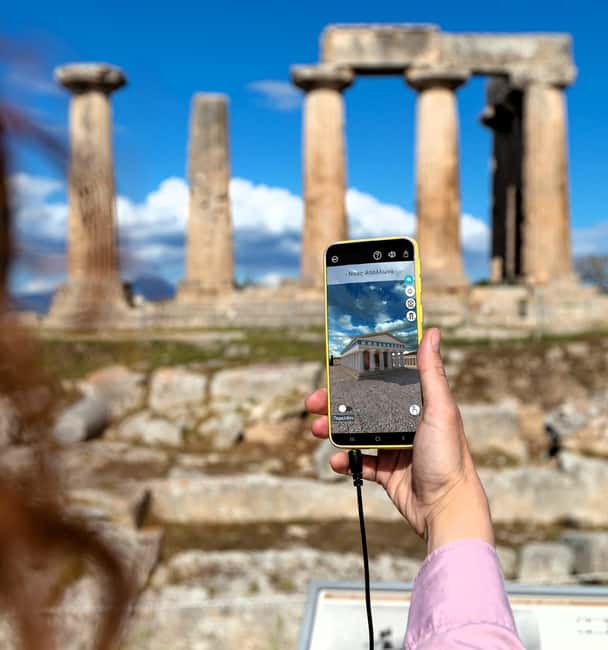
There’s no meeting point because it’s self-guided. That sounds casual, and it is, but it also means you’re responsible for showing up at the right place and starting the tour on your own schedule.
The easiest route is by car or taxi. Take the detour to the Ancient Corinth National Highway Corinth–Patra, then head toward Patras (Ancient Corinth node). There’s a parking lot right next to the site, which is a big deal when you don’t want to hunt for a spot.
Plan to arrive with daylight if possible, especially in warm months. This is a walk-and-stand kind of visit, and the app also works best when you’re not rushing between stops.
What’s inside the app: maps, 3D, audio, and navigation you should plan for
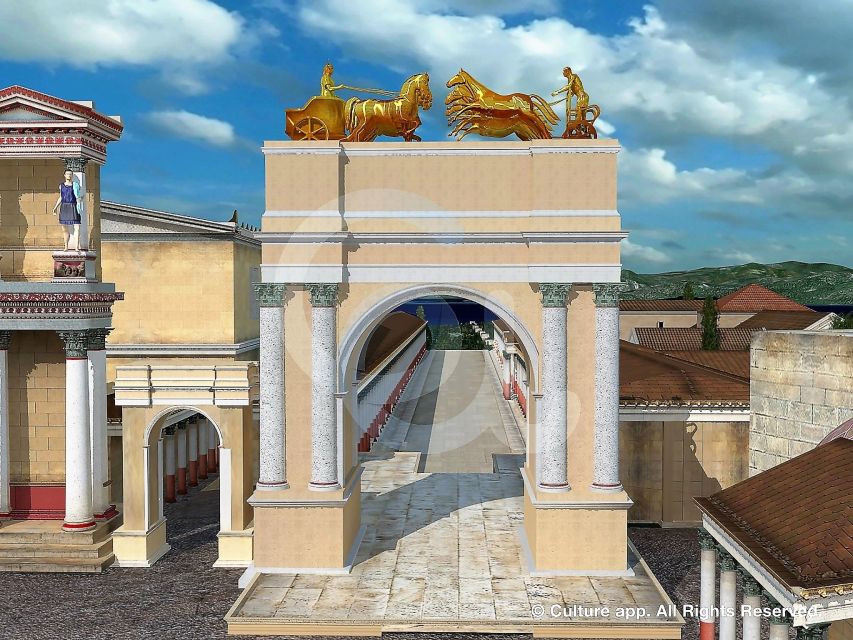
The tour experience is built around an integrated approach:
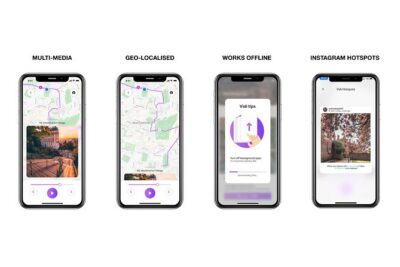
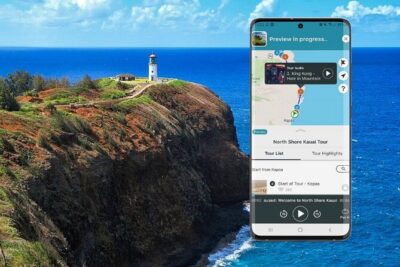
- An integrated map to identify monuments
- Written and audio historical information tied to monuments
- 3D models so you can interact with key structures
- 360 panoramic views from 13 monuments
- Cinematic video reconstructions for 13 monuments
- Related stories for 8 monuments, connecting themes rather than listing facts
In plain terms, it’s not just a slideshow. It’s designed to guide you as you move through the site, then give you context at the moment you’re standing in front of something.
Still, navigation can be a learning curve. One review note you should take seriously: it can be a little hard to navigate when you first start. My practical advice is to spend a few minutes before you walk far:
- Open the tour and confirm it’s loading properly.
- Check the map so you understand which monument you’re heading toward next.
- Start with an anchor stop that feels central, like Apollo or the Bema, so you build a mental map early.
Also, don’t underestimate phone management. You’ll be using a lot of visuals, and you’ll want your battery ready from the start.
The Temple of Apollo: using 3D to understand what’s missing
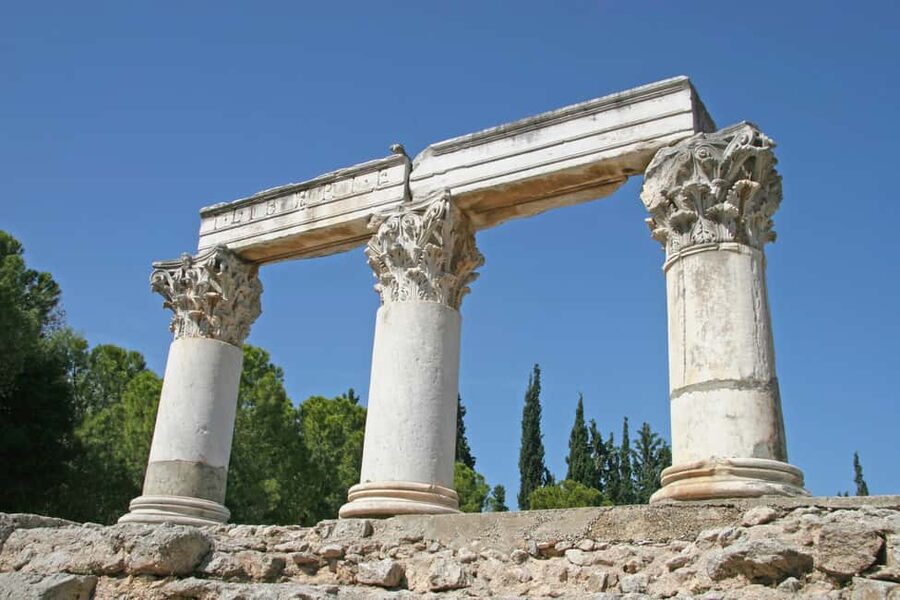
The Temple of Apollo is one of the core interactive stops. Instead of just reading about it, you get a 3D model of the monument so you can see the structure more clearly than the ruins alone allow.
Why this matters: at many archaeological sites, the most confusing part is not the story. It’s the geometry. Columns, rooflines, and spatial relationships often disappear over time, leaving you with fragments that feel random.
A 3D model changes that. You can mentally rebuild the monument while you’re still on-site. Then when you look back at the remains, the scene makes more sense.
This stop also pairs well with the panoramic views. If you take a look from the viewpoint after using the model, your brain tends to connect the monument’s position to the broader layout. That’s exactly the kind of “travel over time and space” the tour is built around.
Practical note: bring patience. If your connection is weak, 3D content may take a moment to catch up. Starting early and staying calm helps.
The Bema and Apostle Paul: standing where a defense was made
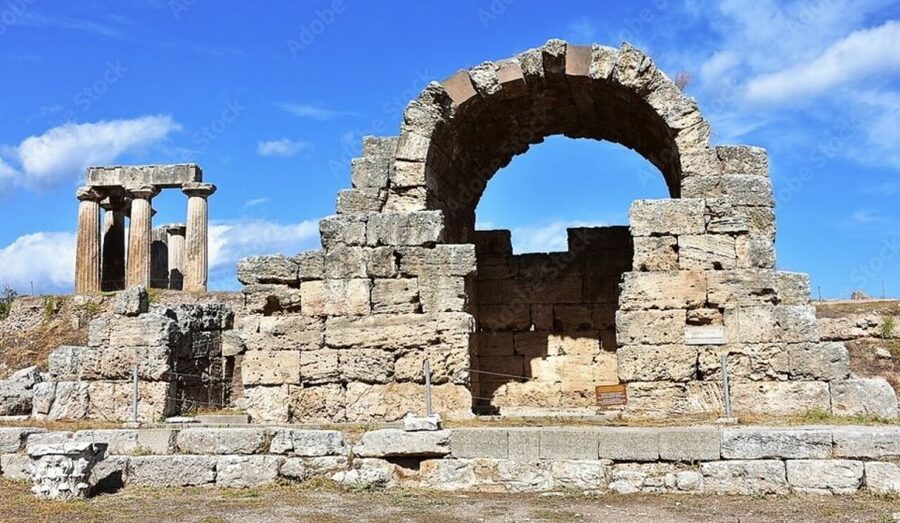
The Bema is the emotional center of this tour’s narrative. You’re encouraged to stand for a while on the Bema, where the Apostle Paul defended himself about 2,000 years ago.
This isn’t just trivia on a screen. The tour is designed to make you pause and connect place with story. You’re in a real public space linked to a dramatic moment in early Christian history, and you get the historical interpretation right where it matters.
You also get 3D help here. The tour includes interactive 3D models for the Bema, which helps you understand how the structure functioned in a public setting. Even if the modern view is partial, the reconstruction helps you imagine the scale and purpose.
My tip: don’t rush this section. If you’re walking fast through ruins, the Bema tends to feel like another stop. Slow down for a minute, take in the surroundings, and use the narration to anchor the story.
Peirene Fountain and the sound of water in myth
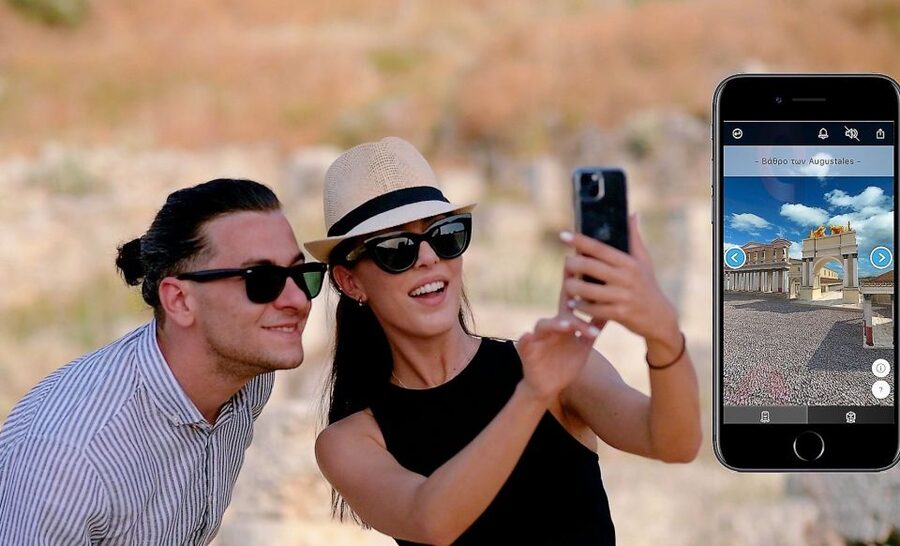
One of the most atmospheric details in the tour is the Peirene Fountain, with water that’s still running. The narration invites you to listen to the water and consider the idea of the Nymph’s lament.
This is valuable because it turns ruins into a sensory experience. Corinth isn’t only about stone and chronology. Water, sound, and atmosphere help you stay present as the stories unfold.
The tour’s audio and written content also frames how mythology and later traditions overlap around the site. That’s one reason Corinth feels like a true crossroads of the Mediterranean world: stories travel across time, not just across geography.
If you want the best moment here, give yourself time to stop. Let the sound play while you listen to the narration, then look around. You’ll likely notice how the sound guides your attention more than you expect.
Acrocorinth viewpoints: letting the site become a whole
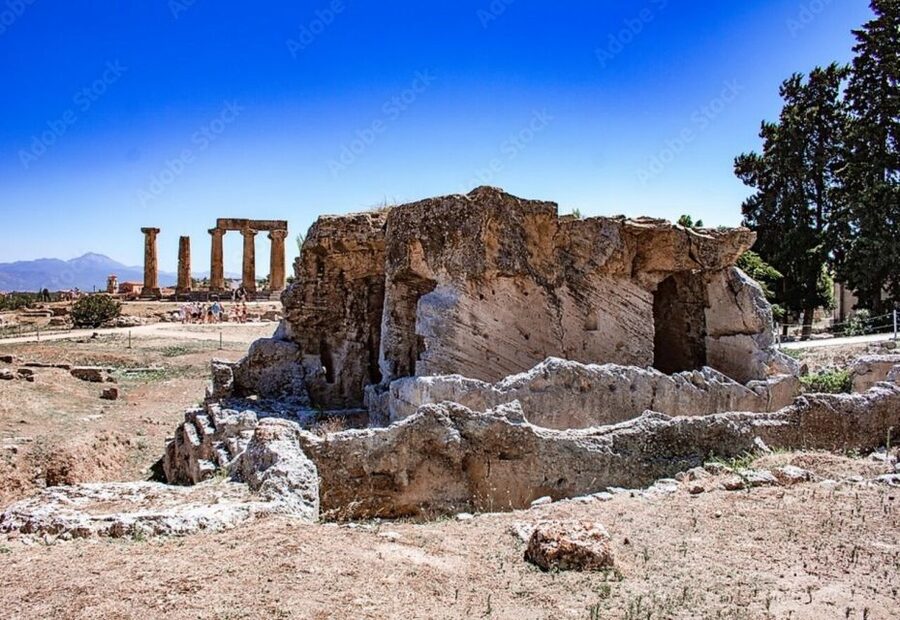
The tour culminates by sending you to Acrocorinth for a breathtaking scenery moment. This is where the 360 panoramic approach pays off, because the site starts to read like a map instead of scattered ruins.
If you’ve been walking and learning at ground level, this is the payoff. From a higher viewpoint, monuments start to line up with your earlier observations. You can connect the dots between what you saw up close and how it all fits in a wider picture.
For the best experience, don’t treat the viewpoint as a quick photo stop. Use it as a “review station” for your understanding:
- Recall the major monuments you met in the app.
- Compare what you learned from the 3D models with what you can now see from above.
- Let the audio or videos (where available) refresh the story while your perspective shifts.
Using the tour like a local: 5-day validity and a smart download plan
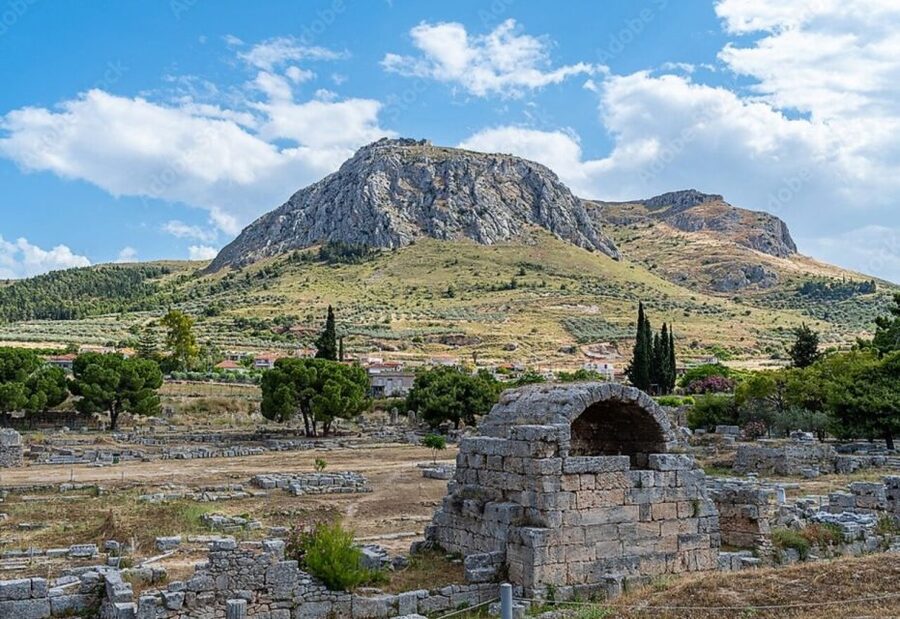
You get access for 5 days from first activation. That means you can use it once, twice, or in chunks spread across a visit window. You might use it on-site one day, then revisit parts later for context while you’re traveling around the Peloponnese.
The app also works anywhere anytime, before, during, or after your visit. That’s practical if you like prepping your route or if you want a second pass after the walk.
Here’s the part that determines how pleasant it feels:
- Internet access is required to use the tours effectively.
- Download the content on Wi‑Fi before your visit if you can.
- You’ll need about 200MB of storage.
- You’ll want your smartphone fully charged, plus earphones (headphones are not included).
If you’ve ever tried to load 3D content on roaming data under the Greek sun, you already know why this matters. Do the download work before you commit to wandering.
Also, the tour works on iOS 11.0+ and Android 5.1+. If your phone is older, check this before you rely on it that day.
Monuments coverage: what you can realistically do in one visit
The tour includes information for 15 monuments, with 3D models, videos, and 360 views for 13. That gives you flexibility, but it also means you’ll likely choose how deep you go for each spot.
At Ancient Corinth, you’re walking through an archaeological area where heat and distance can slow you down. So plan your pace like this:
- Do the anchor monuments first (Temple of Apollo and the Bema).
- Add the fountain story as a break point, since the running water creates a natural pause.
- Finish with Acrocorinth for the big-picture views.
If you try to do every monument detail with audio and video back-to-back, you’ll feel rushed. If you do the main ones carefully, then skim the rest, you’ll feel like you got value without sacrificing your legs.
What to bring: the small gear list that makes the day better
This tour is easy to start but needs a few basics for comfort and function.
Bring:
- Comfortable shoes
- A sun hat
- Water
- A charged smartphone
And for the audio:
- Bring your earphones. The tour notes specifically that you should have them with you, and headphones are not included.
Also, keep an eye on space. About 200MB of storage is required, so check before you leave if your phone is tight.
Language options: audio where you need it
The audio guide comes in English, Greek, Spanish, Italian, French, German, Dutch, and Chinese. That’s a strong set of languages, and it means you can match the narration to your comfort level without feeling locked into a single choice.
If you’re traveling with a group, this is useful even when people don’t speak the same language. Each person can follow their own audio track while still seeing the same 3D model and viewpoints.
Who this Corinth 3D tour is best for
This tour makes the most sense for travelers who:
- Like historical context while walking, not after the fact
- Want to explore on their own schedule
- Enjoy 3D reconstructions and panoramic views to understand ruins
- Prefer a low-cost, structured experience without waiting for a guide group
It’s also a good fit if you’re short on time in Corinth but want to hit the key stories: Apollo, the Bema and Apostle Paul, Peirene Fountain, and the Acrocorinth view.
If you dislike using your phone outdoors, or you’re traveling with unreliable data and no plan to download, you might feel frustrated. In that case, you’d likely want a guided option or accept a more basic self-guided visit.
Should you book this Corinth 3D & Audiovisual self-guided tour?
I’d book it if you want Corinth to make sense fast. The mix of 3D models, 360 panoramic views, and audio for 15 monuments is exactly what turns a ruin field into a readable story.
It’s also good value for the price, because you’re paying for interpretation content rather than logistics. Entrance fees and transport aren’t included, so budget separately for getting in and on-site time.
Before you hit activate, do two things: download on Wi‑Fi if you can, and pack earphones and water. If you do that, this tour becomes one of those “why didn’t we do this earlier” archaeological experiences—less staring, more understanding, and a calmer walk through the layers of Corinth.
FAQ
Is the archaeological entrance fee included in the tour?
No. Entrance fees to the archaeological site are not included in this booking.
Do I need a smartphone and headphones to use the tour?
You’ll need a smartphone. Smartphone or headphones are not included, and you should bring your earphones.
Is internet access required?
Yes. Internet access is required to use the tours effectively, so plan to download content while on Wi‑Fi if you can.
How much storage does the tour need on my phone?
You will need approximately 200MB of storage space.
What languages are available for the audio guide?
Audio is available in English, Greek, Spanish, Italian, French, German, Dutch, and Chinese.
How long is the tour valid after purchase?
It’s valid for 5 days from the first activation.
Is there a meeting point or transportation provided?
No. There is no meeting point and no transportation service because it’s self-guided.
What’s included for the monuments at Corinth?
The tour includes a map for monuments identification, written and audio information for 15 monuments, 3D models and 360 panoramic views for 13 monuments, video reconstructions for 13 monuments, related stories for 8 monuments, and a gift of 68 written and audio culture facts about ancient Greece.