REVIEW · CANTERBURY
Canterbury Cathedral: Entry Ticket with Audio Guide
Book on GetYourGuide →Operated by Canterbury Cathedral · Bookable on GetYourGuide
One ticket, 1,400 years of Canterbury. This visit uses a handset audio guide to turn the cathedral into a clear, story-led walk instead of aimless wandering.
I especially love how the stained-glass windows and towering interior make the past feel physical, not just factual. I also like that the ticket isn’t only for the main church—you get access to major precinct spaces and extra areas like the Chapter House.
The main drawback is navigation: without obvious numbered points, you can lose your rhythm, and a few people had trouble with their audio device at first. Still, it’s the kind of place where pausing and looking is half the fun.
In This Review
- Key Things to Know Before You Go
- Canterbury Cathedral’s 1,400 Years in One Walking Route
- The Audio Guide Handset: Why It Makes This Ticket Feel Worth It
- What You’ll See in the Cathedral Interior (And What to Notice)
- Chapter House: The Ceiling Detail That’s Easy to Underestimate
- Great Cloister: Where Atmosphere Does Half the Work
- Gardens and Exhibitions: The Extra Time That Makes the Ticket Feel Complete
- Crypt and Photography Rules: Save Your Memory, Follow the Limits
- Plan Your Timing and Pace (So You Don’t Feel Lost)
- Getting the Handset and Headphones: Meeting Point Basics
- What This Ticket Is Best For
- Should You Book This Canterbury Cathedral Entry With Audio Guide?
- FAQ
- How long is the Canterbury Cathedral entry ticket experience?
- What’s included with the ticket?
- Which languages are available for the audio guide?
- Where do I pick up the handset and headphones?
- Are there restrictions on photography?
- Is the site wheelchair accessible?
- Can I visit with kids?
Key Things to Know Before You Go

- Handset audio guide: clear narration with headset audio in multiple languages
- Old stained glass: some of the oldest windows in the world to stare at for a long time
- Chapter House access: the ceiling detail is a standout stop
- Great Cloister: a quiet, atmospheric space shaped by centuries of monk life
- Up to 3 exhibitions plus three public gardens, including a reimagined medieval herbarium
- Small group (max 9), so the entry process stays calmer than big crowds
Canterbury Cathedral’s 1,400 Years in One Walking Route
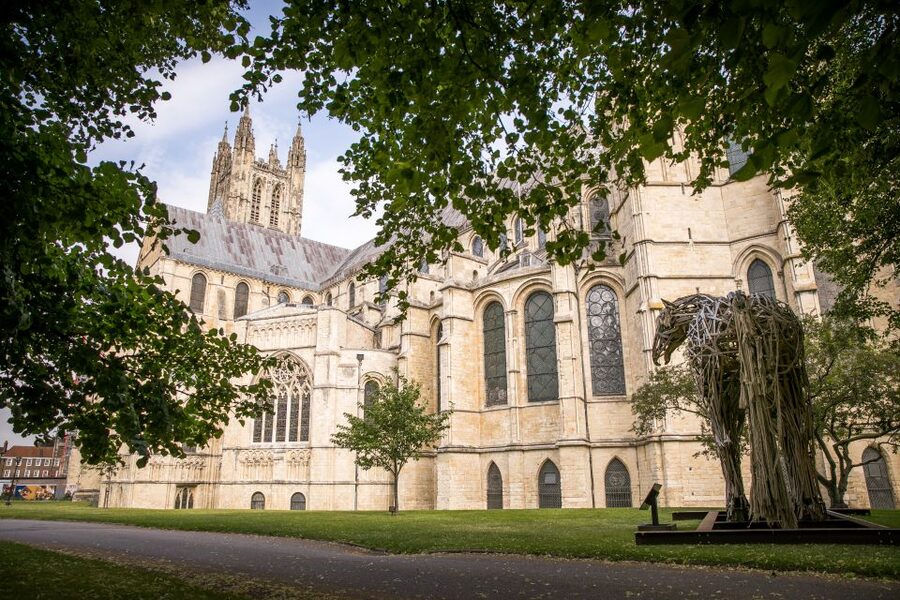
Canterbury Cathedral sits at the center of England’s church story, and the building shows it. You’re stepping into the mother church of the worldwide Anglican Communion, and also into the long-running role of Canterbury as the seat of the Archbishop. The result isn’t just a pretty church. It’s a layered site where each century left marks—sometimes subtle, sometimes dramatic.
One reason this works so well with an audio guide is scale. The cathedral is huge, and it has enough corners and side spaces that a self-guided stroll can turn into a blur if you don’t have context. With the handset and headphones, the visit becomes structured. You hear why certain spaces matter and what to notice as you move through the nave, the cloisters, and the surrounding precincts.
Also, the history is not abstract. In 597 A.D., Pope Gregory the Great sent a monk named Augustine to England as a missionary. Augustine established his seat (the cathedra) and a monastery in Canterbury and became England’s first Archbishop. Later, stories of miracles drew pilgrims, and that pilgrimage energy is famously reflected in Geoffrey Chaucer’s Canterbury Tales. Then came big physical change: after a fire in 1174, parts of the cathedral were rebuilt in the Perpendicular Gothic style. In other words, you’re not just looking at one moment in time. You’re seeing how a living place adapts and rebuilds.
The Audio Guide Handset: Why It Makes This Ticket Feel Worth It
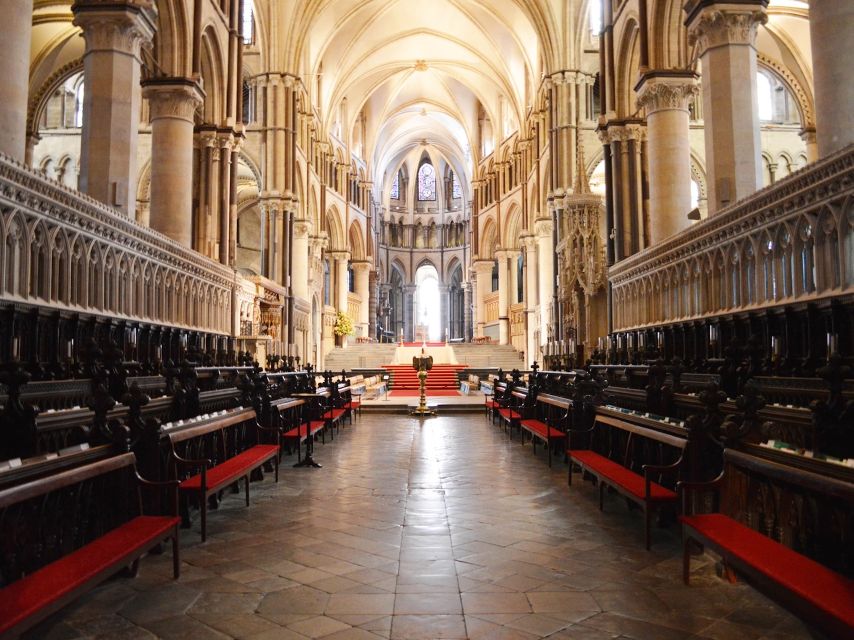
This ticket includes a handset plus headphones, with audio available in English, German, French, and Japanese. That matters because Canterbury Cathedral is the type of site where a little guidance saves a lot of time and confusion.
Here’s what I like about the format. You can tour at your own pace. You’re not rushed from one highlight to the next, and you can stop to look at stained glass, carvings, or wall details without feeling like you’re holding up a group. One strong theme from feedback is that the narration helps you understand what you’re seeing—without needing to hunt down a separate expert guide.
The narration also comes in segments, with natural stops that make the visit easier to manage. In the device experience, there are often suggested next points (including a Where Next option at the end of most sections). That turns the cathedral into a guided loop rather than a choose-your-own-adventure with no map.
One caution: the audio device experience can be uneven. A few people reported their handset kept crashing at first or had issues during the visit. If that happens, don’t stress about losing the whole plan—there’s no time pressure in how you explore these spaces. Also, since the audio is self-guided, you can pause, wait, and let the story catch up to your eyes.
What You’ll See in the Cathedral Interior (And What to Notice)
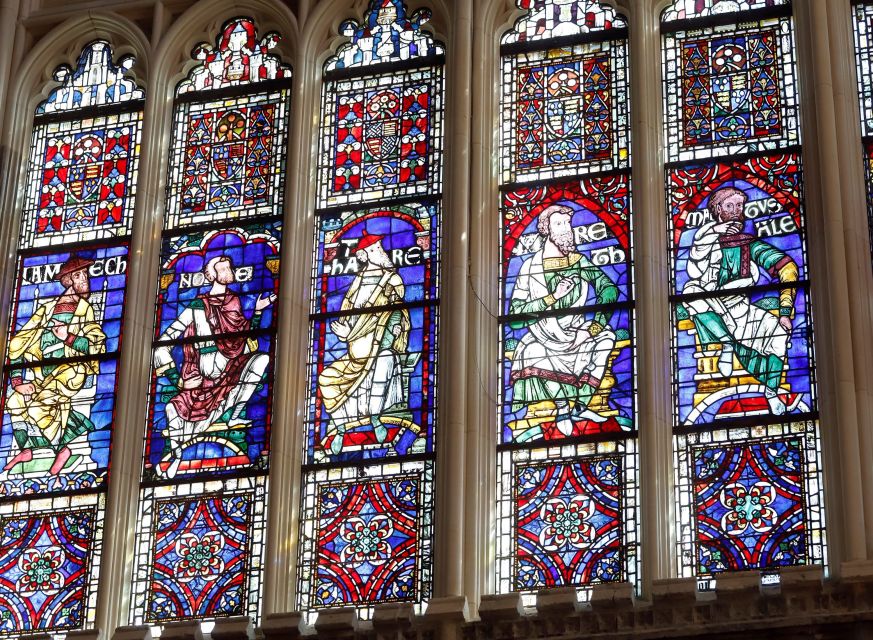
When you enter, your eyes go up fast. Canterbury Cathedral has high ceilings and strong architectural lines that make you feel small in a good way. This is one of those interiors where the space itself is part of the story—so listening while you look helps more than you’d expect.
Focus on the stained glass. This cathedral has colorful windows, including some of the oldest in the world. Don’t just glance. Spend a few minutes letting the light and colors shift as your position changes. Stained glass reads differently when you move your viewpoint even slightly.
Also watch for the way the building tells time through style changes. Canterbury’s medieval building and rebuilding spans hundreds of years, with alterations that reflect changes in architectural style. After the 1174 fire, parts were rebuilt in the Perpendicular Gothic style. You’ll see how that era’s design preferences shaped surfaces and space.
And keep an ear out for the people the narration connects to these spaces: royals, monks, and martyrs show up as you move under the tall interior. That does something practical. It keeps you from treating the cathedral like a museum display. Instead, it becomes a place where individuals made choices—built things, prayed, preached, traveled, and mourned.
Chapter House: The Ceiling Detail That’s Easy to Underestimate

The ticket includes access to the historic Chapter House, which is often one of the best “wow” moments because it’s not as immediately obvious as the main nave. Once you’re in, you realize why monastic life cared so much about rooms like this. The Chapter House ceiling is described as incredibly detailed, and that description is spot-on for what the space invites: slow looking.
If you tend to rush interiors, this is where you can break that habit. Take a minute to look straight up, then reorient and look from a different angle. Details that looked like texture from one direction start to make more sense once you shift your viewpoint. The audio guide helps you connect the room’s purpose to what you’re seeing.
This is also a good place for a reset in pacing. If the main church feels overwhelming (it can), Chapter House is contained. It’s still impressive, just less “everything at once.”
Great Cloister: Where Atmosphere Does Half the Work
The Great Cloister is another included highlight, and it has a special kind of stillness. This is the atmospheric precinct space walked by monks for centuries. You can feel that continuity even when you’re surrounded by modern visitors.
Cloisters work best when you slow down. Don’t treat it like a quick corridor between sights. Stand for a bit, let the sound soften, and pay attention to how the architecture frames the courtyard. The narration gives you context for the place, so you’re not just walking through stone—you’re walking through a routine that lasted generations.
If you’re the sort of person who likes quiet, this area will probably be one of your favorites. If you’re traveling with someone who gets “cathedral fatigue,” the cloister is usually where they stop complaining and start taking photos that they actually care about (just remember: photography rules apply, and the crypt has stricter limits—more on that below).
Gardens and Exhibitions: The Extra Time That Makes the Ticket Feel Complete
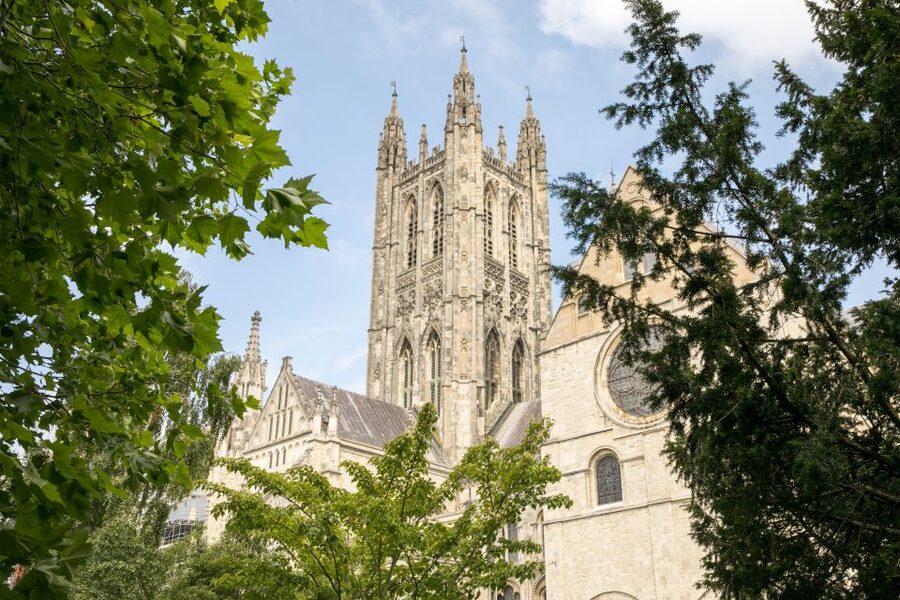
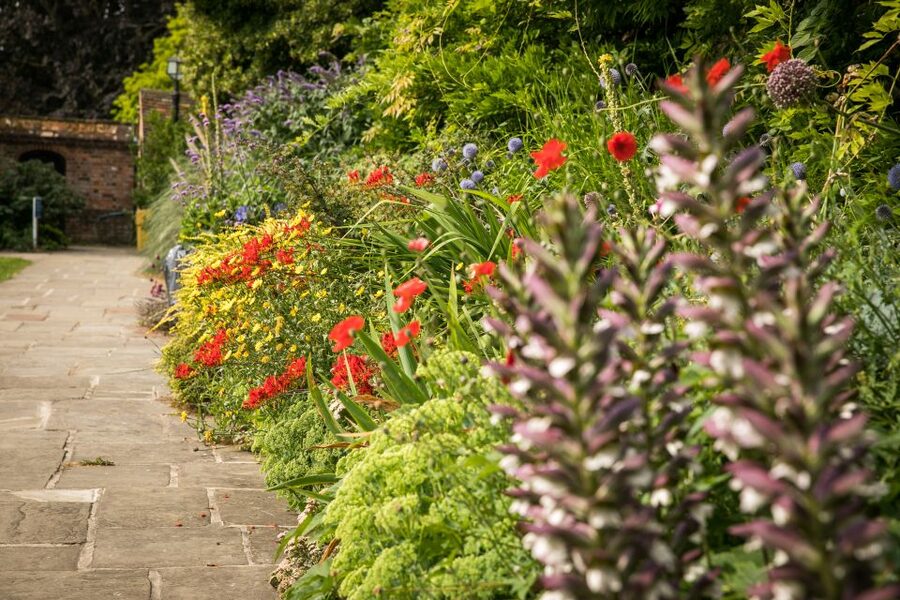
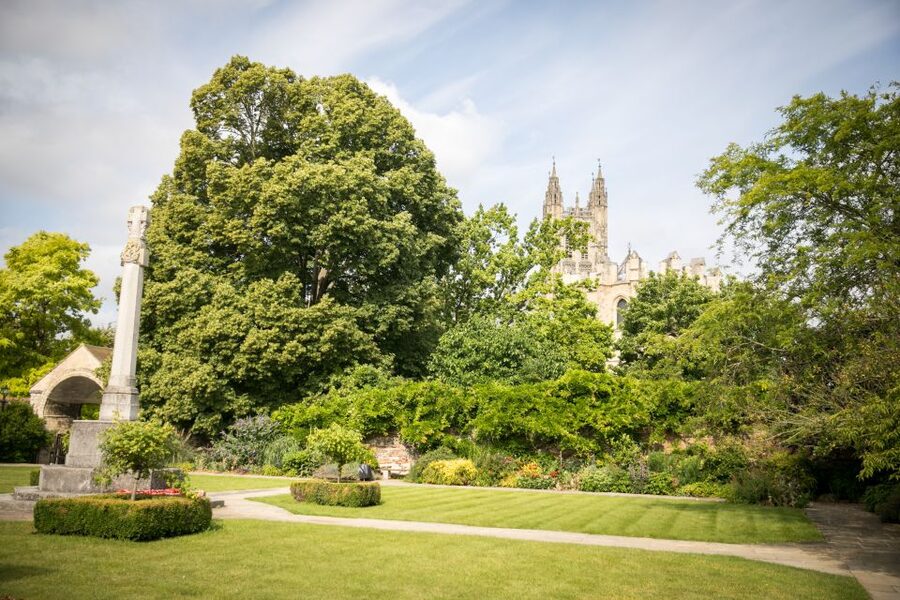
You get access to three public gardens, including a reimagining of a medieval Herbarium. Gardens are often an afterthought in major church visits, but Canterbury’s included grounds help you understand the site as more than stone and windows. It’s a living campus edge with curated nature and historical echoes.
It also helps that the ticket can include up to three exhibitions around the site. That flexibility is practical. If you want more indoor context, you can pick an exhibition or two. If you’d rather spend more time outside with the gardens, you can do that too.
One pattern in feedback is that people felt the experience lasted longer than the minimum expectation. Many spent around two hours inside and out, and some naturally lingered beyond what they planned, since there’s always another angle, another window, or another room to read.
My advice: don’t pack this into a tiny slot. If you want to actually enjoy the cathedral (not just survive it), give yourself time to pause. This is especially true because the audio guide encourages you to go section by section at a pace that feels comfortable.
Crypt and Photography Rules: Save Your Memory, Follow the Limits
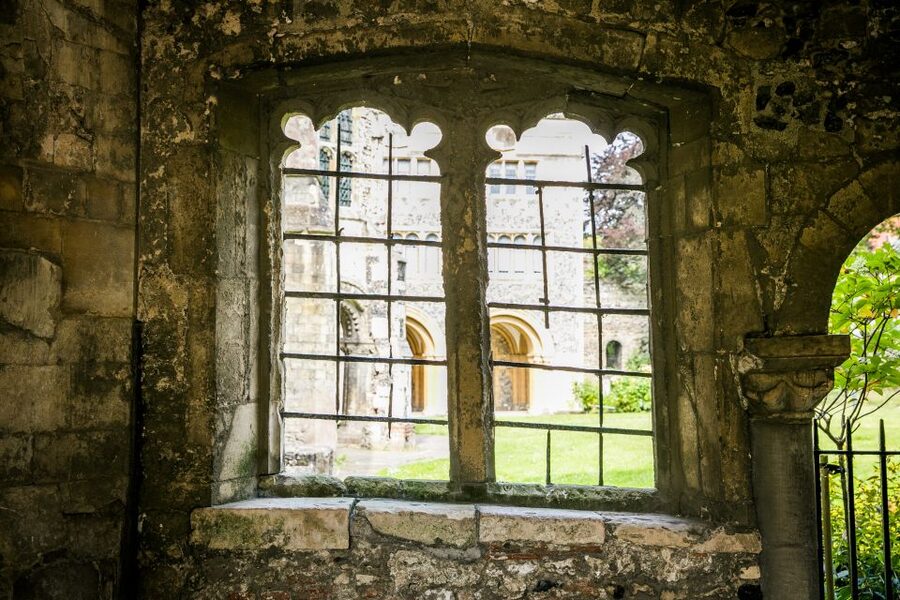
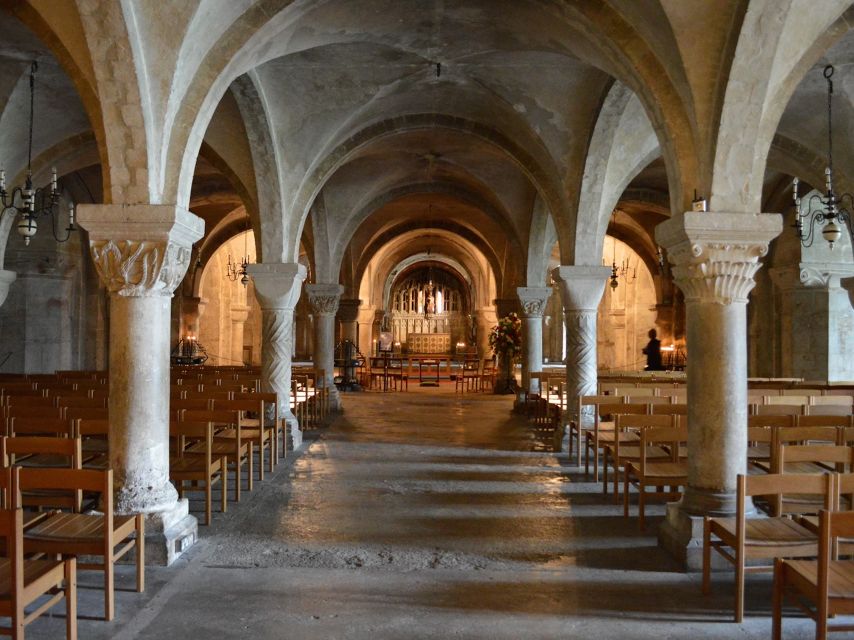
The cathedral precinct has rules that affect how you capture photos. Commercial photography is not permitted, and no photography or video recording is permitted at any time in the crypt. That last rule is the one you really need to remember, because crypt spaces tempt people to start filming.
Plan on taking mental photos. Use your eyes first, then snap a few images in allowed areas if you want. If you’re a “photos are my main souvenir” person, you’ll still have plenty to photograph above ground, but don’t count on getting everything in the crypt.
Also be aware that the museum reserves the right to conduct random bag searches when you enter the cathedral and precincts. Keep bags minimal and organized so you’re not stuck repacking on the spot.
Plan Your Timing and Pace (So You Don’t Feel Lost)
This is sold as a 1-day entry experience, and you can start at times shown by availability. Practically, you should treat it like a half-day to full-day style visit, depending on how long you linger.
If you want a smooth flow, aim for a simple rhythm:
- Start with the main interior to get your bearings and see the big highlights.
- Move through Chapter House and cloister zones while your mind is still keyed to the cathedral’s purpose.
- Finish with gardens and optional exhibitions so you’re not rushing outdoor spaces at the end.
Why this order helps: the audio guide makes more sense when you’re not bouncing randomly. Some visitors found the directions a bit confusing without clear numbered matching points. If you want to avoid that, follow the audio’s suggested structure, especially when the device offers a Where Next option.
A small group setup can help too. This is limited to 9 participants, and that usually keeps the entry area less chaotic. The ticket also includes skip-the-ticket-line access.
Getting the Handset and Headphones: Meeting Point Basics
You’ll present your voucher at Canterbury Cathedral. You’ll be directed to the desk to receive your media guide sets and headsets. The host/greeter language options include English, French, Japanese, and German, so even if you need help troubleshooting, you’re not stuck guessing.
A couple items to know:
- The visit is wheelchair accessible, but some floors are uneven in places.
- Some entryways have stone steps, while others offer ramps.
- Lighting levels at the museum may vary.
- Some areas may close at short notice.
For planning, this means you should be ready for small reroutes. If a space shuts temporarily, follow the audio guide’s flow and don’t fight the building.
What This Ticket Is Best For
This experience is a strong fit if you:
- Love church history and want an explanation that connects architecture to events and people
- Like self-guided travel, but still want structure so you don’t miss the point
- Want to explore major cathedral spaces without booking a separate live guide
- Enjoy stained glass and can spend time looking up
It may be less ideal if you:
- Need highly intuitive signage and prefer numbered stops everywhere (a few people felt the tour needed clearer point labels)
- Are easily frustrated by audio technology issues (rare, but it can happen, based on feedback)
If you like travel where you can choose your pace—slow down for windows, step aside for gardens, return later to re-read a detail—this ticket is built for that.
Should You Book This Canterbury Cathedral Entry With Audio Guide?
I think you should book it if you want the best kind of cathedral visit: structured, paced by you, and anchored in real story. The audio guide and handset format turns Canterbury from a big impressive building into a place with direction—especially in rooms like the Chapter House and Great Cloister.
It’s also good value in practice. At about $31 per person, you’re not just paying for entry. You’re paying for a guided narrative in your preferred language, plus access to major cathedral spaces, three gardens, and up to three exhibitions. That package matters if you’re trying to get more than “see the building” out of one stop.
Only think twice if you know you’ll struggle without clear numbered landmarks, or if you’ve had repeated trouble with audio devices in the past. If that’s you, still consider booking, but plan to ask staff promptly at the desk if something isn’t working smoothly.
FAQ
How long is the Canterbury Cathedral entry ticket experience?
It’s valid for 1 day. The time you spend can vary depending on how much you explore inside, the gardens, and the included exhibitions.
What’s included with the ticket?
Your ticket includes entry to Canterbury Cathedral plus an audio guide with a handset and headphones.
Which languages are available for the audio guide?
The audio guide is available in English, German, French, and Japanese.
Where do I pick up the handset and headphones?
Present your voucher at Canterbury Cathedral. You’ll be directed to the desk to receive your media guide sets and headsets.
Are there restrictions on photography?
Commercial photography isn’t permitted. No photography or video recording is permitted at any time in the crypt.
Is the site wheelchair accessible?
Yes, it’s wheelchair accessible. Some areas have uneven floors and there are stone steps in places, though ramps may be available for some entryways.
Can I visit with kids?
Children under 16 must be accompanied by an adult at all times.
If you’d like, tell me your travel month and how many hours you want to spend in Canterbury, and I’ll suggest a simple pacing plan for inside highlights, cloisters, gardens, and exhibitions.