REVIEW · POSSAGNO
Antonio Canova Gypsotheca Museum: ticket and audio guide app
Book on GetYourGuide →Operated by Fondazione Canova onlus · Bookable on GetYourGuide
Canova’s plaster world is surprisingly real. This ticket takes you to the Antonio Canova Gypsotheca Museum in Possagno, where you can get close to original plaster models from the Neoclassical master and then continue on to his birthplace, guided by an official audio guide web app.
I really like the way the experience mixes big-art looking with the artist’s everyday world. The birthplace visit pairs paintings, sketches, and tools with what you just saw in the plaster gallery, so the story feels logical instead of random.
One thing to plan for: this is an app-based visit, so you’ll want your phone and earphones to make the audio guide work smoothly.
Original plaster models from Canova’s works, shown in a way that helps you understand process
Official audio guide web app with clear explanations and facts (Italian plus other languages)
Canova’s birthplace access with sketches, tools, and paintings that connect art to daily work
A focused 1.5-hour loop that’s easy to do at your own pace
Practical comfort: restrooms and a visitor reception area are included
Easy parking nearby so you’re not forced into complicated logistics
In This Review
- Antonio Canova Gypsotheca: what your $20 actually buys you
- Start at Piazzale A. Canova and settle in for a self-paced visit
- The Gypsotheca gallery: why original plaster models hit differently
- The official audio guide app: facts that actually make looking easier
- The second stop: Canova’s birthplace and the tools behind the art
- Timing, pacing, and who will enjoy this most
- Price and value: is it worth $20 in Veneto?
- Plan like a pro: small details that make a big difference
- Should you book the Antonio Canova Gypsotheca ticket and audio guide app?
- FAQ
- How long is the Antonio Canova Gypsotheca museum visit?
- Where do I enter the museum?
- What’s included with the ticket?
- Is there a guided tour included?
- Do I get earphones with the audio guide?
- What languages are available for the audio guide?
- Can I visit independently at my own pace?
- Is parking available near the museum?
- Is the museum accessible for reduced mobility?
Antonio Canova Gypsotheca: what your $20 actually buys you
For about $20 per person, you’re not just buying entry to a museum room. You’re buying a complete, self-paced route through two key parts of the Canova universe: the Gypsotheca gallery of plaster models and Canova’s birthplace, with the official audio guide running on your smartphone.
This is also one of those rare tickets that feels “built” for independent visiting. You get entry to both spaces, a full tour covering plaster casts, sketches, paintings, and historic rooms, plus restrooms and a reception area. If you like moving at your own speed—pause, look again, move on—this setup fits.
Meeting-wise, plan on arriving at the museum entrance on Piazzale A. Canova in Possagno. If you’re driving, parking is available close by, which is a big deal in smaller hill towns.
Start at Piazzale A. Canova and settle in for a self-paced visit
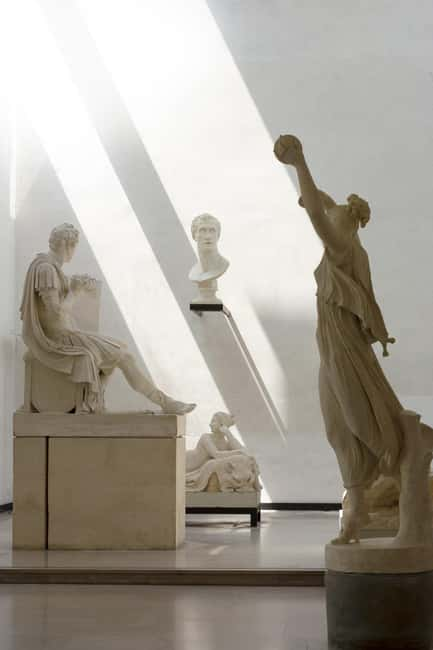
When you arrive, you’ll find the museum entrance on Piazzale A. Canova, and you can walk in and begin right away. The experience is designed for you to go your own way, not to wait around for a group to shuffle forward.
That matters because the best part of the Gypsotheca is visual. You don’t just want a quick look—you want time to see how the surfaces and forms work. With an audio guide, you can stop when a detail catches your eye, listen, then move on without feeling rushed.
You’ll also have practical support on-site: restrooms and a visitor reception area. And since there’s no locker or cloakroom service included with the ticket, it’s smart to travel light—especially if you’re bringing a small bag or extra layers for the cooler Possagno hills.
The Gypsotheca gallery: why original plaster models hit differently
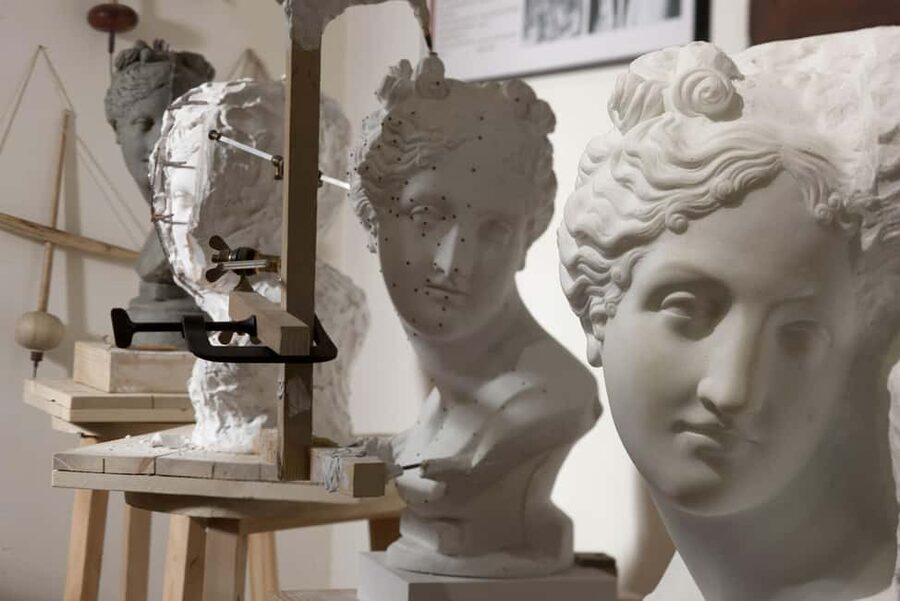
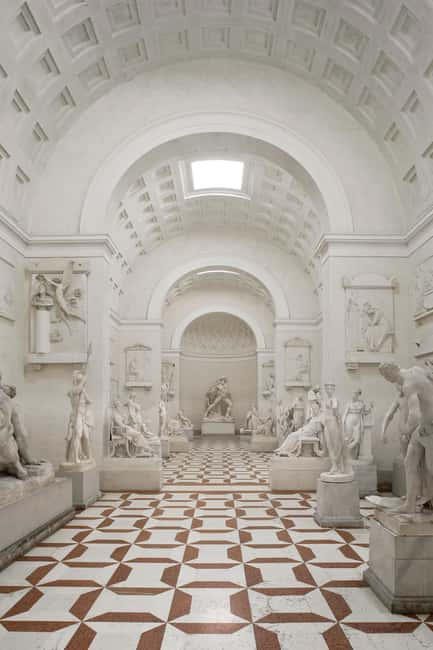
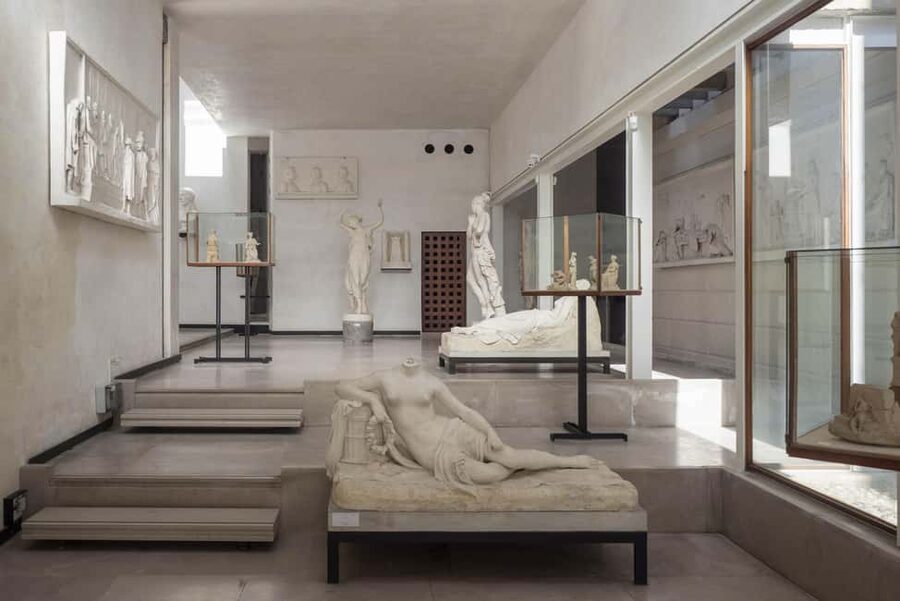
The heart of the museum experience is the Gypsotheca. This gallery holds the original plaster models of Canova’s works—the kinds of models that help you understand how an artist thinks and builds form.
Here’s the thing: plaster models often get treated like a “behind the scenes” footnote. In this museum, they don’t feel like a footnote. Seeing originals matters because you’re not looking at a copy. You’re looking at a step in the creative process that still carries the artist’s decisions—what was refined, what was tested, what needed another pass.
Neoclassicism can sound like a style label from a textbook. In person, it becomes shape, proportion, and surface quality. When you move through the plaster models calmly, you start noticing how the forms relate to light and how the sculptor managed the transition from idea to object.
How to get more out of it:
Go slower than you think you need. Spend extra time on the models that make you lean in. If a piece makes you ask what to look for, that’s exactly when the audio guide becomes useful—because you’ll get a clear reason to focus your eyes.
One practical note: your visit averages about 1 hour and 30 minutes, so you’ll want to pace yourself. You don’t have to “speed run” the plaster gallery, but you also don’t want to lock into one room for so long that the birthplace feels like an afterthought.
The official audio guide app: facts that actually make looking easier
The audio guide is part of the ticket and delivered through an official web app. It’s available in Italian and other languages, and it’s meant to walk you through the tour with clear explanations, interesting facts, and anecdotes about Canova’s life and art.
This is one of my favorite formats for museums like this. You can control the pace. You can pause when you want. If you’re someone who likes context but hates being herded, an app guide is a good match.
You should also know the practical side: the audio guide is on your smartphone, and while the app provides the audio, the ticket doesn’t include earphones. Bring your own, and you’ll avoid that mildly annoying scramble that happens when you reach for audio in a quiet museum and realize you forgot the one small thing you needed.
Because some content is shown in its original language (Italian), it’s also smart to glance at what the screen is asking you to do—so you don’t end up fumbling with language settings mid-visit.
The second stop: Canova’s birthplace and the tools behind the art
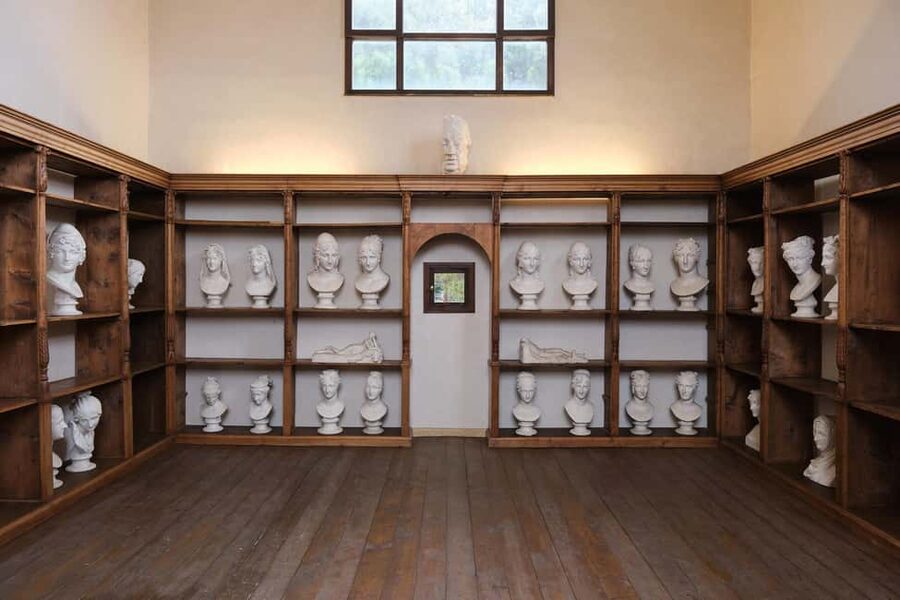
After the Gypsotheca gallery, you continue to Canova’s birthplace, where you get a different kind of viewing experience. Instead of plaster models, you’re surrounded by the artist’s world: sketches, tools, and paintings.
This shift is more than a change of scenery. It helps connect two ways of understanding art:
- How he worked (tools, sketches, process)
- What he made (the sculptural works you saw translated into plaster)
It’s also a nice reset if you feel “visual fatigue” after a gallery full of forms. The birthplace section tends to make you think in terms of habit and craft, not just final results. You start seeing the artist as a person doing work, not a name carved into a museum label.
What you’ll walk through here is described as a collection of historic rooms with paintings, sketches, and tools, which is exactly the kind of material that makes an audio guide shine. When the audio explains what you’re looking at, it turns random objects into clues about how Canova approached his art.
Timing, pacing, and who will enjoy this most
You’re looking at an average 1 hour and 30 minutes for the full visit. Since the experience is self-paced, your time can stretch a bit or tighten depending on how you like to browse.
This works especially well if:
- You’re an adult art lover who wants real context, not just quick highlights
- You’re traveling with kids who can handle a guided-by-audio experience for about an hour and a half
- You want a museum day that doesn’t require long bus schedules or complex planning
- You prefer independent exploring over group tours
If you’re sensitive to stairs or tight spaces, note that the museum is partially accessible for people with reduced mobility. The ticket information specifically says you should check in advance for specific needs. It’s worth doing, because “partially accessible” can mean very different things depending on your situation.
Also, the experience is best when you can give it your attention. This isn’t the kind of stop where you casually walk through in 20 minutes and call it done. The plaster models reward slow looking.
Price and value: is it worth $20 in Veneto?
Let’s talk value in plain terms. At about $20 per person, you’re paying for:
- Entry to the Gypsotheca
- Entry to Canova’s birthplace
- The official audio guide web app
- A full route that includes plaster models, sketches, paintings, and historic rooms
- Restrooms and reception area support
For me, the value comes from the pairing: plaster models + birthplace access. If you only saw one side, you might feel like you visited a single chapter. Seeing both makes it feel like a full mini-story about how Canova worked and what he produced.
And because you’re not paying extra for a guide, you get the best of both worlds: structured information through the audio guide, plus freedom to move. Guided tours with a tour guide aren’t included (they’re available with reservation and an extra cost), so if you want a person to answer questions live, you’d likely add that. But if you’re fine with audio, the base ticket already does a lot.
So yes, it’s a reasonable price for a focused museum day—especially if you’re the type who likes process as much as finished masterpieces.
Plan like a pro: small details that make a big difference
A few practical tips can make this visit smoother:
- Bring earphones. The app is included, but the audio experience depends on your setup.
- Wear shoes you’re comfortable walking in. You’ll likely spend time moving slowly between rooms.
- Travel light. A locker or cloakroom isn’t included, so you may want to keep bags minimal.
- If you’re visiting on weekends or holidays, book ahead. Starting times depend on availability.
- Parking is available near the museum, which makes a big difference if you’re driving through the hills.
These aren’t flashy tips, but they protect your day from small annoyances.
Should you book the Antonio Canova Gypsotheca ticket and audio guide app?
I’d book it if you want a museum experience that’s structured but not rigid. You get access to both the Gypsotheca and Canova’s birthplace, plus a real audio guide that helps you look with purpose. The plaster models are the star, and the birthplace section is what turns that star into a full story.
Skip or reconsider if you strongly prefer live guiding from a person, or if app-based audio on your smartphone would feel like a hassle. Also consider that the museum is only partially accessible for reduced mobility, so you’ll want to check your needs before you go.
If you’re excited by art process, Neoclassical form, and the idea of seeing how an artist’s mind becomes objects, this is a smart, focused stop in the Possagno hills.
FAQ
How long is the Antonio Canova Gypsotheca museum visit?
The visit lasts an average of 1 hour and 30 minutes.
Where do I enter the museum?
You’ll find the museum entrance on Piazzale A. Canova.
What’s included with the ticket?
It includes entry to the Antonio Canova Gypsotheca, access to Canova’s birthplace, and the official audio guide web app. The full tour covers plaster models, sketches, paintings, and historic rooms, plus restrooms and reception area access.
Is there a guided tour included?
No. Guided visits with a tour guide are not included, but they’re available on reservation for an additional cost.
Do I get earphones with the audio guide?
No. Earphones are not included, but you’re recommended to bring your own.
What languages are available for the audio guide?
The audio guide web app is available in Italian and other languages.
Can I visit independently at my own pace?
Yes. The option to visit independently and at your own pace is included.
Is parking available near the museum?
Yes. Parking is available near the museum.
Is the museum accessible for reduced mobility?
The museum is partially accessible. It’s best to check in advance for specific needs.