REVIEW · SALISBURY
Stonehenge Private Immersive Audio Guide
Book on Viator →Operated by Vidi Guides · Bookable on Viator
Stonehenge sounds different when you can replay it. This private, GPS-guided audio experience at Salisbury helps you understand what you’re looking at, without needing constant signal. I liked that it’s built for independent pacing, so you can stop, listen, and look again at your own speed.
Two things I really love: the tour works offline after you download it, and the GPS map helps you find the route and photo points without fuss. The icing on the cake is the one-hour format, which keeps you learning without turning your day into a long slog.
One drawback to consider: you bring your own headphones and phone, and if you’re expecting an entry ticket included, that’s not part of this deal. Also, there’s occasional tech hiccup in the feedback—so it’s smart to download before you arrive and test your audio.
In This Review
- Key Things to Know Before You Go
- Stonehenge, But With a GPS-Wired Brain
- Offline by Default: Download Once, Listen All Day
- GPS Map Navigation for Photo Spots (Without Getting Lost)
- The One-Hour Walk: What Your Route Feels Like
- Stop 1 at Stonehenge: The Monument Explained at the Entrance
- Stop 2 on the Stonehenge Cursus: Neolithic Life in Plain English
- Stop 3 on the Cursus: Burial, the Beaker People, and Theory With Structure
- Price and Value: What $6.87 Buys You (And What It Doesn’t)
- Technology Reality Check: Headphones, Phone, and a Smooth Start
- When This Tour Works Best for You
- Practical Tips to Make Your Hour Feel Great
- Should You Book This Stonehenge Private Immersive Audio Guide?
Key Things to Know Before You Go
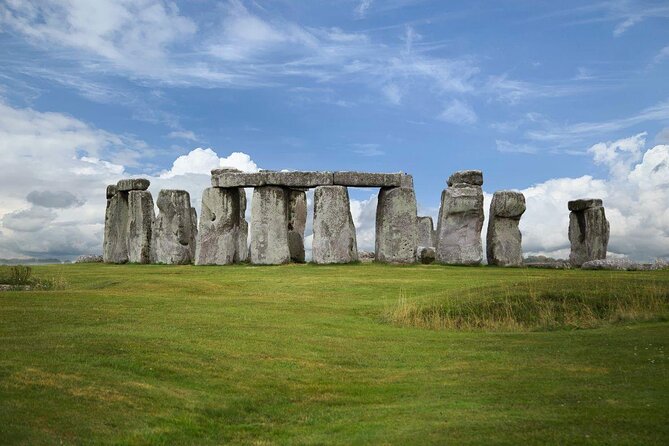
- Offline listening: download the audio ahead of time so you don’t need Wi-Fi at the site.
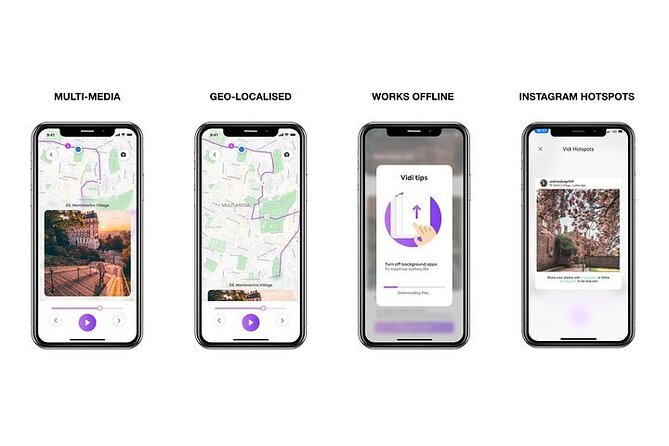
- GPS map navigation: location-aware guidance helps you keep your bearings and reach the next stops.
- Budget-friendly learning: it’s priced low enough that you can learn well without paying for a full guided group tour.
- Photo checkpoints: the route is designed to lead you to Instagram-worthy spots along the way.
- Private-by-group experience: it’s only for your group, not a big open shuffle with strangers.
Stonehenge, But With a GPS-Wired Brain

Stonehenge can be visually loud and historically quiet at the same time. This audio guide tries to fix that by giving you context in the exact places you’ll be standing. Instead of a generic explanation, you get short segments tied to your walking route around the monument area.
What makes this experience practical is the structure. You’re not stuck staring at a phone all hour either, because the audio guides you through a sequence and you can pause to look. And since it’s private for your group, it tends to feel less hectic than big-voice guided tours.
Offline by Default: Download Once, Listen All Day

The biggest value for me is that you don’t need Wi-Fi. You download the tour in advance, then you can listen whenever you want, even if your mobile signal acts like it’s doing its own prehistoric thing.
That matters at Stonehenge. You can lose signal, battery, or both, and audio that depends on streaming becomes a gamble. With offline mode, the plan is simpler: download ahead, charge your device, and rely on your own timeline once you’re there.
Also, you’re not forced into one strict listening window. If you want to step away for photos, grab a snack, or re-listen while you walk a second time, you can. That flexibility is a big deal if you like to linger.
GPS Map Navigation for Photo Spots (Without Getting Lost)
The tour includes a location-aware GPS map, and that’s one of the most useful design choices here. It’s meant to keep you on track and help you find the next checkpoint, even when you’re surrounded by tourists and signage.
The GPS isn’t just for directions. It’s also used to guide you to picture-friendly viewpoints around the route. If your goal is to get clear, flattering angles of Stonehenge and its surrounding features, this tour is built around that reality.
One small consideration: GPS can behave oddly if your phone’s battery is low or if you’re stubborn about turning off location services. I’d keep location on, plug in to charge before you start, and accept that the phone is helping you, not replacing your eyes.
The One-Hour Walk: What Your Route Feels Like
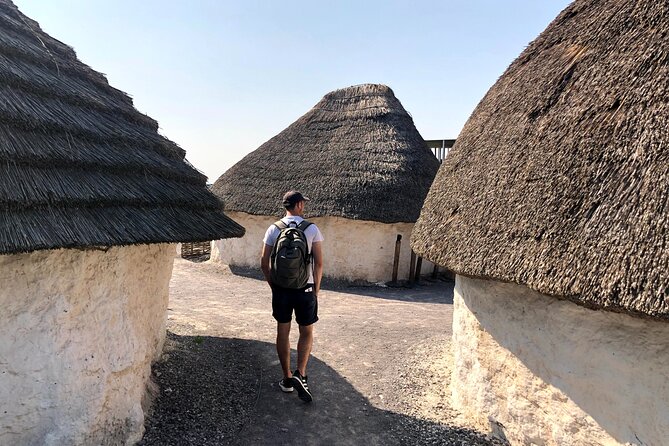
This experience is designed to run about one hour total, with three main listening phases that match what you’re physically seeing. The format is friendly if you want learning without burning your whole visit.
You start at the Stonehenge entrance area, then you move on toward the Stonehenge Cursus route for additional context. The tour finishes back at the starting point, so you’re not left figuring out a long return path.
Even if you’re going solo, the pacing is meant to feel structured. There are multiple built-in checkpoints along the way, so you’re not stuck waiting for the next “important” audio moment. That also helps if you’re new to Stonehenge and want a clear path through the confusion.
Stop 1 at Stonehenge: The Monument Explained at the Entrance
Your first chapter begins near the Stonehenge entrance, where you get the basics and the framing you’ll use for the rest of the visit. This is the part that helps the stones stop being just stones and start becoming a puzzle you can actually understand.
You’ll listen to an authentic, site-focused explanation designed for where you’re standing first. Admission to Stonehenge isn’t included in this audio-only package, so you’ll want to plan your ticket separately.
The practical payoff here is that you’re not wandering in blind. If you’ve ever visited a famous site and later wondered what you missed, this opening audio section helps reduce that regret.
Stop 2 on the Stonehenge Cursus: Neolithic Life in Plain English

Next, the tour guides you along to the Stonehenge Cursus area. This section focuses on neolithic life, and that change of theme is valuable. It connects the monument to the human world around it, instead of keeping everything trapped in stone-and-stone mythology.
The Cursus segment is paced as another short listening block, about 20 minutes. It’s long enough to give you more than trivia, but short enough that you don’t feel dragged through a textbook.
What I like about starting the deeper context here is that your eyes can reset. You stop treating Stonehenge like a single object and start thinking about the surrounding activity and people who would have moved through the area long ago.
Stop 3 on the Cursus: Burial, the Beaker People, and Theory With Structure
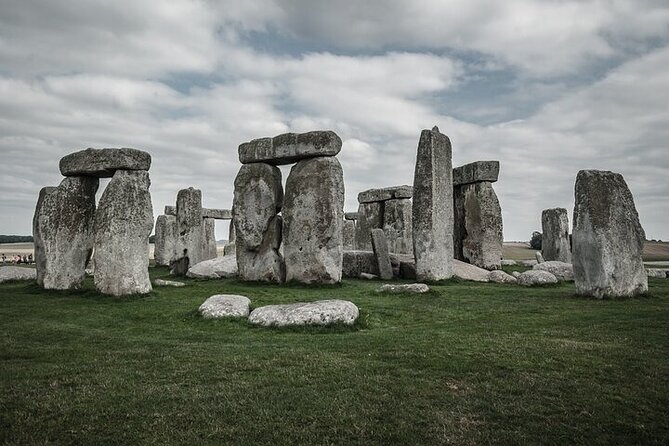
The final listening segment returns to the Cursus area for more detail about burial and the people often referred to as the Beaker People. This part is where a visit to Stonehenge becomes more than a photo trip, because it shifts from how things were built to what those choices might have meant.
It’s also the portion that tends to clarify why Stonehenge is such a big deal in archaeology and public history. You’re not asked to memorize everything. Instead, you’re given a sense of how the pieces fit together and why different interpretations exist.
This section is also a helpful reality check for modern visitors. Stonehenge doesn’t come with a neat label explaining every decision. The audio guide doesn’t pretend to know everything, but it does help you organize what you’re seeing and hearing into a coherent story.
Price and Value: What $6.87 Buys You (And What It Doesn’t)
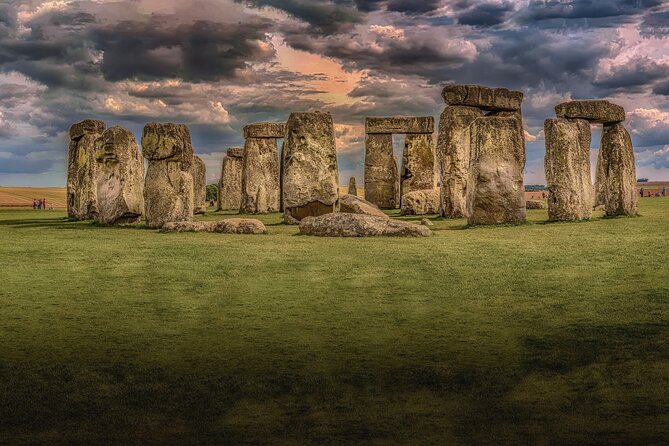
At $6.87 per person, this is a bargain compared with most guided tours that cover only a single site. The core reason it’s good value is that you’re paying for learning structure, not just access to information.
You’re getting:
- Access to the self-guided audio experience
- An audio guide from a local or historian
- A GPS map that helps you stay oriented
- Offline listening after downloading
- Checkpoints designed to lead you toward great photo spots
What you’re not getting is the Stonehenge entrance ticket. You’ll still need to purchase admission separately, and you’ll need your own phone and headphones.
So how do you decide if it’s worth it? If your goal is to understand Stonehenge without paying for a full guided group experience, and you’re comfortable using your own device, this is one of the most cost-effective ways to turn a famous site into something you can actually explain afterward.
Technology Reality Check: Headphones, Phone, and a Smooth Start
Two practical items matter here: headphones and a mobile device are not included. That’s normal for audio tours, but it’s worth planning for so you’re not stuck borrowing gear at the last second.
Also, download the tour before you leave for Stonehenge. Don’t treat offline mode like a hope-and-pray feature. Load it while you have reliable Wi-Fi at home, then confirm the audio plays. If the audio doesn’t start quickly when you test it, fix that before you walk into the site.
There is one more consideration from the feedback you should take seriously: at least one customer reported not receiving the audio file they expected. That’s rare, but it’s a clear reason to double-check your download process and keep your booking confirmation handy.
When This Tour Works Best for You
This is a great match if you:
- Want a budget-friendly way to learn at Stonehenge
- Prefer self-paced sightseeing rather than following a loud group
- Like the idea of listening offline and replaying sections later
- Want help staying oriented without constantly asking staff for directions
It also works well for families and solo visitors because the format is easy to follow and the app-style experience is meant to be straightforward. If you’re not the type who loves complicated technology, the tour is designed to be simple to operate once you start.
If you strongly prefer live, microphone-based commentary from a guide in real time, this may feel different. The experience is audio-led and self-guided, with your phone doing the delivering, not a person speaking over a crowd.
Practical Tips to Make Your Hour Feel Great
Bring a charged phone and real headphones. Even good batteries can dip when GPS is on, and you’ll want the audio to stay steady.
Plan to start at a time you can control. Stonehenge visits can get crowded, and you’ll enjoy the GPS checkpoints more if you’re not sprinting to find each stop.
Once you begin, use a simple rhythm: listen, look, take photos, then listen again. This tour is built around checkpoints, and that rhythm keeps you from turning the visit into a nonstop scrolling session.
If you want the most cinematic angles, give yourself a minute or two at the photo points. The GPS guidance helps you reach spots that photograph well, but your timing still matters for crowds and light.
Should You Book This Stonehenge Private Immersive Audio Guide?
Yes, I think you should book it if you want Stonehenge learning on a smart budget and you’re comfortable traveling with your own phone and headphones. The offline mode and GPS map are the big wins, because they reduce the usual frustrations of famous-site logistics.
Skip it or think twice if you expect the entrance ticket to be included, or if you rely on streaming audio and don’t want to download beforehand. And if you’re the type who gets distracted by phone setup, do a quick test at home so you walk in ready.
If your ideal Stonehenge day is: understand what you’re seeing, walk a clear route, and grab great photos without paying for a pricey guided group package, this one-hour audio plan is a solid choice.