REVIEW · SOUTH WEST ENGLAND
Shepton Mallet Prison – Entry Ticket
Book on Viator →Operated by Shepton Mallet Prison · Bookable on Viator
A prison you can tour, and remember. At Shepton Mallet Prison, you walk through a 400-year-old jail at your own pace, with a visitor guide, sound boxes, and staff on hand to explain what you’re seeing. It’s a chance to explore a lesser-known chapter of British history, in a place that still feels heavy.
I especially like the self-guided format, because you can stop when something grabs you and keep moving when it doesn’t. I also love the practical visitor setup, like the map and information boards that help you find your way without losing the mood, plus the fun photo moments people call CELLfies. One thing to consider is that if you go for the more structured option, the guided tour experience can feel a bit rushed, especially for larger groups.
In This Review
- Key highlights worth building your day around
- Why this 400-year-old prison matters in South West England
- What your entry ticket gives you (and why the price can make sense)
- Timing and start times: how to plan your visit length
- Your walkthrough at Shepton Mallet: visitor guide, sound boxes, and staff
- What you’ll actually see: cells, atmosphere, and the punishment stories
- Guided tour option vs. self-guided pace: pick your style
- How long should you plan? 1–5 hours isn’t a gimmick
- Families and kids: when it works and when to slow down
- Photos, souvenirs, and the practical bits people forget to plan
- Getting there: near public transport and easy to fit into a day
- Who should book this entry ticket?
- Should you book Shepton Mallet Prison entry tickets?
- FAQ
- How long does the Shepton Mallet Prison entry ticket experience take?
- Is the tour self-guided or guided?
- What language is the experience offered in?
- Do I need a printed ticket?
- Are service animals allowed?
- Is this experience dog friendly?
- Are there different start times?
Key highlights worth building your day around
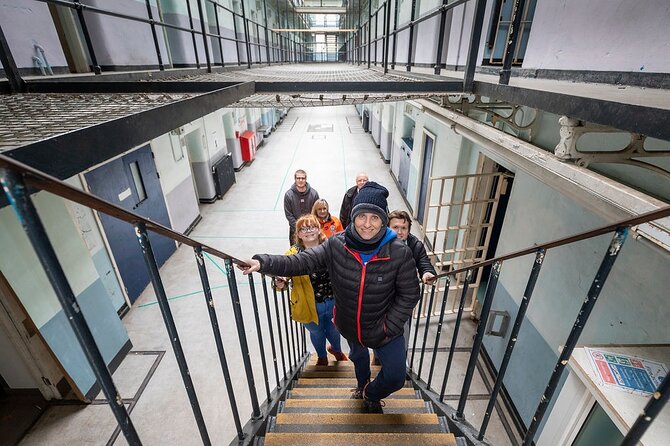
- England’s oldest prison setting in a real, centuries-old building
- Sound boxes + visitor guide + info boards for on-the-spot learning
- Multiple start times so it fits your sightseeing rhythm
- Whole-day entry feel, with time to wander after you get oriented
- A mix of moving stories and darker parts of punishment (including hanging-related areas)
- Family and dog-friendly energy, including service animals welcome
Why this 400-year-old prison matters in South West England
Shepton Mallet Prison isn’t the type of museum where you just read placards and walk out. This is a working-feeling space built to hold people, and the atmosphere stays with you. When you’re inside, the history doesn’t feel abstract, it feels physical.
The prison is widely known as England’s oldest prison, and that alone makes it worth your time. More than that, it’s an easy day trip idea for people who want something different from the usual castles-and-churches circuit in the South West.
What your entry ticket gives you (and why the price can make sense)

The ticket price is $20.80 per person, with an estimated visit time of about 1 to 5 hours. That wide range matters because this isn’t a “stand in line, get the five-minute script, leave” kind of stop. If you read at a slower pace or take breaks, you can stretch it out. If you skim and focus on the main sights, you can keep it tighter.
You also get an admission ticket included as part of the experience. In practice, that means you’re paying for access to the prison route, plus the tools that help you understand it as you go—like the visitor guide, map, and sound boxes.
Is it a steal? Not exactly. But for a real historic site with self-paced learning and staff support, it’s good value—especially if you’re the kind of person who likes to linger.
Timing and start times: how to plan your visit length

You’ll see a range of start times, which is handy if you’re stacking this with other stops in South West England. The visit is listed as about 1 to 5 hours, so I’d think of it as flexible: plan for roughly two hours if you want a full look without rushing.
If you’re traveling with kids or you want to avoid getting overwhelmed, choose a start time that lets you keep your pace. If you like slower museum time, aim for a start that gives you buffer after, so you’re not checking the clock every few minutes.
Your walkthrough at Shepton Mallet: visitor guide, sound boxes, and staff

The core experience is exploration at your leisure. You’ll get a visitor guide and map, then you use sound boxes around the prison to learn the facts and history as you move through the spaces. It’s a smart setup because it turns the building into your classroom, without requiring you to “perform attention” the whole time.
Information boards add extra background and context, and staff are there to point you in the right direction and answer questions. That matters because prison history can be detailed and sometimes emotionally intense; having someone nearby helps you make sense of what you’re reading.
The building can be a lot to take in, so I like the rhythm of “read a bit, listen a bit, look around, then move on.” It keeps the visit from turning into one long, heavy lecture.
What you’ll actually see: cells, atmosphere, and the punishment stories
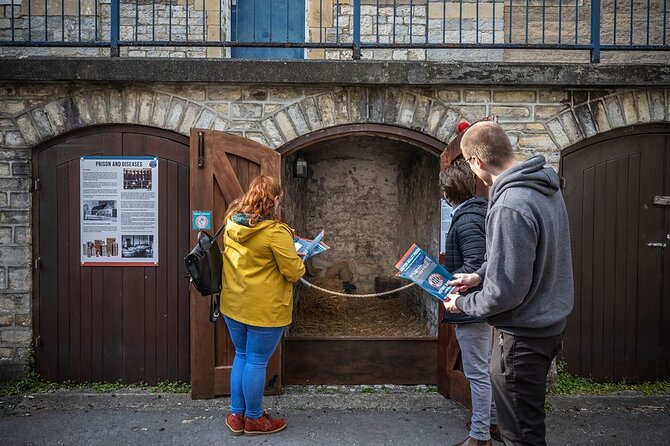
The big draw is the simple fact that you’re walking through an old prison structure. You’ll be able to explore the prison at your own pace, take photos, and enjoy the atmosphere that people describe as brooding. The experience makes it clear that punishment wasn’t just a concept. It was a routine.
What stands out most is that the prison isn’t only about day-to-day incarceration. You can also find areas tied to executions. One of the most talked-about parts includes the hanging room as well as references to punishment methods such as firing squad and hanging. If you’re someone who prefers sanitized history, you might find those sections intense.
That said, the emotional weight is also the point. You come away thinking about what life could have been like for people inside, across different eras.
Guided tour option vs. self-guided pace: pick your style
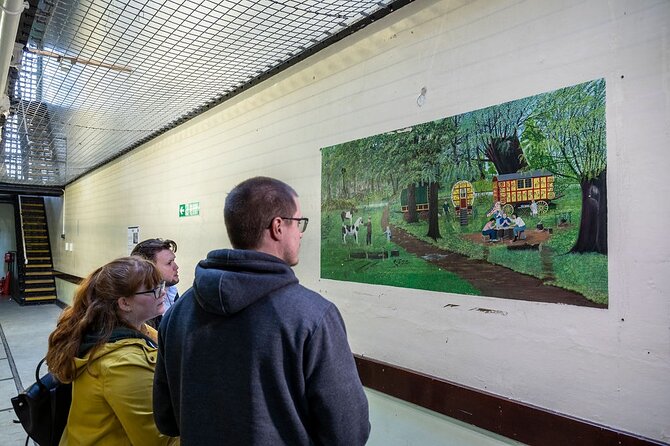
There seems to be a guided tour option alongside self-guided exploration. If you choose guided, you’ll likely get an efficient overview first, with the chance to walk around afterward using your ticket for more time in the prison.
Here’s the trade-off: guided tours can feel a bit rushed, especially for groups. If you like facts but also like space to absorb what you see, self-guided can be the better fit. If you want someone to steer you through the most important stories and landmarks quickly, guided can help you avoid getting lost or missing key points.
For many people, the best plan is simple: arrive ready to learn, then decide on the spot whether you want the structure for part of the experience or the freedom for all of it.
How long should you plan? 1–5 hours isn’t a gimmick
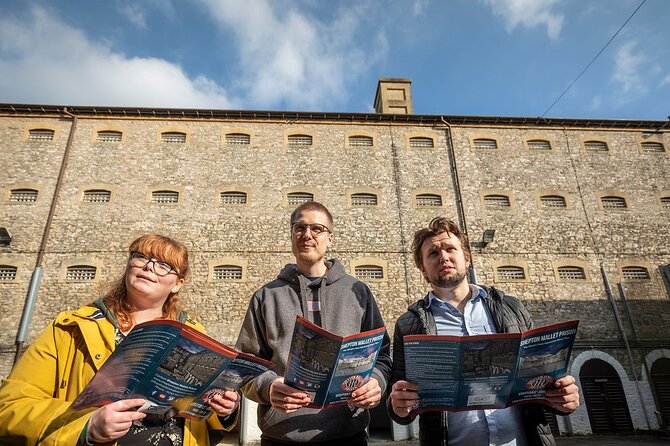
The duration range of 1 to 5 hours fits how the experience is set up. If you stick to the main route and rely mostly on the sound boxes, you can do it in about an hour or two. If you’re a reader, or you pause a lot for photos and for the darker story sections, you can easily stretch it out.
A useful way to plan: don’t try to “finish.” Try to finish your understanding. If something you’re hearing or reading doesn’t land, go back one stop. If it does land, stay a little longer. That’s the advantage of a route where you’re not stuck to one strict script.
Families and kids: when it works and when to slow down
This is often an appealing day out for families, including families with young children who want to investigate at their own pace. Some kids genuinely enjoy the experience, and the prison can feel like an adventure that also teaches.
But don’t assume it’s light. The stories can be tragic and the subject matter is serious. If you bring children, consider how you’ll handle the tone: you can keep things factual and pace-friendly, and use the self-guided format to regulate how much they take in.
If your group is sensitive to scary content, you might want to steer toward the less intense areas first and only tackle the execution-related sections when you’re sure everyone is ready.
Photos, souvenirs, and the practical bits people forget to plan
You can take photos throughout your visit, and the “cell” theme has become part of the fun. Just remember: the prison’s interior can be visually busy, so plan for lighting and hold onto your photos for later. It’s easy to snap quickly in a dark or enclosed space and then regret it when you’re back home.
There’s also a small souvenir area, and one review note indicates it’s mostly related to hauntings. If you’re looking for typical postcards and magnets, you might find it more themed than generic.
For a break, there’s a small area where you can have lunch, plus a kiosk where you can buy drinks. That’s helpful because it means you don’t need to force a quick exit just to eat.
Getting there: near public transport and easy to fit into a day
The site is listed as near public transportation, which is a big plus if you’re trying to reduce driving stress. Even if you’re driving, the practical advantage is that you can build a day with other nearby stops without worrying you’ll be stuck far from transit.
Once you arrive, the experience is focused on walking within the prison grounds and spaces, so it’s best as a single, concentrated stop rather than a quick stop-and-go between far-flung attractions.
Who should book this entry ticket?
Book it if you want a real historic site that’s hands-on, not just a lecture. You’ll probably love it if you’re interested in how punishment and imprisonment worked over time, and if you’re comfortable with darker parts of history.
It’s also a strong choice if you like self-paced learning. With the map, guide, sound boxes, and staff support, you’re not stuck waiting for the next group to move on.
Skip it, or at least reconsider your timing, if execution-related areas will be difficult for your group. And if you want everything explained in one continuous, slow, calm narrative, you may prefer the guided format but go in with the expectation that the pace can feel quick for larger groups.
Should you book Shepton Mallet Prison entry tickets?
Yes, if you want an unusual day out that mixes atmosphere, storytelling, and real space—without locking yourself into a rigid schedule. At $20.80, the value is strongest when you treat it like a real visit and not a quick check-off.
I’d book especially if you like tools that help you learn while you walk, like the sound boxes and visitor guide. And if you’re traveling with children, plan your pace with the self-guided option in mind.
If you’re on the fence, the decision is simple: if the idea of England’s oldest prison and the punishment stories inside makes you curious rather than anxious, this is a worthwhile stop in South West England.
FAQ
How long does the Shepton Mallet Prison entry ticket experience take?
It’s listed as approximately 1 to 5 hours, depending on how long you spend exploring the prison and reading the information.
Is the tour self-guided or guided?
You’ll be given a visitor guide and map and can use sound boxes as you explore at your own pace, with staff available to help. A guided tour option is also available.
What language is the experience offered in?
The experience is offered in English.
Do I need a printed ticket?
No. It’s a mobile ticket, and you’ll receive confirmation at the time of booking.
Are service animals allowed?
Yes, service animals are allowed.
Is this experience dog friendly?
Yes, it’s listed as dog friendly.
Are there different start times?
Yes. There’s a range of start times available, so you can choose what fits your day.