REVIEW · BEIJING
Self-guided challenging hiking from Jinshanling to Gubeikou
Book on GetYourGuide →Operated by Great Wall Hiking Adventure · Bookable on GetYourGuide
Wild steps, quiet towers, real time.
This one-day hike links Jinshanling’s partially restored Wall with the wilder Gubeikou stretch around Coiling Dragon Hill, with built-in photo moments at major watchtowers. You’re not just looking at the Great Wall from below. You’re climbing it, reading its rhythm of rises, turns, and sudden viewpoints.
I especially like two things: the intact watchtowers and beacon towers on Jinshanling, and the way the route gives you changing scenery almost every few minutes—so the walk never feels repetitive. The potential drawback is that it’s truly self-guided on the Wall, so you’ll want to study the map/instructions and stay alert at path splits, especially if it’s hot or the signage is easy to miss.
In This Review
- Key Highlights You’ll Feel on the Day
- Why This Jinshanling-to-Gubeikou Route Feels Wilder
- The Morning Start: 7am Pickup and Jinshanling East Access
- East-Five-Eye to the Photo-Tower Rhythm on Jinshanling
- The Midday Break: Leaving Taochunkou and Reaching Jinshanling West Gate
- Rejoining the Great Wall at 24-Eye Watchtower in Gubeikou
- Coiling Dragon Hill and the Easier Finish on Dragon Hill
- Price and Value: What $235 Buys You (and What It Doesn’t)
- Self-Guided Reality: Navigation Tips That Actually Matter
- What to Bring for a Big Steps Day
- Who This Hike Fits Best (and Who Should Skip It)
- Should You Book This Jinshanling to Gubeikou Hike?
- FAQ
- How long is the hike?
- What time does pickup happen in Beijing?
- How far do you drive between Beijing and the start/end?
- Are entrance tickets included?
- Is lunch provided?
- Is this hike guided by a person on the Wall?
- Is bottled water provided?
- What should I bring?
- Is there any cancellation flexibility?
Key Highlights You’ll Feel on the Day
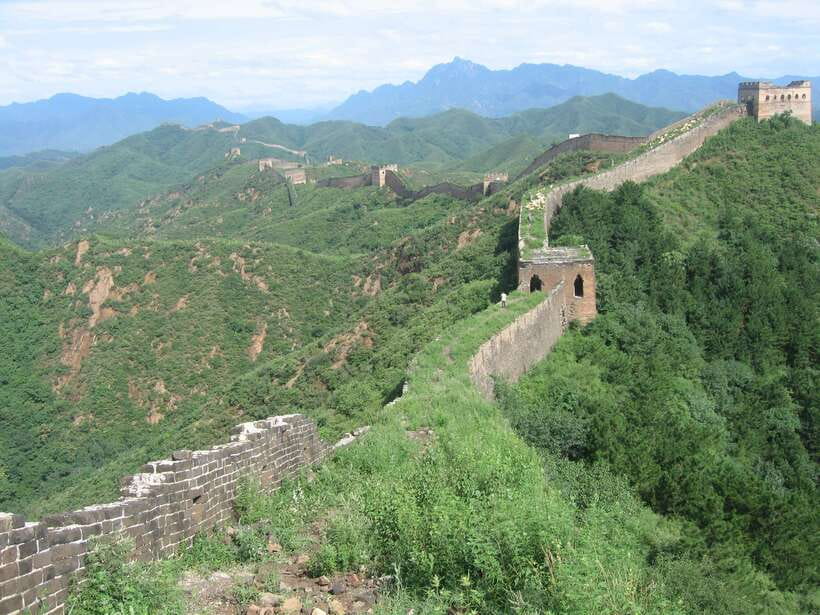
- East-Five-Eye to Westward watchtower hopping with constant step ups and downs on Jinshanling
- Breathtaking panoramic views from the first climb and again as you reach Gubeikou
- Wild, less-crowded-feeling sections near Gubeikou, including the Dragon Hill portion
- A real “connector” hike off the Wall (Taochunkou to Jinshanling West Gate area) for variety
- Photo-friendly terrain: big stone steps, solid towers, and wide angles along the ridge
Why This Jinshanling-to-Gubeikou Route Feels Wilder
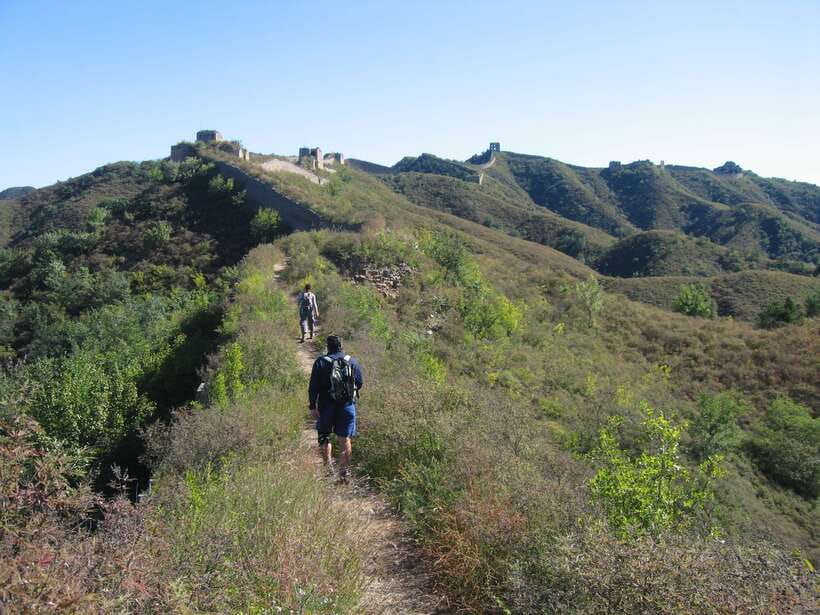
The Great Wall can be either a crowded walkway or a hiking experience you earn. This route leans hard toward the second option. You start on Jinshanling East, then spend most of the morning moving westward along the Wall—past towers that feel sturdy, built for defense, not just sightseeing.
Then you switch gears. You leave the Wall briefly for a hilly trail and jungle-side path, rejoin the Great Wall at Gubeikou, and finish with a flatter Dragon Hill stretch that helps your legs recover before the car ride back.
The value here is not fancy guides or staged stops. It’s time. Hours on the Wall with lots of changing views—plus the comfort of an air-con private driver who picks you up early and waits at the end.
The Morning Start: 7am Pickup and Jinshanling East Access
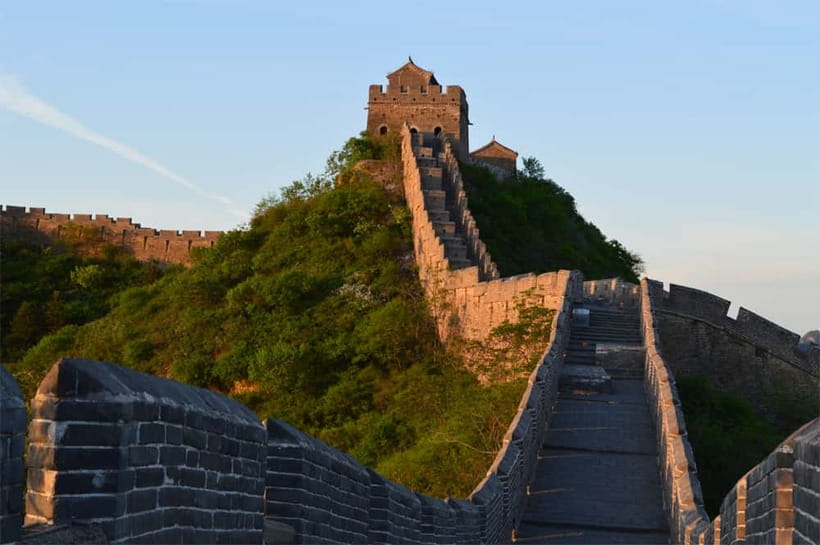
Your day begins with a hotel pickup in Beijing at 7:00am. After about 2.5 hours of driving, you arrive at Jinshanling East. This early start matters because the Wall is better when the light is cleaner and the heat hasn’t fully locked in.
From the pickup area, you walk up for about 40 minutes to the East-Five-Eye watchtower. It’s a climb that gets your heart moving before you even step onto the main Wall stretch. You don’t need hero strength, but you do need steady pacing.
What I like about this phase is the payoff. As you reach the top and stand on the Wall, you get a dramatic panorama: on a clear day you can see connections between Simatai, Jinshanling, and Gubeikou. That first view helps you understand what you’re walking across all day, instead of treating each tower like a random photo target.
East-Five-Eye to the Photo-Tower Rhythm on Jinshanling
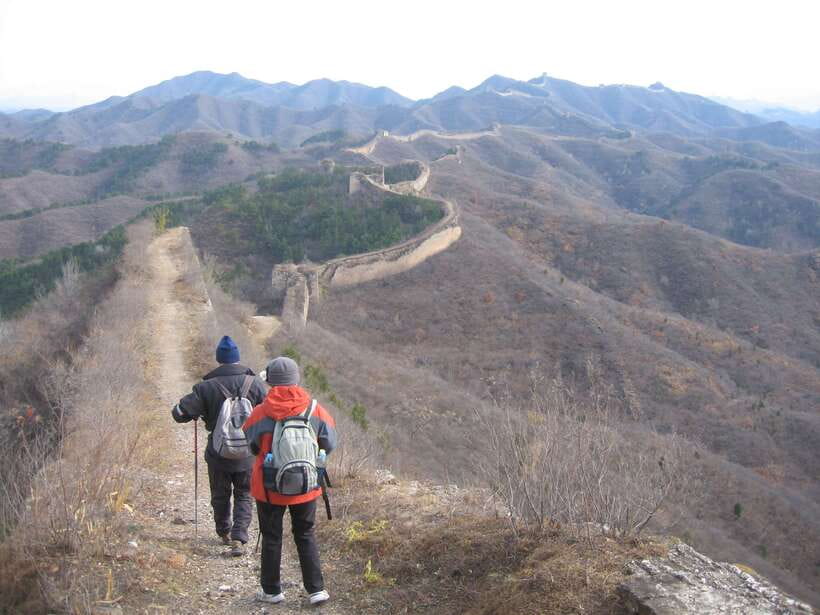
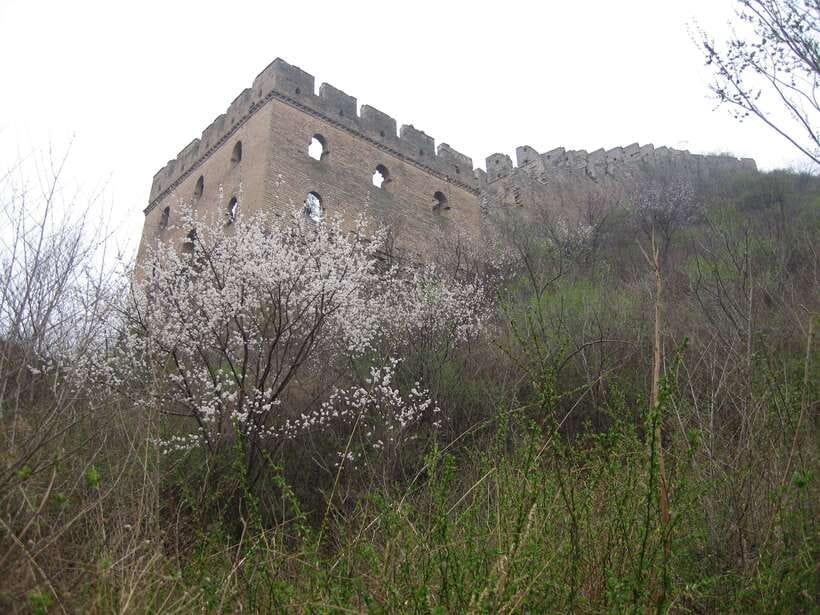
Once you’re on the Wall, the walking becomes the main event. Jinshanling is known for its intact watchtowers and beacon towers, and you feel that in how the ridge is built. There are brick steps—and some of them are big. So yes, you’ll climb and descend repeatedly, and the pace changes constantly as the Wall curves around towers and ridgelines.
This is where the hike becomes satisfying, not just tough. Each watchtower tends to change your view angle, and the scenery shifts so often that you’re always orienting yourself. You also get multiple “stop and breathe” moments where a short rest turns into a long photo session.
You’ll also pass recognizable points along the route, including getting through areas such as Shalingkou and Zhuanduokou, then eventually coming off the Wall at Taochunkou. Those names aren’t just for navigation. They signal where the route transitions from pure Wall-walking to the connector trail.
Practical consideration: this section is popular with photographers, so even on a self-guided day you may share certain segments. Still, the pacing is in your hands—you choose when to pause, when to move, and how long to stay at each tower viewpoint.
The Midday Break: Leaving Taochunkou and Reaching Jinshanling West Gate
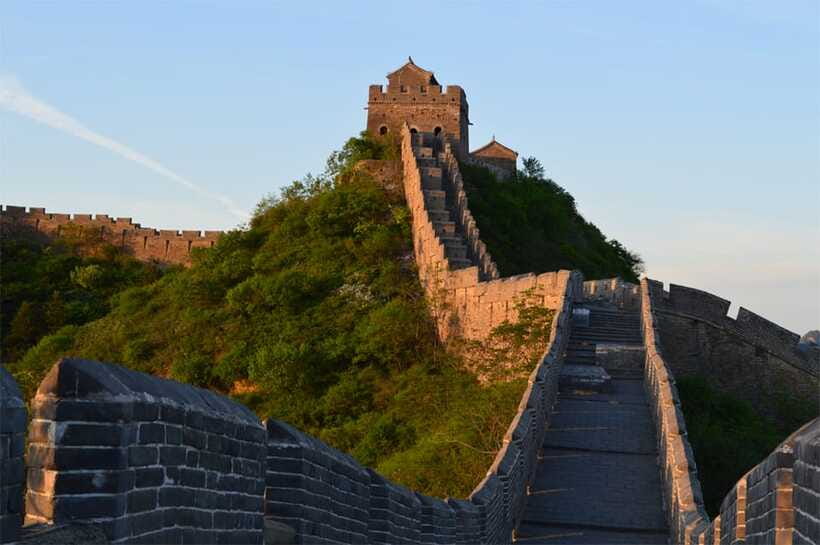
At Taochunkou, you step off the Wall and switch to a trail section. This is a great moment in the hike, because it breaks the “constant steps on stone” feeling and gives your legs a chance to adjust.
You’ll walk on a hilly trail for about 1 hour, and there’s time to take a breather at a cottage near the Jinshanling West Gate area. This stop is useful if you’re trying to manage energy and heat. You’re not waiting around on a bench all day—you’re re-centering for the next Wall return.
There’s also an important summer reality baked into this route: in July/August, if it’s too hot and humid, you may have the chance to stop after about 4 hours at Jinshanling West. That flexibility is handy if you’re traveling in peak heat and want to keep the day enjoyable rather than punishing.
Food is on you here. Lunch isn’t included, so bring snacks you actually want to eat. Think trail food: something that won’t taste miserable after you’ve been sweating for hours.
Rejoining the Great Wall at 24-Eye Watchtower in Gubeikou
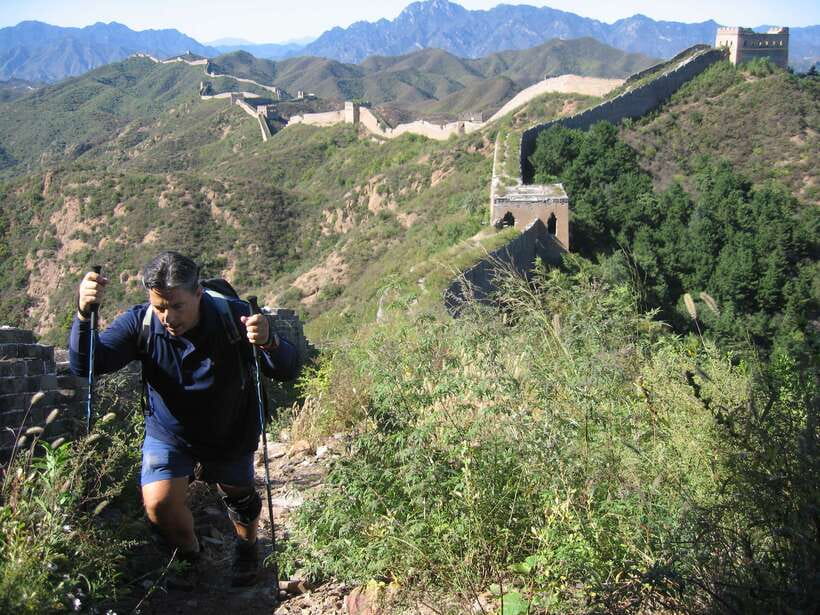
After your connector trail and break, you continue through jungles for about 30 minutes, then come back to the Wall at the 24-Eye Watchtower in Gubeikou. That return-to-the-stone-feeling is a turning point. The air can feel different under the trees, then suddenly you’re back on ridge and step terrain.
From here, the views broaden again. If weather permits, you can see a panoramic view toward the Tiger Hill in the distance. That kind of long sightline is why this part of northern Wall walking feels special: the ridges open up and you get perspective on the bigger system of fortifications.
This stretch also tends to feel more “hike-like” than “tour-like.” Since you’re following a self-guided route with clear landmarks, you’re constantly checking your position and planning the next segment. It’s a bit like map-reading on hard terrain—in a good way—because you stay engaged instead of drifting.
Coiling Dragon Hill and the Easier Finish on Dragon Hill
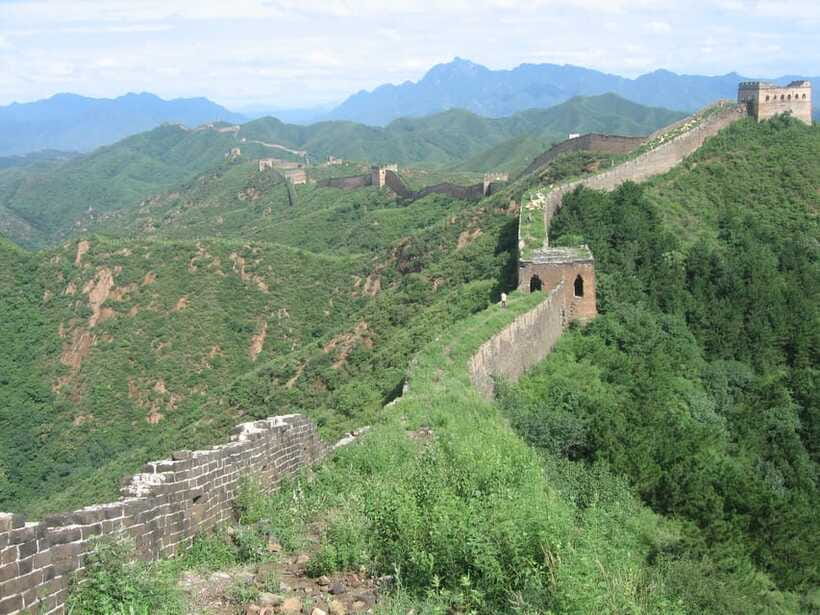
Once you’re moving along the Dragon Hill portion near Gubeikou, the walking becomes relatively easier. You’ll spend about 1.5 hours on this section, and it’s described as flatter compared to the earlier ridge step climbs.
This part matters because it changes your whole finish. Instead of your day ending with one last painful stair battle, you get a calmer rhythm where you can enjoy the Wall’s structure and the surrounding natural setting without constantly counting your breaths.
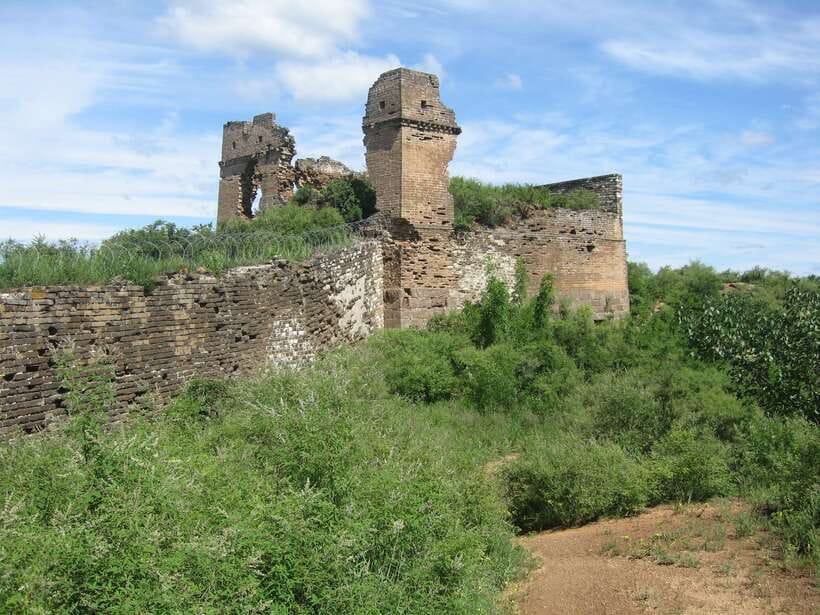
The Wall at Gubeikou near Coiling Dragon Hill is also one of the big highlights. It’s the “wild” feel people are chasing—more rugged and less built up than some other celebrated sections, with standout photo geometry when towers align with your angles.
At the end of the route, your driver is waiting for you in Gubeikou. Then you head back to Beijing for another 2.5-hour drive.
Price and Value: What $235 Buys You (and What It Doesn’t)
The price is listed as $235 per group up to 1, and for a private day like this, value comes from what’s included versus what you’re walking to earn.
What you get:
- Private air-con transport from Beijing and back, including a driver who supports you in English
- A detailed hiking map and instructions so you can hike without a guide on the Wall
- Unlimited bottled water, which is more useful than you might think on a long step day
- WeChat support on the hike, meaning you’re not totally on your own if something goes sideways
What you don’t get:
- Entrance fees (you pay on-site): CNY65 for Jinshanling and CNY33 for Gubeikou
- Meals, so you must bring lunch or snacks
- No cable car or chairlift, so you’re doing the hiking yourself
Is $235 “cheap”? Not really. But for a one-day private hire that removes stress—early pickup, confirmed endpoint pickup, water, and navigation help—it can make the difference between an enjoyable Wall day and a chaotic one. Also, reviews highlight that when you have fewer scheduling constraints, you can take breaks, choose your pace, and even end up with quieter stretches.
If you’re on a tight budget, you might consider other forms of Wall transportation. But if you want the freedom of self-guided walking with the safety net of support, this pricing starts to look sensible.
Self-Guided Reality: Navigation Tips That Actually Matter
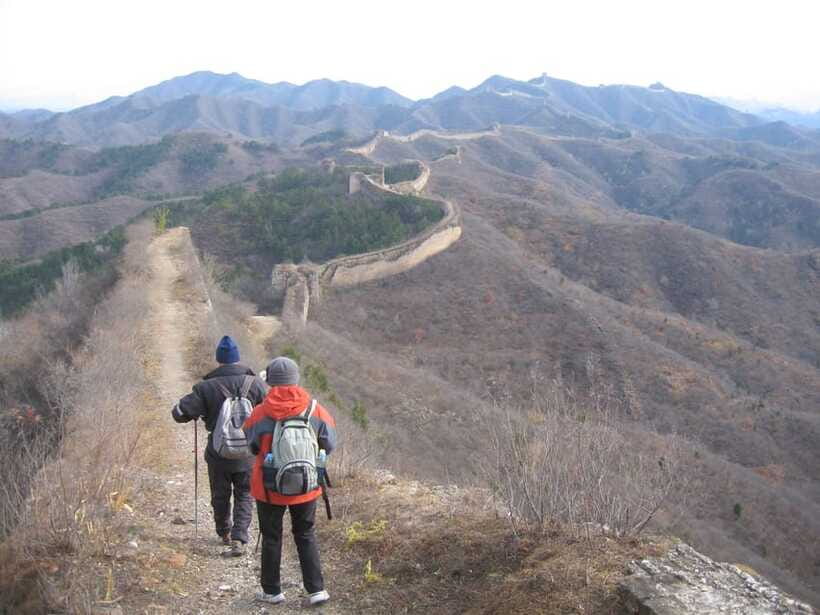
This hike is self-guided. That’s the deal. It means you’ll follow the provided drawing map and instructions, and you’ll use on-Wall signs and landmarks to confirm you’re moving the right direction.
Here’s the practical truth: the map may not feel super clear at ground-level decision points, and a fork can happen on the way out. On the Wall, landmarks help. Off the Wall, confusion can happen if you assume arrows mean the way you’d logically expect.
My best advice:
- Study the map before you start moving. Don’t wait until you’re already climbing.
- When you see a fork, slow down and confirm against instructions rather than guessing.
- Use on-site signage when you can. Reviews suggest signs at key towers help you re-orient fast.
- If you use WeChat or Alipay, communication with your driver/support can be easier during the day.
Also, hiking conditions matter. There’s a real note about slippery footing if it rains, since stone steps and mossy areas can get slick. If the forecast looks wet, adjust your pace and use careful foot placement.
Finally, if you don’t use WeChat, you might still be able to communicate through other means (at least some travelers report email worked for them). Don’t bank on it—just know it may be possible.
What to Bring for a Big Steps Day
You’ll want to show up prepared for sun, sweating, and lots of stairs. The tour info is clear about the basics, and I’d treat these as non-negotiable:
- Passport or ID card
- Comfortable shoes with grip (this Wall walk is step-heavy)
- Sunglasses
- Sun hat
Add your own trail logic: bring snacks you can handle after exertion. Lunch isn’t included, and the most likely “real-food” moment is the cottage/break period near Jinshanling West Gate or earlier snack stops you manage yourself.
If you’re traveling in summer, you’ll feel heat fast. You already know you might have an option to stop earlier if conditions are brutal, but you’ll enjoy the day more if you come with your own plan to cool down and keep energy steady.
Who This Hike Fits Best (and Who Should Skip It)
This is a challenging hiking day. It’s built for people who can handle steep up-and-down on stone steps and don’t mind long stretches of walking between viewpoints.
It’s not suitable for:
- Pregnant women
- Wheelchair users
It’s a great fit if you:
- Want real hiking on the Wall, not just a cable-car-and-photos route
- Like to set your own pace and take breaks when the view is right
- Are comfortable following a map and staying alert at route transitions
- Care about intact towers and photo angles and want multiple chances to shoot
If you want a fully guided experience with someone leading step-by-step, this style may feel too independent. The support is there, but you’re responsible for your own footing and direction.
Should You Book This Jinshanling to Gubeikou Hike?
Book it if you want maximum Great Wall time in one day, plus the kind of tower-and-ridge walking that feels more wild than staged. The combination of Jinshanling’s intact sections, the connector trail break, and the Gubeikou finish near Coiling Dragon Hill is a smart way to get both variety and impressive views without rushing.
Skip it (or choose a different option) if:
- You dislike route-finding or get stressed at forks
- You’re traveling in peak heat and aren’t ready for a possible earlier stop
- You need a guided companion on the trail instead of map-based navigation
If you like hands-on travel—steps under your feet, viewpoints earned, and a day that feels like an adventure—this is the kind of Great Wall day that stays with you.
FAQ
How long is the hike?
It’s listed as a 1-day experience.
What time does pickup happen in Beijing?
Pickup is at 7:00am from your Beijing hotel.
How far do you drive between Beijing and the start/end?
You’ll drive about 2.5 hours to Jinshanling East, and about 2.5 hours back to Beijing from Gubeikou.
Are entrance tickets included?
No. Entrance fees are not included. You pay on-site: CNY65 for Jinshanling and CNY33 for Gubeikou.
Is lunch provided?
No. Meals are not included, so you should bring your own snacks or picnic lunch.
Is this hike guided by a person on the Wall?
It’s self-guided. You’ll receive a hiking map and instructions, plus WeChat support on the hike.
Is bottled water provided?
Yes. The tour includes unlimited bottled water.
What should I bring?
Bring your passport or ID card, comfortable shoes, sunglasses, and a sun hat.
Is there any cancellation flexibility?
Yes. Free cancellation is available up to 24 hours in advance for a full refund.