REVIEW · ASTORIA
Self-Guided Audio Driving Tour in Oregon Coast
Book on Viator →Operated by GuideAlong (GyPSy Guide) · Bookable on Viator
Turn-by-turn coast stories without the tour bus.
This self-guided drive pairs your phone’s GPS-triggered audio with Oregon Coast history, oddball facts, and real driving tips—so you get a guided feel without being stuck on a fixed schedule. Two things I love about it right away: the narration is funny and well-matched to what you’re seeing, and you can start where you want along the route and then shape the day to your pace. One drawback to plan for: to hit every stop comfortably, you’ll want enough daylight, especially in fall and winter.
The value is strong too. It’s $19.99 per group (up to 8), and you buy once with no expiry, so you can spread it across a trip or even repeat parts later. Most key stops are “admission ticket free,” which keeps the budget from turning into a surprise. Still, you’ll need to stay on top of small extra costs like parking fees at certain state parks and any paid attractions at specific stops.
This is a private, self-guided experience—only your group—and it runs all day (06/07/2023–12/10/2026, 12:00 AM–11:59 PM). In other words, it’s built for a day of driving, not for a quick stroll-and-go. If you do it right, you’ll come away with a much clearer sense of why each coastal spot matters—and you’ll stop more often because you’ll know what to look for.
In This Review
- Key Highlights You’ll Feel On the Road
- Why GPS-Triggered Oregon Coast Stories Beat a Fixed Itinerary
- Value Check: $19.99 Per Group and What You Still Pay For
- Getting the App Working: Offline Audio and Practical Setup
- Driving Route in Your Head: From Astoria Toward Florence
- Astoria: Victorian Views, the Astoria Column, and a Bridge Drive
- Cannon Beach and Haystack Rock: Tidepools and Sunset Timing
- Cape Meares: Octopus-Tree Curiosity and Coastal Hikes
- Cape Perpetua and Sea Lion Caves: Devils Churn and Thor’s Well
- Devils Punchbowl: When Water Erodes a Cliff Into Drama
- Florence, Siuslaw River Bridges, and Old Town Views
- Fort Stevens to Lincoln City: Gun Batteries and Beachcombing Payoff
- Newport, Tunnel Beach, and Seaside’s Classic Coast Fun
- Tillamook: Cheese-Stop Energy and an Air Museum in a Blimp Hangar
- Quick Tips to Make This Drive Feel Smooth
- Should You Book This Oregon Coast Audio Driving Tour?
- FAQ
- How much does the Oregon Coast self-guided audio driving tour cost?
- How does the audio guide know when to play stories?
- What’s included in the purchase?
- Do I need internet or cell service to use the audio?
- Can I start and end anywhere along the route?
- What language is the tour offered in?
- Are the attractions and parks free to visit?
- What’s the typical time needed for the tour?
- What’s the cancellation policy?
Key Highlights You’ll Feel On the Road
- GPS autoplay that follows your position, so the stories switch on when you’re actually there
- Funny, educational narration that makes long drives more pleasant
- Flexible routes and trip planners for half-day, full-day, or multi-day pacing
- Offline-ready audio after you download, so you’re not stuck chasing cell signal
- Group pricing up to 8 that can beat per-person tour costs
Why GPS-Triggered Oregon Coast Stories Beat a Fixed Itinerary

The core idea here is simple: the audio guide plays automatically based on your phone’s GPS. That means you’re not relying on reading signs at the roadside or timing your stops perfectly. You drive, and the narration catches up to where you are—plus it adds context, tips, and little “watch for this” cues as you go.
That GPS structure matters on the Oregon Coast because the best moments are often tied to timing: tidepool access, viewpoints that make sense at a certain angle, and wave action at the right time of day. With location-based audio, you’re more likely to pause when the story tells you to—rather than rushing past because you’re trying to stay on some rigid timeline.
You also get flexibility in how you build your day. You can follow a suggested plan, or you can create your own route based on what you care about: Victorian Astoria, sea life caves, forts and gun batteries, bridge views, or straight-up beachcombing. Since you can start and end anywhere along the route, you’re not trapped by a single “meet here at 9:00 AM” mindset.
Value Check: $19.99 Per Group and What You Still Pay For
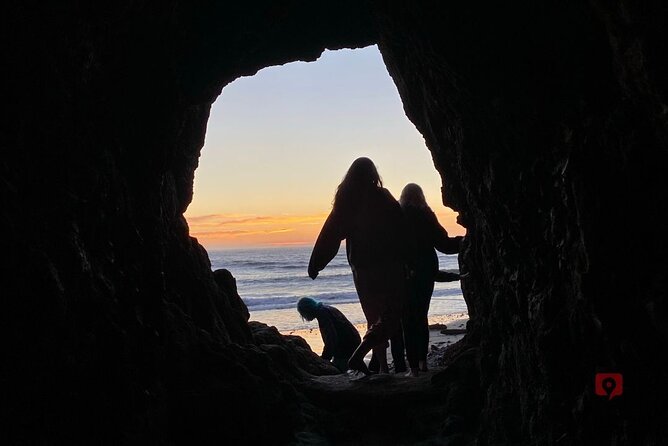
At $19.99 per group (up to 8 people), the price is easiest to justify when you’re traveling with friends or family. One purchase covers the whole vehicle, so the per-person cost drops fast if you’re not solo.
Another reason it feels like good value: most stops include admission ticket free entry. You’re not paying to learn what you’re seeing in places like Astoria, Cannon Beach, Lincoln City, Newport, and Seaside. And because the guide is mobile, you’re spending money on guidance rather than on a bunch of separate paid tours.
That said, there are a few costs to keep in mind:
- Parking fees: Fort Stevens State Park has a $5 day-use parking permit per vehicle, and Cape Perpetua has another $5 per vehicle day-use parking fee.
- Paid attractions: some stops note “admission not included,” like Sea Lion Caves and Devils Punchbowl, depending on what you do at the stop.
- Reservations: reservations are listed as not included, so if you want anything that requires one, plan accordingly.
If you’re budget-minded, this setup is usually a win. You’ll mainly pay for parking and any optional attractions, not for every single viewpoint.
Getting the App Working: Offline Audio and Practical Setup
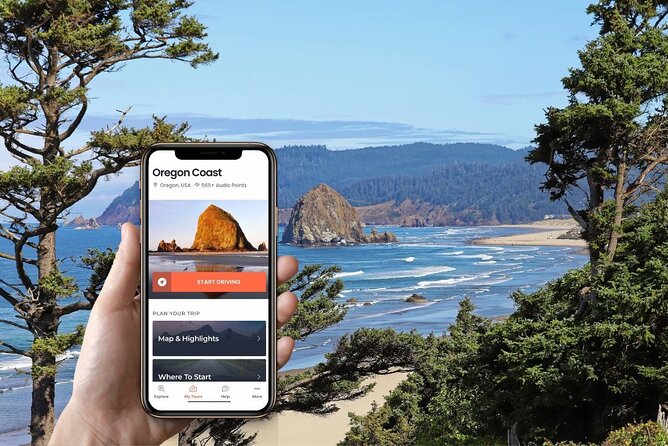
This tour is delivered through the GuideAlong (GyPSy Guide) app. After booking, you get instructions by email and text. You redeem a voucher code in the app after signing in with your Apple or Google account, then download the tour to your phone.
The big practical advantage is offline use. Once you’ve downloaded, you don’t need internet or cell service for the narration. That’s huge on the coast where signal can get patchy between towns.
Here’s what you should do before you start driving:
- Download the tour over Wi‑Fi if possible (or cellular if you have good coverage).
- Make sure your phone is charged. Bring a USB/c car charger.
- In the app, preview the tour route and start locations so you know where your first audio triggers will likely happen.
Also note: there’s no expiry. You’re not racing against a calendar. If your plans change, you can use it another day without re-buying.
Driving Route in Your Head: From Astoria Toward Florence
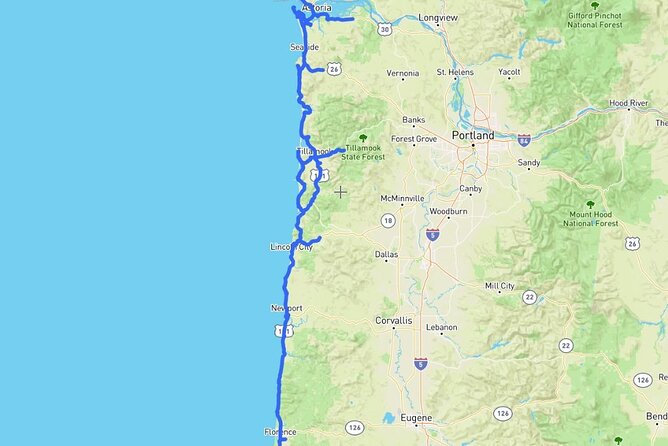
This experience is built for a long drive day. It lists duration as 8 hours to 1 day (approx.), and the route includes multiple stops that are spaced out enough that you’ll want to treat it like a “slow down and stop often” journey, not a highway hop.
Most people do best with a plan that matches daylight. The coast looks incredible in any season, but if you’re traveling in fall or winter, you may not get enough daylight to do every stop you want. The audio will keep working, so you can always prioritize: pick the highlights that matter most, and leave the rest for a future trip.
One more tip: because commentary plays based on your location, it’s smart to park and walk just enough to line up with what the story is describing. Don’t assume every stop is one short parking lot visit. Some places reward a slightly longer stroll to reach viewpoints, tidepool areas, or the most interesting shoreline angles.
Astoria: Victorian Views, the Astoria Column, and a Bridge Drive
Your starting point is Astoria, the oldest American settlement west of the Rockies. Expect Victorian-age homes overlooking the port and a strong “where land meets water” feeling right away.
Key moments include:
- Astoria Column: Climb to get a bird’s-eye view of how the Columbia River meets the Pacific.
- Riverwalk Trail: A natural lunch spot, especially when you want a calmer break before you keep driving.
- Astoria-Megler Bridge: It’s a long four-mile drive, and it’s fun in a purely get-to-see-it way—plus it’s tied to the historic Highway 101 connection between Canada and Mexico.
This part of the route works well early in the day because you’ll set the tone: ports, river mouths, big views. If you’re the type who likes knowing the “why” behind a location, this is where the narration starts earning its keep.
Cannon Beach and Haystack Rock: Tidepools and Sunset Timing
Cannon Beach is exactly what most people picture when they think Oregon Coast: a real town atmosphere plus a wide beach with a massive centerpiece.
The standout here is Haystack Rock, a basalt outcrop rising more than 235 feet from shore. You’ll also hear about smaller sea stacks called The Needles, which are especially interesting at low tide.
If you want the best beach experience:
- Time your visit to low tide for tidal pools and sea bird spotting.
- If you can, plan for sunset. The coast here is famous for it, and the “golden hour over basalt” look is the payoff.
One consideration: if you arrive when the tide is high, you’ll still enjoy the views, but you’ll lose some tidepool access. The audio helps you make the call once you’re there.
Cape Meares: Octopus-Tree Curiosity and Coastal Hikes
At Cape Meares State Park, the coast gets wilder and more tactile. This is a good stop when you want a short hike plus a bit of “wait, what is that?” nature spotting.
You can expect:
- The chance to watch for whales (depending on conditions).
- A visit to an old lighthouse area.
- And the famous octopus tree: a sacred Sitka spruce with limbs that look like an octopus reaching upward.
The walk here is short-to-moderate compared with bigger coast hikes, so it fits well as a reset. It’s also a nice contrast after Cannon Beach—same ocean drama, but less of the beach-town vibe and more of the park-and-cliffs vibe.
If you like getting your steps in without turning your day into a workout, this stop hits the sweet spot.
Cape Perpetua and Sea Lion Caves: Devils Churn and Thor’s Well
Now you’re heading into some of the most dramatic coastline features.
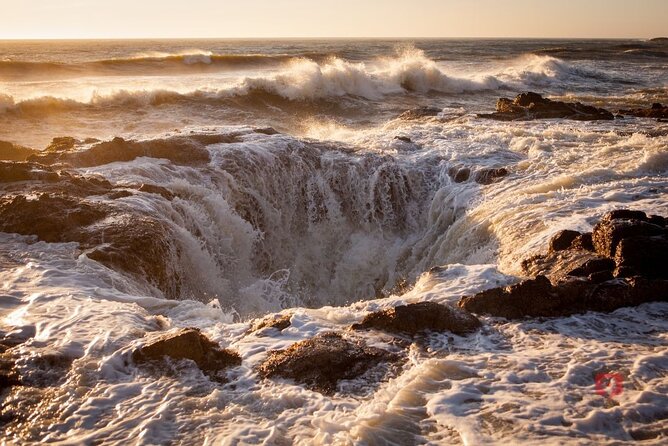
At Cape Perpetua Scenic Area, the audio points you toward:
- Devils Churn
- Thor’s Well
- Spouting Horn
These are wave-action moments—where the ocean does the work and you just show up at the right time. The guide’s practical advice matters here: if the tide is high, the route suggests heading inland on trails through thick coastal forest of Sitka spruce. If the tide is low, you can get closer to the action on shore trails.
Then there’s Sea Lion Caves nearby. The attraction itself is listed as admission not included, but the idea is simple: you go in and see hundreds of sea lions and birds. Even if you’re not a “sea life person,” it’s usually memorable because it’s loud, active, and real.
Devils Punchbowl: When Water Erodes a Cliff Into Drama
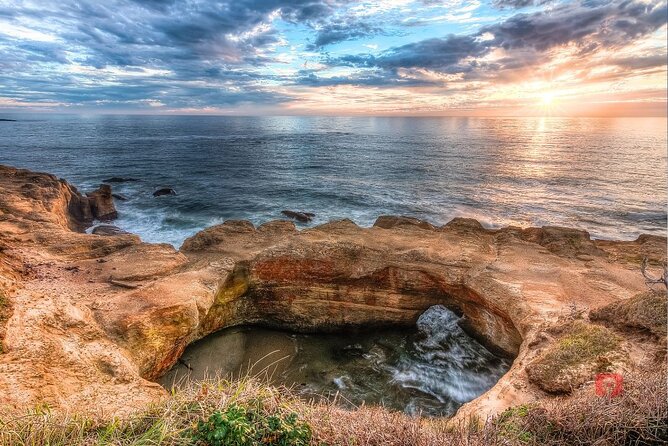
Just up the road on the Otter Crest Loop area is Devils Punchbowl State Natural Area, known for erosion shaped by wave power.
The story you hear here is part geology and part “wow.” What might have been caves in the cliff have been reshaped by relentless wave action, collapsing the roof. When winter waves hit, openings can churn and foam like an intense natural cauldron.
The big practical tip: this stop is best at low tide for exploring tidal pools. If you’re there at high tide, you may get less shore access, but you’ll still see the wave features from safer vantage points.
If you’re traveling with people who love nature that looks dangerous but isn’t staged, this is one of the stops that delivers.
Florence, Siuslaw River Bridges, and Old Town Views
Next comes Florence, and the audio shifts gears from rock drama to bridges and town walking.
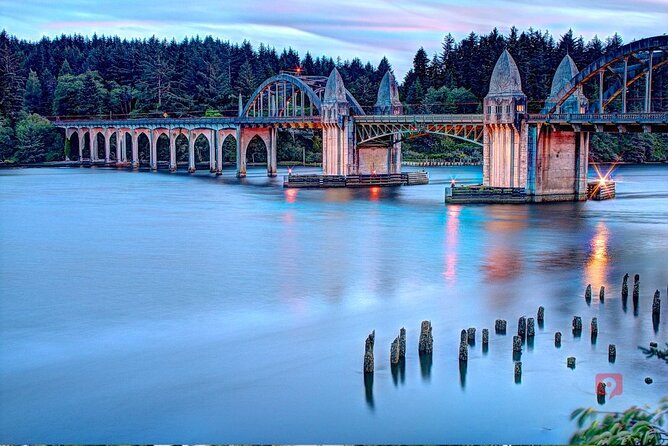
You’ll hear about the Siuslaw River bridge crossing—lovely for photos and easy to appreciate while staying in motion. The highlight is the “bridge theme” the guide connects across the Oregon Coast, so it gives you more than just a single stop photo.
Then make space for Old Town. It’s described as one of the best places for bridge views. Even a short wander here is worth it if you like mixing driving with a human-scale town break.
Fort Stevens to Lincoln City: Gun Batteries and Beachcombing Payoff
At Fort Stevens State Park, you’ll time travel. This was a major military defense installation at the mouth of the Columbia River and was manned for 84 years. Now you explore artifacts, a military museum, concrete gun batteries, and underground tours that show a chilling slice of the past.
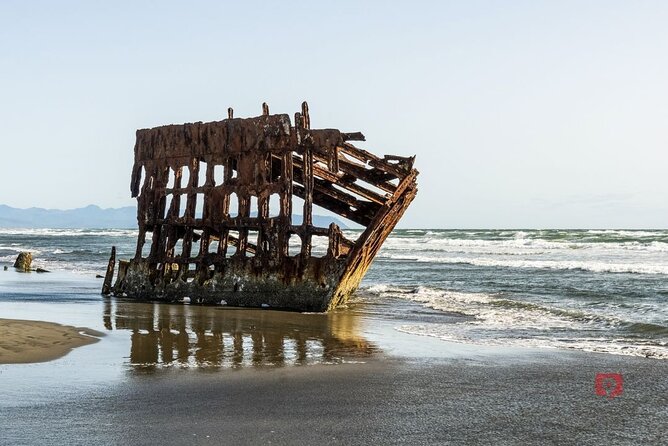
Also don’t skip the shoreline moment: the remains of the shipwreck of the Peter Iredale.
Budget note again: parking costs $5 per vehicle for day use at Fort Stevens.
Then the route shifts to Lincoln City, where winter storms leave behind logs and driftwood in a way that begs for beachcombing. This is also where the tour’s tip about fun local finds matters: volunteers sometimes hide signature glass floats among the logs and grasses for people to discover. If you’re into souvenir hunting that feels like a scavenger game, it’s an easy win.
Even if you don’t find a glass float, the town has glass blowers and shops with ornaments you can take home.
Newport, Tunnel Beach, and Seaside’s Classic Coast Fun
Newport is a smart family-friendly stop because it gives you indoor learning options without losing the coastal theme. The audio points you to two aquatic centers:
- Oregon Coast Aquarium
- Hatfield Marine Science Visitor Center
It also includes a driving loop around Newport Harbor with waterfront stores and restaurants, plus a view toward Yaquina Bay Bridge. If sea lions are in season, it even mentions them as a hilarious watch.
Then comes Oceanside with a quieter, quirky stop: Tunnel Beach. You access the tunnel through what looks like an old war bunker, and the 90-foot-long tunnel leads to a secluded beach. It’s fun just to walk through, and the shoreline is known for agates and jasper, plus marine fossils.
At Seaside, the tone is more “coast fun.” Expect:
- An old-time amusement park vibe
- A 1.5-mile promenade
- And the classic beach: long sand walks and clam digs.
Food-wise, the guide points you toward Oregon clam chowder and craft beer as part of the Seaside experience.
Tillamook: Cheese-Stop Energy and an Air Museum in a Blimp Hangar
At Tillamook, your coast day gets a satisfying food-and-activity boost.
The headline is the Tillamook Creamery, known for free tours and samples. If you’ve got anyone in your car who thinks road trips should include dairy rewards, this is where you win points fast.
But it’s not just cheese:
- There’s an air museum housed in the last remaining WWII blimp hangar, described as one of the largest wooden structures in the world.
- There are craft breweries too, including one with beer fermented using locally sourced yeast and microflora.
Tillamook is also a gateway to the Three Cape Scenic Loop, which is useful if you want to extend your Oregon Coast trip beyond Florence.
Quick Tips to Make This Drive Feel Smooth
A few things will make a big difference once you’re rolling:
- Charge early: keep your phone topped off with a car charger so the GPS audio doesn’t drop.
- Use the trip planners if you’re unsure: half-day vs full-day planning helps you avoid “we drove all day but saw nothing” regret.
- Plan around tides for the stops that depend on shore access, especially places like Cape Perpetua features and Devils Punchbowl.
- Don’t forget parking fees at Fort Stevens and Cape Perpetua—these are small but real.
- Pause with intention: at several stops, the story is telling you what to look for, not just where to pull off the road.
If you keep the pace relaxed and pick the right tide-sensitive stops, the audio experience becomes more than entertainment. It becomes a way to see the coast with better eyes.
Should You Book This Oregon Coast Audio Driving Tour?
I’d book it if you want a guided-feeling Oregon Coast drive without locking into a tour group schedule. The GPS autoplay, the practical directions, and the mix of history plus hands-on “watch for this” tips make it especially strong for first-timers who don’t want to miss the obvious and the clever.
It’s also a good pick for groups because the price is per vehicle (up to 8), and the stops are mostly admission free. If your group includes kids or people who get bored on long drives, the humor and story timing can turn the route into something you actually look forward to.
Skip or adjust your expectations if you’re trying to do every single stop in a short daylight window in colder months. In that case, choose your top priorities (tidepool moments, Sea Lion Caves, Fort Stevens, or beachcombing) and let the rest become part of a future trip.
If that sounds like your style of travel, this is a solid, cost-smart way to experience Oregon’s coast.
FAQ
How much does the Oregon Coast self-guided audio driving tour cost?
It’s $19.99 per group (up to 8 people).
How does the audio guide know when to play stories?
The commentary plays automatically based on your phone’s GPS location as you drive.
What’s included in the purchase?
The tour includes the GuideAlong audio tour with 565+ points, location-based stories, flexible routes with trip planners, offline use, free updates, and support by phone, chat, and email.
Do I need internet or cell service to use the audio?
You can download the tour over Wi‑Fi or cellular, and once it’s downloaded, it works offline without internet or cell service.
Can I start and end anywhere along the route?
Yes. The tour commentary can play based on GPS as you move, and you can start and end anywhere along the tour route. The stated start is Astoria and the end is Florence.
What language is the tour offered in?
The tour is offered in English.
Are the attractions and parks free to visit?
Many stops list admission ticket free, but some items are not included, and you may have to pay parking fees at certain places like Fort Stevens State Park ($5 per vehicle) and Cape Perpetua Scenic Area ($5 per vehicle).
What’s the typical time needed for the tour?
It lists a duration of 8 hours to 1 day (approx.), depending on how many stops you include and your pace.
What’s the cancellation policy?
You can cancel for a full refund if you cancel at least 24 hours in advance of the experience start time. If you cancel less than 24 hours before, there’s no refund.