REVIEW · KONYA
Rumi Route: A self-guided audio tour into Rumi’s world
Book on Viator →Bookable on Viator
Rumi’s world comes alive on foot. This offline audio walk pairs a self-paced route with narration about Rumi, Shams e Tabrizi, and Konya’s Seljuk era, plus the big cultural beats like whirling dervishes and Sufi music. I also like how the story stays tied to real stops such as İplikçi Camii and Kapı Camii. One caution: it can feel a bit tricky to find your way toward the end, and the final handoff near Konya Kitchen might be off if you’re expecting a specific place.
For a low $5.33 price, you’re basically buying a guided lesson you can repeat. The tour runs about 30 to 45 minutes, and you keep lifetime access, so it works even if your schedule shifts. Just remember: you need your own smartphone and headphones, or you’ll be sightseeing in silence.
In This Review
- Key Things I’d Bet You’ll Like
- Why This Walk Works So Well in Konya
- Price and Time: What You’re Really Getting for $5.33
- The Offline Setup: VoiceMap, Headphones, and Keeping Your Place
- The Route You’ll Walk: From Şemsitebrizi to the Mevlana Area
- İplikçi Camii: Starting With Konya’s Mosque-Mapped Story
- Shams of Tabriz Masjid and Tomb Area: The Emotional Core
- Şerafettin Türbesi: A Pause for Places of Memory
- Kapı Camii: Moving Through the Seljuk-Era Web
- Azizia Mosque and Sultan Selim Mosque: More City Threads, Same Story
- Mevlana Museum Area: The Big Anchor Point
- Seljuk Cuisine and Sufi Museum: What the Audio Teaches You
- The End Near Konya Kitchen: Worth Double-Checking
- Who This Tour Fits Best
- Practical Tips That Make This Walk Feel Easier
- Should You Book the Rumi Route Audio Tour?
- FAQ
- How long is the Rumi Route audio tour?
- How much does the tour cost?
- Is this a guided tour with a person?
- Do I need a smartphone or headphones?
- Can I use the tour offline?
- Are museum tickets or food included?
Key Things I’d Bet You’ll Like
- Offline, lifetime audio access via VoiceMap, so you can tour anytime without roaming charges
- A clear, story-led narration that links Konya landmarks to Rumi, Shams e Tabrizi, and Islamic philosophy
- You control the pace during the 30 to 45 minute walk
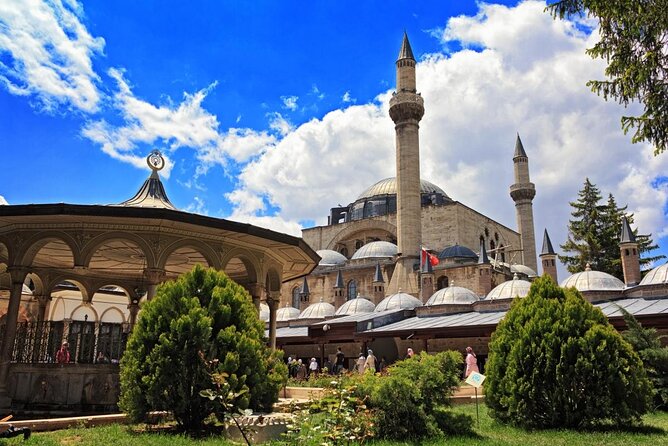
- Stops around central Konya including İplikçi Camii, Kapı Camii, and the Mevlana Museum area
- No entrance fees included, so it stays simple, but you should plan for that limitation
- Easy to repeat after you download once, since you get offline maps and geodata too
Why This Walk Works So Well in Konya
Konya can feel big and old-school at the same time. Streets connect mosques, tombs, and cultural sites in a way that begs for context. This tour gives you that context without forcing you into a strict schedule. You press play, follow the route, and learn as you go.
What makes the experience click is the mix of story and practical timing. The tour is short enough to fit between other sights, yet long enough for the audio to explain what you’re looking at: Rumi’s life in 13th-century Konya, his friendship with Shams e Tabrizi, and the way his poetry influenced Islamic philosophy and Sufism.
I also like that it’s not only about famous names. The audio mentions the Seljuk era, whirling dervishes, Anatolian carpets, Sufi music, and Seljuk cuisine. Even if you never step into a museum building during the walk, you’ll start noticing how these themes connect across the city.
The main practical tradeoff is simple: you’re guiding yourself. If you like a human guide who re-routes you instantly, a self-guided audio format may feel less forgiving.
Price and Time: What You’re Really Getting for $5.33
At $5.33 per person, you’re paying for a compact lesson plan. You’re not buying museum tickets, meals, or transportation. But you are getting lifetime access to the audio plus offline support in the VoiceMap app for Android and iOS.
That’s good value if you:
- want cultural context without adding ticket lines
- like to pause and control pacing
- plan to revisit the route later, maybe after you learn more about Rumi
It also helps that the duration is listed as about 30 to 45 minutes. That’s the right length for a concentrated city loop: enough time to absorb the story, not so long you get restless or lost.
If you were hoping for a full guided day with tastings and entrances, this isn’t that. The tour covers themes like Seljuk cuisine and a Sufi Museum experience in the audio, but the package does not include food or entrance fees.
The Offline Setup: VoiceMap, Headphones, and Keeping Your Place
This is a self-guided tour through a real urban area. So the biggest “logistics” item is your phone.
Here’s what you can count on from the tour data:
- You get the VoiceMap app for Android and iOS.
- You get lifetime access to the tour content in English.
- You get offline access to audio, maps, and geodata.
What you must bring:
- your smartphone
- headphones
What can go wrong (and how to avoid it):
- If you forget headphones, you lose the point of the walk.
- If you start without downloading for offline use, you might depend on weak cell coverage at the wrong moment.
- If you speed through the last part, you might miss audio cues that help you stay oriented. One issue flagged is finding your way near the end, so slow down slightly as you approach the closing area.
Quick tip: before you start walking, open the app, start the tour once while you’re standing near the meeting point, and confirm you have offline audio playing. Then put your phone away often and actually look at what you’re passing.
The Route You’ll Walk: From Şemsitebrizi to the Mevlana Area
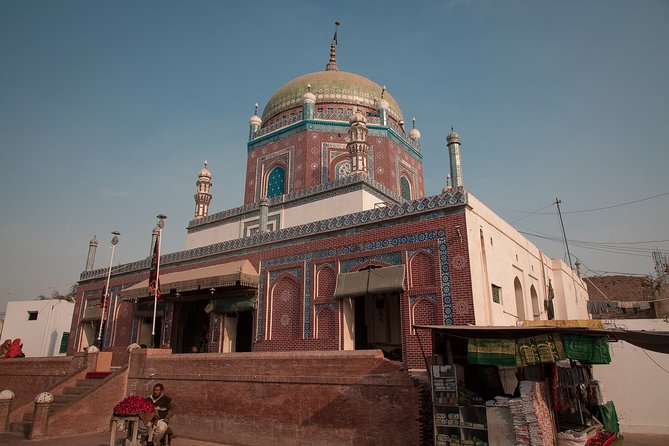
Your starting point is Şemsitebrizi, Mevlana Cd. No:11, 42030 Karatay/Konya, Türkiye. Your route ends near Tarihi Konya Köşkü Sarıyakup, Piri Esat Cd. No. 5, 42020 Karatay/Konya.
The tour is designed as an easy walk through key Rumi-related and Konya landmark areas, including mosques, tombs, and the Mevlana Museum neighborhood. It’s also near public transportation, so you’re not stuck if you need to hop on and off en route.
Below is what the audio guides you past, and why each stop tends to matter on an Rumi-focused route.
İplikçi Camii: Starting With Konya’s Mosque-Mapped Story
Early on, the route passes by İplikçi Camii (also written as İplikçi Camii in the stop list). Starting with a mosque makes sense for this kind of audio walk in Konya: these buildings aren’t just architecture. They’re part of how the city organizes daily life and memory.
As you pass it, the audio context is your job. Expect the narration to help you connect what you’re seeing to bigger themes: Rumi’s world, Konya’s Seljuk era setting, and the spiritual network around him. Since the tour stays self-guided, your best strategy is to listen to the section that plays at this stop before you rush ahead.
One drawback of self-guided tours is that you can walk past things you would have noticed more slowly with a live guide. If you want the most meaning out of the route, give each stop a little pause time, even if the walk feels short.
Shams of Tabriz Masjid and Tomb Area: The Emotional Core
Next, the tour stops briefly in front of the Shams of Tabriz Masjid and Tomb area. This is a big deal in any Rumi story. Shams e Tabrizi is the friendship that reshaped Rumi’s poetry, and the audio is built to frame that connection.
Why this stop matters:
- you’re hitting a moment of personal and spiritual transformation, not just historical background
- you’re moving from “who was Rumi” into “why does his poetry feel so urgent”
A practical note: because this is a tomb area, you’ll want to keep your pace respectful and focus on the audio. If you’re taking photos, do it after you’ve listened to the spoken portion, not during it.
Şerafettin Türbesi: A Pause for Places of Memory
The route passes by Şerafettin Türbesi. Türbes are places where memory is physical. In a short audio tour, they help you slow down and shift from general history to how people actually honor spiritual figures and their circles.
Even if you don’t know the details in advance, you can still get value here because the audio narration is meant to interpret the route as you go. Listen for how the stop connects to the larger Seljuk and Sufi atmosphere the tour discusses.
Self-guided tours can sometimes feel like name-dropping unless you understand why each name appears. This one is structured so you don’t just hear names—you hear what to look for in the context.
Kapı Camii: Moving Through the Seljuk-Era Web

Then you pass by Kapı Camii. “Kapı” (door/gate) is the kind of word that hints at how the city’s layout works—connections between quarters, pathways, and landmarks. In an Rumi route, a mosque like this becomes a waypoint in the spiritual geography of Konya.
What to do here:
- keep your eyes up for architectural details
- keep one ear on the narration
- don’t treat each stop as a checklist
When a tour makes you walk between religious buildings, it’s easy to forget they’re still active places. Stay alert and follow any local signage or quiet expectations.
Azizia Mosque and Sultan Selim Mosque: More City Threads, Same Story
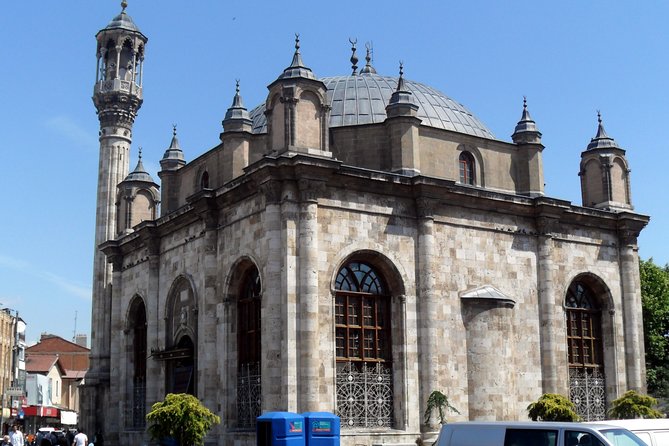
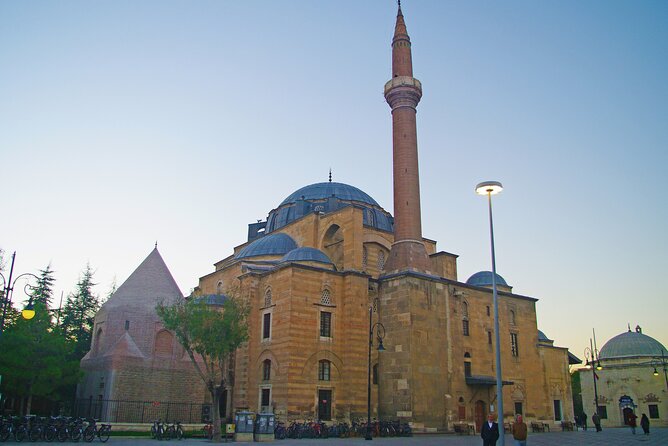
After Kapı Camii, the audio moves you past the Azizia Mosque and then the Sultan Selim Mosque.
These stops often do two things in an audio walk:
- They fill the route with real locations so you’re never just walking through random streets.
- They reinforce the theme that Rumi’s world lived inside a living city, not a museum hall.
In other words, you’re not only learning about 13th-century ideas. You’re learning how those ideas live in Konya’s physical map. If you listen carefully at these moments, the route should feel less like a sequence of buildings and more like a connected walk through a single spiritual storyline.
Mevlana Museum Area: The Big Anchor Point
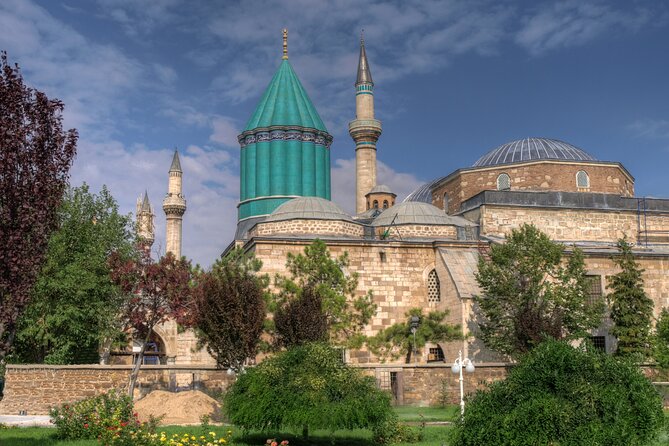
The route passes by the Mevlana Museum. Even if you don’t enter (and the tour data says tickets or entrance fees are not included), the location matters. The Mevlana area is where Konya’s Rumi story becomes most visible to visitors.
Since the audio includes background on Rumi, whirling dervishes, and the spiritual tradition around him, this is a natural moment to think: okay, so this is the center of attention. If you want to extend your day, this is also the most logical place to decide whether to add museum time afterward on your own ticket.
What can trip people up: if you’re already running late, you might feel tempted to rush the audio here. Don’t. The last stretch is often where self-guided routing feels most confusing.
Seljuk Cuisine and Sufi Museum: What the Audio Teaches You
The tour highlights mention Seljuk cuisine and a Sufi Museum during your tour. The key detail: food/drink are not included, and tickets aren’t included.
So treat these parts as educational stops in the narration. You’ll learn what to pay attention to next time you’re choosing food or visiting related cultural spaces. If you want to turn knowledge into action, plan to eat afterward nearby on your own. The audio can act like a menu primer even though it won’t serve you.
This is also where the whirling dervishes and Anatolian carpets themes fit in. Even without physical carpet shopping or a performance, the narration gives you cultural “language.” Later, when you see carpets or hear Sufi music, you’re more likely to notice patterns and meaning instead of just style.
The End Near Konya Kitchen: Worth Double-Checking
The tour ends near Konya Kitchen by Tarihi Konya Köşkü Sarıyakup, Piri Esat Cd. No. 5.
Here’s the real-world caution: the ending point may be outdated. If you arrive looking specifically for Konya Kitchen and can’t find it, don’t panic. Use the offline maps and geodata in VoiceMap to confirm you’re at the correct end area, and let the audio finish while you’re nearby.
If you’re the type who hates last-minute surprises, you might be better off taking a screenshot of the end location in Google Maps before you set off, just in case.
Who This Tour Fits Best
This tour is a strong match if you:
- want a focused Rumi introduction in English
- like to walk and listen at your own pace
- prefer low-cost self-guided experiences
- don’t want to budget for museum tickets during your walk
It’s less ideal if you:
- want a human guide to keep you on track
- dislike any chance of navigation friction near the end
- expect food, drinks, or entrances to be included
If you’re traveling with kids, it can still work, but you’ll probably need to manage headphone sharing and keep the pacing simple, since the tour assumes you’re listening.
Practical Tips That Make This Walk Feel Easier
A few small moves can make the difference between a smooth walk and a frustrating one:
- Download before you leave. Offline audio, maps, and geodata are included, but you still need to set it up.
- Wear headphones comfortably. You’re listening for guidance at every step.
- Don’t sprint the last minutes. The end is where route-finding can feel tougher.
- Plan a backup. If the end near Konya Kitchen feels off, rely on the app’s offline map to get closure.
- Use the route for context, not just motion. If you listen to the audio before each landmark, the walk becomes more than a stroll.
This is also one of those experiences where it’s smart to give yourself a little time buffer. Konya streets can be winding, and you’ll get more out of the tour if you’re not rushing.
Should You Book the Rumi Route Audio Tour?
My take: book it if you want an efficient, repeatable Rumi primer without spending more on tickets or guided staffing. The price is low, the audio is in English, and the lifetime + offline access is exactly what makes self-guided work in a city like Konya. You’ll get a guided-feeling walk through real landmarks while learning the bigger story of Rumi, Shams e Tabrizi, and Sufi life in the Seljuk era.
Hold off (or go in with eyes open) if you hate navigation uncertainty. The end area may be inconsistent with expectations around Konya Kitchen, and the tour may require a bit more attention when you’re near the finish.
If you’re planning a first visit to Konya and want a meaningful, low-cost way to connect the city to Rumi’s world, this is a smart add-on to your day.
FAQ
How long is the Rumi Route audio tour?
It’s listed as approximately 30 to 45 minutes.
How much does the tour cost?
The price is $5.33 per person.
Is this a guided tour with a person?
No. It’s a self-guided audio tour. The app provides the tour experience.
Do I need a smartphone or headphones?
Yes. The tour is provided through the VoiceMap app, and a smartphone and headphones are not included.
Can I use the tour offline?
Yes. You get offline access to the audio, maps, and geodata.
Are museum tickets or food included?
No. Tickets or entrance fees for museums and attractions are not included, and food and drink are not included either.