REVIEW · REGGIO CALABRIA
R. Calabria: National Archaeological Museum & App audioguide
Book on GetYourGuide →Operated by GetYourGuide Tours & Tickets GmbH · Bookable on GetYourGuide
A couple of rooms can make this visit feel like a time machine. The National Archaeological Museum of Reggio Calabria puts the spotlight on the famous Riace Bronzes and then keeps surprising you with other discoveries, including burial finds and inscriptions. What I like most is how the museum layout helps you move room to room, and how the signage makes even the non-star objects worth your time. One thing to watch: the Riace Bronzes room has seasonal closures on specific dates.
I also love the practical mix of star power and supporting detail. You get the big Greek art moments, then you can follow threads like Hellenistic burial discoveries and the museum’s lapidary material. The museum’s modern, visitor-friendly setup (plus an app audioguide) makes it easier to understand what you are seeing without feeling lost. The main drawback is simple: entry is self-paced, so if you want a guided explanation of every section, you’ll have to read the labels and use the app yourself.
Before you go, keep your expectations grounded and your time planned. This is an all-museum visit experience, and it ends when you finish inside, so you should arrive with enough hours to actually follow the collections and not rush the best rooms.
In This Review
- Key things to know before you visit
- The big draw: Riace Bronzes, without the museum getting in your way
- Your walk-through plan inside the museum: a smooth self-guided route
- Start with the Riace Bronzes room
- Move to the Hellenistic Necropoli discoveries
- Continue to the extensive lapidary
- Finish with the photographic laboratory and the inner courtyard
- Don’t forget the views of the Strait of Messina
- Hellenistic Necropoli finds: why they’re more than another section name
- The lapidary section: inscriptions and fragments that turn stone into a conversation
- Photographic laboratory: the museum’s behind-the-scenes side
- Inner courtyard under a glass roof: a built-in breather
- Strait of Messina views: tying the museum to the real geography
- Price and value: is $19 a good deal?
- What’s included (and what isn’t), in plain terms
- Who should book this museum ticket
- Booking tips that will save you time
- Should you book this ticket?
- FAQ
- How do I use my voucher?
- What does the ticket include?
- How long is the ticket valid?
- Are pets or large bags allowed?
- Is the museum wheelchair accessible?
- When is the last entry time?
- Are the Riace Bronzes always open?
Key things to know before you visit
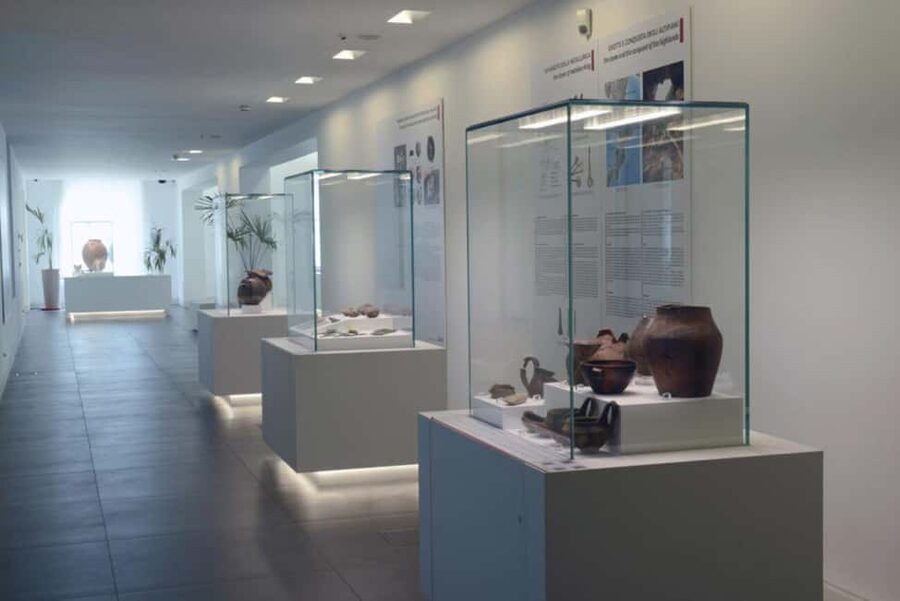
- Riace Bronzes at the center: the museum experience is built around this iconic collection.
- Hellenistic Necropoli finds: items discovered during the museum’s construction give you a real sense of archaeology in action.
- Lapidary inscriptions and architectural fragments: you can study stone texts and building pieces that connect eras.
- State-of-the-art photographic laboratory: you’ll see how historical artifacts were preserved through photography.
- Inner courtyard under a glass roof: a calm pause after long galleries.
- Views of the Strait of Messina: you get a geography reminder that makes the ancient setting feel closer.
The big draw: Riace Bronzes, without the museum getting in your way
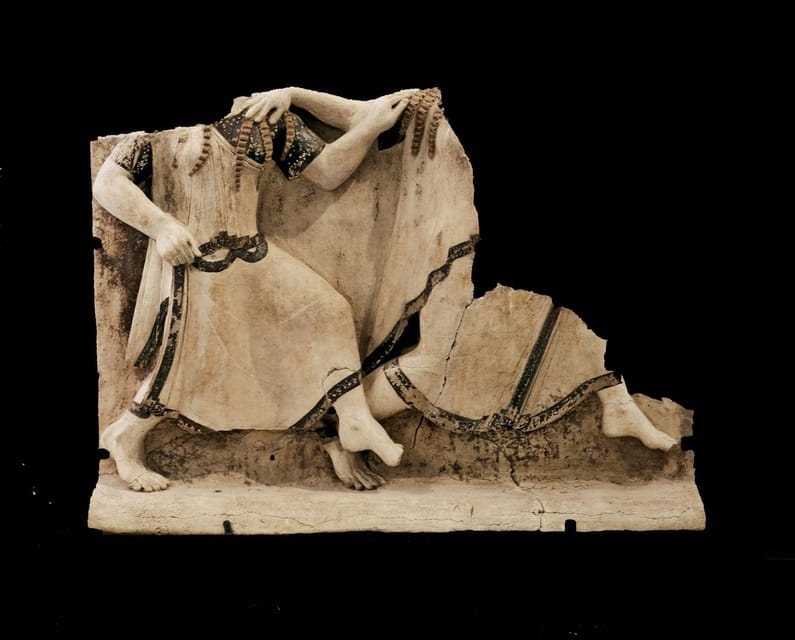
The first reason this ticket is worth your time is that the museum doesn’t treat the Riace Bronzes as a one-minute stop. You go in expecting to see the headlines, and you also get enough context to make those bronze giants feel meaningful, not just impressive.
The museum’s modern layout matters here. It helps you flow through major sections without constantly backtracking, so you can actually spend time on what interests you. If you like seeing how a museum guides the eye, this one is a good example of planning that respects your pace.
And yes, the Riace Bronzes are a must. But what makes the visit smarter is that the bronzes sit inside a larger story that stretches across prehistoric, Greek, and Roman periods. You get the sense that Calabria was a crossroads, and the museum keeps showing you evidence, not just claims.
Your walk-through plan inside the museum: a smooth self-guided route
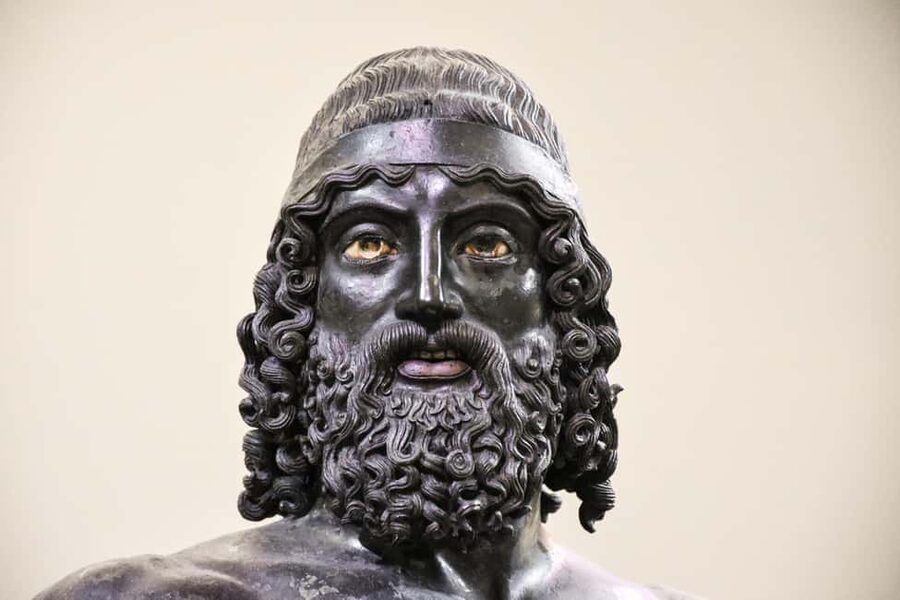
Because this is an entry ticket with an app audioguide, your visit is self-paced. That’s a perk if you like control, but it also means you should choose a route so you don’t spend the day zigzagging.
Here’s a practical way to structure your time:
Start with the Riace Bronzes room
Go early if you can. The collection is the headline, and it’s the kind of thing where you’ll want a slow look from multiple angles. The museum experience is built around this room, so starting here keeps you oriented for what comes next.
Also check the closure dates. The Riace Bronzes room is closed on May 28–29–30, June 18, July 2–3, and September 17–18. Ticket holders for those dates can visit the room on a different date within 30 days by showing their ticket at the office. If you’re visiting during one of those windows, it’s still a strong museum, but you should plan your priorities.
Move to the Hellenistic Necropoli discoveries
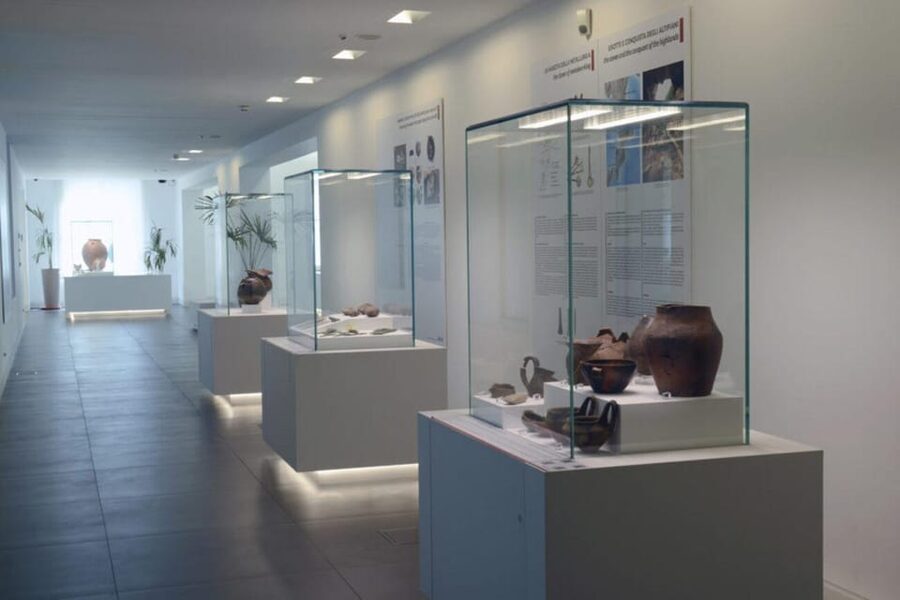
Next, look for the section dedicated to the Hellenistic Necropoli artifacts. These are described as discoveries from the necropolis found during the museum’s construction. That phrasing matters because it turns your visit into something more than looking at old objects behind glass.
You’re seeing archaeology tied to the building itself. The museum gives you the evidence of what was found and the results of how those finds were studied and preserved. For me, that’s where the museum gets emotionally real, because it connects the past to the present location.
Continue to the extensive lapidary
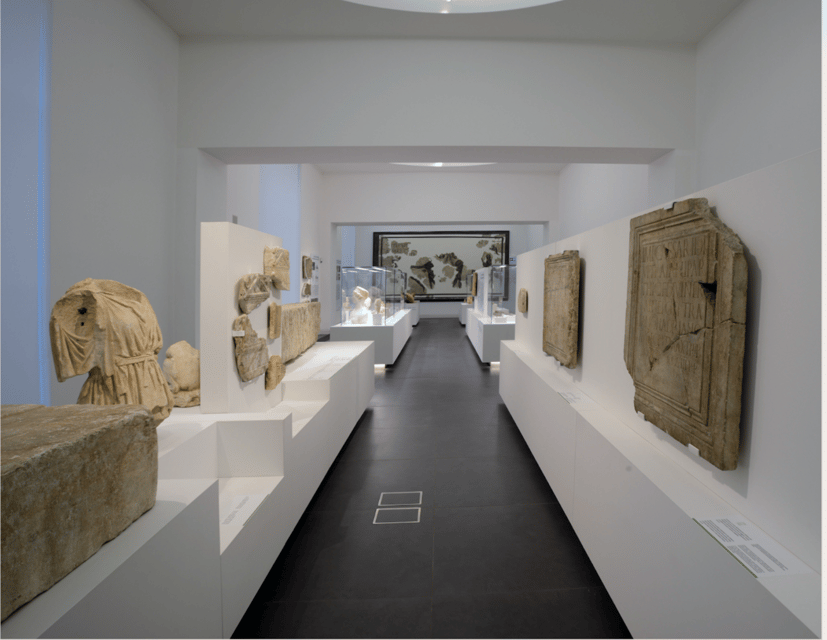
After that, head into the lapidary section where ancient inscriptions and architectural fragments are displayed. This is the part of the museum that rewards patience. Stone texts and building pieces can feel abstract, but with the app audioguide and careful label reading, you start noticing patterns—language, fragments of structures, and how the pieces were meant to communicate.
If you enjoy ephemera of the ancient world—what people carved, built, and left behind—this section is one of the best value-per-minute areas.
Finish with the photographic laboratory and the inner courtyard
Don’t skip the photographic laboratory, which is described as state-of-the-art and tied to an archive of historical artifacts preserved through photography. It’s a different kind of museum experience: less about the object in front of you and more about how the object was captured, documented, and safeguarded.
Then end with the inner courtyard under the glass roof. This is where you get a calmer moment in the middle of a museum day. The natural light through the roof makes the courtyard feel like a reset button—worth it if you’ve spent hours reading stone inscriptions and looking at small details.
Don’t forget the views of the Strait of Messina
The highlight list includes stunning views of the Strait of Messina. If your brain has been stuck in museum mode for hours, these views help you shift gears. Even brief pauses to look outward make the history feel grounded in place.
Hellenistic Necropoli finds: why they’re more than another section name
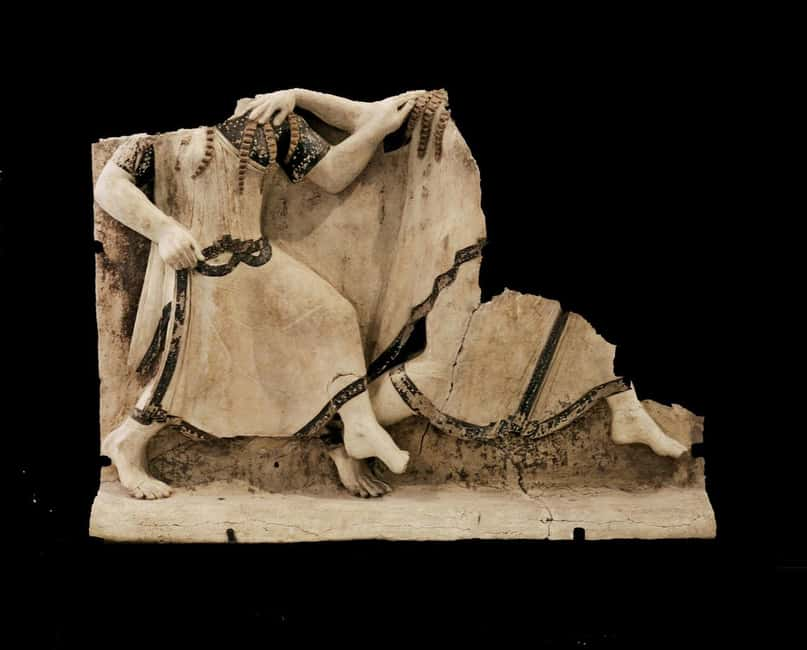
The Hellenistic Necropoli is one of those museum topics that can sound technical until you see what it’s for. Here, the story is that during the museum’s construction, burial discoveries were uncovered, and the museum now presents those findings.
That matters because burial context is where archaeology gets honest. Instead of only showing art or official architecture, you also get evidence of everyday ritual, care, and belief. Even when objects are small, the meaning often isn’t.
If you’re the kind of visitor who likes to connect what you see to human behavior—how people lived, honored the dead, and left traces—this necropolis section is a strong stop. It also balances the museum’s star attraction. You can spend part of your visit staring up at bronzes, and part of it thinking about the quieter details of burial practices.
The lapidary section: inscriptions and fragments that turn stone into a conversation
The lapidary section is highlighted as extensive, and it focuses on two big categories: monumental inscriptions and architectural fragments. That pairing is useful for you because it gives you both text and context.
Inscriptions can tell you who did what, where, and sometimes why. Architectural fragments can show you how structures were built and what parts mattered enough to be kept. Together, they can help you read the ancient world as something more physical than a picture in a textbook.
This is also where an app audioguide helps most. Without help, it’s easy to treat inscriptions like decorative detail. With the audioguide, you have a better chance of understanding what the labels are trying to communicate and why the museum arranged these stones as it did.
Take your time here. Lapidary displays aren’t always the fastest to absorb, and that’s exactly why they are often under-visited. If you tend to rush, set aside extra minutes anyway.
Photographic laboratory: the museum’s behind-the-scenes side
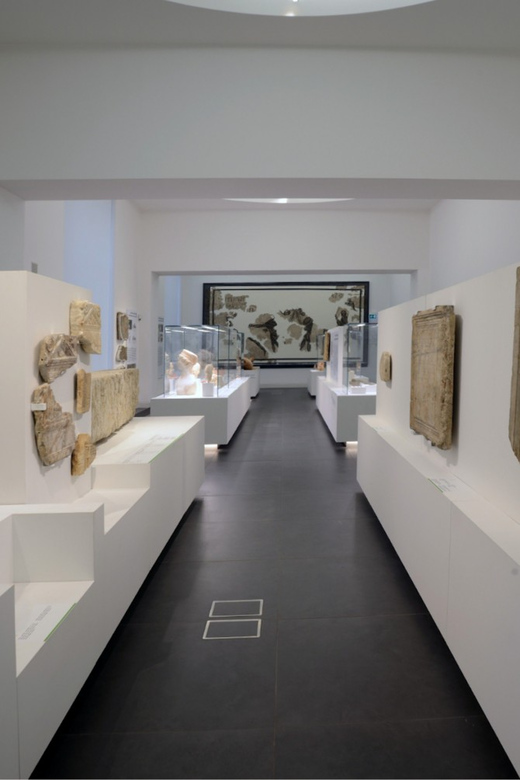
One of the more interesting inclusions is the state-of-the-art photographic laboratory and its archive connected to historical artifacts preserved through photography. This is not just a bonus room; it changes the way you understand a museum.
It reminds you that the museum you’re walking through is also the product of documentation and preservation. Photography can capture objects, support study, and help protect fragile items over time. Even if you’re mostly there for the classics, this lab gives you the practical side of how collections survive.
If you like museum science, conservation, or documentation, you’ll probably enjoy this stop more than you expect. And if you don’t, you can still treat it as a quick reset before heading back into the galleries.
Inner courtyard under a glass roof: a built-in breather
By the time you reach the inner courtyard, you may feel like you’ve been in reading mode for hours. The courtyard covered by a glass roof offers a different kind of experience—light, space, and a pause.
I like this kind of design because it stops the museum from feeling like a nonstop checklist. You sit or stand for a moment, let your brain reorganize what you saw, and then decide if you want to circle back.
It’s also one of those “small architectural moments” that turns a museum visit into a memory. For many people, the courtyard becomes the lasting mental image because it’s where the museum shifts from objects to atmosphere.
Strait of Messina views: tying the museum to the real geography
The museum experience includes views of the Strait of Messina, and I think that’s a smart move by the museum. It helps you remember that the artifacts were created in real places, not in a vacuum of glass cases.
Even if you spend most of your time indoors, the chance to look outward does something important. It gives you scale. It helps you connect the idea of ancient travel and exchange to what you can see from the building today.
Plan one short break specifically for the view. Don’t just glance once and move on. If you’re the kind who likes to understand where you are, it’s worth slowing down.
Price and value: is $19 a good deal?
At $19 per person, this ticket sits in the “reasonable if you use your time well” category. The value comes from the museum breadth: you’re not paying just for one headline room.
You’ll have access to the Riace Bronzes, plus the Hellenistic Necropoli material, the lapidary inscriptions and architectural fragments, and the photographic laboratory. You also get the courtyard atmosphere and Strait of Messina views as part of the overall museum layout.
And there’s a small extra inclusion that I appreciate when it’s available: pemcards, printed postcards that you can send around the world. It’s not life-changing, but it’s a nice practical souvenir you’ll actually use.
To get your money’s worth, don’t rush the lapidary. The bronze rooms can swallow your attention, but the stone inscriptions and fragments are where many visitors would normally skim. If you spend extra time there, you’ll feel like you got more than the basic “I saw the famous things” visit.
What’s included (and what isn’t), in plain terms
Included:
- Entry ticket to the Reggio Calabria National Archaeological Museum
- Pemcards (printed postcard that can be sent all over the world)
This experience also pairs the museum entry with an app audioguide, which is helpful for understanding sections beyond the Riace Bronzes.
Not included:
- Guided tour
So if you want a person to explain everything step-by-step, you’ll need to find a guided option elsewhere. If you’re comfortable reading labels and using an app, this ticket is a solid way to move at your pace.
Who should book this museum ticket
This is a great choice if you:
- Like major museum anchor pieces but also want supporting sections that make the story bigger.
- Enjoy inscriptions, fragments, and archaeology details, not just big art.
- Prefer self-paced visits where you can spend extra time on what catches your eye.
It might not be the best fit if:
- You want a guided interpretation of every gallery and you don’t like reading labels or using an app.
- Your day is so packed that you can’t give yourself enough time to see more than the first star room.
Also note the restrictions: pets aren’t allowed, and you can’t bring luggage or large bags, including backpacks. If you’re traveling light, that’s easy. If you’re coming straight from a train or long day out, plan for how you’ll store your bags before you arrive.
Booking tips that will save you time
A couple small details can make your visit go smoother:
- Swap your GetYourGuide voucher at the ticket office to get the ticket in hand.
- Plan your arrival so you’re not rushing. Last entry is 1 hour before closing.
- If you’re visiting on one of the Riace Bronzes closure dates, check the dates in advance. You can still visit later within 30 days by showing your ticket at the office, but you should know that plan ahead of time.
Should you book this ticket?
Yes, I’d book it if your goal is a strong, independent museum day focused on one of Italy’s most famous archaeological highlights. At $19, you’re paying for access to multiple major sections: Riace Bronzes, Hellenistic Necropoli finds, lapidary inscriptions, and even the museum’s documentation side through the photographic laboratory. That’s a lot to pack into one ticket.
Skip booking only if you’re set on a guided tour style experience, or if you’ll likely arrive too late and then spend the day rushing. This museum shines when you can slow down for the inscriptions and let the courtyard and views break up the galleries.
If you like to learn by walking room to room, this is exactly the kind of ticket that delivers.
FAQ
How do I use my voucher?
You exchange the GetYourGuide voucher at the museum ticket office to get your ticket.
What does the ticket include?
It includes entry to the National Archaeological Museum of Reggio Calabria and pemcards, which are printed postcards you can send worldwide. You also have an app audioguide for the experience.
How long is the ticket valid?
It’s valid for 1 day. You should check availability to see starting times.
Are pets or large bags allowed?
No. Pets aren’t allowed, and luggage or large bags, including backpacks, are not allowed.
Is the museum wheelchair accessible?
Yes, the activity is wheelchair accessible.
When is the last entry time?
Last entry is 1 hour before closing.
Are the Riace Bronzes always open?
The Riace Bronzes room has specific closure dates: May 28–29–30, June 18, July 2–3, and September 17–18. On those dates, you can visit the room on a different date within 30 days by showing your ticket at the office.