REVIEW · MEMPHIS
Memphis Self Guided Driving Audio Tour
Book on Viator →Operated by Travel with Action · Bookable on Viator
Memphis music history starts with your car keys. I like how the hands-free audio plays automatically based on where you are, so you’re not constantly fiddling with your phone. It’s a smooth way to tour without feeling tied to a strict group schedule.
Second, I really value the offline maps plus lifetime access. You can download once (with good signal), then use the tour on future trips without worrying about apps expiring.
One consideration: directions aren’t always crystal clear, so you may need to slow down and double-check your route. If you’re picky about where you stop and park, plan to keep walks short and stay with the main points.
In This Review
- Key things that make this tour work
- Price and value: $16.99 per group is the real bargain
- Start at Bass Pro Dr: the route setup that keeps you sane
- Elmwood Cemetery: Ma Rainey’s resting place and why it matters
- Aretha Franklin’s birthplace: gospel roots you can actually follow
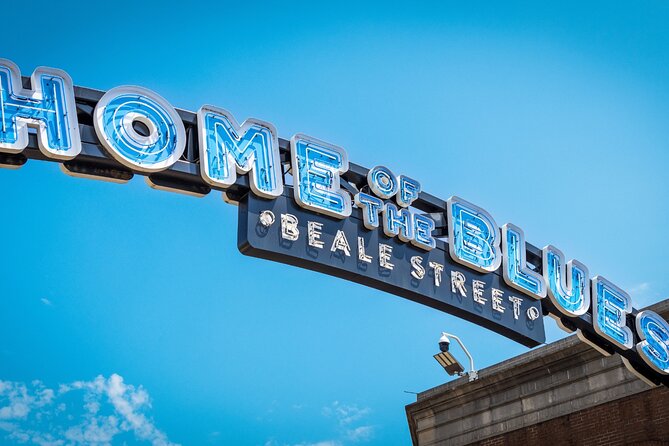
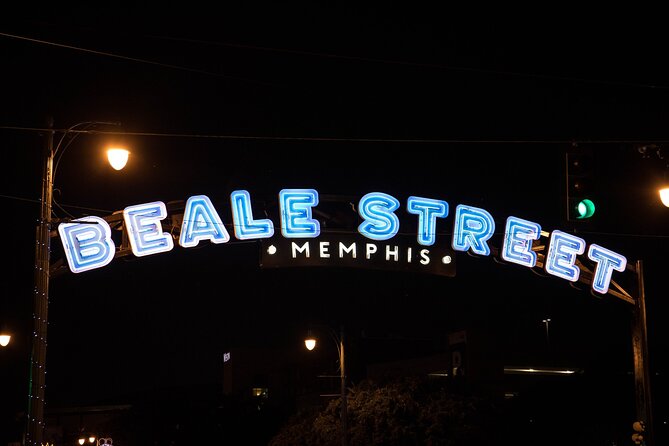
- Beale Street: the walk-in heart of Memphis (and the easy way to park)
- Stax Museum and the soul-music thread you’ll hear in the stories
- Sun Studio: the massive guitar moment and rock ’n’ roll origins
- Royal Studios: from silent films to Hi Records with real timeline clues
- Elvis-era neighborhood listening: when fans took over the street
- Driving logistics that matter: hands-free audio, but still drive smart
- How much walking should you expect?
- Who should book this Memphis audio tour?
- Should you book it?
- FAQ
- How much does the Memphis self-guided audio tour cost?
- How long does the tour take?
- Does it work without cell service?
- Where do I start and what time is it available?
- Do the main stops require paid admission?
- How do I begin the tour once I’m at the start?
- Can I pause or resume the tour?
Key things that make this tour work
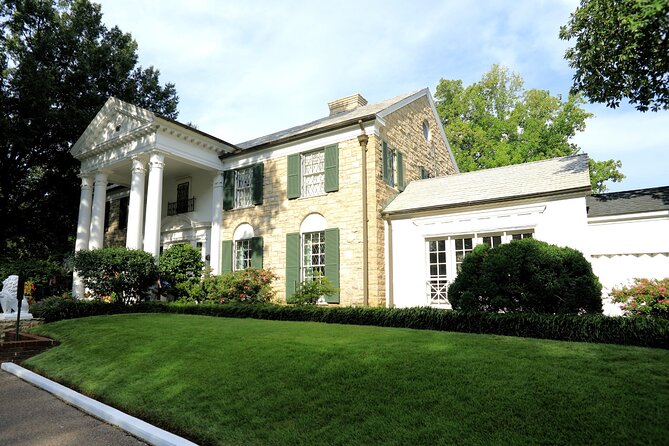
- Location-triggered storytelling so the audio starts as you reach each spot
- Offline maps + lifetime access so you’re not hostage to signal
- A tight music-history route built around major names and recording locations
- Free admission at the stops that matter so your $16.99 goes further
- Car-friendly audio setup (Bluetooth/AUX/USB) and walking-friendly options
- About 11.2 miles and 2–3 hours for a focused downtown-and-music core loop
Price and value: $16.99 per group is the real bargain

At $16.99 per group (up to 4 people), this is priced like a deal, not a “you have to pay per person” attraction. For families, friend groups, or a couple plus a flex seat, the cost-per-person drops fast compared with bus tours.
What also helps is that several major stops come with admission ticket free time. That means you’re paying mainly for navigation and storytelling, not for entry fees (at least for the stops the audio is built around). If you love music history but hate spending your day buying tickets, this is the sweet spot.
Time-wise, expect 2 to 3 hours. The route is about 11.2 miles with 25+ audio stories, so you’re not driving in circles for a “quick highlight tour.” It’s a real afternoon plan.
Start at Bass Pro Dr: the route setup that keeps you sane

You start at 1 Bass Pro Dr, Memphis, TN 38105. No guide meets you. Instead, you handle the tour through Action’s audio app.
Here’s the practical rhythm:
- After booking, you’ll get a password via email and text.
- You download the separate Action’s Tour Guide App.
- You’ll want strong Wi‑Fi/cellular during download, because the tour works offline after that.
When you arrive, open the app on-site, pick the right tour version (based on your starting point), then go to the first story point. The audio should begin on its own, based on your location. The tour is designed for pause anytime / resume anytime, so you can handle quick photo stops and snack breaks without losing the thread.
A useful tip if you want clean sound: connect your phone to your car stereo with Bluetooth, USB, or AUX. If you do any walking around Beale Street or the cemetery areas, headphones can make it easier to hear.
Elmwood Cemetery: Ma Rainey’s resting place and why it matters
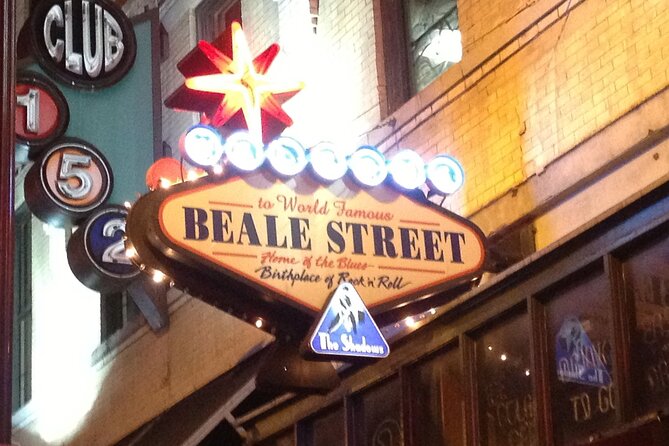
Your first stop is Elmwood Cemetery, where Singer Ma Rainey II is buried. This isn’t just a name on a marker. The audio frames Ma Rainey’s story as a push-and-pull between family control and show-business drive.
You’ll hear the setup: her father (a pastor) reportedly forbade her from singing, so Ma Rainey ran away and joined a traveling circus-type show. Later, she worked as both a fortune teller and a ragtime performer tied to Beale Street.
Why this stop is worth your time:
- It puts a performer’s life into context. You get the sense that this music wasn’t born from comfort. It came from hard choices.
- Elmwood Cemetery is also a good “calm start.” You begin your drive with story depth before shifting into the louder commercial music scenes.
Watch the timing. The tour list gives you about 40 minutes here, including listening and taking in the location. If you rush, you’ll miss the meaning. If you linger, that’s fine too. This tour is built for your pace.
Admission here is listed as ticket free, so you’re not paying extra just to stand in the right place and listen.
Aretha Franklin’s birthplace: gospel roots you can actually follow
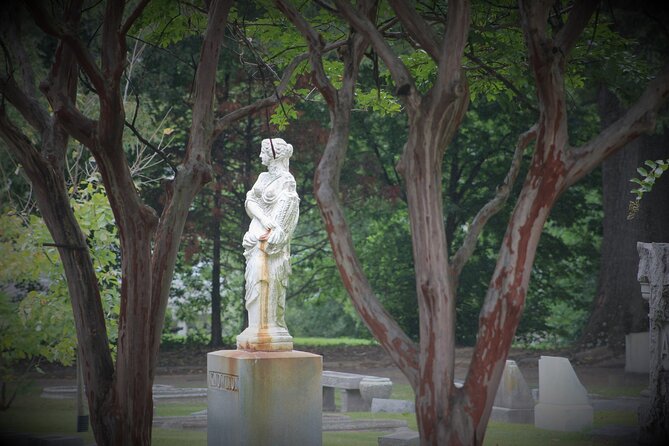
Next up: the Birthplace of Aretha Franklin. The audio connection is simple and strong. Franklin eventually moved to Detroit with her father after her parents separated, and she turned to singing through her father’s church.
You’ll also hear about her father taking her along with his gospel caravan, performing in churches around the area. That detail matters because it shows how her talent was shaped by a circuit of real performances, not just a single “big break” moment.
This is a great stop if you like:
- music history that ties to everyday life (church, touring, community performances)
- hearing how early influences become a career
The stop is timed at about 40 minutes and is also ticket free. When you’re ready to move on, you’ll roll back toward downtown.
Beale Street: the walk-in heart of Memphis (and the easy way to park)

After you’ve been listening to the women who helped shape American music, the tour nudges you toward what Memphis does best on the street level: Beale Street.
The tour gives you a simple navigation idea. If you keep driving straight, you’ll reach Beale Street, and you can find parking and then walk through the pedestrian-only area ahead. It also mentions bonus stories once you’re there, so this isn’t just a “drive past it” moment.
A few practical thoughts before you park:
- Plan for walking. This part of downtown is meant for feet, not laps in a car.
- If you’re tired of listening in the car, Beale Street is where you can switch your attention to the vibe and then let the audio guide you on when to come back out.
One nice thing about the audio format: you control breaks. If you want to grab a drink or snack, pause the tour. If you want to linger for photos, do it. This isn’t a bus schedule.
Stax Museum and the soul-music thread you’ll hear in the stories
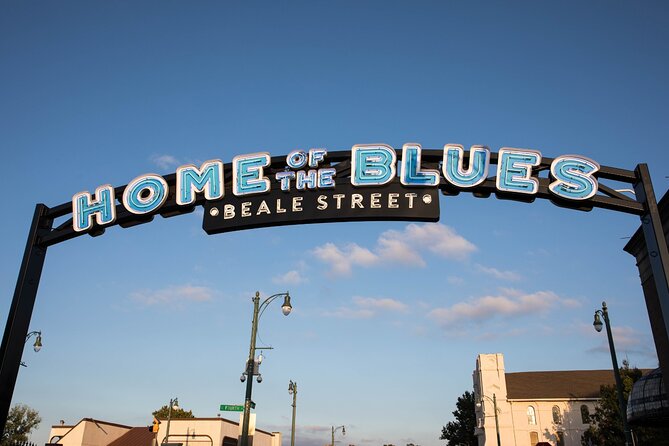
As you keep moving through the music spine of Memphis, the audio points you to the Stax Museum of American Soul Music. The tour description leans hard into the idea of “recorded here,” naming major legends associated with the studio’s output, including Otis Redding, the Staple Singers, and Reverend Jesse Jackson.
You’ll also get an instruction-style hint: when you’re about to park, you should turn into the parking lot on the right. Then there’s mention of tapping Learn More after you park for more soul-music context.
Why this museum stop can be a high payoff (even if you don’t go deep inside):
- The audio gives you a storyline before you arrive, so you’re not staring at exhibits with blank-brain syndrome.
- It helps you connect performers to places, which is what makes music history feel real.
In the tour plan, Stax is framed as part of the driving sequence, not necessarily a rushed “check the box.” Use your discretion. If you only have time for the outside and a quick stop, the audio still sets you up.
Sun Studio: the massive guitar moment and rock ’n’ roll origins
Soon after Stax, you’ll pass a brick building with a massive guitar hanging in front. That’s Sun Studio, also described as the birthplace of rock ’n’ roll.
Even if you don’t go inside (and the audio plan doesn’t spell out timed entry for Sun the way it does for other stops), the effect of this stop is big. It’s a physical landmark that turns a concept into something you can point at and say: this is where the story started.
If you’re doing this trip as a music fan, Sun Studio is one of those places that usually makes you stand still for a minute. Let that happen.
Royal Studios: from silent films to Hi Records with real timeline clues
Next is Royal Studios, and the audio gives you a very specific backstory. It began as a movie theater showing silent films back in 1915. Later, it was converted into the Royal Recording Studio in 1957, and became the official recording studio for Hi Records.
That timeline is what makes this stop feel more than just “another building with fame.” You get to hear how entertainment spaces transform as technology and culture shift.
The tour assigns about 45 minutes for this area. That’s usually enough to:
- park without panic
- listen to the main story points
- take a few photos if you want them
If you like historic places where the walls have seen multiple eras of American entertainment, Royal Studios is a strong match. It’s where you can start thinking about how studios are really production machines built on older kinds of stages.
Elvis-era neighborhood listening: when fans took over the street
After the recording-studio stops, the tour heads into a quieter, more personal Memphis story connected to Elvis.
The audio sets the scene: in 1956, Elvis and his family lived on a relatively quiet street. Then fans discovered it and started camping outside their homes, desperate to glimpse their favorite rock star. The story also notes that neighbors may not have had a personal beef with Elvis, but they did have an issue with the crowds parked on their street.
This part works best if you’re the type of traveler who likes the social ripple effects of fame. It’s not only about music. It’s about what happens when celebrity meets everyday neighborhood life.
Also, this is where comfort planning matters. Some parts of Memphis can feel different from the tourist core. The audio route is built for the main sites, but you should be ready to keep your focus on parking and safety-in-your-own-comfort. If an area doesn’t feel good for you to park or walk, use the car-friendly version of the tour: listen, take quick photos, and move on.
Driving logistics that matter: hands-free audio, but still drive smart
This tour is self-guided and private for your group. That’s a big deal because it gives you freedom to go slower. It also means you’re responsible for staying legal and safe.
A few driving notes that keep the experience smooth:
- Use your phone audio through the car stereo if possible, so you can keep both hands on the wheel.
- Stick to the app’s route and the speed limit shown in the tour. The tour is designed to trigger stories based on your location.
- If the navigation feels confusing, slow down first. Then use your phone map only as a sanity check, not as a replacement for the tour cues.
One repeated theme in real-world audio tours is that the hardest part isn’t the history. It’s finding the exact turn. If you keep your expectations realistic and don’t rush, you’ll be fine.
And yes, it’s a driving tour, so plan for parking on your schedule. The tour makes Beale Street and the museum zones work by suggesting you can park and walk a bit where needed.
How much walking should you expect?
You’ll do some walking, but it’s not a “lace up your boots and hike all day” plan.
- Elmwood Cemetery is a listen-first stop with about 40 minutes
- Aretha Franklin’s birthplace is another 40 minutes
- Beale Street is meant for a pedestrian-only walk once you park
- Royal Studios gives you about 45 minutes
- The rest is mostly driving between the points, with audio guiding you along the way
If you’re doing this with kids or with someone who doesn’t love walking, this is still workable because the stop durations are set and you can pause the tour for breaks.
Who should book this Memphis audio tour?
This is a strong fit if you want:
- a music-focused Memphis route without paying for a guide
- a plan you can do in one afternoon (about 2–3 hours)
- a tour with offline maps and lifetime access
- value that makes sense for up to 4 people per purchase
It’s also a good choice if you like a mix of famous names and real-world places: cemeteries, childhood sites, streets, and working studios.
If you hate the idea of any self-navigating, you might find a live guided tour easier. But if you’re comfortable driving and letting a phone handle the story, this kind of tour is made for you.
Should you book it?
I’d book it if you’re the kind of traveler who wants the story tied to the exact site: Ma Rainey in Elmwood Cemetery, Aretha Franklin’s birthplace and gospel roots, then the big studio stops like Stax, Sun, and Royal Studios. The price also makes it easy to justify.
I’d hesitate only if you’re expecting frictionless turn-by-turn navigation with no need to slow down or adjust. This is an audio tour, and like most audio tours, the experience depends on you following the route cues and staying calm when you’re hunting for a turn or a parking spot.
If you want a focused Memphis music route that you can reuse on future trips thanks to lifetime access, this is a smart buy.
FAQ
How much does the Memphis self-guided audio tour cost?
It costs $16.99 per group, up to 4 people.
How long does the tour take?
Plan on about 2 to 3 hours.
Does it work without cell service?
Yes. You download the tour while you have strong Wi‑Fi/cellular, and then it works offline afterward.
Where do I start and what time is it available?
The start point is 1 Bass Pro Dr, Memphis, TN 38105. The listed hours are 9:00 AM to 7:00 PM (Monday through Sunday) for the date range shown on the experience details.
Do the main stops require paid admission?
The tour notes admission ticket free for the listed stops such as Elmwood Cemetery and the Birthplace of Aretha Franklin (and it also states ticket-free timing for Royal Studios in the plan).
How do I begin the tour once I’m at the start?
After downloading the app and entering the password from your email/text, open the tour on-site, go to the first story point, and the audio should start automatically.
Can I pause or resume the tour?
Yes. You can pause anywhere and resume later, and you can go at your own pace for photos and breaks.